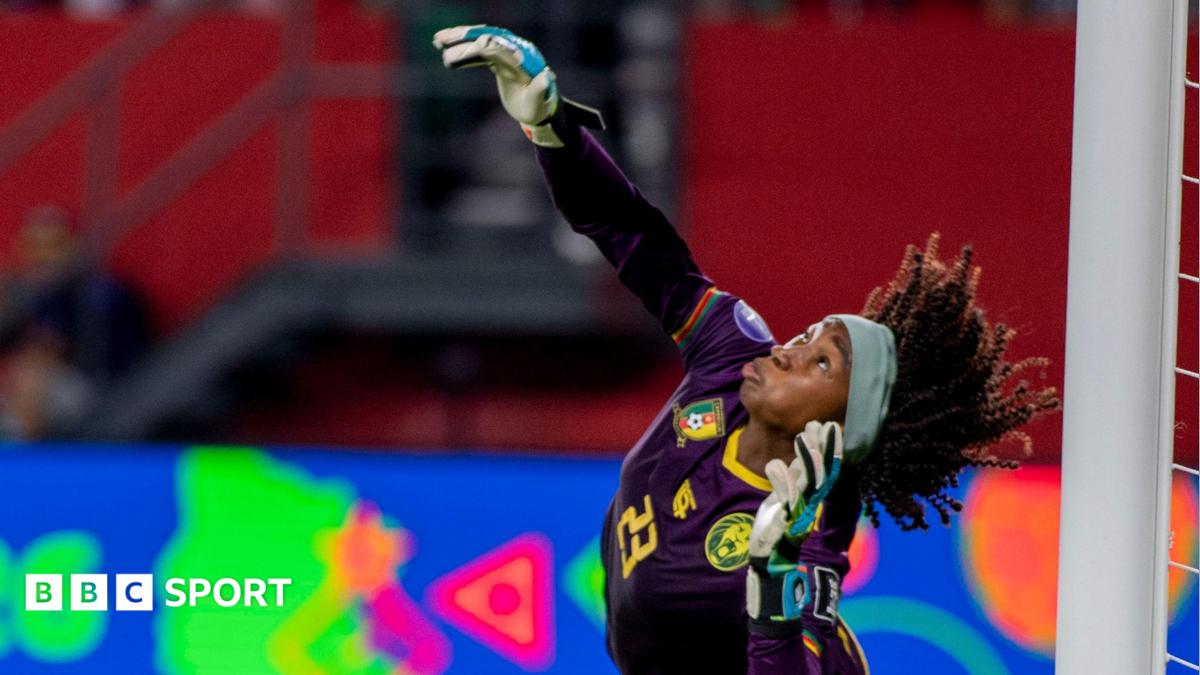
Why Morocco's Dutch-born stars are about to haunt their creators
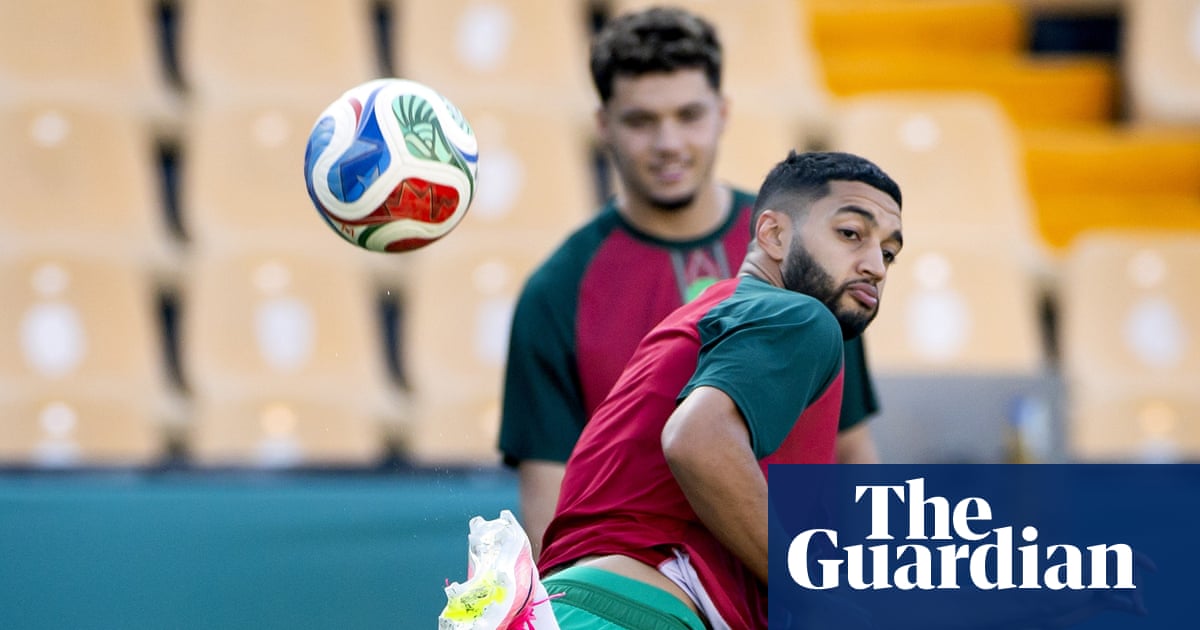
The looming mass of the Cerro de la Silla provides the backdrop for Monterrey's Estadio BBVA, but the real shadow hanging over Tuesday's Round of 32 clash is cast from Utrecht and Rotterdam. Forty years after Morocco first made Monterrey their home during the 1986 World Cup, they return to the city facing the ultimate mirror test. The prize is a last-16 matchup against Canada in Houston, but the subtext is an ideological civil war.
For the Netherlands, this fixture is an uncomfortable confrontation with their own developmental model. The Dutch squad arrived in Mexico boasting the joint-highest scoring record of the group stages with ten goals. Yet their path to the knockouts is blocked by a Moroccan side that relies on the exact same footballing database.
Morocco manager Mohamed Ouahbi, in The Guardian's preview, struck a defiant tone when asked about his team's preparedness. He knew that the emotional stakes of this game were far higher than a typical knockout fixture. His players are not just playing for a place in the next round; they are playing for their heritage.
“The biggest motivation the players have is to put on the jersey and represent the country. That is motivation enough to move mountains.”
Moving mountains in Monterrey will require more than national pride. It will require tactical superiority over the very system that created them. The tactical battlefield is set, and the lines of engagement are deeply personal.
The Pleintjesvoetbal Philosophy on the Global Pitch
The core of Morocco's tactical structure was not forged in Rabat or Casablanca. It was designed on the concrete courts of Dutch cities, a phenomenon known locally as pleintjesvoetbal. As BBC Sport analyzed, this street football culture has become the driving force behind Morocco's recruitment strategy.
For decades, the KNVB expected dual-national players to follow the path of Ibrahim Afellay or Khalid Boulahrouz into the Oranje shirt. But the shifting dynamics of identity and a relentless Moroccan scouting system changed the recruitment balance. Now, players like Noussair Mazraoui and Sofyan Amrabat form the backbone of the Atlas Lions.
This street style is not just about aesthetic tricks. It is about tight-space manipulation and press resistance. When a player grows up playing five-a-side on concrete with no referee, they develop a different relationship with the ball.
They learn to shield the ball under pressure, coordinate quick diagonal escape routes, and trigger immediate counter-pressing sequences. They develop a physical robustness that standard academy pitches rarely produce. This hybrid style combines elite Dutch tactical education with street-honed survival instincts.
In the group stage, Morocco's build-up phase showed the benefits of this upbringing. They averaged an impressive pass completion rate in their own half, refusing to go long even when pressed by Brazil's front line. Instead of panicking, Mazraoui and Amrabat rotated positions to create passing triangles, drawing opponents in before launching vertical line-breaking passes.
This technical composure will be Morocco's primary weapon against the Dutch. The Netherlands like to press high, but they struggle when their initial wave is bypassed. If Morocco can play through the first line of the Dutch press, they will find vast expanses of space to exploit.
Ronald Koeman’s Left-Back Trap
To counteract Morocco's press resistance, Ronald Koeman is preparing a significant tactical adjustment that could backfire. Reports suggest Micky van de Ven will start at left-back instead of Nathan Ake. While Van de Ven offers elite recovery speed, his positional awareness in a back four remains a major concern under sustained pressure.
The Dutch defense has struggled all year, failing to record a single clean sheet in 2026. In their group stage draw with Japan, the Dutch backline conceded three big chances from simple cutbacks. Ake’s defensive discipline usually offers a safety valve for Virgil van Dijk, but Van de Ven's natural instinct is to push high and rely on his recovery sprints.
This high-line strategy plays directly into the hands of Ismael Saibari. The PSV Eindhoven midfielder, who is set to join Bayern Munich this summer, has scored in all three group matches. Each of his goals arrived in the first half, a result of his sharp off-the-ball runs into the spaces vacated by advancing full-backs.
During the Eredivisie season, Saibari registered an average of 4.2 progressive carries per 90 minutes. He excels at recognizing when an opposing full-back has committed too far forward. Against a Dutch side that has looked vulnerable in defensive transitions, those carries will translate into high-value transition opportunities.
Van de Ven's speed is undeniable, but speed is a poor substitute for positioning. If Saibari can time his runs into the channel behind Van de Ven, he will force Van Dijk out of the center. This movement will leave the penalty area vulnerable to late runs from Morocco's midfield runners.
Furthermore, the decision to drop Ake removes a vital element of defensive balance. Ake is comfortable tucked inside as a third center-back when the right-back pushes forward. Without him, the Dutch defense risks becoming disjointed and exposed on the counter-attack.
The Midfield Press and the Hamstring Dilemma
Morocco's midfield structure is designed to isolate the Dutch double pivot of Jerdy Schouten and Tijjani Reijnders. Ouahbi rested key players in the final group match against Haiti to ensure his midfield press is fully charged. The return of Azzedine Ounahi and youngster Ayyoub Bouaddi will restore their aggressive mid-block.
Ounahi is the key progressor, carrying the ball out of pressure with a 72% dribble success rate in the tournament. He operates in tandem with Amrabat, who acts as the defensive anchor, screen, and primary ball-winner. Together, they aim to disrupt the Dutch possession chain before it can reach the final third.
If Schouten and Reijnders are denied time on the ball, the Dutch attack becomes predictable. They are forced to play wide to the wingers, who are then isolated against Morocco's defensive blocks. This midfield battle is where the game will be won or lost.
The Dutch attack is also facing a physical bottleneck. Forward Brian Brobbey has been managing a hamstring injury, limiting his ability to press effectively from the front. Although Brobbey has scored three goals, his lack of lateral mobility makes it easier for Morocco's center-backs to keep him quiet.
This physical limitation places an immense creative burden on Cody Gakpo. As Football365 reported, Gakpo has remained with the squad following a personal tragedy and is expected to start. But without a fully fit strike partner to stretch the opposition, Gakpo will find himself doubled by Mazraoui and Hakimi.
Gakpo's emotional resilience is admirable, but footballing physics cannot be ignored. If he is isolated on the left flank, his effectiveness will be severely diminished. He needs support from midfield, but Reijnders may be too occupied with defensive duties to join the attack.
Koeman's selection dilemma on the right wing adds another layer of uncertainty. Donyell Malen offers direct running, but Crysencio Summerville is better equipped to unlock low blocks. If Koeman opts for Malen, he risks congesting the middle, making it easier for Morocco to maintain their compact shape.
Scouting Success and the Dual-National Shift
The broader context of this match is the success of Morocco's scouting network. Over the past decade, the Royal Moroccan Football Federation has built a sophisticated network in Europe. They have scouts in every major European country, with a particular focus on the Netherlands, France, and Belgium.
These scouts do not just look for talent; they build relationships with players and their families. They offer a pathway to international football that is often more appealing than waiting for a call-up from a European nation. This proactive approach has allowed Morocco to secure some of the best young talents in Europe.
The impact of this shift is visible in the current squad. More than half of the players in Morocco's starting lineup were born outside of Morocco. Yet their commitment to the national team is absolute, which shows the federation's success in building a unified team identity.
This multicultural identity is Morocco's strength. They combine the tactical discipline of European academies with the flair and passion of Moroccan football. This combination has made them one of the most difficult teams to beat in international football.
For the Netherlands, this match is a reminder of the talent they have lost. Players like Ziyech and Mazraoui could have been key figures in the current Dutch squad. Instead, they will be lining up against them, looking to end their World Cup campaign.
The Verdict
Morocco enter this matchup on an unbeaten run of 32 matches, a streak built on defensive solidity and tactical discipline. The Netherlands possess the individual quality to hurt any side, but their structural flaws are too pronounced to ignore. A defense that cannot keep a clean sheet is a liability in knockout football.
The tactical matchup favors Morocco's street-smart transition play over Koeman's rigid positional structure. By drawing the Dutch press forward and exploiting the space behind Van de Ven, Morocco can control the tempo of the game. They will absorb the initial Dutch pressure and hit them on the counter.
Expect a tight, tactical encounter that finishes level after ninety minutes. Morocco's familiarity with the Dutch players and their superior defensive organization will carry them through. Just as they did against Spain in Qatar, the Atlas Lions will find a way to progress, likely through a penalty shootout.
The heat of Monterrey and the physical demands of the match will test both squads. But Morocco's squad depth and tactical flexibility give them the edge. When the dust settles at the Estadio BBVA, the Dutch will be left to contemplate the talent they let slip away.
Read Next
- Why Morocco's midfield could dismantle Ronald Koeman's Netherlands
- Why Morocco vs Netherlands is the ultimate tactical derby of World Cup 2026
- Top 10: Top Moments
- Moises Caicedo's captaincy shift faces the ultimate test against Mexico
- 🏆 World Cup 2026 — Full Coverage Hub
- 🇲🇦 Morocco World Cup 2026 — Atlas Lions Hub
- 🇧🇷 WC 2026 Group C — Brazil, Morocco, Scotland, Haiti
- ⚽ Eredivisie 2025-26 — PSV, Ajax, Feyenoord Title Race Hub
adidas Unisex-Adult Club Soccer Ball
A classic, durable ball perfect for casual pickup games in the park.
Frequently Asked Questions
When is the Netherlands vs Morocco World Cup Round of 32 match?
What is the prize for the winner of Netherlands vs Morocco?
Who is the manager of the Morocco national football team?
What is pleintjesvoetbal in Dutch football culture?
How does street football influence Morocco's tactical play style?
More Coverage

Tuchel's England look completely rattled by Man City's guilty verdict
1 day, 20 hours ago
Enzo Maresca's Socrates quotes won't hide Man City's 114 guilty verdicts
2 days, 7 hours ago
Sebastien Pocognoli's Scotland face immediate tactical test in Ljubljana
2 days, 15 hours ago
Ireland are heading into Hungary in crisis after their Pristina collapse
4 days, 2 hours ago
Jürgen Klopp got the chaos he expected in a wild debut against the Dutch
4 days, 3 hours ago
Andy Carroll's courage off the pitch redefines his role at Dagenham
4 days, 6 hours agoMore Analysis
Jürgen Klopp got the chaos he expected in a wild debut against the Dutch
4 days, 3 hours agoMorocco and Senegal are Africa's only real 2026 World Cup heavyweights
1 week, 1 day ago
Liverpool fans are spiraling over Virgil van Dijk's contract limbo
2 weeks, 1 day ago
Liverpool's sluggish start shows Andoni Iraola is running out of answers
2 weeks, 1 day agoThe Dutch World Cup Dream Is Back and It Will Break Your Heart Again
1 month, 1 week ago