A Generational Handover in the Shadow of the Azteca
Ecuadorian football reached a quiet, unsentimental junction in the wake of their group stage escape. Enner Valencia, the country's all-time leading scorer, has stepped down as captain midway through this World Cup campaign. According to reports from The Mirror, the 36-year-old forward passed the armband to Chelsea midfielder Moises Caicedo in an emotional ceremony before the knockout rounds begin.
This change was not merely symbolic; it was a tactical necessity. Valencia started all three group stage matches but failed to register a single shot on target, looking increasingly isolated in Sebastian Beccacece's high-tempo pressing structure. The veteran's physical limitations have forced Ecuador to defend in a deeper block than their manager desires, exposing their midfield to transition runs.
The transition highlights a broader shift away from the old guard that carried La Tri for the last decade. With veteran defenders and aging forwards slowly yielding to youth, Beccacece has prioritized athletic dynamism over historical stature. The decision to hand Caicedo the armband represents a permanent shift toward a modern, high-pressing identity built around younger, European-based talent.
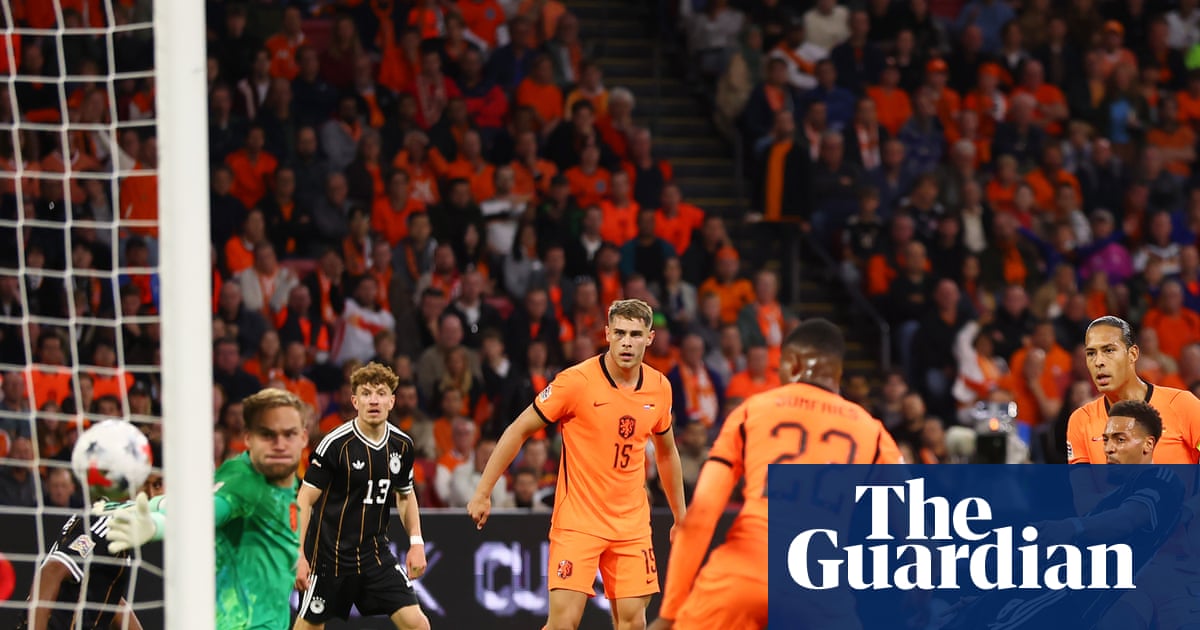
The tipping point arrived in their final Group E fixture against Germany. Needing a victory after a disappointing 1-0 loss to the Ivory Coast and a flat 0-0 draw with Curacao, Beccacece handed Caicedo the armband. The 24-year-old responded with a masterclass in midfield navigation, steering Ecuador to a 2-1 victory that clinched their spot in the Round of 32.
Now, a daunting task awaits them on Tuesday night. Ecuador will walk out at the Estadio Azteca to face co-hosts Mexico, who finished top of Group A with a perfect record. For Caicedo, the newly minted captain, it is a trial by fire in one of the most hostile environments in world football.
Caicedo's Tactical Weight and Midfield Mechanics
Under Beccacece, Ecuador's build-up phase has shifted from a rigid back-three to an asymmetrical 4-2-3-1. Caicedo operates as the primary distributor, dropping between the center-backs to create a three-man base. This adjustment allows the full-backs to push high, but it leaves Caicedo with immense defensive responsibilities during turnovers.
Statistically, his defensive output has been elite. Through three group matches, the midfielder has averaged 4.3 tackles and 2.7 interceptions per 90 minutes. His pass completion rate under pressure sits at a stellar 89.4%, which will be vital in bypassing Mexico's aggressive central press.
At Chelsea, Caicedo has learned to operate in a double pivot that demands both positional discipline and progressive passing. His ability to retain the ball under intense physical pressure will be Ecuador's primary outlet on Tuesday. If he can successfully draw Mexico's central midfielders out of position, it will open up passing lanes for Ecuador's wingers in transition.
However, captaining a side at this level is a different kind of pressure. Caicedo has worn the armband before, captaining Ecuador in a friendly victory against New Zealand last November. His club experience is more mixed, having captained Chelsea during defeats to Manchester United and Manchester City in April of last season.
Beccacece is gambling that Caicedo's central presence will dictate the emotional temperature of the squad. Without Valencia's veteran voice on the field, the young midfielder must direct the defensive shifts. As reported in the post-match breakdown, he will carry this responsibility for the remainder of the tournament.
The Mexican Press and the Azteca Fortress
Mexico enters this Round of 32 clash as the tournament's most efficient defensive unit. They won all three group games against South Africa, South Korea, and the Czech Republic without conceding a single goal. Their manager has drilled a relentless counter-pressing system that traps opponents within their own defensive third.
Mexico's defensive record is built on spatial constriction. Their defensive line averages a height of 48 meters from their own goal, forcing play into a congested central channel. This setup will directly target Caicedo, trying to cut off his passing lanes to Ecuador's creative wingers.
In midfield, Mexico will rely on their own double pivot to disrupt Ecuador's possession phase. By choking the central lanes and tracking Caicedo's movements, they aim to force the ball out wide to isolated full-backs. Ecuador must counter this by utilizing third-man runs and quick diagonal switches to catch the Mexican block shifting.
The atmosphere in Mexico City will only amplify this pressure. The Estadio Azteca, sitting at an altitude of 2,240 meters, presents a physical challenge that Ecuador must manage. Teams often collapse in the final 20 minutes here as oxygen depletion slows down defensive recoveries.
Ecuador's offensive output must improve if they want to quiet the home crowd. With Valencia likely dropping to the bench, the attacking burden falls on younger, less experienced forwards. Beccacece's side managed an xG of just 0.82 across their first two group matches, a metric that must rise sharply on Tuesday.
Key Tactical Battlegrounds
The Half-Space Duel
Mexico's inside forwards constantly occupy the half-spaces, dragging opposing center-backs out of position. Ecuador's double pivot must track these runs without leaving the central zone vacant. If Caicedo is drawn too wide to cover the wingers, Mexico will exploit the space directly in front of the box.
The High Press Trigger
Ecuador's build-up is vulnerable when their goalkeeper is pressed. Germany exploited this in the 14th minute of their group match, nearly scoring after a misplaced pass. Mexico will watch that tape and trigger their press whenever the ball goes backward to the keeper.
Sustaining the Physical Tempo
The physical toll of the altitude will dictate Beccacece's substitution timing. Ecuador cannot afford to chase the game in the second half. Their best chance lies in securing an early lead and transitioning into a compact, low-risk defensive block.
A Defiant Prediction
This match will be defined by friction. Mexico will dominate possession, likely holding around 60% of the ball in the opening half-hour. They will probe the edges of Ecuador's block, looking to trigger a mistake from the young defense.
But Ecuador's midfield has a resilient quality under Caicedo. His ability to break the first line of pressure with sharp, forward passes will release Ecuador's wingers on the break. Look for a tactical shift around the 65th minute when Beccacece will introduce fresh legs to counter the altitude fatigue.
To survive the final onslaught, Ecuador must rely on defensive discipline. Beccacece will likely introduce center-back reinforcements in the late stages to transition into a defensive back-five. This tactical flexibility will be critical in resisting Mexico's aerial bombardment in the dying minutes of the match.
We predict a tense, low-scoring affair. Ecuador will weather the early storm and strike on a counter-attack in the 72nd minute. Caicedo will lead his team to a hard-fought 1-0 victory, setting up a last-16 tie against England.
Read Next
- Moriyasu's defensive rotation is about to get punished by Vinicius Junior
- How Jesse Marsch turned Canada into a genuine World Cup threat
- Palace and Sunderland are quietly dominating the 2026 World Cup
- How the math of the 48-team World Cup broke the group stage
- 🏆 World Cup 2026 — Full Coverage Hub
- 🇲🇽 Mexico World Cup 2026 — El Tri Hub
- 🇪🇨 Ecuador World Cup 2026 — La Tri Hub