The Pristina Failure: A Back Five Built on Sand
Heimir Hallgrimsson went to Pristina searching for structural stability. He left the Fadil Vokrri Stadium on Thursday night with a damaged tactical blueprint and a team completely devoid of attacking intent.
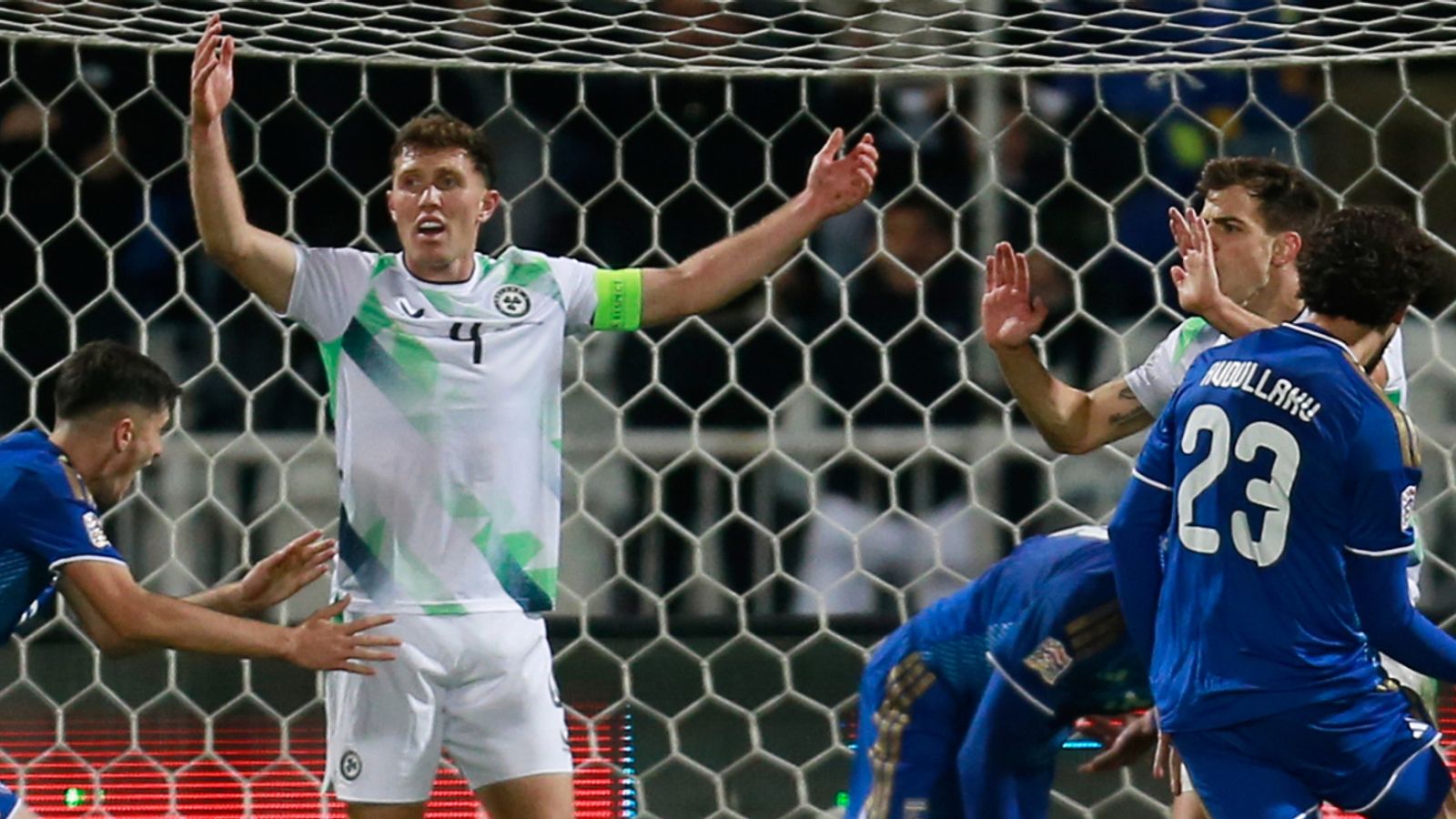
The 1-0 defeat to Kosovo in their Nations League Group B3 opener exposed every flaw in Ireland's conservative setup. A back five designed to absorb pressure merely invited Kosovo to set up camp inside the Irish half.
Udinese defender James Abankwah earned his first competitive start on the right side of that defensive line. Dara O'Shea wore the captain's armband alongside him, tasked with keeping Vedat Muriqi quiet inside the box.
The system worked for exactly twenty minutes. Ireland managed their single decent attacking sequence of the entire first half when Abankwah broke down the right flank in the 22nd minute.
He drove past his defender into the penalty area and pulled back a neat pass for Chiedozie Ogbene. Ogbene leaned back and curled his shot high over Arijanet Muric's crossbar. That isolated moment was the absolute high-water mark of Ireland's offensive output.
From that minute forward, Kosovo seized total control of the central midfield space. Jayson Molumby was forced into a desperate off-the-line clearance on the half-hour mark after Muriqi met a cross from the left wing.
Minutes later, Veldin Hodza found room inside the penalty box, forcing O'Shea into a sliding block from ten yards out. Caoimhin Kelleher then had to claw away a looping Muriqi header that was dipping straight into the top corner.
As noted in the Sky Sports match report, Ireland somehow reached halftime at 0-0 despite allowing multiple clear chances inside their own six-yard box. Survival was masquerading as tactical discipline.
Isolated Up Front: Troy Parrott's Impossible Job
Playing as a lone striker in international football requires rapid service and energetic midfield support. Troy Parrott received neither in Pristina on Thursday evening.
The Real Betis forward entered the match in sparkling club form. Yet Hallgrimsson's 5-4-1 formation turned Parrott into an isolated spectator for vast stretches of the match.
Ireland's central midfield pairing failed to connect passes into Parrott's feet. Ireland repeatedly opted for long, low-percentage clearances that Kosovo center-backs intercepted with ease.
Ireland did spark a brief moment of hope right after the restart. Abankwah swung a deep cross toward the far post in the 46th minute.
Parrott out-jumped his defender and directed a header toward goal. Muric gathered it comfortably, but that effort stood as Ireland's only shot on target all night.
A team cannot expect to win competitive matches with one shot on target across 90 minutes. Parrott spent the evening chasing lost causes while Kosovo built attacks at will.
Baton Zabergja whipped a 20-yard strike just wide of Kelleher's top corner to reignite the home crowd. Kosovo, playing in Nations League B for the first time, looked far more comfortable at this level than their visitors.
The 83rd-Minute Inevitability and Defensive Collapse
When a team spends 80 minutes defending their own penalty box, momentum eventually breaks them. Ireland's dam finally burst in the 83rd minute.
Ermal Krasniqi cut inside from the wing and unleashed a deflected strike that crashed against Kelleher's crossbar. The ball bounced high into a crowded six-yard area.
While Irish defenders hesitated, Muriqi reacted with absolute predatory instinct. The Kosovo captain rose above O'Shea to nod the ball into the net from point-blank range.
It was no less than Kosovo deserved. Muriqi had bullied Ireland's center-backs all evening, forcing Kelleher into two brilliant near-post reaction saves prior to the goal.
Things nearly got worse in stoppage time for Hallgrimsson's men. Muriqi broke free on a long pass and set up substitute Krasniqi, who dragged his shot wide of the far post with only Kelleher to beat.
As detailed by Sky Sports coverage of the group opener, the 1-0 scoreline actually flattered Ireland. They were outplayed in every phase of the game.
Off-Pitch Friction and the Imminent Trip to Hungary
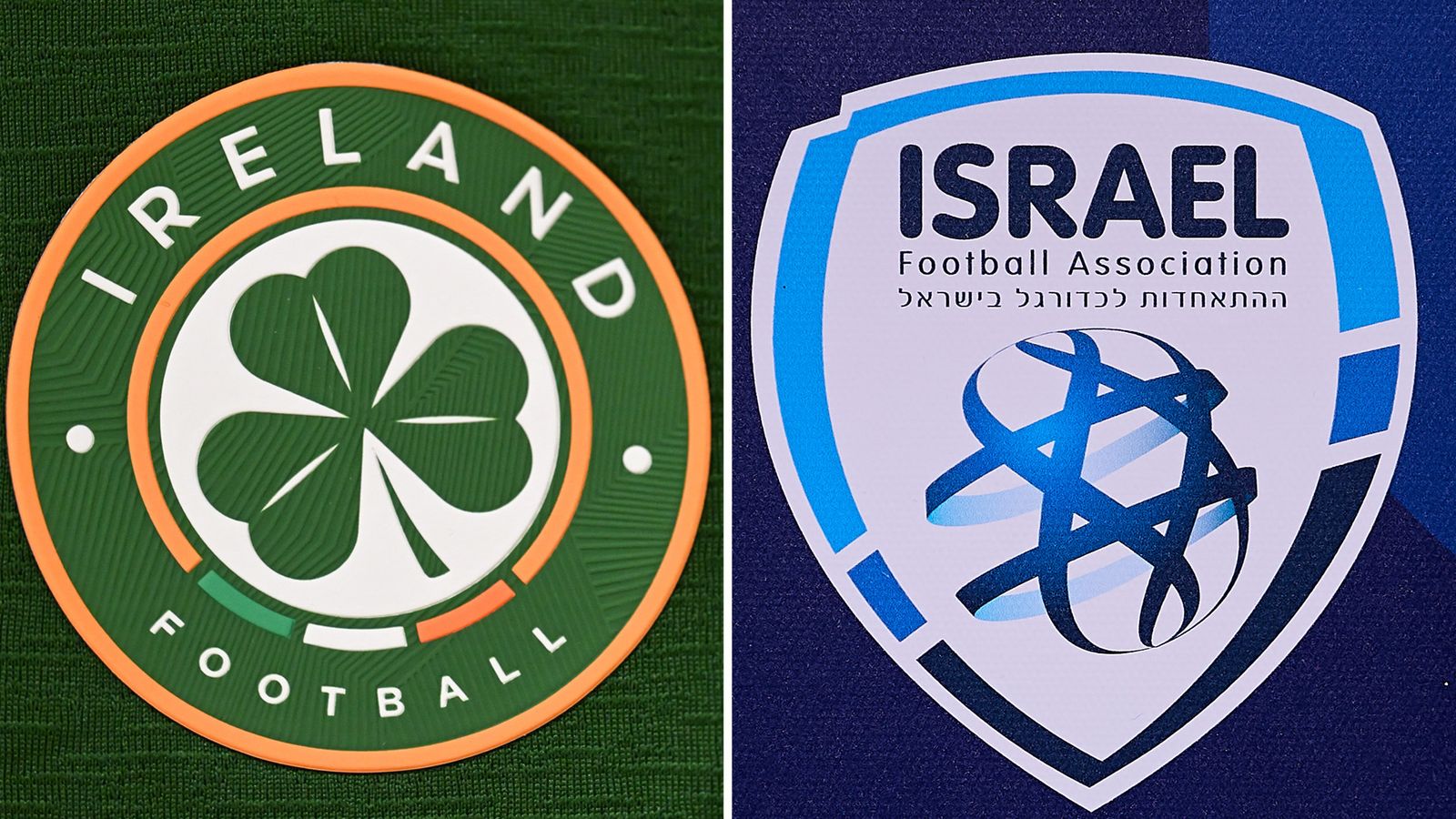
Ireland do not have the luxury of dwelling on their failure in Pristina. The squad immediately travels to Hungary to face Israel on Sunday, September 27.
That fixture is followed by another neutral-venue clash seven days later in Serbia. The build-up to this international window was heavily disrupted by off-pitch controversy around these matches.
Hallgrimsson admitted before traveling to Kosovo that several squad members felt uncomfortable about playing these upcoming fixtures. That emotional weight was evident in Pristina, where Ireland played with visible hesitation and a total lack of tactical conviction.
International managers must insulate their players from external noise. Hallgrimsson failed on that front in Pristina, producing a performance that looked completely paralyzed.
Heading into Sunday's game in Hungary, Ireland sit bottom of Group B3. Another defeat would leave their Nations League campaign in total ruin before October even arrives.
Tactical Adjustments Ireland Must Make for Sunday
Hallgrimsson cannot deploy the same ultra-defensive back five against Israel in Hungary. The numbers simply do not add up when Ireland cede possession so easily.
First, Ireland must scrap the three-center-back system and shift to a proactive 4-3-3 formation. Abankwah showed enough attacking potential on the right wing to play as a traditional fullback with license to overlap.
Second, Molumby needs a midfield partner who can actually progress the ball under pressure. Ireland's inability to break Kosovo's first line of pressing meant Parrott spent 90 minutes chasing shadows.
Finally, Ogbene must be instructed to stay high and wide rather than tracking back into a secondary fullback role. Ireland need outlets, not extra defenders cluttering Kelleher's box.
Match Prediction: Can Ireland Salvage Their Campaign?
Sunday's match in neutral Hungary is a true test of Hallgrimsson's management. If he sticks with a timid mid-block, Israel will exploit the exact same central spaces Kosovo dominated.
However, the manager is backed into a corner. Expect Hallgrimsson to drop one center-back, push Molumby higher up the pitch, and demand a reaction from his squad.
Ireland will look far sharper in transition than they did in Pristina. Yet their defensive frailties when defending set-pieces remain a massive vulnerability.
Expect a tight, nervous affair in Hungary where Ireland manage to get on the scoresheet through Parrott. But without structural fixes in midfield, they will likely settle for a frustrating 1-1 draw, leaving their Group B3 survival in serious doubt.
Read Next
- Heimir Hallgrimsson is walking Ireland into a Nations League nightmare
- Ireland face Israel in Nations League as UEFA ignores growing fallout
- Ireland can't run from the fallout as they prepare to face Israel in Hungary
- Thomas Tuchel is making excuses before Spain even arrive at Wembley
- 🇽🇰 Kosovo at the 2026 World Cup — Full Coverage Hub