A Fixture Stripped of Normalcy in Debrecen
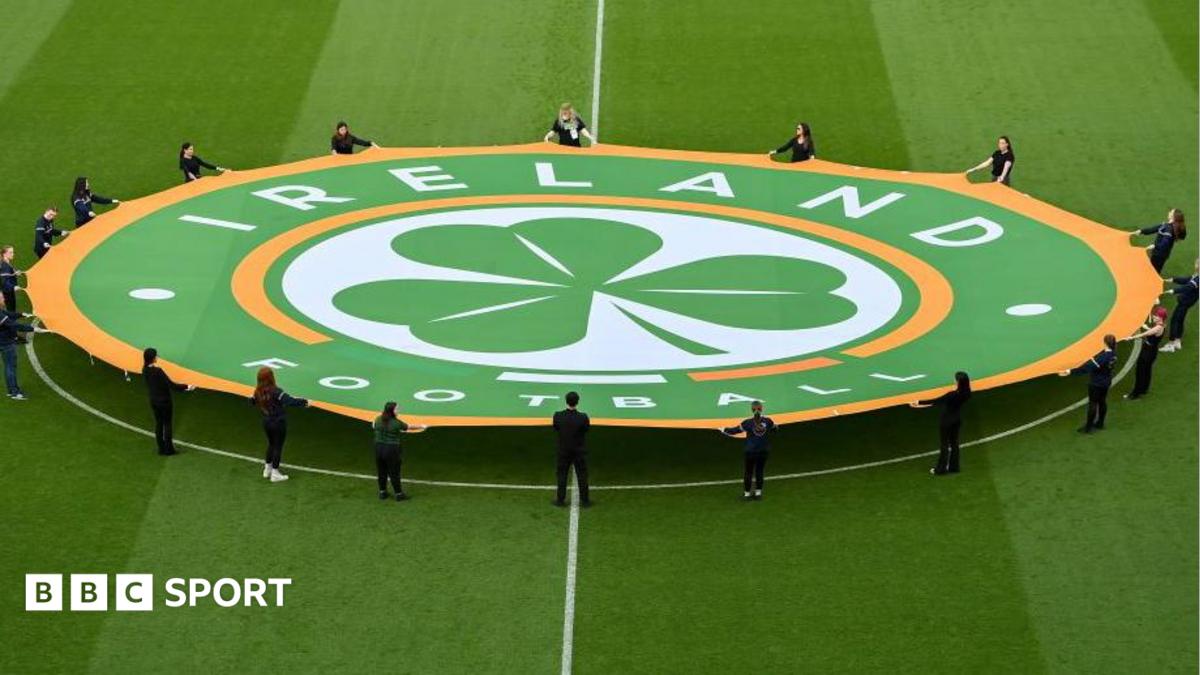
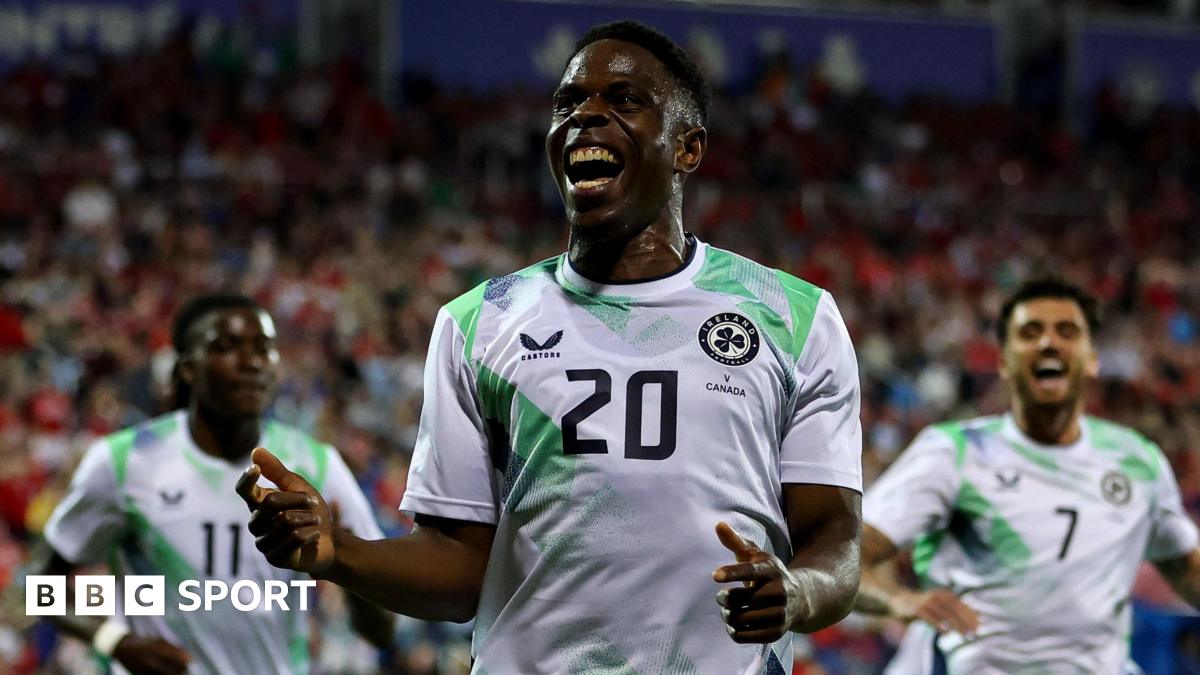
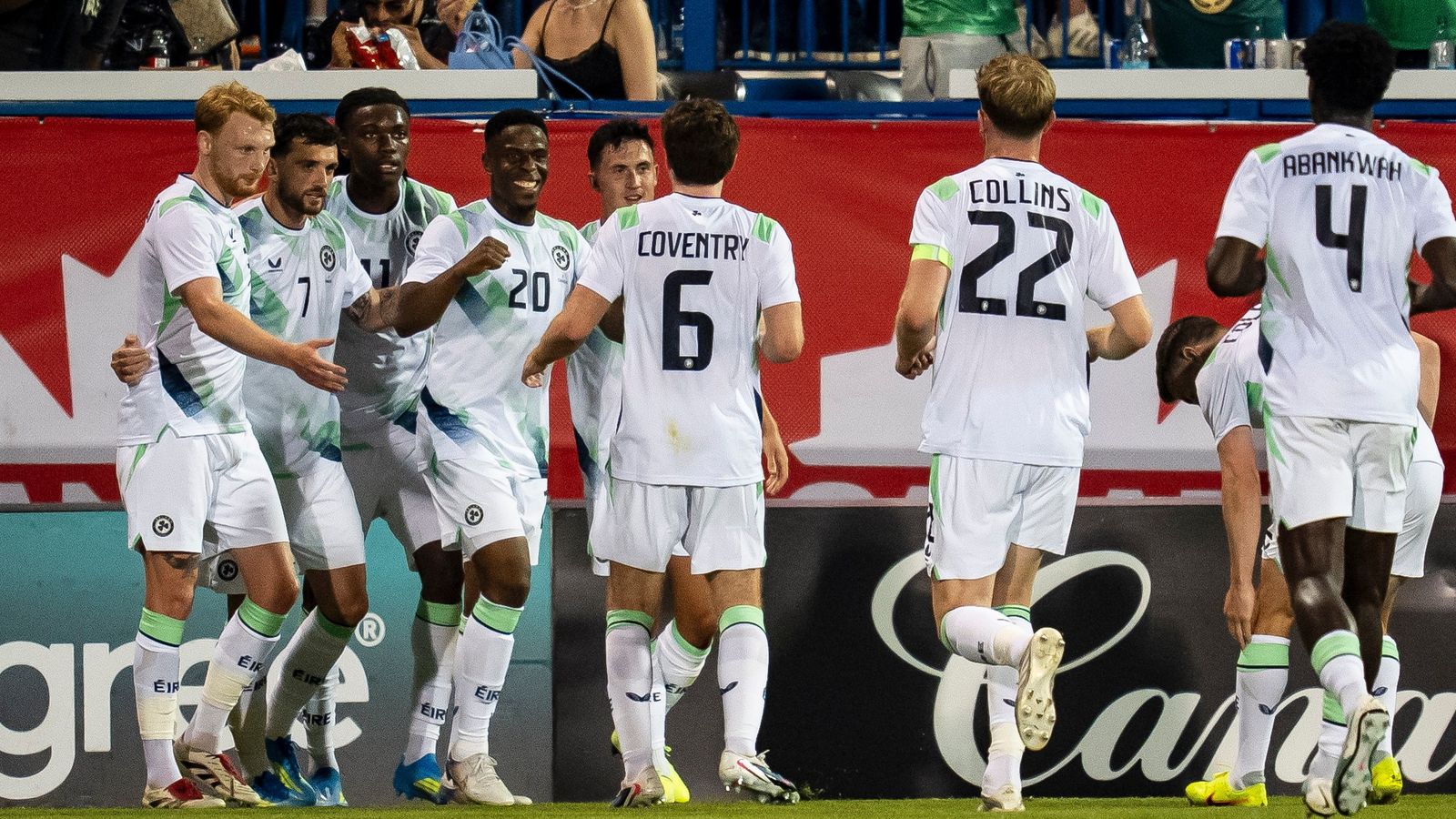
International football thrives on the electric energy of supporters filling stadium seats. Sunday's UEFA Nations League match between the Republic of Ireland and Israel will have none of it. UEFA ordered the match moved to neutral ground in Debrecen, Hungary, while banning all away supporters from attending.
The return fixture follows quickly on October 4 in Backa Topola, Serbia. That means both nations will play twice inside seven days in empty neutral venues. It is a sterile setup for international competition, leaving players to perform inside quiet stadiums that feel more like training ground scrimmages than competitive fixtures.
- First fixture: Debrecen, Hungary (Sunday)
- Return fixture: Backa Topola, Serbia (October 4)
- Attendance: Zero away supporters permitted by UEFA decree
The atmosphere outside the stadium, however, is anything but quiet. Protesters gathered outside the Republic of Ireland team hotel in Dublin on Monday to demand an immediate boycott of both matches. Their demonstration followed an open letter organized by the Irish Sport for Palestine group, signed by more than 160 Irish sportspeople urging the Football Association of Ireland to withdraw.
The FAI foresaw this administrative mess days before the squad met up. Four days ago, Irish football officials confirmed they had formally asked UEFA to keep Ireland and Israel separate in future draws. UEFA rejected the request outright, forcing the team onto the pitch under threat of heavy disciplinary penalties.
Forfeiting the matches was never a realistic operational choice for Irish football executives. UEFA rules penalize non-appearance with automatic 3-0 forfeits, crippling financial fines, and potential exclusion from future international tournaments. The squad boarded their flight to Hungary trapped between public outrage at home and strict competitive mandates from Switzerland.
The Diplomatic War of Words Between Dublin and Tel Aviv
The friction exploded into public view when Irish manager Heimir Hallgrimsson addressed the fixture last week. The Icelandic coach refused to hide behind standard sporting cliches when asked about taking the pitch against Israel. His comments set off a fierce international debate before a ball was even kicked in Hungary.
"We're not playing with genocide, we're playing against genocide," Hallgrimsson told reporters last week. "We're playing against Israel, we're not playing with Israel."
The Israel Football Association reacted on Monday with a furious personal attack posted on X. The statement opened by listing Israel's contributions to humanity and Nobel Prize achievements before turning directly on the Irish manager. It marked a rare instance of an official sports federation launching personal insults at an opposing coach on public channels.
"Unfortunately, we have not yet found a cure for stupidity, ignorance and hypocrisy displayed by @IrelandFootball team coach," the Israel FA wrote online. "We're not playing with ignorance, hypocrisy and stupidity, We're playing against the coach who embodies them."
That public attack triggered an immediate reaction from the highest levels of the Irish government. Speaking to journalists from New York while attending the UN General Assembly, Irish Taoiseach Micheal Martin demanded an official retraction. Martin did not mince words when asked about the Israeli statement.
"They are unacceptable remarks and should be withdrawn," Martin stated in New York. "Israel can't keep denying what the world knows and what the world understands."
Martin pointed directly to recent statements by UN Secretary-General Antonio Guterres regarding the war in Gaza. Guterres noted he had never witnessed such scale of death and destruction in his lifetime. Martin emphasized that Hallgrimsson was simply reflecting that recognized global reality.
UEFA's Selective Separation Rules Exposed
UEFA routinely claims sports and politics must remain completely separate. Yet European football's governing body already enforces strict regional separation rules during tournament draws. UEFA actively prevents matches between Armenia and Azerbaijan, Spain and Gibraltar, or Kosovo and Serbia due to security risks and political tensions.
Denying Ireland's request to avoid Israel exposes a glaring double standard in Nyon. UEFA officials forced this fixture forward despite knowing neutral grounds and empty stands would be required. That decision shifted the entire political burden onto the FAI and Hallgrimsson while protecting television broadcast schedules.
As detailed in BBC Sport reporting on the Nations League dispute, forcing teams into neutral venues without fans satisfies nobody. It strips international football of its soul while doing nothing to resolve the core controversy surrounding the fixture.
Supporters of UEFA's stance argue that allowing teams to dictate opponents based on political objections sets a dangerous precedent. If every nation selects who it will or will not play, international tournaments collapse into chaos. But pushing controversial fixtures into empty stadiums in Hungary and Serbia hardly preserves sporting integrity.
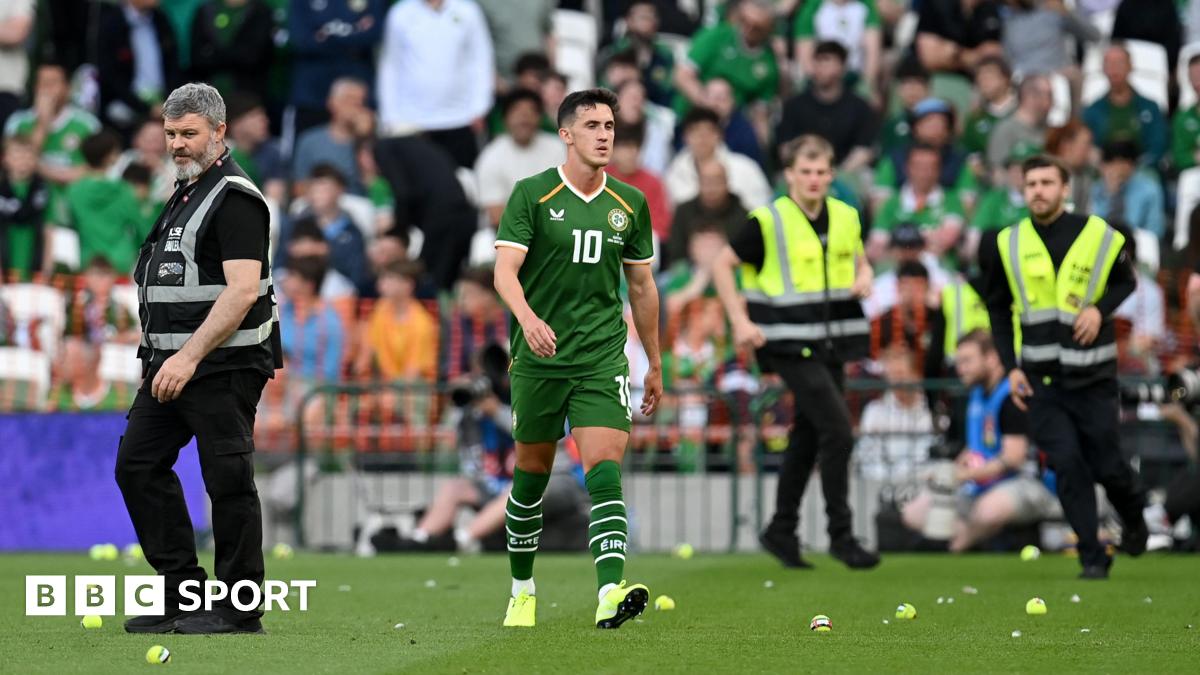
It creates a hollow spectacle instead. Twenty-two players will run onto a pitch in Debrecen surrounded by thousands of vacant plastic seats, while security personnel guard the perimeter. That is not international sport; it is an administrative obligation executed under police escort.
The FAI's Leadership Vacuum and Hallgrimsson's Isolation
The most frustrating aspect of this saga for Irish supporters is the total absence of administrative spine from Abbottstown. The FAI spent months conducting an agonizingly slow managerial search before appointing Hallgrimsson. Yet when crisis hit, the board left their new manager completely exposed on the global stage.
Hallgrimsson was forced to answer complex geopolitical questions during routine pre-match press conferences. Meanwhile, FAI executives maintained total silence, offering no official statement regarding the Israel FA's direct personal attack on their manager. It took the Taoiseach speaking from UN headquarters in New York to provide the defense the FAI should have issued hours earlier.
This administrative cowardice hurts the team on the pitch. Ireland's squad is already in a difficult transitional phase, trying to rebuild technical identity after years of structural stagnation. Forcing a squad to navigate heavy political scrutiny without clear board protection creates unnecessary distraction.
The players are stuck in an impossible position. If they play, critics back home accuse them of complicity. If they boycott, their professional careers face suspension and their national team suffers devastating competitive punishment. It is a lose-lose scenario manufactured by administrative indifference.
Humanitarian Tragedy and the Limit of Sporting Neutrality
This dispute does not exist in a vacuum. It is driven by devastating events in the Middle East over the past three years. The armed group Hamas attacked Israel on 7 October 2023, killing approximately 1,200 people and taking 251 hostages back into Gaza.
Israel responded with a massive military campaign across Gaza. According to the Gaza health ministry—whose figures are verified and considered reliable by the UN—more than 73,000 people have been killed in the offensive. Israel repeatedly denies accusations of genocide or war crimes, asserting its operations follow international law in self-defense.
These staggering numbers explain why Irish sportspeople signed an open letter calling for a sporting boycott. Football cannot isolate itself from catastrophic human suffering. Pretending that 90 minutes in Debrecen is just another match ignores the reality felt by supporters across Ireland.
When sports governing bodies attempt to sanitize controversial fixtures by hiding them in neutral venues, they satisfy no one. The empty stands in Hungary will not hide the tension, nor will they silence the debate in Dublin. UEFA may get its televised match, but football loses its dignity in the process.
Sunday's kickoff in Debrecen will pass, and the teams will repeat the exercise in Serbia on October 4. But no scoreline will obscure the fact that European football failed this test. By refusing to confront real-world realities, UEFA turned a Nations League match into an uncomfortable reminder of sport's moral limits.
Read Next
- Ireland playing Israel in Hungary and Serbia is a complete circus
- Celtic back Martin O'Neill despite three straight losses and manager doubt
- Brighton just gave the Premier League the blueprint to beat Arsenal
- Pocognoli's first Scotland squad signals a massive European shift
- 🏆 UEFA Nations League Final Four 2026 Hub — June 4-8, Lisbon