The politics behind the pitch
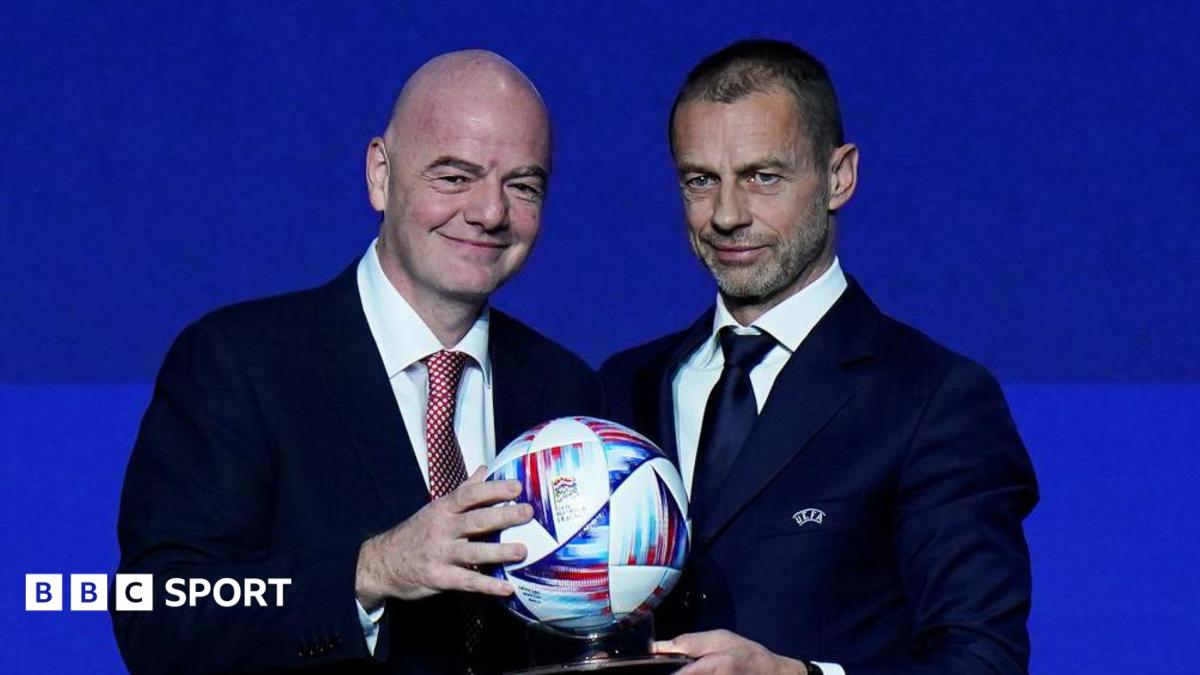
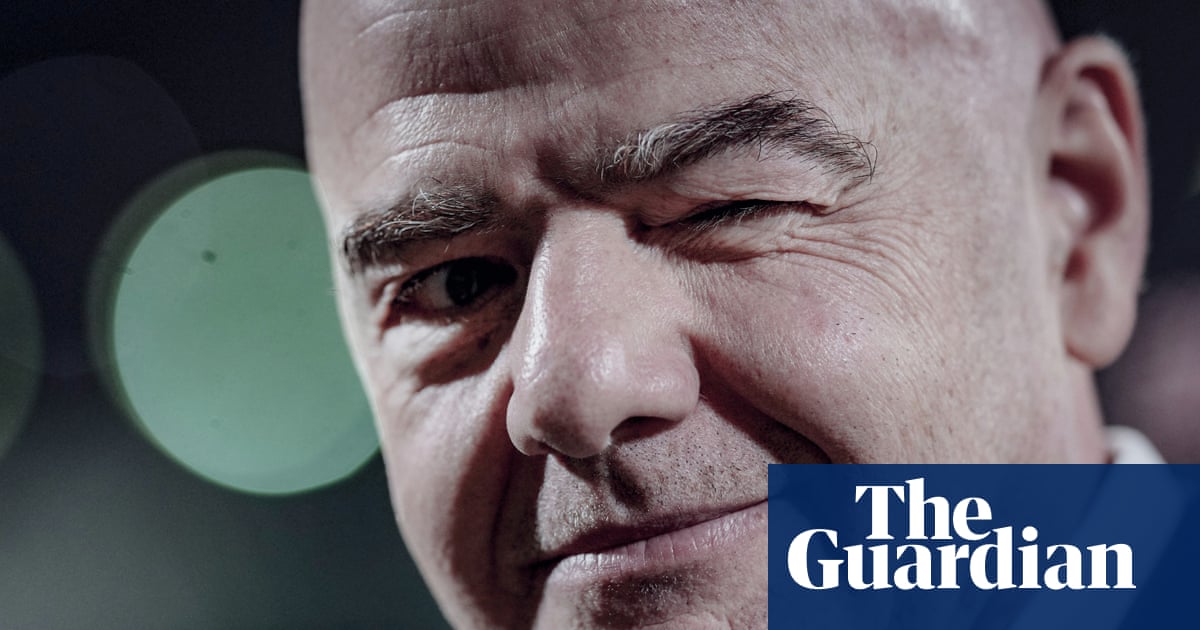
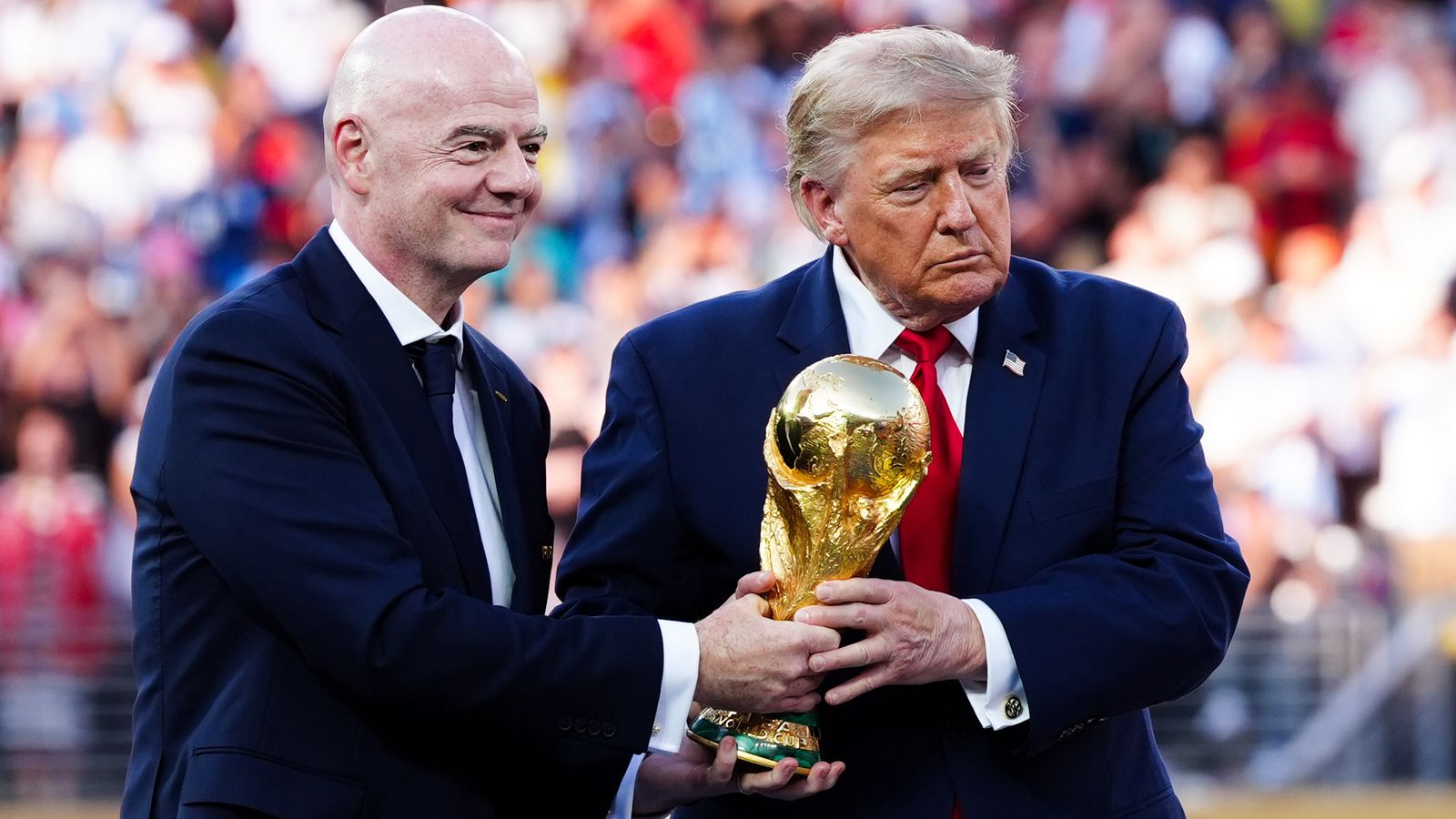
Gianni Infantino spent the last week in a defensive crouch that felt uncomfortably familiar. After Mirror Football reported on his botched attempt to lure private equity into the World Cup, the FIFA president is finding that even the most iron-fisted bureaucrats have limits to their sway. The proposed sell-off of football's premier asset was met with a wall of resistance from confederations that usually dance to the Zurich tune.
This isn't just a PR blunder. It is an existential question about who owns the sport. When you talk about monetizing the World Cup, you aren't talking about footballing progression; you are talking about stripping the remaining prestige from a tournament already bloated by the 48-team expansion. Infantino's grovelling apology during Tuesday's crisis meeting in Zurich reeks of a man who realized he pushed the door too hard and found it was made of solid concrete.
Tactical stagnation at the top
The pattern here is unmistakable. Much like a manager who relies on a single, aging tactical blueprint despite the league adjusting, FIFA under Infantino has become predictable. They constantly seek new revenue streams because their internal cost-control mechanisms are failing. The attempted privatization of the World Cup was a Hail Mary pass to cover for a lack of genuine growth in the organization's existing commercial portfolio.
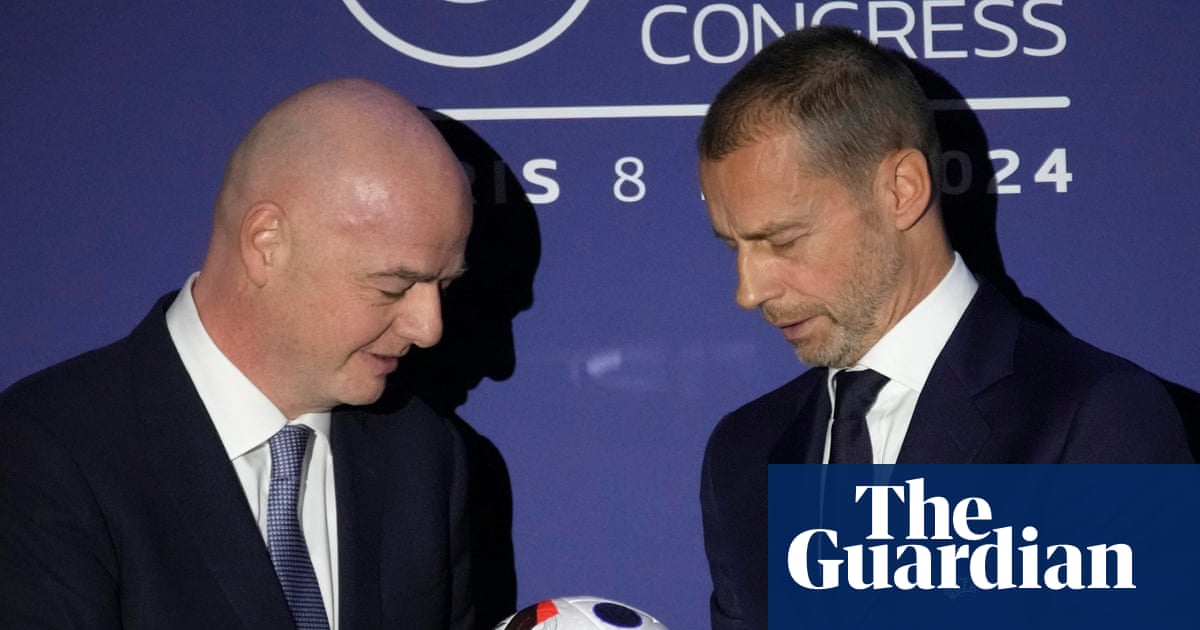
The fallout has left the presidency vulnerable. Critics within the UEFA and CONMEBOL blocs are no longer masking their frustration with whispers in the hallways; they are actively organizing. If you look at the voting arithmetic, Infantino has lost the buffer he enjoyed for years. He is now operating on thin ice, needing every move to land perfectly to avoid a challenge at the next congress.
The price of failure
The fallout from this incident will dictate the sport's direction for years. We aren't just looking at a leadership struggle. We are looking at a fundamental shift in how the sport is governed. The attempt to trade away commercial rights to private investors was a 0.0 xG play, doomed from the start because it failed to account for the political capital required to pull off such a radical shift in ownership models.
There is a recurring flaw in Infantino's decision-making process. He tends to view the game as a series of assets to be liquidated rather than a competition to be stewarded. If the board decides to move against him, expect the transition to be messy. He has spent years filling the upper echelons of FIFA with his own people, but loyalty rarely survives a crisis of this magnitude.
My prediction for the coming months? Infantino survives the current firestorm, but only by abandoning his expansionist commercial agenda entirely. He will be forced to pivot back to traditional sponsorship models, effectively neutering his own influence. It is a win for the fans who value the World Cup's history over its market valuation, but it marks the end of an era of unfettered control for the man at the top.