The Big Picture
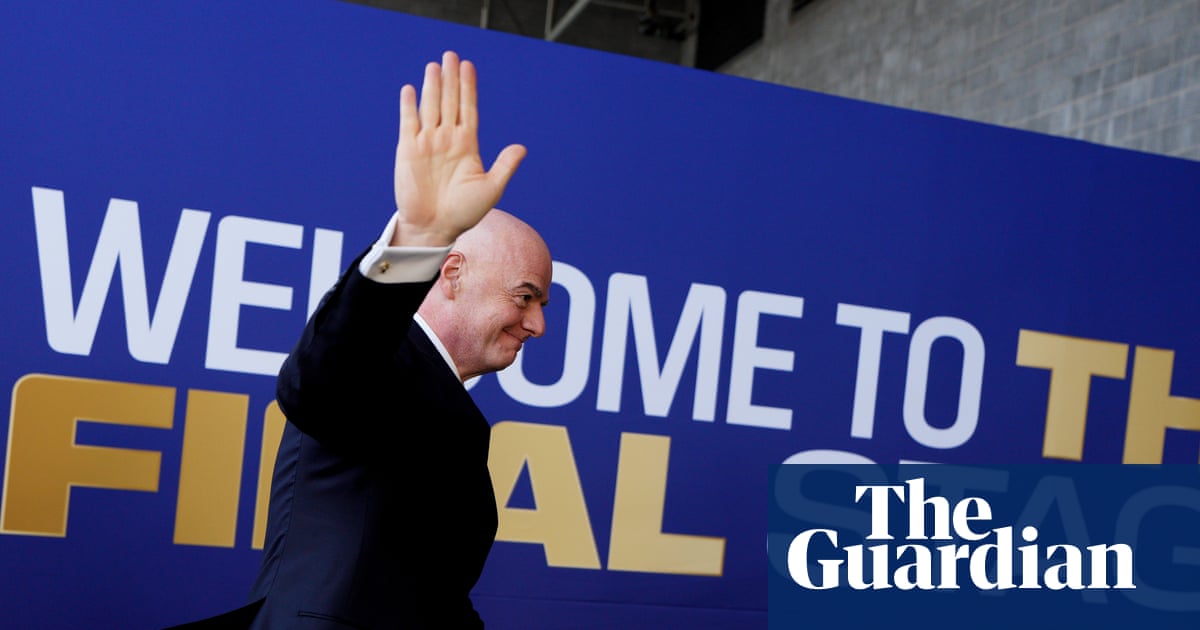
The political architecture of world football is fracturing in real time. Gianni Infantino's attempt to sell off private stakes in the men's World Cup sparked an unprecedented rebellion across Europe, Asia, and the Americas.
What started as a botched corporate deal has escalated into an all-out war featuring public boycotts, leaked financial settlements, and political interventions from the US presidency. Here is the definitive breakdown of the top ten moments that triggered the biggest power struggle in modern FIFA history.
The Top 10 Moments
10. The Morocco Detour Backing Statement
FIFA's management committee met in Morocco last Wednesday and ended the session with a public statement endorsing Infantino. The meeting was designed to project unity, but holding it outside FIFA headquarters in Switzerland backfired instantly.
Opponents viewed the venue choice as a tactical dodge rather than a show of authority. As Sky Sports reported, rival federations openly mocked the gathering for avoiding direct confrontation in Zurich.
This ranks tenth because while it proved Infantino retains tight control over key committee agendas, it exposed clear defensive maneuvering. Staging a photo op in North Africa did nothing to stop the political momentum gathering against him.
9. Infantino's Apology for FIFA Forward Enterprise
Facing heavy blowback from continental leaders, Infantino issued a formal apology for his plan to launch FIFA Forward Enterprise. The scheme aimed to spin off tournament commercial operations and hand private buyers equity.
Apologies are rare currency in global sports administration, making the gesture significant. Yet admitting fault failed to soothe angry confederation presidents who viewed the initial proposal as an existential line crossed.
It lands at ninth spot because saying sorry showed initial weakness without offering real structural concessions. Admitting a mistake did not wipe away the fact that he tested the market for football's prized asset.
8. The Americas Demand Governance Overhaul
US Soccer and Canada Soccer joined forces with the Caribbean Football Union and Central American Football Union to issue a joint statement demanding sweeping governance changes. The Western Hemisphere bloc demanded transparency and strict accountability.
Having co-hosts of the men's World Cup openly question Infantino's leadership broke the narrative that opposition was limited to European officials. North and Central American leaders aligned directly with European grievances.
Ranking eighth, this joint statement stripped Zurich of its favorite defense mechanism. When your marquee tournament hosts publicly demand reform, claims of an isolated European grudge collapse completely.
7. UEFA's Saturday Departure Payment Bombshell
UEFA confirmed on Saturday that a six-figure sum alongside MBA course tuition fees was paid to a female employee allegedly in a relationship with Infantino during his tenure as UEFA general secretary between 2009 and 2016.
The timing of Nyon's confirmation was a masterclass in political warfare. Dropping decade-old personnel settlement records right as Infantino reeled from commercial blowback turned a policy fight into a personal character battle.
It ranks seventh because while UEFA's leak reeked of cynical score-settling, it severely heightened personal stakes for Infantino. Corporate missteps are hard to defend, but legacy personal allegations create lasting political damage.
6. FIFA's Fiery 'Concerted Effort' Counter-Attack
FIFA fired back with an aggressive official statement accusing rival executives of leading a 'concerted and ongoing effort' to unseat Infantino outside established democratic processes. Zurich insisted Infantino holds a legitimate mandate from member associations.
The statement abandoned traditional diplomatic language in favor of open confrontation. FIFA signaled clearly that it will fight rival confederations in every committee room to protect its presidency.
Sitting sixth on the list, this statement marked the point of no return. By claiming opposition represents sour grapes from powerful federations rather than genuine governance concerns, Zurich shut down room for compromise.
5. The Proposal to Sell 20 Per Cent of World Cup Commercial Rights
The spark that set off the entire firestorm was Infantino's plan to sell off around 20 per cent of tournament operational rights to private investment entities through FIFA Forward Enterprise. The pitch was designed to generate quick capital.
The idea instantly enraged executive committees across multiple continents. Private equity involvement in international football tournaments represented a fundamental shift that member federations refused to tolerate.
This moment ranks fifth because it represents the ultimate catalyst for the crisis. Infantino miscalculated confederation patience, assuming commercial cash flow would outweigh structural control.
4. UEFA's Nuclear Option: The Competition Boycott
UEFA raised the stakes to an extreme level by confirming its boycott threat against FIFA competitions remains active while Infantino holds power. European football's governing body signaled it is prepared to pull teams from global events.
A FIFA tournament without European powerhouses is commercially unviable for global broadcasters and sponsors. Threatening to pull teams transforms executive posturing into an active financial emergency.
Ranking fourth, UEFA's boycott threat is the ultimate bargaining chip. It forces every national association to consider whether supporting Infantino is worth risking the financial stability of international football.
3. The Three-Confederation Joint Open Letter
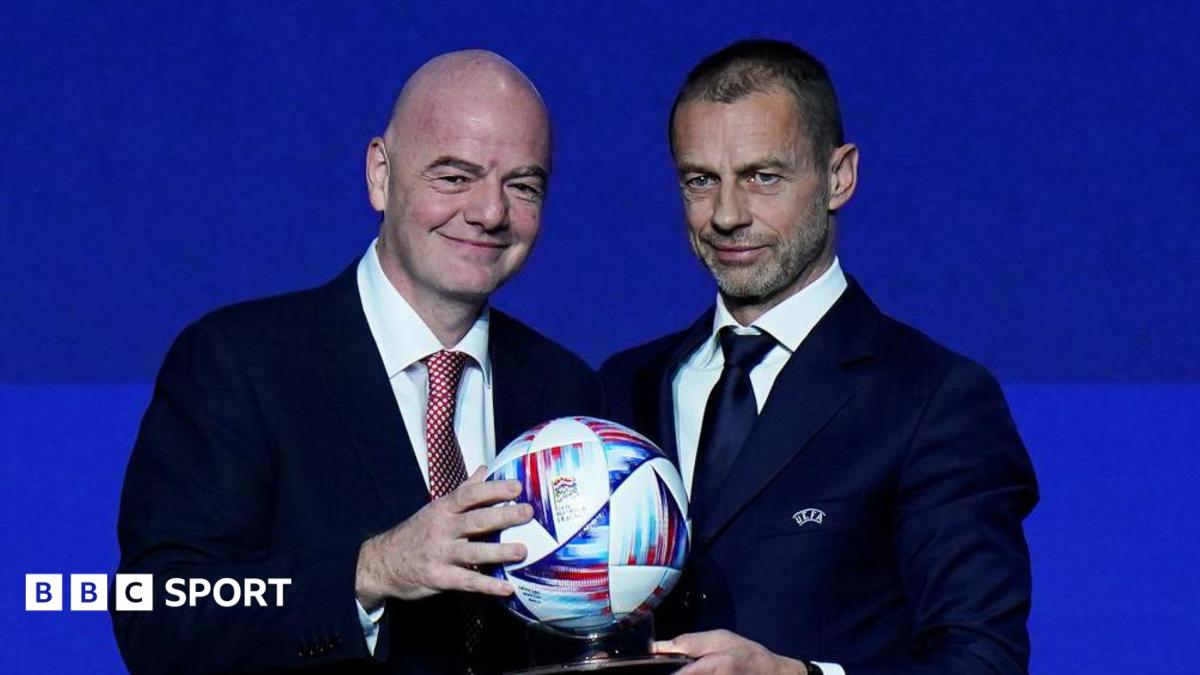
UEFA, CONCACAF, and AFC signed a landmark three-page joint letter on Monday blasting Infantino's failed commercial deal as a breach of trust. As noted in their three-page document, the associations pulled no punches.
"There is silence where there should be accountability, distance where there should be openness."
Uniting Europe, Asia, and North America under one letter united three distinct voting blocs against Zurich. The document argued Infantino acted as if football answered to him rather than serving as its elected custodian.
This ranks third because combining three major confederations destroyed FIFA's divide-and-rule strategy. Seeing European, Asian, and American leaders sign a single aggressive manifesto signaled unprecedented institutional unity.
2. Donald Trump's Truth Social Intervention
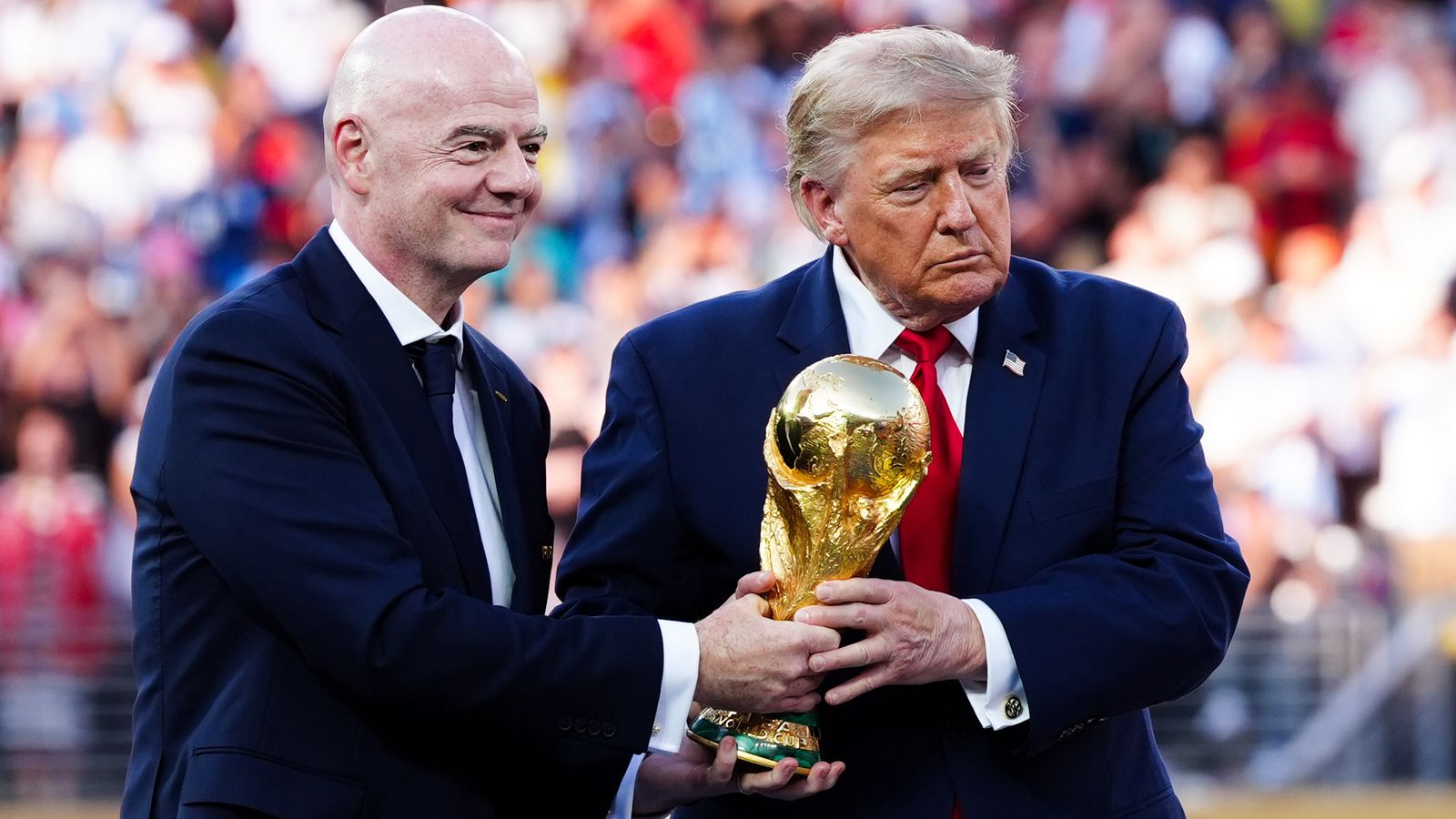
US President Donald Trump injected raw geopolitical weight into the crisis early Tuesday, posting on Truth Social that removing Infantino would be a costly error. Trump claimed Infantino led the most successful World Cup by four times ever presented.
"FIFA would be making a terrible mistake if, for any reason, they even considered replacing president Gianni Infantino."
Political intervention of this scale in FIFA internal governance is almost unheard of. Trump's ringing endorsement gave Infantino powerful backing from the White House just as European federations pushed for his removal.
Sitting second, Trump's post turned a football administrative war into a high-stakes diplomatic standoff. It complicates UEFA's endgame by aligning Infantino with American political leadership.
1. The Continental Alliance Mutiny
The absolute top moment in this crisis is the historic, multi-continental revolt against Infantino's leadership. Seeing UEFA, CONCACAF, and AFC publicly reject his commercial strategy marked a total collapse of authority.
For years, FIFA presidents maintained power by keeping continental confederations divided. Infantino's World Cup privatization plan did the impossible: it forced traditional rivals to build a unified defensive front against Zurich.
This takes the top spot because it fundamentally alters how global football will be governed moving forward. Infantino may control many of the 211 member associations across smaller nations, but governing without Europe, Asia, and North America is impossible. It is the defining shift in modern sports politics.
Honorable Mentions
While the top ten moments captured global headlines, several secondary developments shaped this executive standoff behind closed doors.
- The African Football Confederation maintaining strategic silence during the Morocco meetings to preserve maximum political influence.
- FIFA's legal department issuing aggressive pushback statements directly attacking media reporting standards.
- European broadcast executives quietly reviewing contract clauses in case UEFA carries out its competition boycott threat.