A big summer for... Tottenham Hotspur
🎧 Listen to Original Episode →1. Executive Overview: Core Theses & Key Revelations
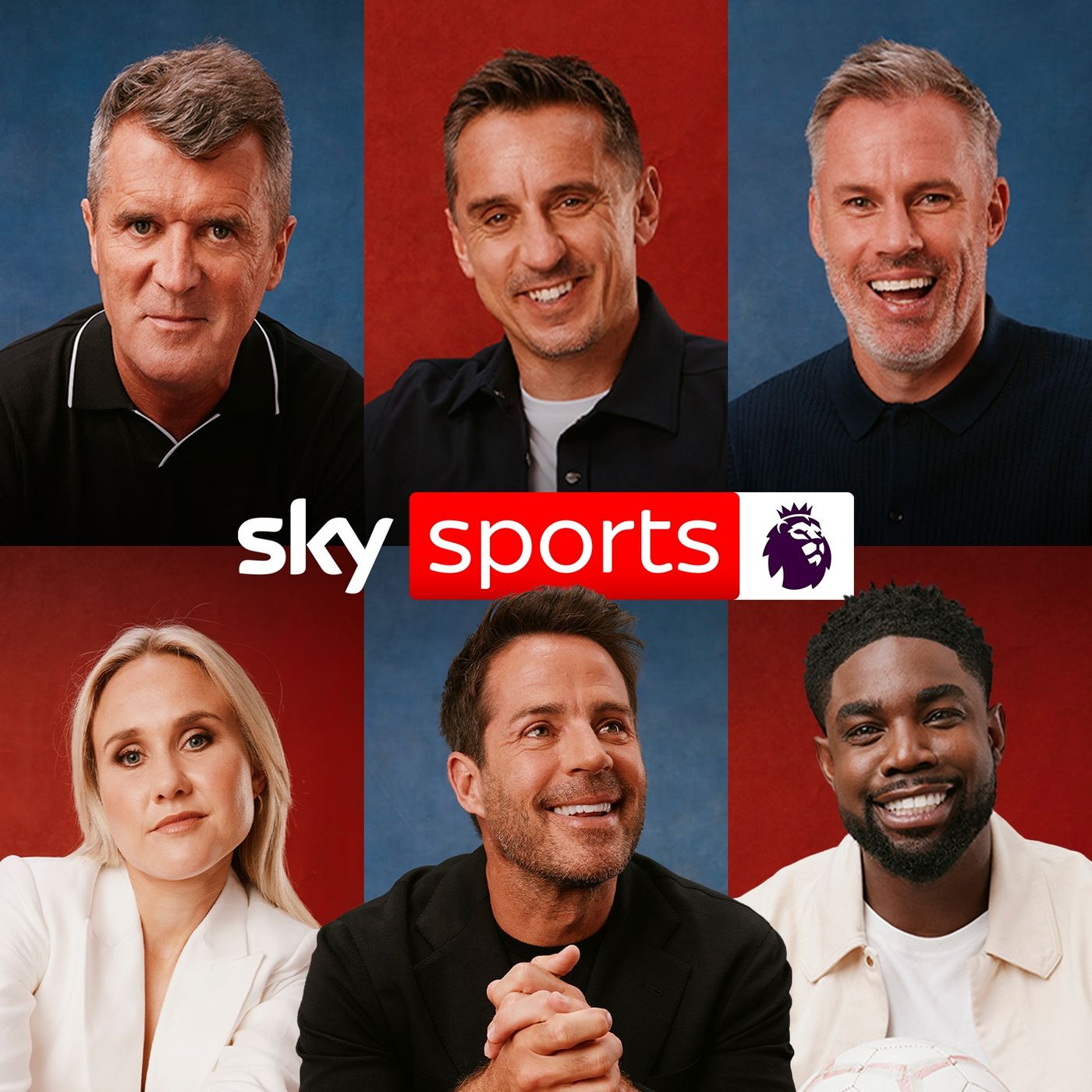
The summer window in North London has reached a decisive inflection point. Following a traumatizing campaign in which Tottenham Hotspur escaped Premier League relegation on the final day of the season—salvaging a harrowing 17th-place finish through a rare clean sheet and isolated moments of individual quality—the club has initiated a root-and-branch structural reset. The recent edition of the Sky Sports Premier League Podcast, hosted by Ron Walker alongside Sky Sports reporter Michael Bridge, senior football news editor Lyle Thomas, and former Spurs midfielder Jamie O'Hara, provides an authoritative window into a club attempting to engineer a rapid operational transition under head coach Roberto De Zerbi.
The discussion exposes several foundational theses detailing Tottenham's immediate trajectory, financial recalibration, and squad evolution:
- The Post-Survival Financial Aggression: Tottenham blitzed the opening phase of the transfer market, deploying over £230 million to secure marquee midfield and defensive assets including Sandro Tonali, Mateus Fernandes, Jan Paul van Hecke, Marcos Senesi, and Liverpool veteran Andy Robertson. However, an abrupt four-week lull in incoming activity has highlighted a classic market bottleneck as the club shifts its focus to high-stakes forward line acquisitions.
- The Wage-Structure Paradigm Shift: Under De Zerbi, Spurs have abandoned their historical self-imposed wage ceilings. Lyle Thomas revealed that Tottenham are now actively competing at elite wage thresholds alongside traditional top-four heavyweights, completely altering their profile in the European transfer market from speculative talent hoarders to destination buyers for finished, prime-age talent.
- The Romero Leadership Crisis and Imminent Exit: Michael Bridge delivered a scathing indictment of club captain Cristian Romero. Citing public Instagram complaints regarding his employers and an unauthorized trip to train with a local club in Argentina on the eve of a match against Everton, Bridge confirmed that Romero's tenure has hit an absolute wall. The expected departure of Romero leaves a leadership vacuum that the club must immediately backfill.
- The Armband Contenders and Cultural Reset: With Romero outbound, De Zerbi faces a pivotal decision regarding the captaincy. While James Maddison remains the media favorite, Micky van de Ven’s major contract extension, Andy Robertson’s seasoned leadership credentials, and Archie Gray’s surprise preseason captaincy against Getafe signal a broader, multi-tiered leadership group designed to eliminate past dressing room toxicity.
- The Attack-Line Bottleneck: While the defensive and central midfield foundations have been drastically reinforced, the front line remains vulnerable. Persistent ankle injuries to Dominic Solanke, ongoing uncertainty surrounding Richarlison’s fitness and squad role, and a clear ceiling on Mathys Tel have forced Spurs back into the market for a high-ceiling left winger—setting off an intense debate between Jamie O'Hara’s push for Manchester United’s Marcus Rashford and Lyle Thomas’s endorsement of Paris Saint-Germain’s Bradley Barcola.
- The Expectation Calibration: A sharp divide exists regarding realistic campaign benchmarks. Jamie O'Hara rejected Champions League rhetoric, arguing that back-to-back 17th-place finishes require a realistic target of 60 to 65 points and a top-eight finish (securing Europa or Conference League qualification). Conversely, Bridge and Thomas contend that a clear single-match-per-week domestic schedule, combined with elite recruitment, demands an immediate assault on the top six, alongside a mandatory push for domestic cup silverware to end a 35-year FA Cup drought dating back to 1991.
2. Context & Background: The Landscape Leading to This Conversation
To fully grasp the weight of the revelations shared during the Sky Sports Premier League Podcast, one must contextualize the severe institutional distress that preceded this summer's transfer window. Tottenham Hotspur's back-to-back 17th-place Premier League finishes represented an unprecedented drop for a club possessing state-of-the-art stadium infrastructure and standard-bearing commercial revenues. The prior campaign was characterized by tactical dogmatism, defensive fragility, and a dressing room atmosphere that O'Hara described as deeply compromised, with players leaving fans to demand formal apologies for months of underperformance.
The appointment of Roberto De Zerbi as head coach marked a decisive break from previous tactical ideologies. De Zerbi’s philosophy—rooted in intricate buildup mechanics, positional fluidity, extreme press-resistance, and high-tempo wing play—demanded a complete audit of the existing squad architecture. Players who thrived under low-block systems or transitional chaos suddenly found themselves surplus to requirements. The board recognized that to avert systemic collapse and operational stagnation, they had to grant De Zerbi both financial firepower and administrative authority.
Consequently, Spurs moved swiftly in June, committing excess of £230 million. The acquisitions of Sandro Tonali from Newcastle United and Mateus Fernandes from West Ham United signaled an immediate intent to construct an elite central pivot capable of dominating possession tempo under pressure. The addition of Jan Paul van Hecke provided De Zerbi with a ball-playing center-back familiar with high-line positional demands, while Andy Robertson was targeted specifically to inject title-winning standards into a fragile backline.
However, as host Ron Walker noted, the early momentum hit an inevitable pause by mid-summer. Transfer windows at the highest level operate like complex real estate chains: clubs must frequently await major outward sales or domestic dominos before finalizing secondary acquisitions. With the Premier League kickoff against Brentford looming on August 22, Tottenham find themselves in a tense holding pattern, balancing high-profile outgoings with the urgent necessity of completing their forward line overhaul.
3. Deep-Dive Thematic Breakdown
3.1 Financial Restructuring & The Wage-Tier Paradigm Shift
For over a decade, Tottenham Hotspur’s transfer strategy was governed by strict internal financial controls. While rival clubs routinely breached the £200,000-per-week wage barrier to land world-class talent, Tottenham operated under rigid wage structures that frequently stymied negotiations for top-tier targets. The insights provided by Lyle Thomas highlight a fundamental transformation in Spurs' economic posture under the current executive leadership.
Thomas explicitly noted that Spurs are no longer merely "talking the talk" regarding ambition; they are actively "walking the walk" by competing at wage thresholds previously reserved for Manchester City, Arsenal, and Chelsea. This structural escalation is evident in their ability to convince Sandro Tonali and Mateus Fernandes to join the project despite lacking European football this season. By offering competitive, top-tier compensation packages, Tottenham have re-entered the primary market for established international talent.
This financial shift was put to the test during Jamie O'Hara’s passionate defense of a potential move for Manchester United forward Marcus Rashford. O'Hara argued that despite Rashford’s substantial £350,000-per-week wage package at Old Trafford, Tottenham should aggressively pursue the England international:
"I just don't know why we don't go for Marcus Rashford. I really think that Spurs should just go like, how much do you want? How much can we get him for? I just think he's still one of the best players around."
However, as Thomas and Bridge pointed out, integrating a £350,000-per-week contract presents severe structural challenges. Even under an expanded wage budget, introducing a single player on nearly double the club's highest existing pay tier risks destabilizing squad harmony and creating problematic precedent for future contract renewals. Nevertheless, the fact that Spurs are even discussed in connection with high-earning marquee assets underscores how dramatically their financial footprint has expanded.
3.2 Left-Wing Dilemmas & The Search for Modern Width
The primary tactical bottleneck facing De Zerbi’s squad construction lies on the left flank. In De Zerbi’s structural framework, wingers are not merely width-providers; they are primary isolation threats who must dominate 1v1 matchups, manipulate full-backs, and deliver consistent end-product. The podcast debate crystallized the differing operational philosophies surrounding how Spurs should solve this vacancy.
Lyle Thomas identified Paris Saint-Germain’s Bradley Barcola as the ideal tactical profile for Tottenham's system:
"If the Spurs want to go out and sign a top left winger, Bradley Barcola is the one for me."
Barcola represents the quintessential modern winger: explosive acceleration, exceptional touch under pressure, and elite decision-making in the final third. Signing a player of Barcola's caliber from PSG would require astronomical financial outlay, but it would instantly solve Tottenham’s long-standing deficit in high-volume, isolated wing play.
Beyond Barcola and Rashford, several alternative options were scrutinized by the panel:
- Savinho: The Manchester City winger has been heavily linked with Spurs for over a year. Bridge noted that Savinho routinely engages with Tottenham players on social media and harbors a strong desire to make the move to London. His ball retention and creative dribbling align neatly with De Zerbi’s requirements, though City’s valuation remains a hurdle.
- Cody Gakpo: While Gakpo possesses undeniable technical quality, O'Hara expressed skepticism regarding his clinical efficiency, noting that the Liverpool forward "needs four or five chances to score one." In a side rebuilding its attacking consistency, low conversion rates could severely limit tactical fluidity.
- Xavi Simons & Mohammed Kudus: Both players offer versatile options capable of operating either centrally as a primary 10 or wide on the flanks. Kudus, in particular, was highlighted by Bridge as a potential dual-role winger who proved his Premier League durability during his tenure at West Ham.
- Mathys Tel: O'Hara dismissed the notion that young forward Mathys Tel is ready to carry the primary attacking burden, stating plainly that while Tel is a promising prospect, "he ain't the answer" for a club seeking immediate top-four re-entry.
3.3 Tactical Architecture Under De Zerbi & The Ideal Starting XI
De Zerbi’s arrival requires a complete tactical reorganization, transitioning Tottenham from a reactive, counter-attacking shape into a dominant, possession-oriented 4-2-3-1 that transforms into a 3-2-5 structure during buildup phases. Michael Bridge and Lyle Thomas systematically mapped out what De Zerbi’s strongest, fully fit starting eleven would look like following the summer additions.
| Position | Primary Starter | Key Tactical Role & System Profile | Depth / Rotation Options |
|---|---|---|---|
| Goalkeeper | Anton Kinsky | High-line sweeping, press-resistant short passing, buildup initiator. | Guglielmo Vicario |
| Right-Back | Pedro Porro | Inverted midfielder during buildup, high-volume wide crossing. | Djed Spence / Archie Gray |
| Center-Back (Right) | Jan Paul van Hecke | Vertical line-breaking passing, physical aerial coverage in high line. | Marcos Senesi |
| Center-Back (Left) | Micky van de Ven | Elite recovery pace, ball-carrying out of defence, duel dominance. | Marcos Senesi / Ben Davies |
| Left-Back | Andy Robertson | Overlapping width, elite cross delivery, seasoned defensive leadership. | Destiny Udogie (Injured) |
| Central Pivot (Right) | Sandro Tonali | Deep-lying playmaker, tempo controller, defensive transition anchor. | Rodrigo Bentancur |
| Central Pivot (Left) | Mateus Fernandes | Dynamic box-to-box ball-carrier, press-breaker, defensive coverage. | Conor Gallagher |
| Right Winger | Dejan Kulusevski | Inside cutting creator, physical ball retention, final-third assist provider. | Mohammed Kudus |
| Attacking Midfielder (10) | James Maddison | Primary creative hub, set-piece specialist, half-space threat. | Xavi Simons / Dejan Kulusevski |
| Left Winger | Marquee Target (Barcola / Rashford) | 1v1 isolation dribbler, vertical penetrator, primary back-post scorer. | Xavi Simons / Mathys Tel |
| Central Striker | Dominic Solanke | Pressing focal point, aerial hold-up play, central box finisher. | Richarlison |
The tactical friction point in this setup remains the left-back and left-wing pairing. While Destiny Udogie possesses elite physical athleticism, Bridge expressed serious concern regarding Udogie’s persistent muscle injuries, firmly selecting Andy Robertson as the reliable, match-tested starter. In midfield, the pairing of Tonali and Fernandes provides De Zerbi with the ideal balance of technical composure and athletic mobility, effectively solving the mid-block stagnation that plagued Spurs throughout the previous two campaigns.
3.4 Captaincy Crisis, Player Conduct, and Dressing Room Culture
A central revelation of the podcast episode was the total breakdown in the relationship between Tottenham Hotspur and current club captain Cristian Romero. Michael Bridge offered a sharp, unvarnished critique of Romero's recent behavior, emphasizing that the defender’s actions have rendered his continued presence at the club completely untenable:
"It is the right time. There's no debate about it, it is the right time [for Christian Romero to leave]. You can't keep putting on Instagram your dissatisfaction with your employers. I was at a press conference on the Friday before the Everton game... and one of the questions was about Romero going to watch a team in Argentina and training there. I'm thinking this is so wrong. This shouldn't be about a player who is not playing Sunday."
Romero’s public social media grievances and unauthorized travel to Argentina on the eve of a pivotal Premier League fixture represented a severe breach of professional conduct. For De Zerbi, establishing tactical discipline requires absolute cultural alignment off the pitch. Sanctioning Romero's departure is viewed not as a tactical loss, but as a necessary purification of the dressing room atmosphere.
The impending departure of Romero opens a vital leadership void. Bridge and Thomas outlined the primary internal candidates vying for the captain's armband:
- James Maddison: The creative midfielder is widely regarded as the central figure in the squad's social dynamics. Maddison commands respect across the dressing room and possesses the media presence required of a modern Tottenham captain. However, his injury record remains a monitoring point for De Zerbi.
- Micky van de Ven: Having recently signed a lucrative long-term contract extension—despite winter rumors suggesting he was contemplating an exit due to the club's lack of direction—Van de Ven has re-committed his prime years to Spurs. His calm demeanor and elite on-pitch performances make him a natural cornerstone leader.
- Andy Robertson: Brought in from Liverpool specifically to address a severe leadership deficit, Robertson arrived with vice-captaincy experience under Jürgen Klopp. Thomas noted that Robertson was explicitly acquired to serve as an "anchoring point" and instil a ruthless winning mindset within a squad that had grown accustomed to non-performance.
- Archie Gray: In a revealing tactical experiment, De Zerbi handed the captain's armband to 18-year-old Archie Gray during a preseason fixture against Getafe, despite several senior international players being present on the pitch. De Zerbi’s willingness to entrust Gray with leadership duties signals his intent to cultivate a new generation of standards-setters.
3.5 Up Front Instability: Solanke, Richarlison, and the Domestic Cup Mandate
The forward line represents Tottenham's most fragile operational unit. The panel expressed deep concern over the physical reliability of both Dominic Solanke and Richarlison. Solanke, acquired for a substantial fee from Bournemouth, suffered another ankle injury during preseason, severely hampering his ability to build rhythm under De Zerbi. Richarlison’s situation is equally complex: despite public declarations of his commitment to London, reports persist that he is exploring options elsewhere to preserve his starting status as Brazil’s number nine ahead of international tournaments.
Michael Bridge emphasized that relying on either striker carries immense risk, forcing Spurs to consider external market opportunities before the window closes:
"I'd love to say you can [rely on Richarlison and Solanke], I'd love to say you can say that about Destiny Udogie, but unfortunately you can't. Hopefully we can keep them off the treatment table this season."
This physical fragility up front directly impacts Tottenham’s domestic cup ambitions. Possessing a clean mid-week schedule due to their absence from European competition, Spurs have a rare strategic window to target domestic silverware. Michael Bridge delivered a passionate rallying cry regarding the club's abysmal historical record in the FA Cup, branding their 35-year drought an absolute institutional failing:
"They've not won the FA Cup since 1991. That is a disgrace. Tottenham Hotspur love the FA Cup, the fans love the FA Cup. I expect to see a strong-ish side when they play."
With Pep Guardiola and other top-four managers routinely prioritizing squad rotation during early cup rounds, De Zerbi has a prime opportunity to field full-strength lineups in the FA Cup and Carabao Cup. Winning domestic silverware would not only snap a multi-decade trophy drought but would validate the club's massive £230 million summer expenditure.
4. Speaker Perspectives & Analytical Contrast
The narrative tension within the podcast episode stems from the distinct analytical frameworks brought by each participant. Examining these perspectives exposes how media figures, club insiders, and former players evaluate Tottenham’s high-stakes rebuilding process.
Jamie O'Hara (The Unfiltered Realist): O'Hara’s analysis is heavily colored by the psychological trauma of back-to-back 17th-place finishes. He repeatedly urges fans and media to abandon "Champions League delusions," emphasizing that a club that barely survived relegation cannot realistically expect to leapfrog established elite setups. O'Hara champions aggressive star recruitment—demonstrated by his pursuit of Marcus Rashford—and defines a successful season as securing 60 to 65 points and a top-eight finish. For O'Hara, establishing operational stability and re-entering European football (even via the Europa Conference League) takes precedence over short-term cup runs.
Michael Bridge (The Institutional Insider): Bridge approaches the conversation through the lens of dressing room culture, accountability, and fan connection. He is unsparing in his assessment of player misconduct, leading the charge against Cristian Romero’s unprofessionalism while demanding an immediate cultural reset. Bridge is acutely aware of the club’s historical weight, labeling the 35-year FA Cup drought a disgrace and demanding that De Zerbi field full-strength teams in domestic cup competitions. Financially pragmatic, Bridge views a top-six finish as the non-negotiable benchmark for De Zerbi’s debut campaign.
Lyle Thomas (The Strategic & Financial Analyst): Thomas offers a macroeconomic perspective, focusing on market dynamics, wage structures, and tactical mechanics. He was the first to highlight Spurs' structural evolution into top-tier wage spenders, arguing that their financial commitment demands top-four ambitions. Thomas views transfer dealings through the lens of market dominoes, identifying Bradley Barcola as the transformative left-wing asset required to elevate De Zerbi’s system to elite European efficiency.
| Analytical Dimension | Jamie O'Hara (Ex-Player / Analyst) | Michael Bridge (Sky Sports Reporter) | Lyle Thomas (Senior Football Editor) |
|---|---|---|---|
| League Target Expectation | Top 8 (60–65 Points, Europa / Conference) | Top 6 (5th to 7th Place) | Top 4 Challenge (If Attack Finalized) |
| Marquee Left-Wing Preference | Marcus Rashford (Manchester United) | Savinho / Cody Gakpo / Proved Premier Talent | Bradley Barcola (Paris Saint-Germain) |
| Romero Situation Assessment | Dressing room distraction; needs replacing | Unacceptable conduct; right time to sell | Operational necessity to finalize transfer |
| Domestic Cup Stance | Secondary to league points restoration | Mandatory priority; 35-year drought is a disgrace | Vital avenue for immediate silverware validation |
| Primary Tactical Concern | Clinical conversion & forward efficiency | Injury durability (Solanke, Udogie, Richarlison) | Market completion & positional depth balance |
5. Strategic & Industry Implications
The developments surrounding Tottenham Hotspur carry profound strategic implications for the broader Premier League ecosystem. Spurs' aggressive £230 million outlay, combined with their willingness to breach traditional wage barriers, signals a shifting competitive dynamic among England's elite clubs.
First, Tottenham’s absence from European football creates a significant physical advantage in domestic competition. Modern European football calendars—expanded by revamped UEFA Champions League and Europa League formats—inflict immense physical strain on squad depth. By operating on a clean single-match-per-week schedule, De Zerbi can conduct comprehensive tactical preparation on the training pitch while maintaining peak physical conditioning. As Michael Bridge noted, clubs like Newcastle United and Chelsea previously leveraged a season out of Europe to secure rapid top-four returns; Tottenham are positioning themselves to replicate that exact trajectory.
Second, Spurs' financial maneuverability highlights the growing importance of infrastructure-driven revenue under Profitability and Sustainability Rules (PSR). While rival clubs face severe PSR constraints that restrict summer spending, Tottenham’s record-breaking matchday and commercial revenues generated by the Tottenham Hotspur Stadium have created vast PSR headroom. This financial buffer allows Spurs to absorb high transfer fees and expanding wage bills without risking regulatory sanctions, effectively weaponizing their stadium infrastructure to outspend direct rivals during market transitions.
Finally, the pressure on Roberto De Zerbi is unprecedented. Having earned widespread acclaim for his tactical innovation at Brighton & Hove Albion, De Zerbi is now entrusted with managing a top-tier wage budget and navigating the intense scrutiny of a North London media environment. De Zerbi’s ability to manage high-profile personalities, resolve the captaincy crisis, and integrate £230 million worth of new talent will serve as a defining case study in whether mid-table tactical visionaries can successfully transition to elite club management.
6. Looking Ahead: Unresolved Questions & Next Milestones
As the August 22 Premier League opener against Brentford approaches, Tottenham Hotspur stand at a crossroads. The initial wave of £230 million investment has established a formidable defensive and central midfield core, but several high-stakes questions remain unanswered before the transfer window closes:
- The Left-Wing Resolution: Will executive leadership meet Paris Saint-Germain’s valuation for Bradley Barcola, sanction a high-risk wage package for Marcus Rashford, or finalize a deal for Savinho? Failure to secure an elite left winger will leave De Zerbi’s attacking system structurally asymmetrical.
- The Romero Exit and Armband Announcement: Finalizing Cristian Romero’s departure is essential to establishing off-pitch discipline. De Zerbi must formally announce his new captain and leadership council, setting the cultural standard for the upcoming campaign.
- Striker Fitness and Depth Management: With Dominic Solanke recovering from an ankle injury and Richarlison’s future uncertain, Spurs must decide whether to enter the market for additional central striker coverage or rely on internal rotational solutions.
- Domestic Cup Commitment: De Zerbi’s early team selections in the Carabao Cup and FA Cup third round will reveal whether Tottenham are genuinely committed to snapping their 35-year FA Cup drought.
If Tottenham can complete their attacking recruitment and maintain squad durability, a return to European football and a deep run at domestic silverware are well within reach. However, if structural bottlenecks persist up front, the ghost of back-to-back 17th-place finishes will continue to hover over North London. The coming weeks will reveal whether this £230 million reset signals the dawn of a new era or merely another chapter in Tottenham's turbulent modern history.
💬 Key Quotes & Speaker Breakdown
Transfer rumors
"I just don't know why we don't go for Marcus Rashford. I really think that Spurs should just go like, how much do you want? How much can we get him for? I just think he's still one of the best players around."
Transfer news
"It is the right time. There's no debate about it, it is the right time [for Christian Romero to leave]. You can't keep putting on Instagram your dissatisfaction with your employers."
Player conduct
"I was at a press conference on the Friday before the Everton game... and one of the questions was about Romero going to watch a team in Argentina and training there. I'm thinking this is so wrong. This shouldn't be about a player who is not playing Sunday."
Transfer strategy
"They're competing on the wages level now with the top clubs, they're competing for the kind of transfer targets that the top clubs do. So they've got to be looking to compete at the top of the table."
Premier League expectations
"Forget Champions League. No, we ain't getting in the Champions League, there's no way that's happening and we're not good enough."
"I think they should be aiming for top six. I think they've got an excellent head coach. They've recruited well so far and not being in Europe is going to be key for this football club."
"If they do that and the conditions are right, we could see them in the sort of top four, top six."
Transfer targets
"If the Spurs want to go out and sign a top left winger, Bradley Barcola is the one for me."
Player fitness
"I'd love to say you can [rely on Richarlison and Solanke], I'd love to say you can say that about Destiny Udogie, but unfortunately you can't. Hopefully we can keep them off the treatment table this season."
Club ambition
"They've not won the FA Cup since 1991. That is a disgrace. Tottenham Hotspur love the FA Cup, the fans love the FA Cup. I expect to see a strong-ish side when they play."