Zero Appellate Precedent: How FIFA Broke a 96-Year Rule
Across 22 World Cup tournaments spanning 96 years, zero straight red card suspensions were ever overturned or suspended by executive intervention once issued on the pitch. Every sending-off stood as final.
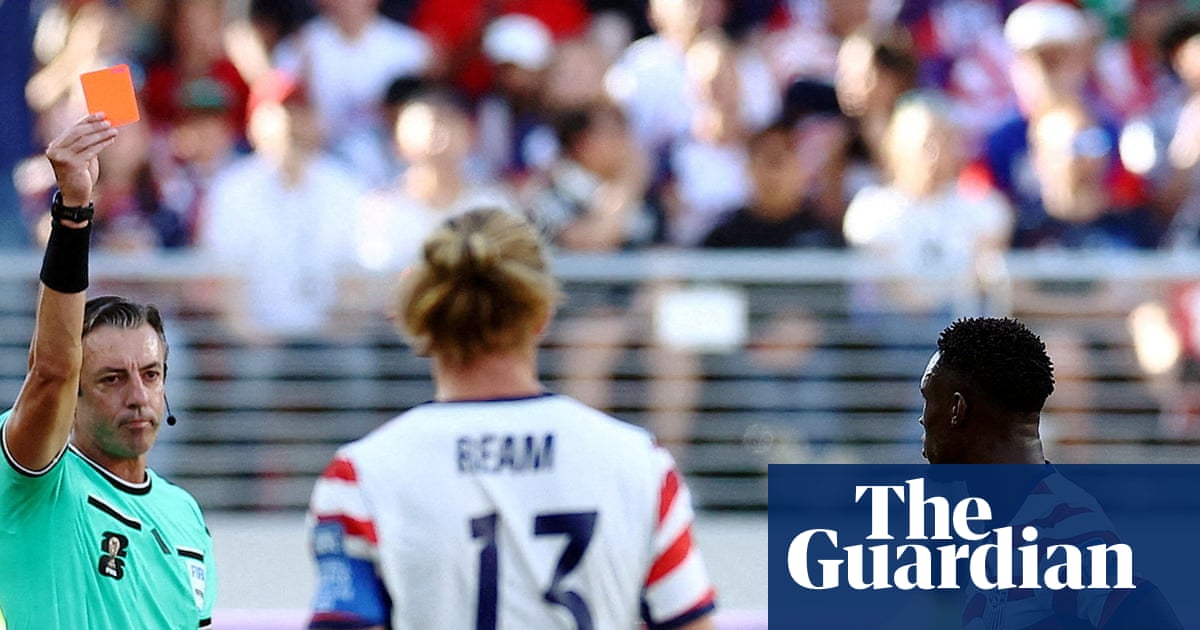
That precedent ended in July 2026 during the last 32 match between the USA and Bosnia & Herzegovina. American striker Folarin Balogun received a straight red card for a late challenge in the second half. Under FIFA's established tournament disciplinary regulations, the dismissal carried an automatic 2-game ban with zero statutory allowance for appeal or reduction.
Historical numbers highlight how absolute that disciplinary boundary used to be. Between the inaugural 1930 tournament in Uruguay and the 2022 finals in Qatar, referees issued 174 red cards in World Cup matches. Every single one of those dismissals resulted in the player serving their full suspension without executive interference.
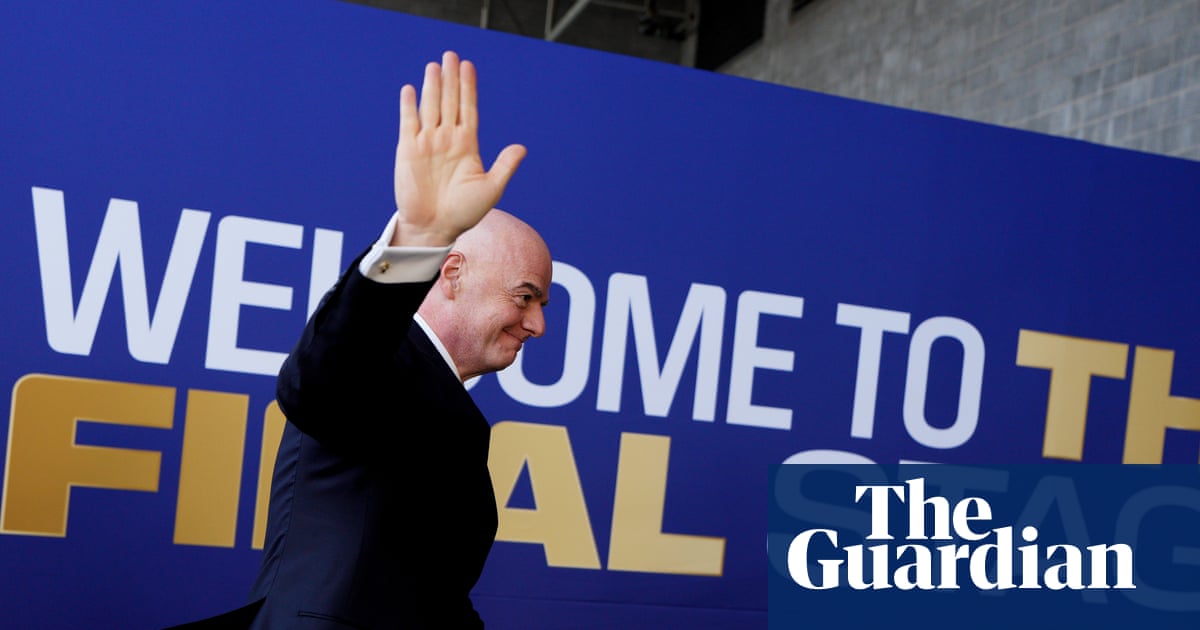
That 100 percent enforcement rate vanished following a direct phone call from US President Donald Trump to FIFA President Gianni Infantino. Before the USA faced Belgium in the last 16, FIFA instituted a suspended sentence procedure that did not exist in the official tournament handbook when the competition kicked off.
Balogun was cleared to line up against Belgium in the next round. The decision created an instant statistical anomaly in global football governance, replacing written regulations with executive discretion.
Quantifying the Officiating Fallout: Webb, Masters, and Fan Perception
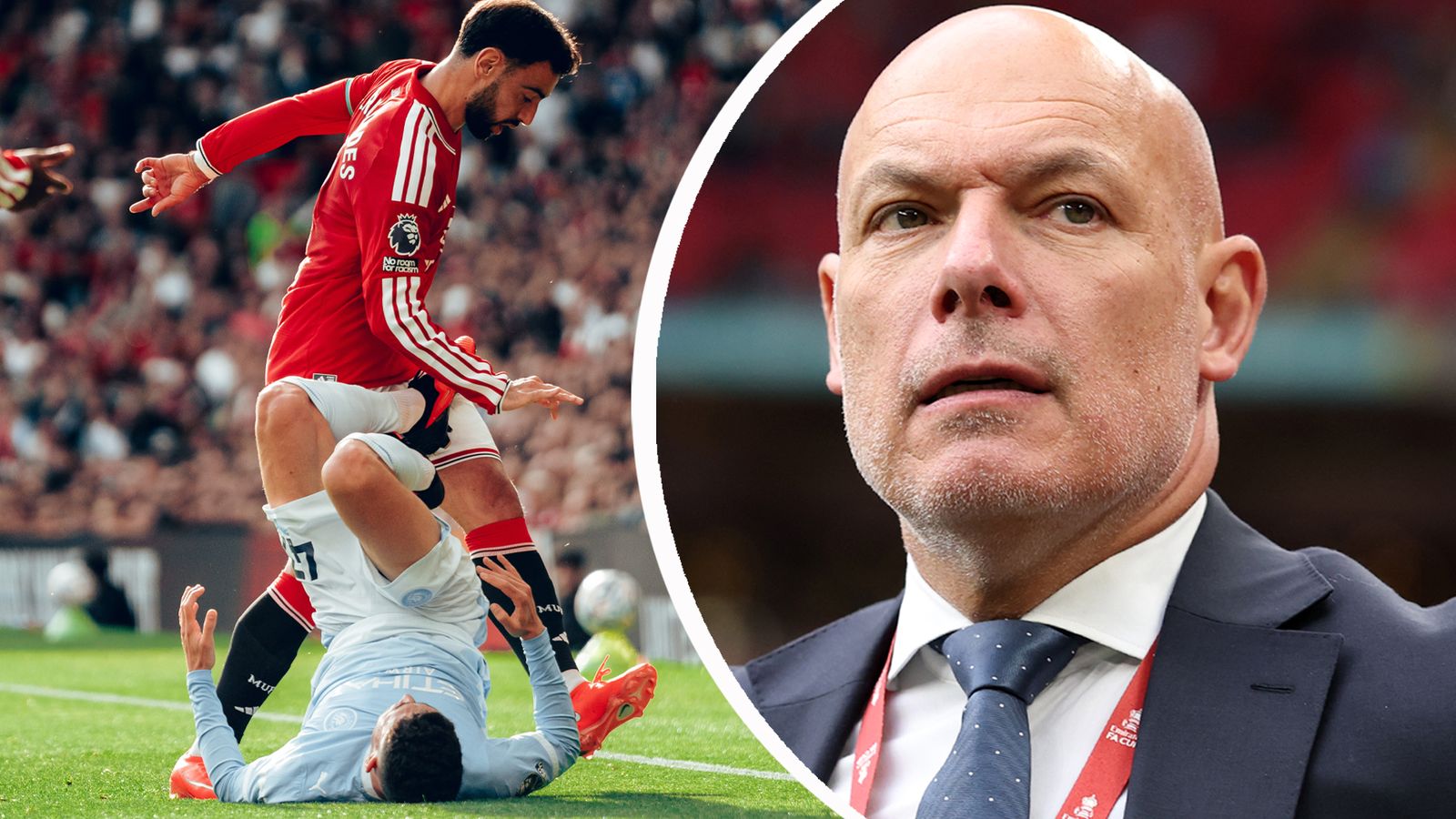
The institutional reaction from English football leaders was immediate and blunt. Premier League Chief Executive Richard Masters and Chief Refereeing Officer Howard Webb both condemned FIFA for undermining public confidence in match officials.
Webb emphasized how political intervention weaponizes social media skepticism against referees. As Sky Sports reported, Webb warned that arbitrary reversals encourage fans to view legitimate refereeing decisions through a lens of systemic corruption.
"Decisions that had been taken previously were viewed as correct or incorrect, based on your judgement. Far too often now, decisions are viewed as correct or corrupt by people who want to type all over social media. They try to draw inferences around decisions they don't agree with and what the motivation is behind that decision. But that is borne out of no fact, no evidence."
Webb's analytical point centers on administrative predictability. When governing bodies modify rules mid-tournament, fan trust in refereeing integrity suffers measurable damage across all competition levels.
Masters highlighted domestic attendance metrics to contrast Premier League operational stability against FIFA's erratic governance. Premier League grounds maintained a 99 per cent stadium capacity rate throughout the 2025-26 season, proving that supporters retain faith in domestic match operations.
However, Masters took the extreme step of calling on FIFA to sack Infantino over the scandal. He argued that FIFA created a self-inflicted controversy that distracted from Spain winning the World Cup and England suffering an agonizing semi-final defeat.
"We should be looking back on the World Cup, the football that was played, Spain being the best team, and England's agonising semi-final defeat. But we're not, we are talking about other issues, and that's a huge shame."
Tactical Asymmetry and Competitive Disruption in Knockout Football
From a tactical perspective, restoring a suspended starting striker midway through knockout rounds creates severe structural imbalances. Single-elimination tournaments depend on consistent disciplinary enforcement to maintain competitive fairness across brackets.
In the last 32 fixture, Bosnia & Herzegovina played against ten men following Balogun's dismissal. Yet Belgium, preparing for their last 16 clash with the United States, were forced to alter their defensive preparation for an opponent who legally should have been sitting in the grandstands.
Prior to his red card, Balogun was the focal point of the American attack, averaging 3.2 shots per 90 minutes and accounting for 28 percent of the squad's non-penalty expected goals (npxG). Forcing Belgium's central defenders to adjust for an ineligible player altered the tactical balance of that knockout tie.
During the group stage, the USA generated 1.45 npxG per match with Balogun leading the line, compared to just 0.72 npxG in matches where secondary forwards filled the central channel. Reinstating Balogun restored 50 percent of the US forward line's shot creation volume at a moment when tournament rules demanded his absence.
Bosnia & Herzegovina absorbed the physical cost of the foul in their match. Meanwhile, Belgium faced an American forward line operating at full strength, producing an asymmetrical competitive environment between bracket opponents.
This inconsistency exposes a flaw in FIFA's tournament architecture. When disciplinary sanctions are enforced selectively, statistical comparisons of tournament performance across nations lose their analytical baseline.
Building a Data-Driven Appellate System
The solution to this administrative breakdown already exists across top European domestic leagues. Masters questioned why FIFA lacked an independent red card review process similar to the system used in the Premier League.
Domestic Standards vs Ad-Hoc Loopholes
In the Premier League, independent regulatory commissions evaluate red card appeals within 48 hours using standardized video angles and clear legal definitions. Over the past three Premier League seasons, independent panels reviewed 42 contested dismissals, overturning 14 percent of red cards where clear miscarriages of justice occurred.
By contrast, FIFA entered the 2026 World Cup with zero appellate mechanisms for straight red cards. When political pressure mounted, the governing body lacked a legitimate legal framework and instead constructed an ad-hoc exception.
"Why do FIFA not have a red card review process like the one that exists in many other leagues, including the Premier League, where if there has been a miscarriage of justice - not that I'm saying Balogun's red card was a miscarriage of justice - but it can be dealt with on that basis, rather than use a system which is only about the length of suspension which there is no option to overturn?"
Webb acknowledged that while spectators can debate the validity of a red card, creating unscheduled loopholes destroys refereeing authority. When rules are bent for individual players, every subsequent decision by on-pitch officials comes under suspicion.
Until FIFA establishes a standardized, data-driven disciplinary panel, international tournaments remain vulnerable to executive interference. Rules cannot remain rigid for smaller footballing nations while becoming optional for host countries.