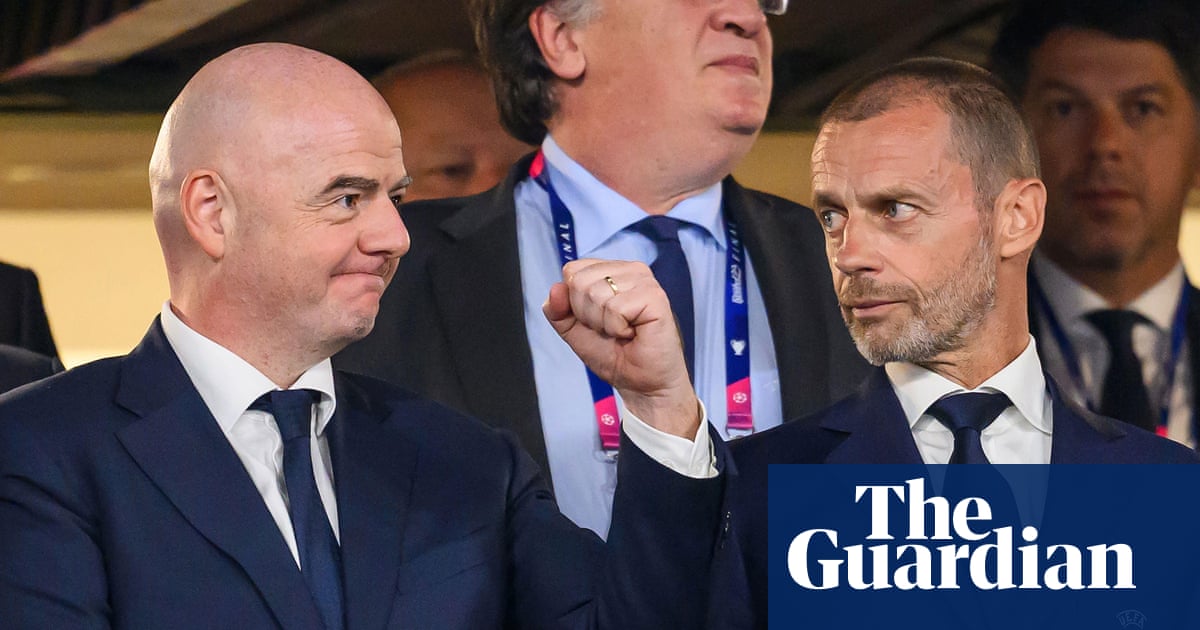
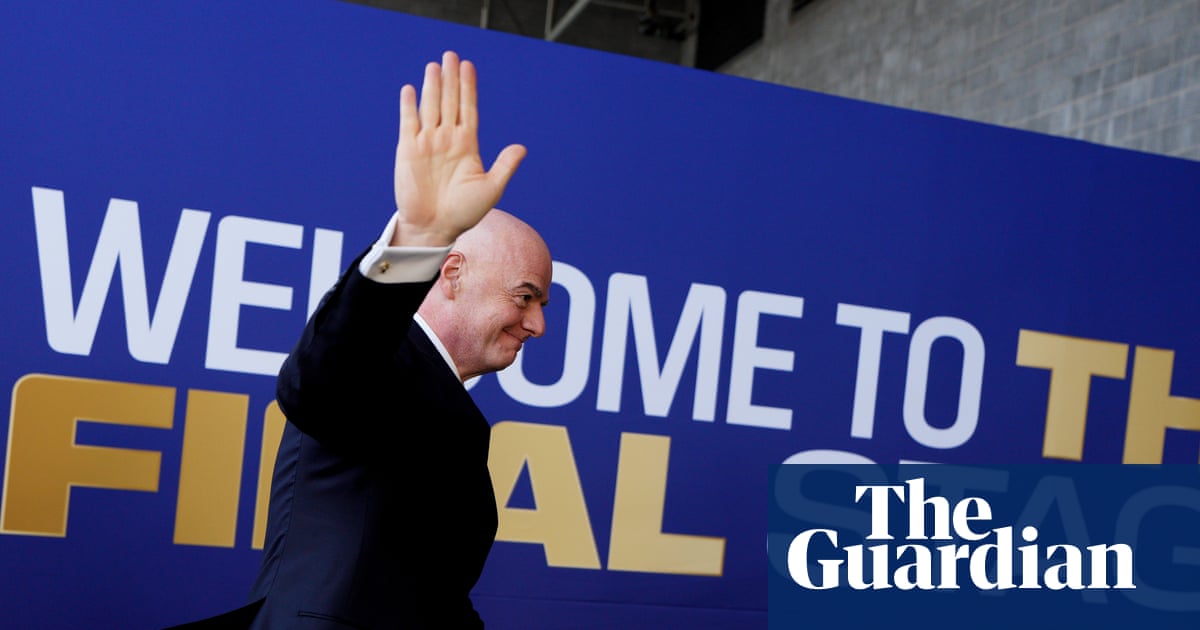
The Cash-Grab Circus Built by Gianni Infantino
Gianni Infantino looked at the pristine 32-team World Cup format—the undisputed crown jewel of international sports—and decided it needed the Fast & Furious treatment. Why stop at a tight, high-stakes tournament when you can inflate the bracket into a 104-match television marathon?
The decision to jump from 32 to 48 nations was never about expanding the global reach of the beautiful game. It was about printing broadcast rights cash and securing voting blocs across FIFA's 211 member associations.
When you allow two-thirds of the entire field to advance past the opening round, you are not elevating athletic competition. You are running a bloated participation seminar with overpriced stadium seats and endless commercial breaks.
Remember when FIFA initially proposed 16 groups of 3 teams? They almost stumbled into a collusion catastrophe that would make the 1982 Disgrace of Gijón between West Germany and Austria look subtle. Panicking at the obvious risk of match-fixing, they pivoted to 12 groups of 4 and unleashed an endless content monster.
How Group Stage Tension Was Formally Executed
Remember when the final matchday of the World Cup group stage was the most stressful three hours of your sporting calendar? In Qatar back in 2022, we watched Germany disintegrate in real-time while Spain frantically calculated live goal differences on the bench.
That raw, panic-inducing drama was systematically drained out of the tournament this summer. Under the expanded setup, finishing third in your group was no longer a devastating ticket home.
Two out of every three third-place teams snagged a golden ticket to the knockout rounds. That meant a heavyweight nation could stumble through three matches with just 3 points and a negative goal difference, yet still march comfortably into the next round.
We saw this flaw back at the 1994 World Cup in the United States when Roberto Baggio's Italy squeezed out of Group E in third place with just 4 points before marching all the way to the final. FIFA looked at that historical anomaly and decided to make it the default tournament design.
Portugal proved the same point at Euro 2016 by drawing all three group games against modest opposition and somehow lifting the trophy. FIFA took that ridiculous safety net and applied it to the biggest sporting event on earth.
The stakes were so diluted during the opening fortnight that final group matches played out like low-tempo preseason friendlies. When a tame 0-0 draw guarantees both teams a spot in the Round of 32, nobody takes tactical risks.
The Underdog Mirage and Confederation Padding
Proponents of the 48-team format loved shouting about inclusion for smaller footballing nations. Giving guaranteed spots to nations like Uzbekistan, Curaçao, and Cape Verde certainly made for heartwarming viral videos during qualifying.
However, once the actual tournament kicked off in North America, the pitch reality hit like a cold bucket of water. Watching top-tier giants coast through 90 minutes against severely outmatched squads felt less like a World Cup and more like a domestic cup early-round mismatch.
Historic massacres like Hungary beating El Salvador 10-1 back in 1982 used to be rare historical anomalies. In this inflated structure, wide talent chasms became standard group-stage programming.
Confederation allocations were blown open, with Africa jumping to 9 direct spots and Asia grabbing 8. Yet despite the extra slots, the deep knockout rounds were still dominated by the usual European and South American juggernauts.
The illusion of global parity crumbled quickly once the group stage concluded. Smaller nations got their moment in the sun, but mostly served as broadcast fodder for the revenue machine.
The Round of 32 Saved the Tournament From Itself
If the group stage felt like three hours of Monday Night Raw filler before a pay-per-view, the brand-new Round of 32 turned into complete, unhinged sports entertainment. Adding a 32-team single-elimination round transformed the knockout tree into a survival horror video game.
Heavyweights could no longer rely on squad rotation or rest key starters. Surviving four consecutive knockout matches just to reach the final meant every mistake was instantly fatal.
Underdog squads who sneaked in through the third-place backdoor played with absolute house money. They threw aggressive high presses at exhausted favorites who had already burned through their energy reserves during the group slog.
Watching a gassed contender try to defend a counter-attack in the 89th minute of a fifth tournament match was pure, unadulterated drama. The format gave us two weeks of boring group play, but it delivered a knockout gauntlet that rivaled a WWE Royal Rumble.
The Physical and Environmental Logistics Nightmare
We need to discuss the brutal physical toll forced upon players by dragging 48 teams across an entire continent. Asking athletes to play up to eight matches in 35 days while flying between Vancouver, Dallas, Mexico City, and Miami was sport science insanity.
Bouncing between indoor domes in Texas and sweltering open-air heat in the American South shattered player endurance. By the quarter-final stage, hamstring injuries and cramp breaks were occurring every six minutes.
FIFA happily pocketed over $11 billion in total commercial revenue from this summer spectacle. Ticket prices in New York and Los Angeles spiked past $1,200 for basic group games, pricing out real supporters in favor of corporate influencers.
Yet money could not buy fresh legs for midfielders who had already logged 60 club appearances before landing in North America. Star players returning to Real Madrid and Manchester City were left facing severe burnout before the European season even re-opened.
The overall quality of play in the semi-finals visibly dropped because human bodies simply hit a physical wall. Tactical fluidity was replaced by desperate low blocks and players praying for penalty shootouts.
Where International Football Goes From Here
The 48-team World Cup is not an experimental trial; it is our permanent reality going forward. Fans must accept that the tournament has been split into two entirely different products.
The first two weeks serve as a casual, low-stakes TV backdrop while you order sports bar wings or run errands. The actual high-voltage World Cup does not begin until 32 teams are thrown into the single-elimination meat grinder.
France 98 gave us a legendary 32-team format where every single match felt like life or death. Gianni Infantino sacrificed those razor-thin margins to build the ultimate content engine.
It is bigger, louder, and richer than anything we have seen before, but the classic group stage urgency is gone forever.
We will all still watch every single match because our addiction to international football is incurable. Just do not let FIFA executives gaslight you into believing this expansion was done for the love of the game.
Read Next
- FIFA's Balogun U-Turn Proves Football's Rulebook Is Broken
- FIFA just fired the one guy who stopped Gianni Infantino's cash grab
- Algorithms amplified World Cup abuse against England stars, report finds
- Senegal turn to Patrick Vieira after World Cup meltdown and AFCON legal mess
- 🏆 World Cup 2026 — Full Coverage Hub