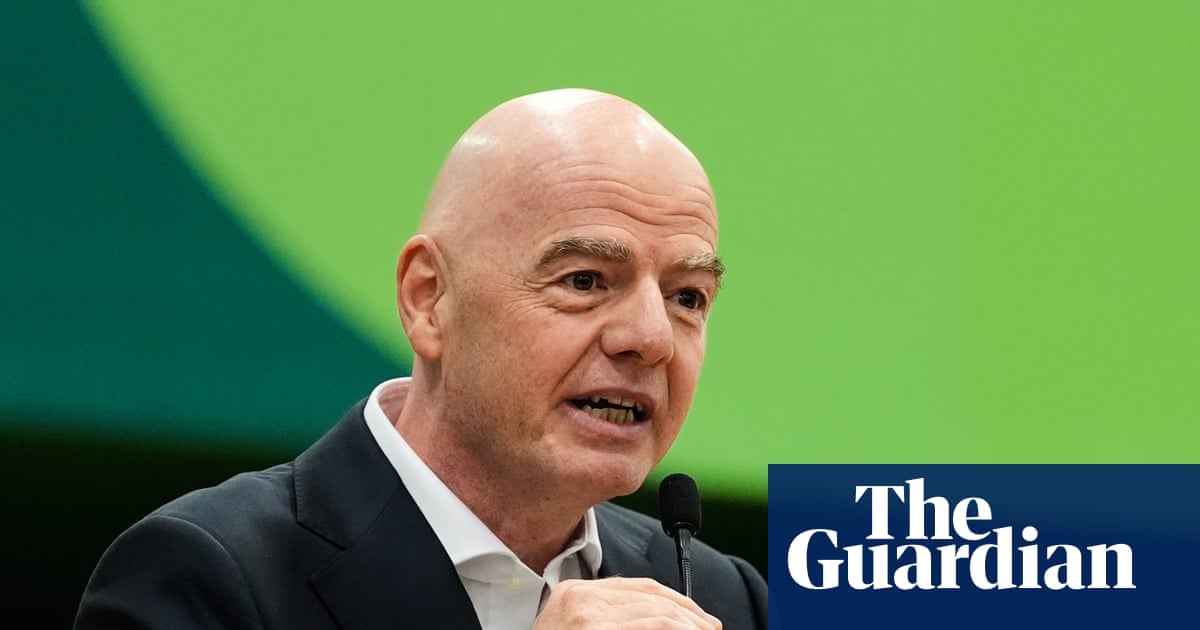
Infantino’s frantic diplomatic salvage operation
Gianni Infantino is currently operating in survival mode. The FIFA president spent the past week in Morocco holding closed-door crisis talks in Rabat. These sessions with senior officials are a desperate attempt to shore up a crumbling power base that has seen significant erosion over the last twelve months.
The optics of these meetings reveal a leader trying to outrun his own shadow. Following his time in North Africa, Infantino is reportedly scheduled to head to South America. He needs Conmebol’s backing to keep his administration afloat. This is no longer about expanding tournaments; it is about keeping his own seat at the table.
The internal pressure mounting at FIFA
The resistance against the executive wing is no longer a fringe movement. As Luís Figo and other stakeholders have publicly vocalized, the calls for a change in leadership are getting louder. The institutional friction is becoming unsustainable.
This is a significant departure from the stability Infanto enjoyed during the early stages of his tenure. The organization is currently grappling with the consequences of its own aggressive overreach. The internal consensus that once kept dissent under wraps has effectively evaporated.
Tactical maneuvers in Rabat
Infantino chose Morocco for a reason. Securing support from the Confederation of African Football (CAF) has historically been the cornerstone of any successful FIFA presidential campaign. By spending a full week in Rabat, Infantino is attempting to consolidate his strongest remaining voting bloc.
However, the strategy is inherently flawed. Relying on traditional patronage networks in the face of modern governance failures rarely ends well. If he fails to secure a unified front from Conmebol this week, the calls for his resignation will likely reach a point of no return.
Critical failure: Transparency and accountability
The most damning indictment of the current regime is the lack of genuine reform regarding executive oversight. While the president focuses on building alliances in foreign capitals, the core issues of transparency remain unaddressed. FIFA’s reputation is suffering in real time, and the refusal to acknowledge these systemic flaws is a glaring error.
The organization’s tendency to prioritize geopolitical maneuvering over structural governance is a failure of leadership. Football fans are rightfully fatigued by the constant off-field drama. The focus should be on the sport, yet the administration is preoccupied with the looming uncertainty of Infantino’s future.
Timeline of the current volatility
The instability reached a fever pitch over the last 48 hours. Wednesday’s talks in Rabat were intended to project strength, but they have instead highlighted the depth of the divide. The move to South America is a classic defensive pivot, but the margins are razor-thin.
If the 2026 calendar serves as any indication, the upcoming months will decide the path forward for global football governance. Infantino is currently fighting a war on two fronts: internal dissent and external pressure from influential former players. Neither front appears to be yielding, leaving the presidency at its most vulnerable state since 2016.
What the Conmebol meeting represents
The upcoming visit to South America is the ultimate litmus test. If the leadership in CONMEBOL chooses to distance itself from the current FIFA executive, the support in Africa will quickly become irrelevant. The domino effect is a real risk for Infantino.
History suggests that once a FIFA president loses control of the regional federations, the exit is usually swift and final. Infantino is counting on the hope that his personal relationships are stronger than the collective frustration of the national associations. It is a massive gamble.
Summary of the power shift
The current situation is defined by a complete lack of public trust. Regardless of the outcome of these meetings, the authority of the office has been fundamentally weakened. Any potential successor will have a monumental task in repairing the damage done to the organization’s reputation.
We are watching a slow-motion dismantling of the status quo. Whether Infantino can stall the momentum of his critics remains the most significant plotline in sports politics right now. The pressure isn't just mounting; it is peaking.