The Salzburg Emergency Room
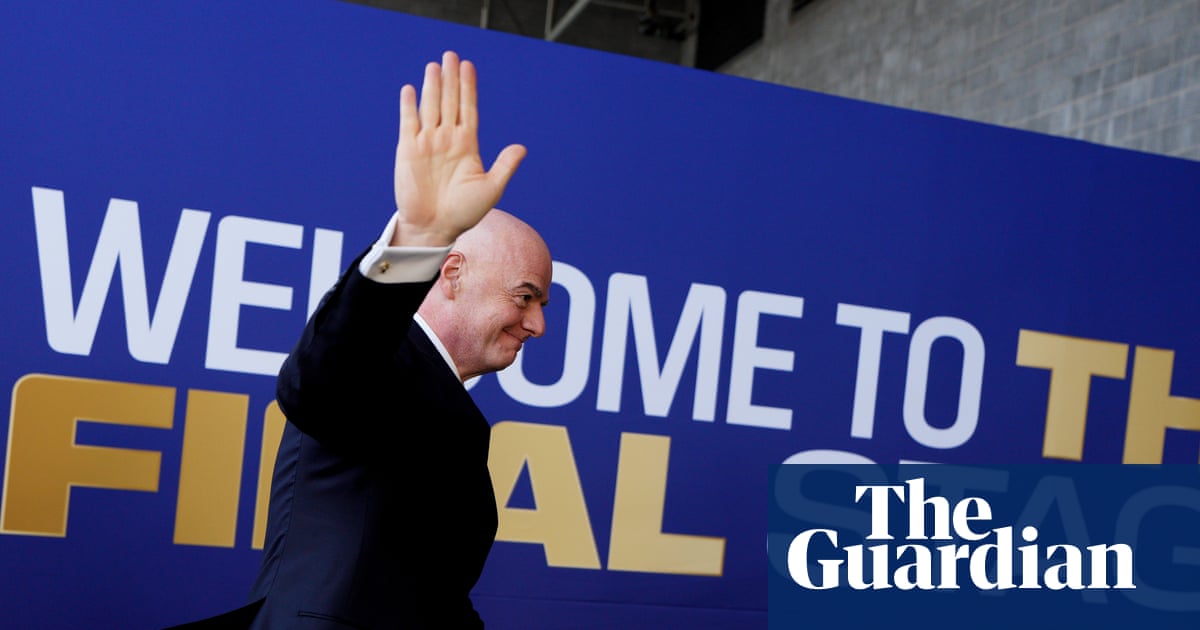
Senior figures from European and international football are gathering in Austria ahead of Wednesday's UEFA Super Cup final. What was intended as a routine pre-season showcase in Salzburg has transformed into an emergency summit for FIFA's most powerful opponents.
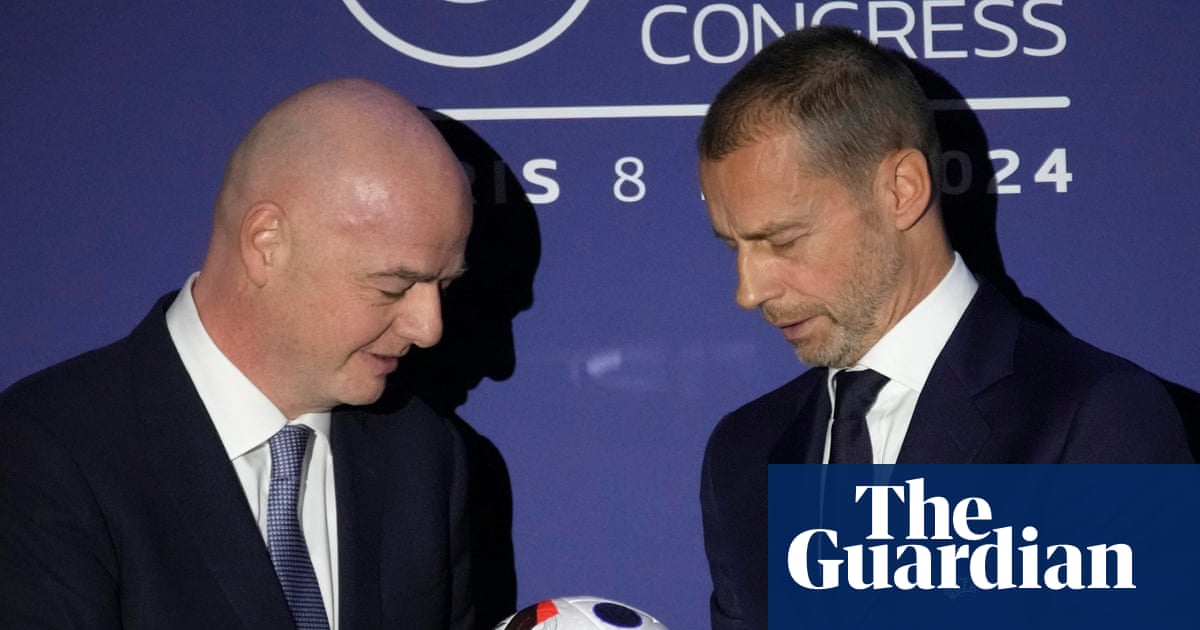
Aleksander Ceferin and Victor Montagliani are leading a tri-confederation coalition alongside leadership from the Asian Football Confederation. They have stopped asking Gianni Infantino for polite explanations regarding how global football is administered. The immediate catalyst was the public announcement two weeks ago that Zurich plans to sell off a 21% stake in the FIFA World Cup.
That commercial proposal, combined with the unresolved FIFA Forward Enterprise scandal, shattered what remained of the working relationship between Zurich and Nyon. For 10 years, Infantino has managed member associations through a system of patronage built on discretionary cash allocations. That system is now meeting unified resistance from three continents.
Ceferin is scheduled to hold talks with Nasser al-Khelaifi, chairman of European Football Clubs, over the next forty-eight hours in Salzburg. Their objective is to unite Europe's top clubs and federations into an unyielding defensive block. If Infantino refuses to engage, this coalition possesses the financial backing to split world football down the middle.
Pressing High on FIFA's Centralized Power
The rebel confederations have abandoned passive diplomatic complaints in favor of an aggressive high press. When FIFA ignored repeated requests from UEFA, Concacaf, and the AFC for an independent governance review, the three bodies took action into their own hands. They are now drafting a clean-sheet policy document designed to redefine the exact structure, purpose, and limits of the global governing body.
This document is far more than routine press-release posturing. The coalition is building an operational blueprint that could be adopted by a challenger at next year's FIFA presidential election or deployed as the foundation for a permanent breakaway organisation.
On Monday, the three confederations issued a joint statement demanding a fundamental shift in how football is governed. They called for:
"leadership that serves football, not seeks to command it"
The wording was a direct attack on Infantino's centralized authority. It signaled that traditional confederation voting blocs will no longer take directives from Zurich without consultation.
Victor Montagliani has emerged as the point man for this opposition movement. As reported by The Guardian, the Concacaf president is widely viewed as the most credible challenger to Infantino in 2027. Montagliani insists his immediate focus remains his own regional re-election next year, but his political influence is visible across this joint initiative.
Monday's joint statement directly reflected themes from Montagliani's address at the FIFA congress earlier this year in Vancouver. During that speech, the Canadian executive delivered a clear warning to Zurich:
"Let me be frank, leadership is not about power."
That principle has now become the central message for an alliance representing over half the planet's footballing population. According to officials familiar with the discussions, the coalition has been authorized to ask foundational questions about how global football should function.
War Over the $5bn War Chest
At the heart of this dispute lies control over global capital distribution. FIFA currently sits on estimated cash reserves of $5bn (£3.7bn), accumulated over a decade of expanded tournament formats and broadcast deals. The rebel confederations argue these reserves belong to the broader game rather than serving as political capital for Zurich.
The proposed policy framework aims to eliminate Infantino's ability to allocate funding based on political loyalty. Instead, the rebel confederations are promoting three mandatory governance reforms:
- Strict independent auditing of all commercial asset sales and broadcasting rights deals.
- Formulaic financial distribution models tied directly to verified regional development projects.
- Legally binding guarantees preventing unilateral commercial decisions by the FIFA presidency.
For a decade, Infantino operated on the calculation that European and American administrators would never maintain a common strategy. By bringing Concacaf and the AFC into a shared coalition, Ceferin has effectively countered Zurich's traditional divide-and-rule strategy. The three confederations command the most lucrative domestic leagues, the primary broadcast markets, and the vast majority of international stars.
Without European, North American, and Asian participation, any tournament Zurich attempts to stage becomes commercially hollow. Zurich holds the bank accounts, but the regional confederations control the teams and matches that generate revenue in the first place. That reality is framing every discussion taking place in Austria this week.
The Cynical Edge of Confederation Politics
While the rebel leaders frame their campaign as a defense of institutional integrity, their methods deserve sharp scrutiny. UEFA's willingness to use young players as bargaining chips in a financial dispute is deeply questionable. Threatening to boycott next month's Under-20 Women's World Cup punishes teenage athletes who have spent years preparing for their international debut.
Penalizing young female footballers to force concessions on Infantino's commercial plans reveals the cold pragmatism guiding Nyon's decision-making. Principles take a back seat when multi-billion-dollar commercial rights are on the line.
Furthermore, Ceferin's close alignment with Nasser al-Khelaifi introduces clear conflicts of interest. Al-Khelaifi chairs European Football Clubs while simultaneously serving as president of Paris Saint-Germain, a club backed by Qatari state wealth. Criticizing Zurich's system of patronage while coordinating policy behind closed doors with state-backed club executives exposes the double standards within Nyon's coalition.
Montagliani is also executing a carefully calculated political strategy. By framing his focus entirely on Concacaf while co-authoring a global policy manifesto, he minimizes personal risk while testing Infantino's vulnerability. If the revolt succeeds, he steps forward as the natural successor; if it falters, he maintains plausible deniability.
Breakaway Logistics and New Competitions
The Salzburg meetings are not limited to drafting governance papers. Preliminary discussions have already begun regarding the logistics of organizing alternative international competitions outside FIFA's jurisdiction.
As discussions detailed by source reporting reveal, the three confederations are evaluating competition schedules that could replace FIFA tournaments entirely if the current standoff persists. If Zurich refuses to establish an independent review, the rebel framework will serve as a ready-made template for an independent global structure.
Such a move would reduce FIFA to an administrative shell with capital reserves but no marquee product to broadcast. When federations and confederations act in unison, FIFA lacks the practical authority to discipline them without destroying its own broadcast and sponsorship agreements.
Regional confederations already manage their own major tournaments, including the European Championship, Gold Cup, and Asian Cup. They maintain direct contracts with commercial partners and host venues. Centralized administration in Zurich was essential decades ago, but modern regional bodies possess the capability to run international football independently.
Who Flinches First in Salzburg?
A quiet compromise is unlikely to emerge from Salzburg this week. Infantino has built his presidency on outmaneuvering rivals through backroom negotiations and targeted financial promises. But those tactics fail when facing a unified front of three major confederations.
FIFA cannot maintain a viable international calendar if European, North American, and Asian nations withdraw from its events. The moment European teams boycott the Under-20 Women's World Cup next month, the conflict reaches a point of no return. Commercial partners will demand contract renegotiations, and legal challenges will follow immediately.
Expect Infantino to attempt delay tactics in public while offering procedural concessions behind closed doors. However, Ceferin and Montagliani have taken too public a stance to accept minor adjustments. They are demanding legally binding assurances that unilateral asset sales will not recur, backed by an independent audit of FIFA's governance.
The most probable outcome is that the rebel coalition maintains its stance throughout the Salzburg meetings and forces FIFA into a public retreat before the end of August. Infantino will likely be compelled to freeze the 21% World Cup sell-off plan and submit to an independent review committee. If he refuses, 2026 will be remembered as the moment world football split into competing regional blocs, leaving Zurich isolated by its own overreach.