The Patient in Isolation
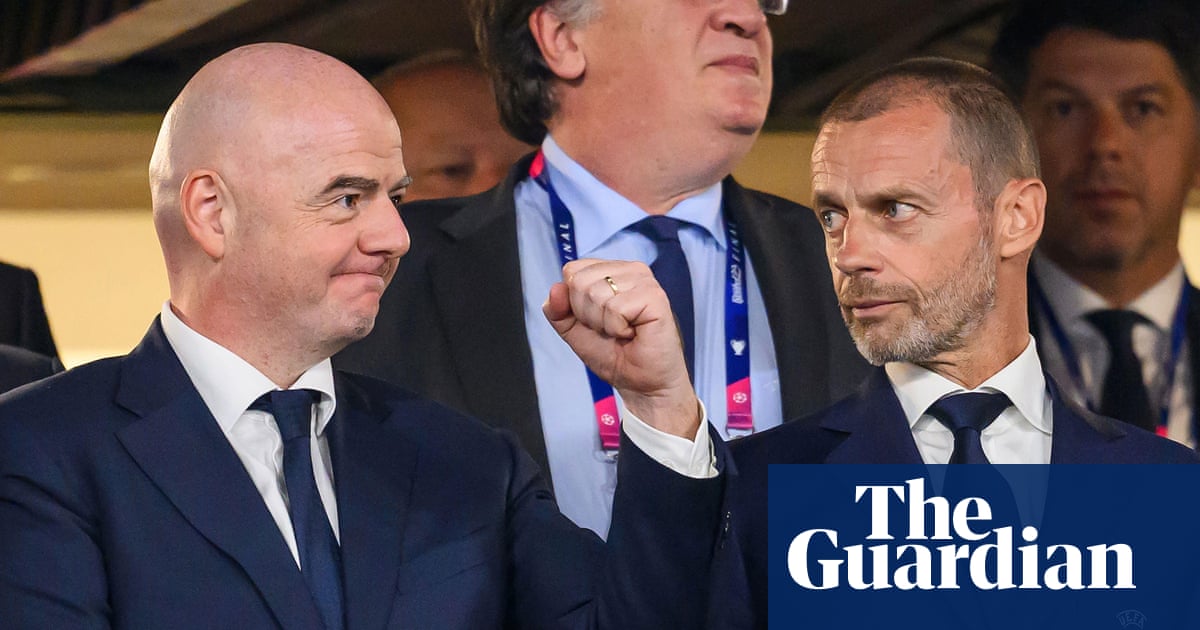
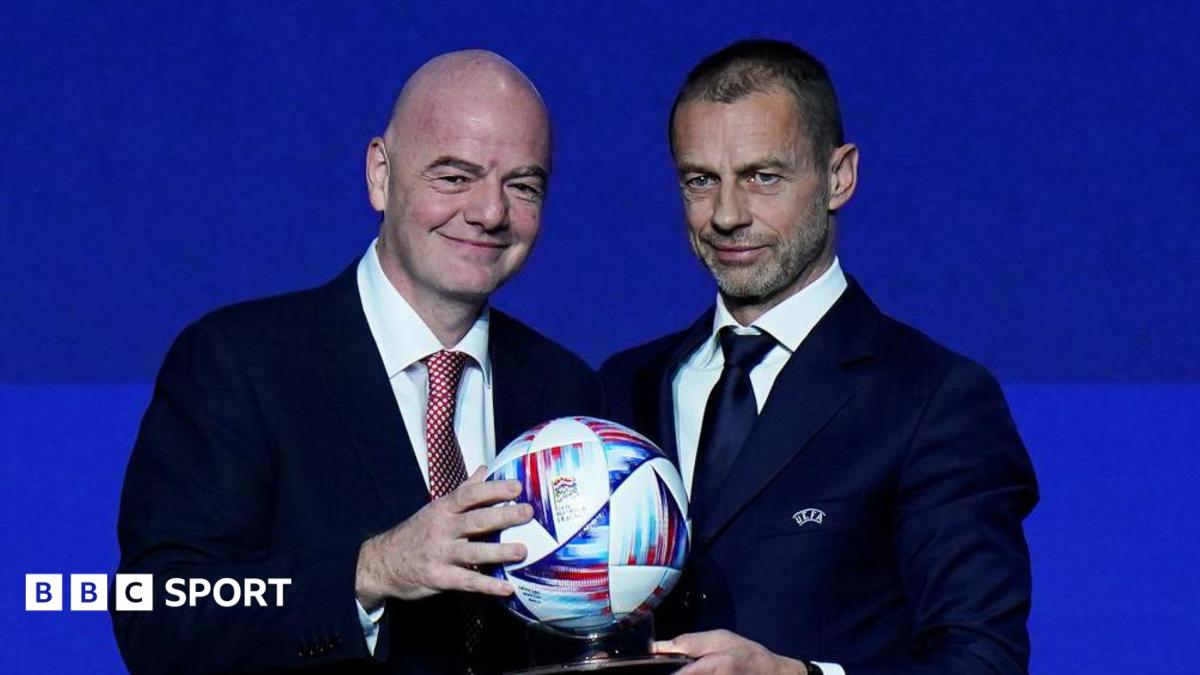
Gianni Infantino is bleeding political support fast. The 56-year-old FIFA president built his career on European backing, spending 16 years inside UEFA before taking the top job in world football. Now, that foundational support base has completely shattered.
The immediate damage comes from the collapse of FIFA Forward Enterprise (FFE). Infantino tried to carve out 21% of FIFA’s commercial and ticketing rights and sell it to a private investment company. European football drew a hard line, voting to boycott future World Cups until the proposal was scrapped.
FIFA pulled the plug on FFE earlier this month, but the institutional fallout is only escalating. UEFA members have formally declared a loss of confidence in Infantino. All four British home nations, alongside the Scottish FA six days ago, officially withdrew their backing.
Infantino has been uninvited from grassroots events, including a request one day ago to stay away from a youth tournament. For an executive whose power depends on international consensus, the room is getting cold very quickly.
Comparing FFE to the Super League
UEFA president Aleksander Ceferin went on The Rest is Politics podcast to deliver a blunt assessment of Infantino's commercial gamble. Ceferin framed the private equity sell-off not as a standard business move, but as a threat to football governance.
"I think this plan is even worse than the Super League plan," Ceferin stated. He pointed out that while twelve wealthy clubs tried to break away in April 2021, Infantino’s project was an attempt to privatize international football itself.
Ceferin added:
"Super important clubs wanted to do their own league, which is wrong, and would destroy football. But in this case, football would be literally sold."
The Slovenian administrator confirmed he learned about the FFE scheme through news reports while vacationing with his family. Infantino did not call him beforehand. He has not reached out since the collapse either.
Ceferin made it clear that European officials will not move past the betrayal:
"I'm absolutely sure that the plan is dead. It's hard to to imagine what kind of people would sell the sport that belongs to everyone. We will not allow that to happen."
The Global PR Tour and Political Alliances
Rather than repairing ties with European delegates, Infantino launched an international PR blitz. He visited the Dominican Republic on Saturday to meet Caribbean Football Union delegates. By Sunday, he was in Paris attending the E-Sports World Cup.
In Paris, Infantino shared space with French President Emmanuel Macron, Saudi Crown Prince Mohammed bin Salman, and Portugal forward Cristiano Ronaldo. The strategy is obvious. Infantino is attempting to rally non-European confederations to offset his European losses.
Ceferin called out this tactical shift directly. He noted that FIFA routinely paints Europe as arrogant and rich to curry favor with smaller nations. Yet Infantino himself rose through European football structures.
"They play on, you know, '[how] arrogant Europe is against us: They have enough money, but I help the small and the poor'," Ceferin remarked. "But I think someone should remind him that he is a European, and that he was supported by Uefa, which he forgot."
Ceferin’s critique hits at Infantino's core vulnerability. Infantino served 16 years at UEFA, including nine as general secretary. Turning against his original base leaves him reliant on volatile political allies.
The Trump Call and Disciplinary Integrity
The FFE fiasco is not the only issue damaging Infantino’s standing. Governance concerns flared during this summer's World Cup over a controversial disciplinary decision involving US striker Folarin Balogun.
Balogun received a red card suspension during tournament play. United States President Donald Trump revealed he personally called Infantino to demand the suspension be lifted. FIFA subsequently overturned the red card, allowing Balogun to feature in the last 16 defeat against Belgium.
Trump admitted to making the call, while Infantino publicly maintained the decision was made independently by governing bodies. Earlier this month, Trump doubled down, warning that removing Infantino from office would be a "terrible mistake."
Ceferin was scathing about the intervention. In his podcast interview, as reported by BBC Sport, Ceferin called the incident "more than shocking" for anyone who values standard football regulations.
"That was more than shocking. We have rules, and if you don't respect your own rules, then the game doesn't make any sense," Ceferin said. He pointed out the absurdity of a head of state taking credit for reversing a red card while FIFA claims independence.
"The president of a country says: 'I called him, and I told him to look at it.' And then the Fifa president says it was an independent decision," Ceferin observed. "I mean, for us as football fans, or for us as a governing body, that's shocking."
Strategic Outlook Heading to March 2027
The timing of this rupture creates a prolonged period of instability for FIFA leadership. The next FIFA Congress is scheduled for March 2027, where Infantino intends to run for a fourth term.
Speculation had circulated that Ceferin might challenge Infantino directly for the FIFA presidency. However, the 58-year-old Slovenian ruled out any run for the position.
Ceferin explained his refusal:
"I'm not interested because of two reasons. One reason is that I love Uefa and I love working here, and I think that at a certain point it's time also to enjoy life a bit. And the second point is, my credibility is much, much, much higher if I'm not interested in the position."
By staying at UEFA, Ceferin retains full control over his alliance. He can lead European opposition without being accused of pursuing a personal promotion. That makes the European bloc far more dangerous to Infantino’s survival.
Infantino’s immediate problem is structural. Selling off commercial rights was supposed to generate new capital for global distribution. With that revenue stream gone, Infantino must find new ways to satisfy member associations who expect financial payouts.
Navigating this crisis will require more than photo opportunities with world leaders and esports stars. Infantino spent over a decade building administrative networks across Europe. Burning those bridges leaves his administration exposed to continuous boycotts and legal challenges.
European football has shown it can shut down revenue proposals it dislikes. The Super League fell apart within days in April 2021. The FFE plan met the exact same fate this month.
If Infantino cannot rebuild trust before the election, his fourth term will be fought on hostile terrain. European associations hold the key competitions and revenue drivers. Running FIFA without European buy-in is a formula for perpetual gridlock.