
Why Germany's World Cup exit was a disaster of Nagelsmann's own making
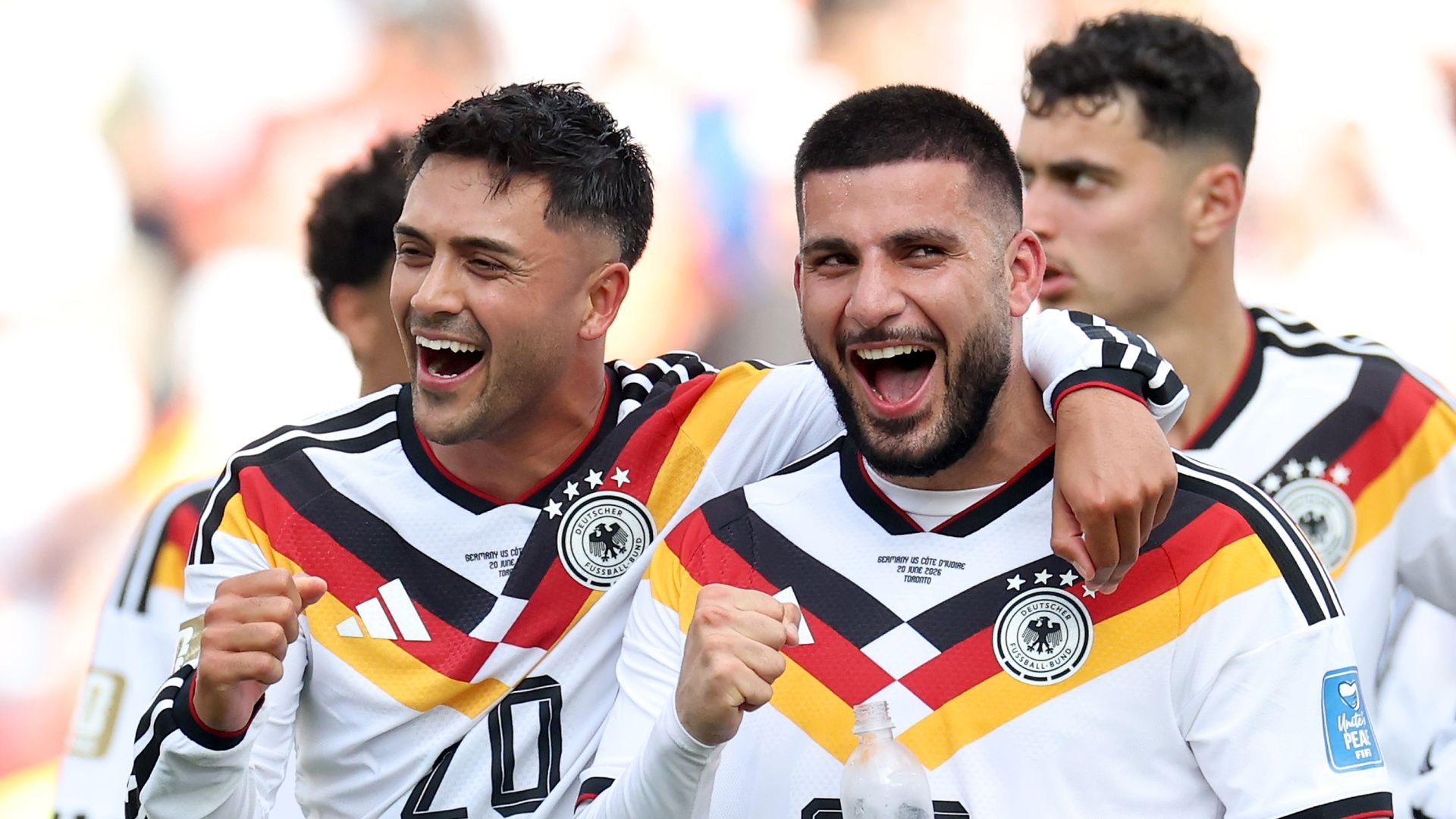
Possession in modern football is frequently a lie. You can pass the ball laterally until the Gillette Stadium turf wears thin, but without vertical penetration, you are simply constructing your own trap. Julian Nagelsmann's Germany fell headfirst into this tactical abyss in Foxborough.
Germany controlled the ball, registering 71% of the possession over 120 minutes of play. They passed, shifted, and recycled, creating a massive, unproductive U-shape around the Paraguayan defensive block. But possession without penetration is merely a slow death.
Gustavo Alfaro's Paraguay did not want the ball. They wanted the space behind Germany's advanced line, and they waited patiently for the structural errors they knew would come. The final scoreline of 1-1 after extra time was a triumph of defensive organization over possession obsession.
Germany's exit was not bad luck. It was a tactical failure.
Nagelsmann's Spatial Congestion and Selection Errors
The Failure of the Undav-Havertz Partnership
Nagelsmann's primary tactical gamble was the decision to start Deniz Undav alongside Kai Havertz. The logic was clear: introduce a secondary central threat to occupy Paraguay's center-backs and create space for the midfield runners. The reality, however, was a disaster of spatial congestion.
Both Undav and Havertz are natural space-interpreters who prefer to drop deep, link play, and drift into the half-spaces. Instead of stretching the opposition, they constantly occupied the same zones, dragging defenders into the very areas where Jamal Musiala and Florian Wirtz needed room to operate.
This congestion completely neutralized Germany's creative hub. Wirtz was forced into wide areas where he was easily doubled by Paraguay's wing-backs. Musiala found himself receiving the ball with his back to goal, instantly swarmed by Paraguay's defensive midfielders.
Without a genuine vertical threat to run behind the defensive line, Germany played entirely in front of Paraguay. Omar Alderete and Gustavo Gomez did not have to defend their own box against pacier runners. They simply stood their ground, winning header after header and clearing the ball with ease.
Germany's passing lacked the necessary tempo to disrupt a disciplined back five. The ball moved at a pedestrian pace, allowing Paraguay to slide their defensive blocks across the pitch with minimal exertion. It was a failure of coaching as much as execution, with Germany refusing to adapt their geometric patterns to counter a deep defense.
The Disappearance of Jamal Musiala
Jamal Musiala is Germany's primary tool for breaking low blocks. His ability to turn in tight spaces and dribble past defenders is unmatched. However, in Boston, Musiala was completely neutralized by the central crowding.
Every time he received the ball, he was met by three Paraguayan shirts. Without any width to pull defenders away, he had nowhere to go. His frustration was visible as he was forced to play safe, lateral passes.
He completed only one dribble in the entire match. For a player of his calibre, this statistic is a tactical catastrophe. Nagelsmann failed to create the conditions for his best player to succeed.
The Ineffective Midfield Pivot
Germany's double pivot also struggled to control the transition phases. Robert Andrich and Pascal Gross failed to protect the backline when Kimmich and Raum joined the attack. They were consistently caught out of position when Paraguay launched direct counters.
Gross in particular struggled with the pace of the Paraguayan runners. He was unable to cover the lateral spaces left open by the advancing full-backs. This left Tah and Rüdiger completely exposed in wide areas.
The lack of protection from the midfield was a recurring theme throughout the match. Paraguay's midfielders had too much time to pick their passes when transitioning. It was a fundamental structural flaw that Nagelsmann did not address.
Alfaro's Low Block and the Transitional Trap
Pressing Triggers and Compactness
The defensive shape employed by Alfaro was a masterclass in low-block execution. Paraguay lined up in a compact 5-4-1 structure that left no room between the lines. The distance between their defensive line and their midfield line rarely exceeded ten yards.
Paraguay's pressing triggers were highly specific. They did not waste energy pressing Germany's center-backs, Antonio Rüdiger and Jonathan Tah, who were allowed to pass the ball laterally without interference. Instead, the trigger was the vertical pass into the half-space.
The moment Andrich or Gross attempted to find Musiala or Wirtz between the lines, Paraguay's midfield pressed aggressively. Andres Cubas and Mathias Villasanti shut down the turn, forcing the ball backward or winning possession outright. It was a suffocating defensive web.
Let's look at the passing data from the first half:
- Germany completed 342 passes, but only 12 entered the penalty area.
- Paraguay completed 82 passes, but 9 of them triggered transitions.
- Germany's central attackers managed only one shot on target in the first 45 minutes.
The Enciso Strike
When you attack with ten players in the opposition half, your defensive transition must be flawless. Germany's transition was anything but. The opening goal in the 34th minute was a direct consequence of German positional arrogance.
Joshua Kimmich had pushed high into the final third, leaving Jonathan Tah isolated on the right side of the defensive line. When a sloppy pass in midfield was cut out by Cubas, Paraguay did not hesitate. They launched a long diagonal ball into the space Kimmich had vacated.
Julio Enciso chased down the ball, isolated Tah, and cut inside onto his stronger right foot. Tah stood off, terrified of Enciso's pace, allowing him space to shoot. Enciso curled a magnificent strike into the far corner of the net.
The goal was not an accident. It was the exact scenario Alfaro had drilled his team to exploit. Germany's rest defense was non-existent, leaving their center-backs exposed to direct, high-speed transitions.
The Flow of Frustration and the Equaliser
Jayed's Lenient Line
The flow of the game was heavily influenced by the officiating. Moroccan official Jalal Jayed took a very lenient approach to physical contact. He allowed Paraguay to disrupt Germany's rhythm with constant physical challenges.
Every time Germany attempted to increase the tempo of their passing, a Paraguayan player would commit a tactical foul. Jayed's refusal to issue early yellow cards allowed Paraguay to continue this strategy without fear of suspension. Germany's players grew increasingly frustrated.
This frustration affected Germany's decision-making. Players began taking speculative shots from distance instead of working the ball into high-value zones. The tactical discipline that Nagelsmann demanded dissolved into individual impatience.
Havertz's Isolated Moment
Germany's equaliser in the second half was a rare moment of quality in an otherwise turgid performance. David Raum found space on the left flank and delivered a sharp, early cross toward the near post. Kai Havertz got across his marker and glanced a header into the net.
But this goal did not signal a tactical shift. It was an isolated piece of individual quality rather than the result of sustained pressure. Germany continued to struggle against Paraguay's physical defense.
Nagelsmann's substitutions did little to change the pattern of the match. The introduction of traditional wingers came too late to disrupt Paraguay's deep defensive structure. The game drifted through extra time, with Paraguay comfortable in their low block.
The End of the Penalty Invincibility
The Shootout Breakdown
For decades, the German national team possessed a psychological advantage in penalty shootouts. Since Uli Hoeness missed in Belgrade back in 1976, the German team had built a status of absolute invincibility from twelve yards. This historical dominance was broken in Foxborough.
Germany had converted 17 out of 18 historical penalty attempts in World Cup shootouts, winning all four they faced. But history does not take penalties. At Gillette Stadium, the pressure of maintaining that legacy looked too heavy.
Paraguay's penalty takers showed no fear, striking their kicks with power and precision. In contrast, two German takers saw their efforts saved. Paraguay secured a famous 4-3 shootout victory.
This shocking result confirms Germany's World Cup exit in the Round of 32. The post-match analysis will focus on the tactical failures that led to the shootout, but the psychological blow of losing from the spot will linger for years. You can watch the full drama unfold in the penalty shootout video highlights.
The Nagelsmann Post-Mortem
This defeat is a damning indictment of Nagelsmann's tactical preparation. He failed to prepare his team for the physical reality of Paraguay's low block. His selection of Undav jammed the half-spaces and ruined the team's attacking fluidity.
Furthermore, his failure to adjust the system during the match showed a worrying lack of tactical flexibility. He trusted his pre-match plan long after it was clear that Alfaro had successfully neutralized it. Germany had no plan B, and they paid the ultimate price.
The German FA will now face difficult questions about the direction of the national team under Nagelsmann. A Round of 32 exit is unacceptable for a nation with Germany's resources and talent. The rebuild must start immediately, and it must begin with a re-evaluation of their tactical philosophy.
Read Next
- Germany's penalty myth died against Paraguay's low block
- Germany and Paraguay just gave us the most stressful shootout of the summer
- Germany just got robbed by the worst VAR call of the World Cup
- Nagelsmann's midfield experiment is going to ruin Germany's World Cup
- 🏆 World Cup 2026 — Full Coverage Hub
- 🇩🇪 Germany World Cup 2026 — Die Mannschaft Hub
- 🇵🇾 Paraguay World Cup 2026 — La Albirroja Hub
- 🇺🇸 WC 2026 Group D — USA, Paraguay, Australia
The Soccer 100: The Story of the Greatest Players in History
The ultimate GOAT debate settler from The Athletic.
Frequently Asked Questions
Why did Germany struggle against Paraguay's defense?
How did the Undav-Havertz partnership affect Germany's attack?
What role did Jamal Musiala play in the match against Paraguay?
What was the final score and possession statistics of the match?
Who managed the Paraguayan team during this World Cup match?
More Coverage

Tuchel's England look completely rattled by Man City's guilty verdict
1 day, 20 hours ago
Enzo Maresca's Socrates quotes won't hide Man City's 114 guilty verdicts
2 days, 7 hours ago
Sebastien Pocognoli's Scotland face immediate tactical test in Ljubljana
2 days, 15 hours ago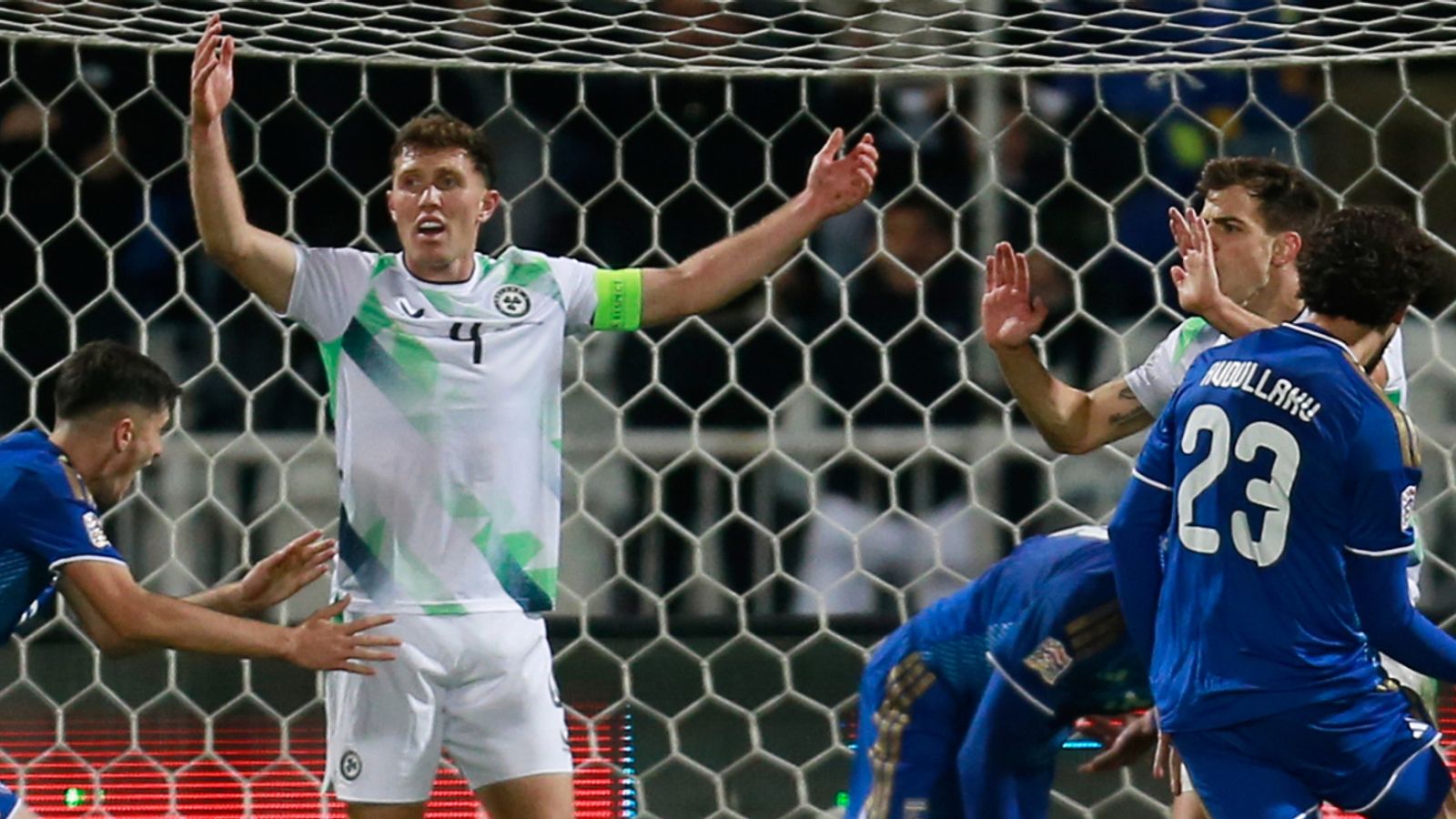
Ireland are heading into Hungary in crisis after their Pristina collapse
4 days, 2 hours ago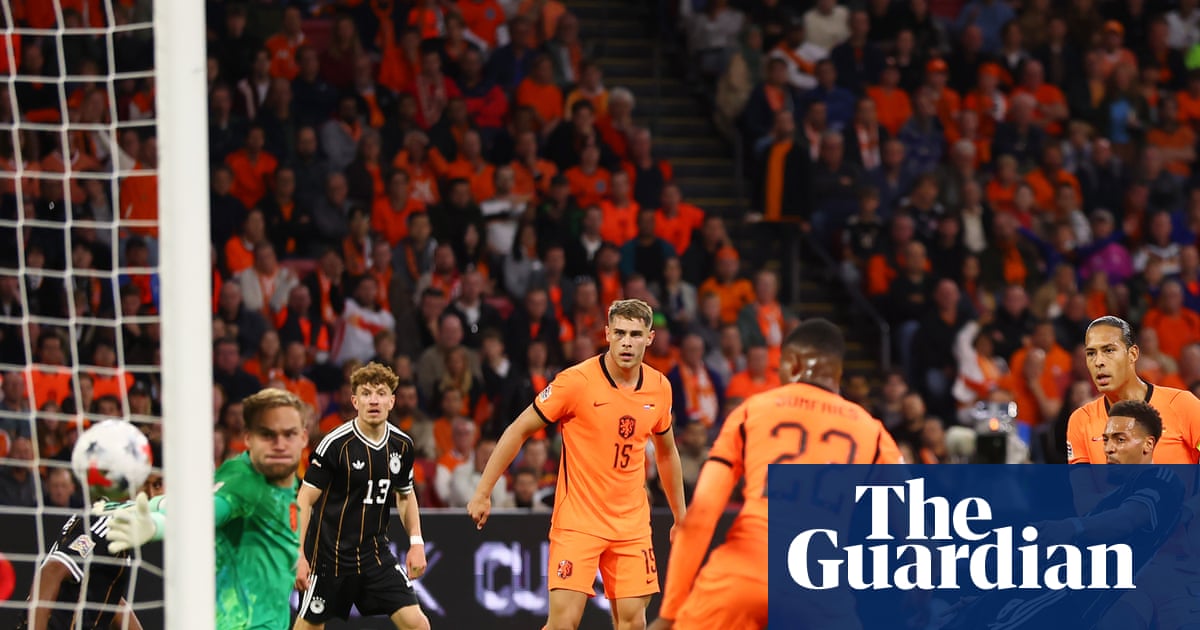
Jürgen Klopp got the chaos he expected in a wild debut against the Dutch
4 days, 3 hours ago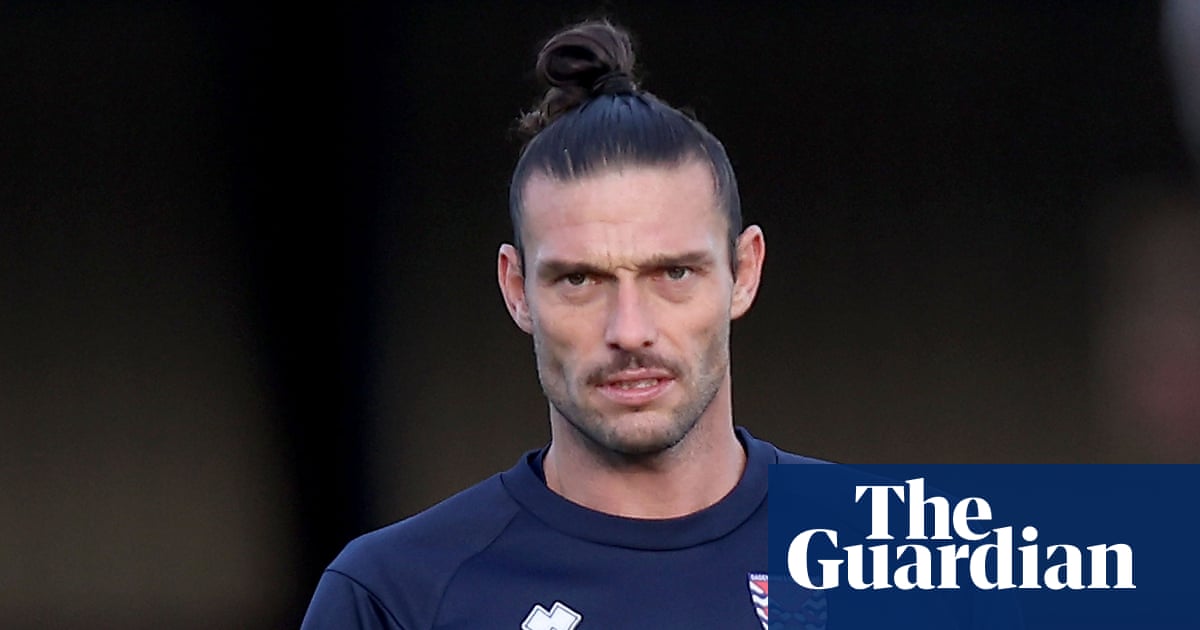
Andy Carroll's courage off the pitch redefines his role at Dagenham
4 days, 6 hours agoMore Analysis
Jürgen Klopp got the chaos he expected in a wild debut against the Dutch
4 days, 3 hours agoGermany think they are ready for 2026 but the machine is missing a soul
1 month, 3 weeks ago
Klopp’s Germany arrival is already a powder keg
2 months ago
Jürgen Klopp takes the Germany job: What this means for international football
2 months ago
Jürgen Klopp's Germany rescue job is the ultimate tactical gamble
2 months ago