The Pressure Mounts at Old Trafford
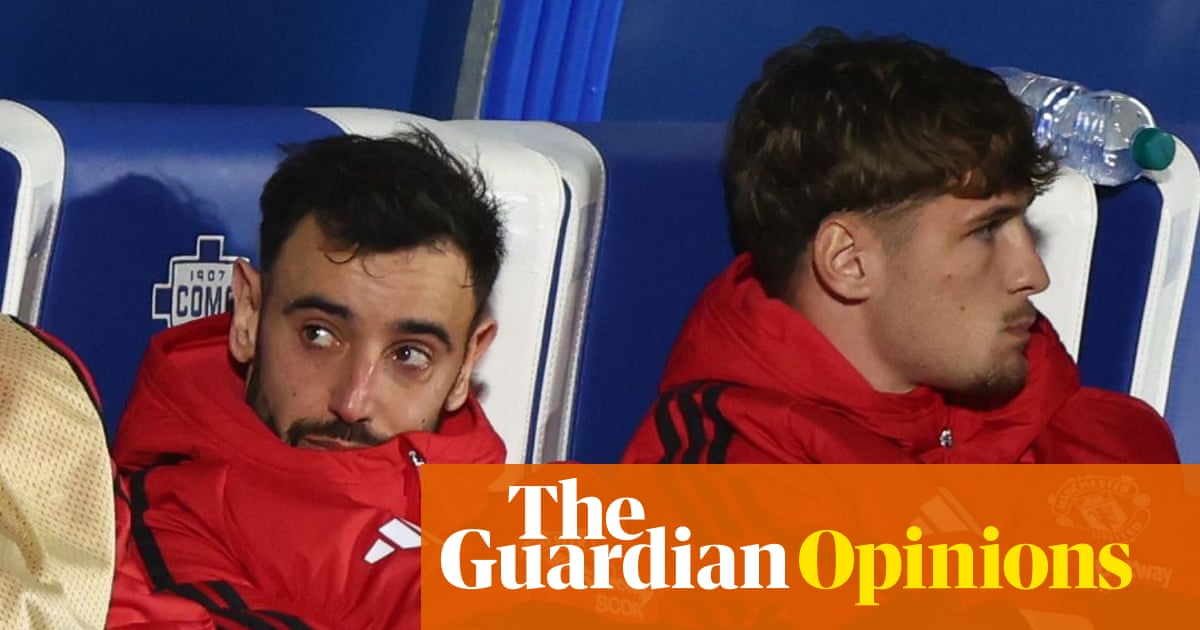
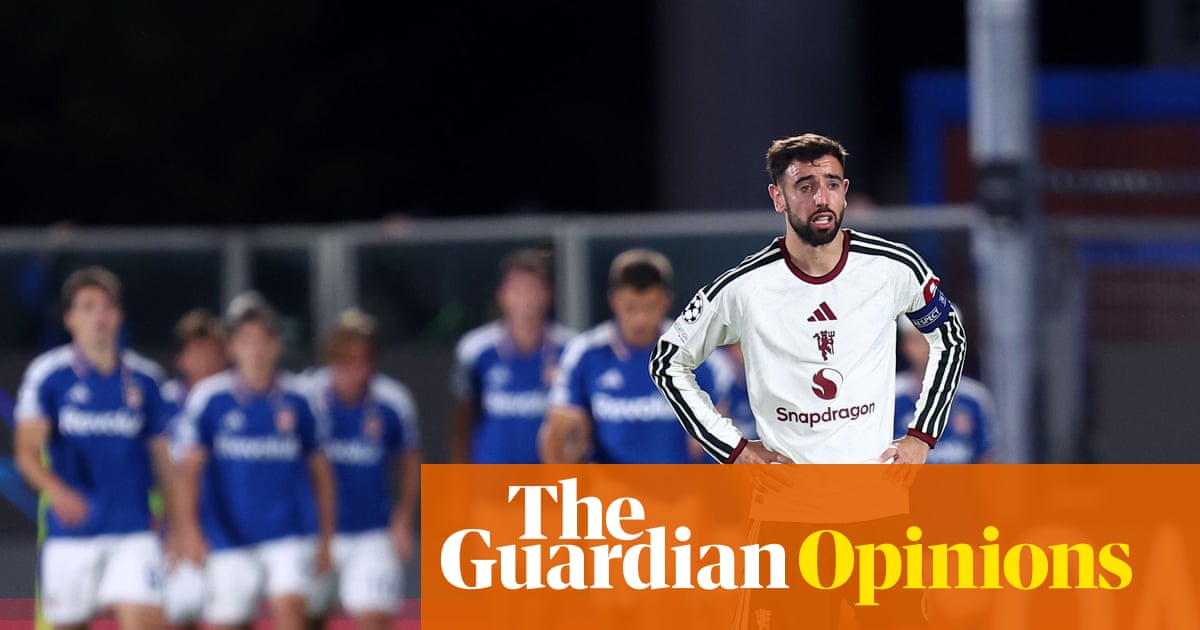
The managerial seat at Old Trafford is scorching hot again. Michael Carrick’s future has become an active debate across English football, as The Guardian reported today. United sit trapped in mid-table while rivals pull away in the Premier League table.
The board faces an agonizing dilemma. Do they chase an elite European name with combustible habits, or hire an unattached pragmatist to avoid compensation? Every contender brings immediate friction alongside their credentials.
A glance across the potential succession list reveals a chaotic mix of major titles, public meltdowns, and cautionary tales. The next hire will define Old Trafford for years to come. Here is how the ten defining moments behind this managerial crisis rank.
From Touchline Meltdowns to Tactical Foundations: Moments 10 to 6
10. Antonio Conte Questions His Tottenham Future After Burnley Loss
Antonio Conte has never hidden behind bland media diplomacy. Following a grim defeat against Burnley during his Tottenham stint, the Italian told a post-match press conference that maybe he was not the right man to manage Spurs. He vented his frustration without any filter.
That candid meltdown claims the #10 spot on our countdown. It serves as a glaring warning sign for United executives who value institutional stability. Conte shakes up dressing rooms with his fierce standards, but his willingness to air grievances publicly can incinerate a club hierarchy in an afternoon.
9. Julian Nagelsmann Sacked by Bayern Munich While Sitting Second
Bayern Munich shocked European football by firing Julian Nagelsmann in March with the team second in the Bundesliga. The 39-year-old had won the title in his only full campaign and remained alive in the Champions League with an exceptional squad.
The dismissal sits at #9. It proved how fast Nagelsmann can lose boardroom support despite working with elite talent. Sacking a manager who is contending for top honors sounds irrational on paper, yet it showed that tactical brilliance does not guarantee internal harmony when player and director relationships fray.
8. Kieran McKenna Coordinates Manchester United's Second-Place Finish
Before taking charge at Ipswich, Kieran McKenna served as Carrington's tactical brain. Stepping up from the academy into Jose Mourinho’s staff alongside Carrick, he stayed under Ole Gunnar Solskjær to direct training ground work.
His tactical influence guided United to second place in the Premier League. That milestone takes #8. It shows McKenna can organize this squad, though the subsequent struggles of Solskjær and Carrick show that backroom acumen does not guarantee sustained managerial authority.
7. Antonio Conte Storms to the 2017 Premier League Title at Chelsea
Conte conquered English football in 2017. He transformed a broken Chelsea squad into an unstoppable juggernaut through sheer discipline and relentless tactical drilling. He proved his credentials as a merciless winner.
The Italian takes #7 because domestic titles carry indisputable weight. However, his rigid preference for three at the back would cause chaos with United's personnel, as Ruben Amorim recently found out to his detriment.
6. Eddie Howe Leads Newcastle United Back into the Champions League
Eddie Howe delivered a masterclass by taking Newcastle back into the Champions League. He built a ferocious 4-3-3 shape around aggressive wingers. Newcastle became physically dominant and tactically disciplined across ninety minutes.
First in and last out at the training ground, Howe pores over every detail. That relentless commitment makes him arguably the safest pair of hands available. He would cost nothing in compensation fees, a massive advantage for United's leadership.
Every penny counts at Old Trafford.
Elite Pedigree and International Collapse: Moments 5 to 1
5. Unai Emery Drives Aston Villa Ahead of Manchester United
Unai Emery continues to run tactical circles around his rivals. Aston Villa sit one point and one place above Manchester United in the Premier League. Villa are also faring much better in the Champions League under Emery's guidance.
The King of the Europa League takes #5 because his pragmatic counterattacking setups would instantly suit United's squad. However, prising him from Villa requires substantial compensation, and United still lack the dominant central striker Emery builds around.
4. Julian Nagelsmann Captures the Bundesliga in Lone Full Campaign
Julian Nagelsmann confirmed his reputation as an innovator by winning the Bundesliga in his lone full season at Bayern Munich. The 39-year-old implemented a demanding pressing blueprint that suffocated domestic opponents.
As outlined in The Guardian's assessment, Omar Berrada tracked Nagelsmann closely while in Manchester City's hierarchy. That pedigree earns #4. Yet United's squad does not press, a tactical reality Bruno Fernandes will readily confirm.
3. Brighton's 33-Year-Old Manager Blasts 23 Goals in Seven Matches
Brighton have become must-watch television. Under their 33-year-old manager, the Seagulls sit third in the Premier League after scoring an incredible 23 goals in seven games. They are thoroughly outperforming United with a squad that looks significantly sharper.
That goalscoring blitz takes #3. It represents the sharpest coaching work in England right now. However, the young manager is understandably reluctant to leave a thriving project mid-season to step into an unstable environment.
Moving mid-season to a struggling club is not always advantageous because it means stepping into a firefight.
2. Julian Nagelsmann's Germany Crashes Out Against Paraguay at the 2026 World Cup
Nagelsmann's international stint concluded with a stunning catastrophe. Germany suffered an embarrassing 2026 World Cup last-32 defeat by Paraguay, capping an underwhelming tournament run. The defeat shattered his aura of invincibility and sparked fierce criticism back home.
This World Cup elimination takes #2 because it reshaped the entire managerial market. Without that tournament exit, Nagelsmann would not be unattached today. The collapse lowered his stock, making him both an attainable target and a considerable tactical gamble.
1. Michael Carrick's Old Trafford Tenure Slips into Active Debate
The defining moment atop our countdown is unfolding right now. Michael Carrick’s future has slipped into active debate as results stagnate. Following the failed eras of Ole Gunnar Solskjær and Erik ten Hag, another internal appointment is crumbling under immense pressure.
This crisis claims #1 because it triggers the entire domino effect. Without Carrick's vulnerable standing, no vacancy exists. United are drifting in mid-table, forcing the board to confront their recurring mistakes before another season slips away completely.
The Structural Flaws Haunting the Search
Manchester United's managerial shortlist highlights severe tactical contradictions across the club. Hiring a manager is never merely about collecting an impressive resume. It requires matching a coach's tactical identity with the players already sitting in the dressing room.
United have repeatedly ignored tactical fit in the past, and this search is full of stylistic traps. As seen among the contenders identified for the role, each candidate brings tactical demands that could clash violently with United's current roster.
The board cannot afford another blind gamble. Several concrete tactical obstacles stand between these candidates and sustained success at Old Trafford:
- Antonio Conte relies on a back three that failed under Ruben Amorim, a system United's current defenders cannot execute effectively.
- Julian Nagelsmann demands relentless pressing, a concept alien to this squad that Bruno Fernandes will openly testify is absent.
- Unai Emery and Eddie Howe both require an elite focal-point striker, placing immense pressure on Benjamin Sesko to deliver consistent finishing.
- Kieran McKenna resigned from Ipswich in June to take a sabbatical, making a sudden return after five months away an enormous personal and professional risk.
- Eddie Howe operates closely with his nephew Andy from Bournemouth and Newcastle, creating potential friction with United's recruitment staff.
Financial reality restricts United's choices. The club does not have limitless cash, meaning substantial compensation packages could rule out Unai Emery. Paying millions to buy out Villa makes little sense when unattached alternatives like Eddie Howe are sitting ready without costing a single penny.
Yet hiring Howe brings tactical risks. While he loves fast wingers and a balanced 4-3-3 shape, his setup requires a dominant central striker. Expecting Benjamin Sesko to shoulder that entire burden immediately is a dangerous bet with zero margin for error.
Kieran McKenna represents an equally delicate option. His tactical work during United's second-place finish under Solskjær proved his coaching ability. But jumping into a firefight after five months away from management risks repeating the exact cycle that doomed Solskjær and Carrick.
United's leadership cannot simply pick a famous name and hope for a miracle. If the board fails to align their next appointment with the squad's actual strengths, Carrick's replacement will suffer the exact same fate before the year is out.