FIFA's integrity crisis reaches a boiling point in the US
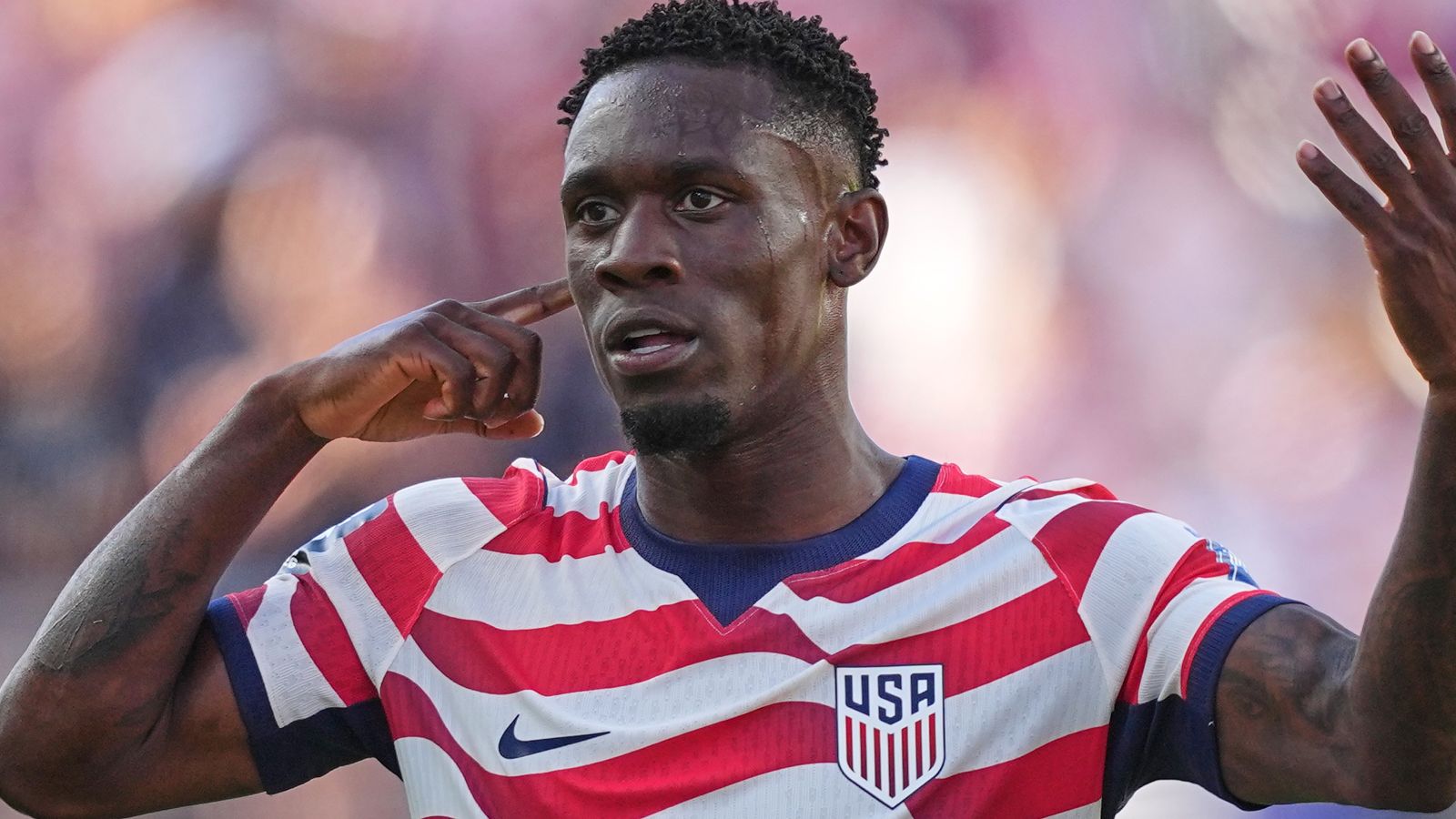
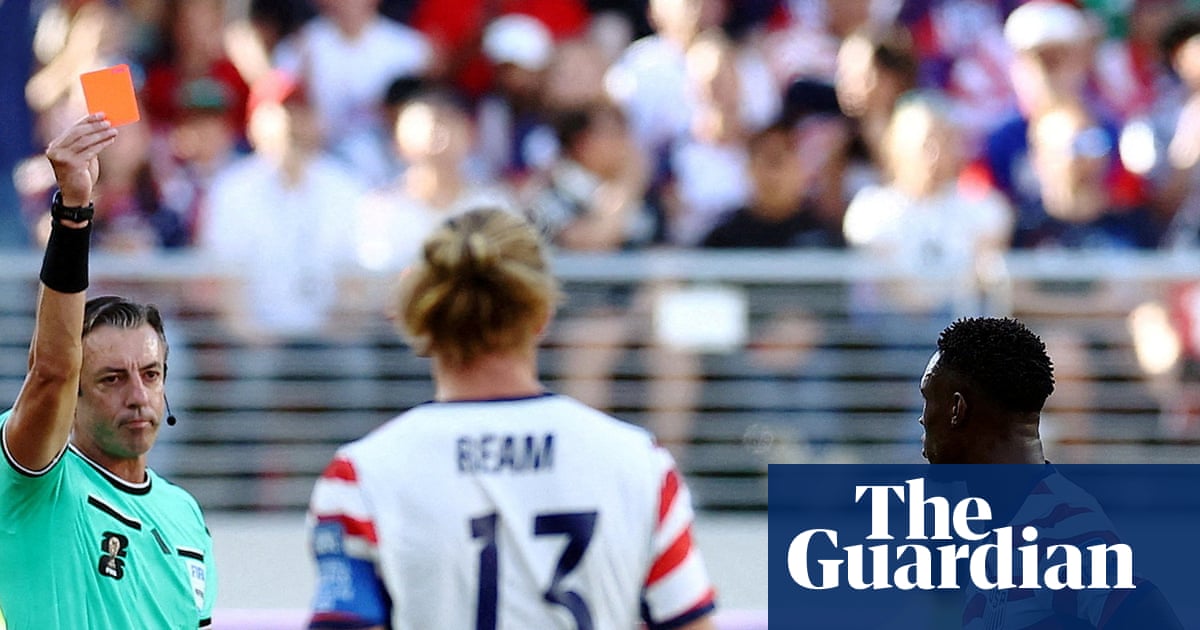
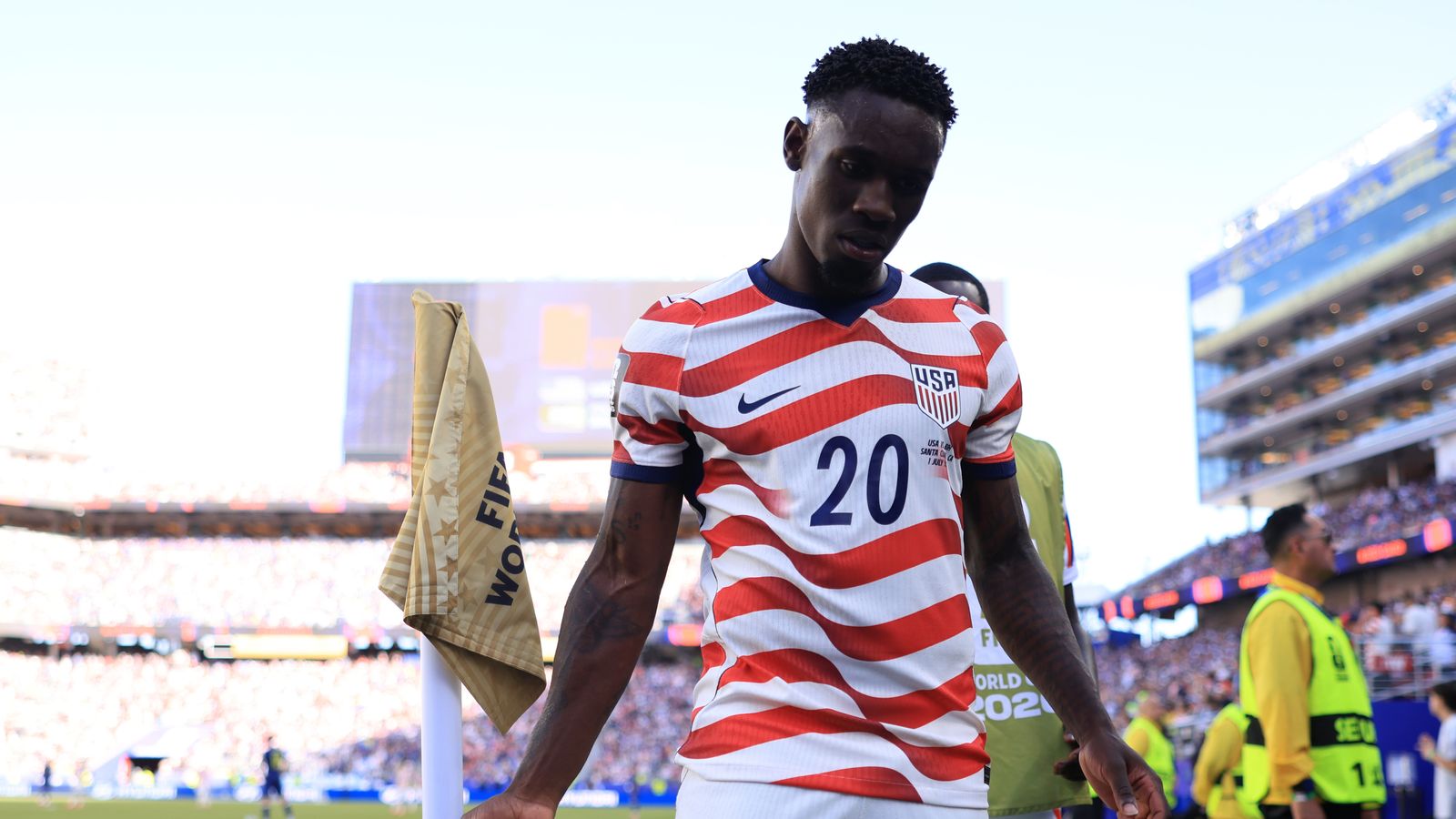
The Norwegian Football Federation is moving toward a formal complaint with FIFA's ethics committee. The trigger is the highly irregular suspension of a one-game ban for Folarin Balogun. The United States striker saw his red card erased following a direct intervention from Donald Trump.
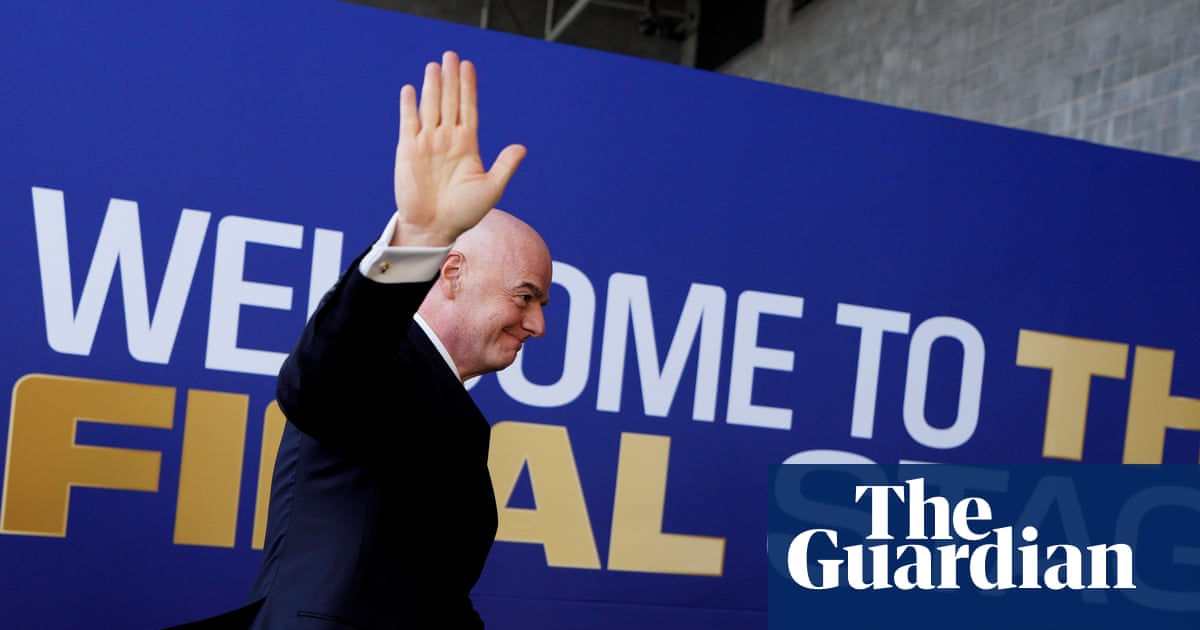
The Guardian reports that these developments place FIFA, led by Gianni Infantino, on a perilous path. The suspension of a mandatory ban undermines the standardized regulatory framework of the World Cup. It turns on-field disciplinary actions into subjects of political negotiation.
Timeline of a diplomatic collision
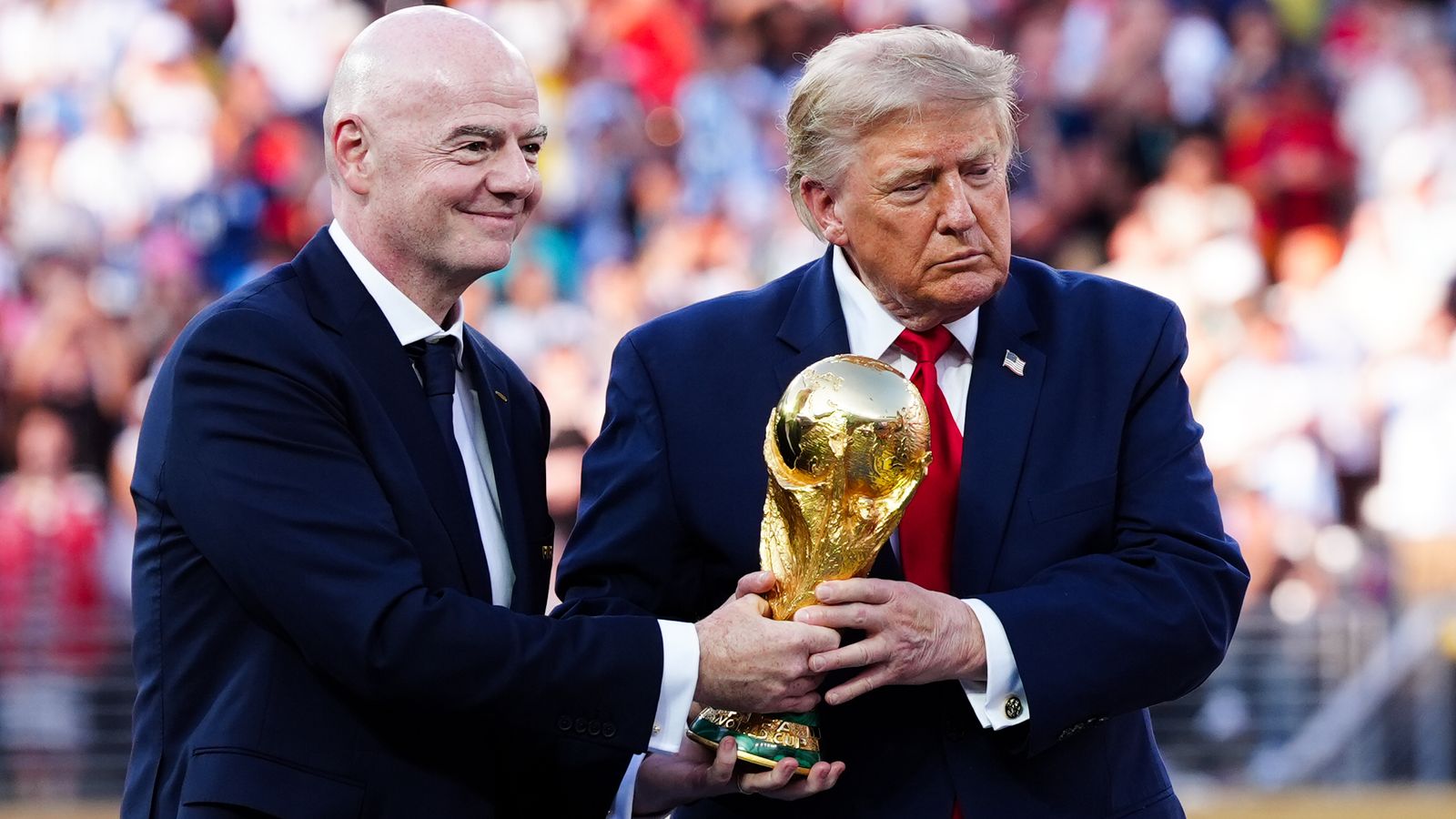
The sequence of events remains thin on transparency. Sources confirm the one-game suspension was initially logged following the match. Shortly thereafter, a communication occurred between Donald Trump and his long-time confidante, Gianni Infantino.
Following that phone call, the mandatory ban was effectively wiped. This intervention effectively creates a two-tier disciplinary system. Players receiving red cards will now wonder if their team's political capital outweighs the laws of the game.
Regulatory impact and industry fallout
This situation is unprecedented in the modern era of organized soccer. While the BBC notes the formal complaint is moving through the deliberation phase, the damage to perceived neutrality is immediate. Competitors are already questioning the validity of tournament proceedings.
If the ethics committee fails to address this, the credibility of 2026 as a fair playing field will vanish. A tournament that relies on the consistency of the IFAB laws of the game cannot survive when executive phone calls override referees. The integrity of the refereeing block is now the primary casualty.
The strategic risk of political overreach
The involvement of a head of state in individual player suspensions sets a disastrous precedent. Organizations like the Norwegian federation are signaling that sport-governance boundaries have been obliterated. The FIFA ethics committee is now under immense pressure to either validate the intervention or provide a path for retrospective enforcement.
Critics point to the lack of procedural clarity in how this ban was actually reversed. Transparent appeals processes exist for a reason. By bypassing these established channels, FIFA has invited a scrutiny that extends well beyond local headlines. This is not a technicality; this is a challenge to the administrative authority of the governing body itself.
Historical context of referee intervention
Historically, FIFA has maintained a firewall against external political pressure to preserve its 'independent' status. While individual federations attempt to lobby for player eligibility, such lobbying typically occurs through lawyers within the judicial committee structure. Direct executive override from an external head of state is a rarity that contradicts the organization's charter.
Previous tournament scandals often involved bribery or match-fixing, but this is different. This incident centers on the weaponization of bureaucratic access. The Metro UK reports suggest this is being viewed as a 'mistake' by officials, but the implications are systemic. When a player who should be sitting on the sidelines is active because of a presidential query, the game ceases to be about the athletes.
The path forward for an embattled federation
Norway is currently the loudest voice, but they are unlikely to remain the only one. The scrutiny on Gianni Infantino is at an all-time high. Every subsequent disciplinary action in the tournament will now be vetted through the lens of this incident. The pressure to restore public confidence in the administrative process will force a decision from the ethics committee before the final stages of the tournament.
For fans and stakeholders, the 2026 World Cup is now defined by this bureaucratic scandal. Future match reports will no longer just focus on goals and tactics. They will be tainted by the suspicion of external interference. The federation has a binary choice: restore the ban to enforce protocol, or double down on a decision that effectively kills the concept of neutral rule enforcement.
Read Next
- Folarin Balogun's Trump-backed reprieve is poisoning the World Cup
- Argentina and Spain are headed for a long winter after the World Cup final
- The 48-team World Cup was chaotic, bloated, and weirdly entertaining
- Why the post-World Cup hangover is hitting broadcasters harder than the players
- 🇳🇴 Norway World Cup 2026 — Can Haaland Lead the Vikings?