The fallout from the Lusail collapse
The images from Sunday's World Cup final remain difficult to shake. We saw 120 minutes of intense football dissolve into a chaotic aftermath that has now drawn the official gaze of FIFA. The disciplinary investigation launched into the conduct of both squads is not merely bureaucratic theater; it represents a significant breakdown in professional standards on the sport's biggest stage.
Reports suggest the tension boiled over when Dani Olmo was involved in a physical altercation near the tunnels. While the Argentine coaching staff has offered explanations for the incident involving a punch, the optics for the governing body are disastrous. When the game ends with a disciplinary investigation rather than a highlight reel, the narrative surrounding the tournament’s conclusion shifts from sporting excellence to administrative damage control.
Tactical decay in the final third
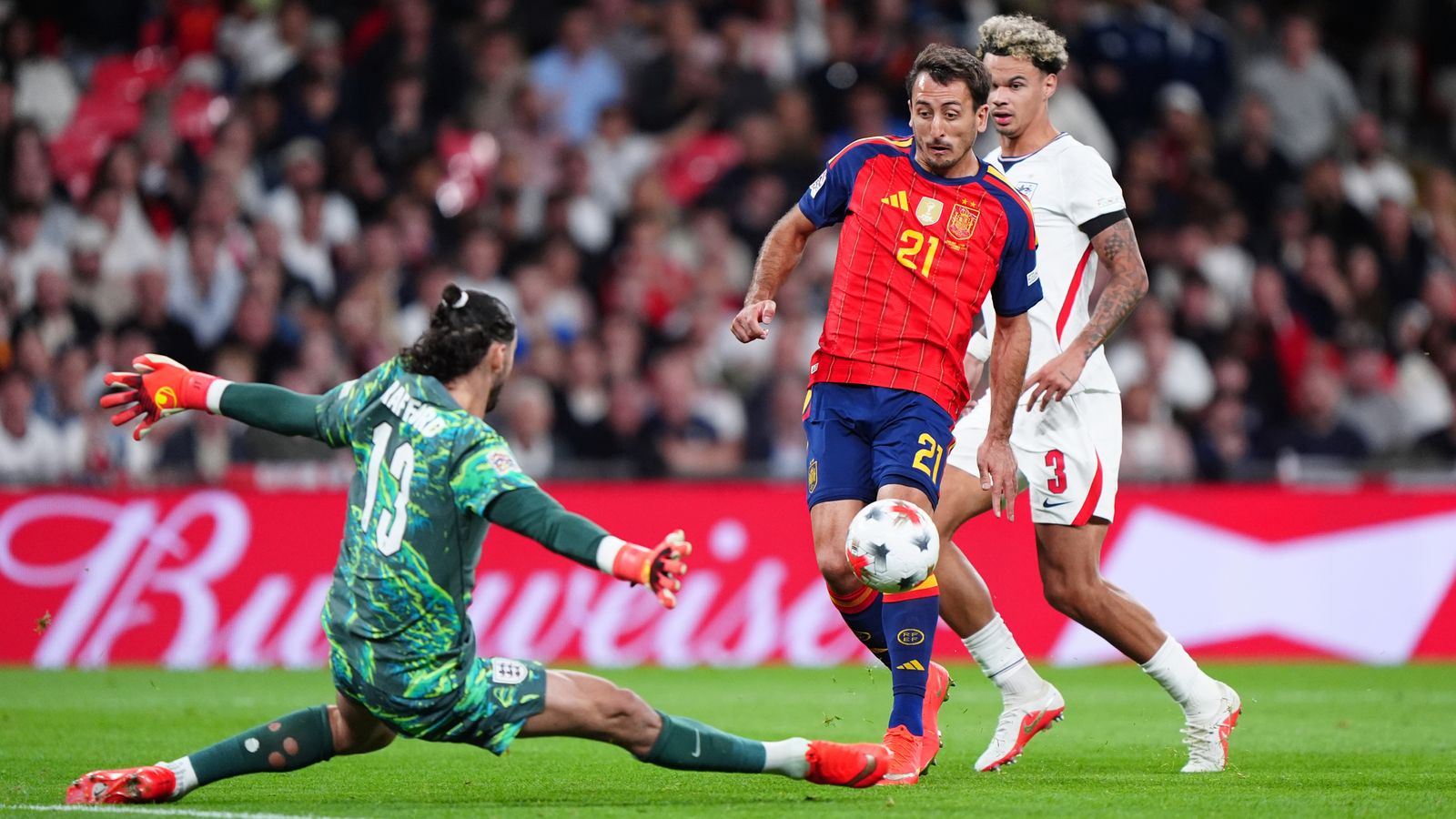
Beyond the disciplinary issues, the match highlighted a deeper tactical rigidity from both sides. Argentina, often praised for their fluidity under pressure, looked strangely paralyzed in the second half. They relied heavily on defensive blocks rather than attempting to reclaim the midfield, which allowed Spain to dominate possession stats with 62% in the final twenty minutes of normal time.
Spain, meanwhile, struggled to convert their territorial dominance into actual expected goals. Despite their ball retention, they barely managed to penetrate the final third with any incisiveness. They recorded only 3 shots on target despite over 600 completed passes. This statistical profile reveals an obsession with safe lateral movement that ultimately rendered their deep build-up play toothless. It is a recurring issue for a side that prioritizes rhythm over penetration.
The FIFA inquiry timeline
FIFA confirmed they have opened a disciplinary investigation into the altercations, and the fallout will likely be severe. Usually, these inquiries lead to heavy fines, but the reputational hit for the players involved is arguably more permanent. We can expect heavy suspensions for the key instigators, which may affect their respective domestic league availability in the coming months. It is an avoidable mess that tarnished a historic fixture.
My skepticism regarding the culture of these two teams has only grown since the whistle blew. Both coaching staffs lost control of their squads in the 89th minute, allowing the match to degenerate into a series of ugly skirmishes rather than a professional conclusion. This lack of discipline stems from the top. If the managers cannot command the sideline, they certainly cannot expect the players to show restraint when the pressure hits its peak.
Predicting the disciplinary fallout
Expect a prolonged period of silence from the federations while lawyers handle the FIFA probe. Once the dust settles, we will likely see a crackdown on bench behavior. I predict that both Argentina and Spain will face substantial bans for their senior players involved in the tunnel incidents, and neither program will regain their composure before the next international window. This leaves both teams in a vulnerable spot for their upcoming qualifiers, as morale is clearly fractured at an institutional level. The result of this final will be defined more by a committee room in Zurich than by the score on the board.
Read Next
- The ugly hangover of the 2026 World Cup
- Top 10: World Cup Final Boiling Points
- The 48-team World Cup was chaotic, bloated, and weirdly entertaining
- The 48-team World Cup is a bloated mess we somehow can't look away from
- 🏆 World Cup 2026 — Full Coverage Hub
- 🇦🇷 Argentina World Cup 2026 — Defending Champions Hub
- 🇪🇸 Spain World Cup 2026 — La Roja Hub
- 🏆 World Cup 2026 Final — MetLife Stadium Hub