Tier 1 Source Breakdown: Governance Fallout Reaches the Transfer Market
The biggest story in European football right now isn't just happening on the pitch. According to Tier 1 reporting from The Guardian, US striker Folarin Balogun sits at the absolute center of a growing political firestorm inside FIFA headquarters.
Football Association chair Debbie Hewitt wrote to FIFA president Gianni Infantino last week. She demanded full disclosure regarding the decision to lift Balogun's suspension during the World Cup ahead of the last-32 clash against Belgium. That intervention followed a direct phone call from Donald Trump to Infantino, setting off alarm bells across member federations.
Now, European executives and rival club directors are tracking every movement in Zurich. FIFA council members want the Balogun affair included in an upcoming external review scheduled for October 15, 2026. For clubs eyeing a move for the American forward, the political noise introduces unexpected market volatility.
Transfer operations rarely operate in a vacuum. When a player's regulatory status becomes a pawn in governance battles, prospective buyers pause. Scouting departments are forced to weigh talent against administrative risk.
Player Profile and Tactical Fit
On the pitch, Balogun remains a compelling modern forward. His explosive off-the-ball movement allows him to stretch opposition back lines with relentless channel runs. When given space to attack, his finishing inside the box is sharp and decisive.
His tactical profile suits sides that play high-tempo transition football. He thrives when pairing with dynamic wingers who feed early balls into the half-spaces. In rapid counter-attacking systems, his verticality forces opposing defenders onto their heels.
However, serious flaws remain in his game. Balogun frequently struggles when asked to play with his back to goal against heavy physical low blocks. His link-up play under pressure can look rushed, leading to turnovers in dangerous central areas.
Defensively, his pressing discipline lacks consistency over 90 minutes. Top European recruiters worry that his output drops significantly when teams starve him of service. A top-tier side buying him must accept a striker who requires tailored tactical scaffolding to produce consistently.
Financial Landscape: Fees, Wages, and Market Standing
Concrete transfer fee estimates and wage demands remain strictly undisclosed in current reporting. Neither FIFA officials nor prospective buying clubs have floated public numbers during this phase of the dispute. Market insiders expect clarity only after administrative proceedings conclude.
Contractual terms and wage structures will depend heavily on which European league steps forward. Suitors in the Premier League and Serie A have monitored his situation, but formal negotiations remain frozen. Nobody wants to commit major capital while regulatory questions hang in the air.
As outlined in The Guardian's coverage of FIFA governance, rival clubs are watching how the review unfolds before committing resources. A protracted legal fight could depress his immediate market value. Conversely, a clean resolution could spark a late bidding war before the winter window opens.
The lack of financial transparency creates a waiting game. Agent representatives are holding preliminary conversations, but official opening bids remain absent. Until official figures surface, financial projections remain speculative.
Inside the FIFA Council Battle
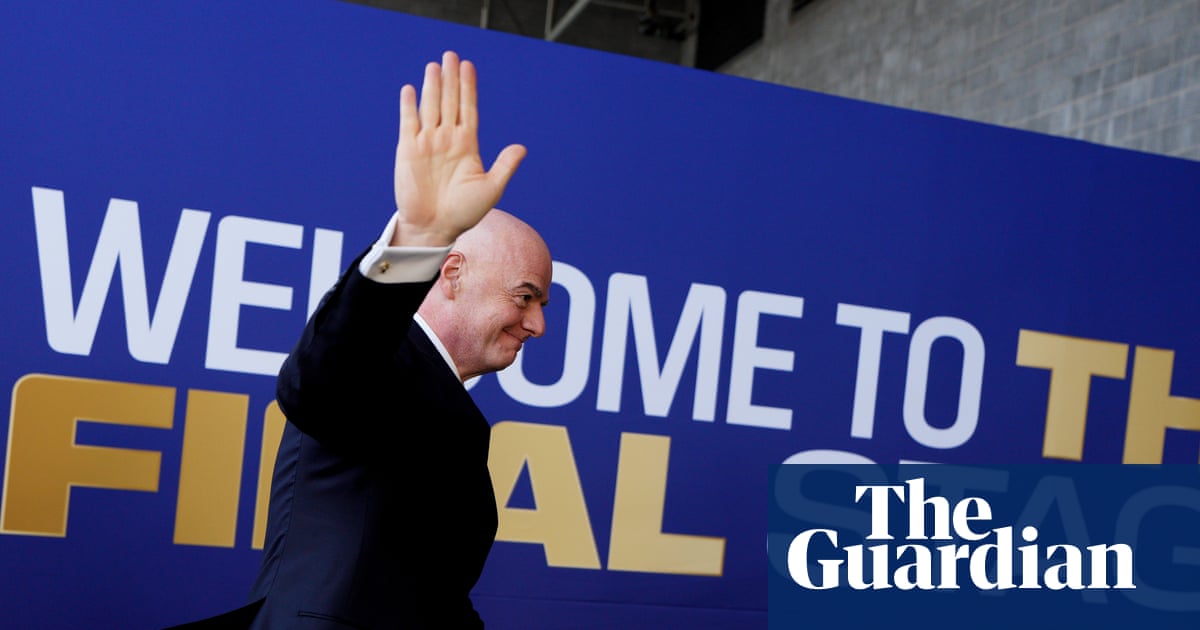
The battle lines inside FIFA are drawn sharply. Infantino sent a letter to all 211 member associations on Monday, September 21, 2026, offering an external review of strategic initiatives. However, opposition figures view the gesture with extreme skepticism.
German football federation president Bernd Neuendorf launched a direct attack on Infantino's motives this week. Neuendorf made his stance entirely clear when evaluating the president's sudden push for external review.
blockquote>"I regard Gianni Infantino’s letter as a transparent ploy to secure his re-election next year. Fundamentally, Fifa now seems to have recognised that changes are essential. However, Gianni Infantino is definitely not the right person to lead a reform process."European, Asian, and CONCACAF delegates hold 21 of the 38 seats on the FIFA council. That represents a potential voting majority against Infantino's narrow terms of reference. However, delegates from Qatar, Saudi Arabia, and Malaysia have publicly backed the president, creating a tight numerical balance.
As noted in detailed breakdown of the FIFA council conflict, opposition council members previously tried to call an extraordinary general meeting. They fell short of the required 19 votes needed to force the issue. That failed EGM attempt underscores how difficult it is to remove presidential authority in Zurich.
Infantino addressed the growing controversy on Wednesday, September 23, 2026, while attending the Arabian Gulf Cup opening in Jeddah. He defended his record before flying to New York for meetings at the United Nations General Assembly.
blockquote>"This is not about generating positive headlines, it is about doing what is right for the game. And I have never been more determined and committed in doing that. Fifa is always engaged. I am always engaged and want to hear how we can continue to grow football for the benefit of everybody, everywhere."The rhetoric is polished, but the friction is real. The outcome of this council fight will directly determine how FIFA handles player eligibility and disciplinary exemptions moving forward.
Probability Assessment: "Here We Go" Chance
What is the actual likelihood of a major transfer materializing in the immediate future? Right now, the probability of a transfer window deal sits at low to medium.
The "here we go" index remains stalled at roughly 35 percent. Clubs hate uncertainty. No sporting director wants to drop tens of millions on a player whose international availability could face legal challenges from member federations.
If FIFA resolves the internal review quickly on October 15, 2026, that probability will jump significantly. Clear regulatory guidelines will allow interested clubs to submit formal proposals without fear of retroactive sanctions or political fallout.
If council members force a full retrospective investigation into the Balogun suspension, expect negotiations to stall until mid-winter. The transfer market rewards swift action, but political deadlock breeds caution.
Expected Timeline and Market Triggers
The immediate timeline hinges entirely on the Zurich council meeting scheduled for October 15, 2026. That date serves as the primary catalyst for any potential winter transfer activity.
Between now and mid-October, club representatives will limit contact to informal background checks. Scouting departments will continue live evaluations, but contract offers will stay on hold. No movement occurs until council terms are voted on.
Once the Zurich meeting concludes, the market will react within 48 hours. If Infantino placates opposition members, clubs will accelerate recruitment plans for January 2027. If the council devolves into open warfare, expects suitors to pivot toward alternative striker targets.
The final quarter of 2026 will test the patience of Balogun's camp. Staying sharp on the field while administrative battles rage off it requires immense mental discipline.
Expected Impact If a Deal Goes Through
If a top-tier European club completes a transfer despite the political noise, the sporting impact could be transformative. Adding an explosive forward with proven international credentials instantly upgrades a team's attacking ceiling.
Tactically, his arrival would allow a manager to transition from a static possession model to a lethal counter-attacking system. His speed forces defensive lines deeper, creating operating room for attacking midfielders.
Commercially, acquiring the focal point of the US national team brings massive marketing visibility in North America. Brands and sponsors follow high-profile American talent across European leagues.
However, the media circus will follow him into the dressing room. Any new manager must be prepared to field weekly questions about FIFA reviews, political calls, and administrative compliance. The sporting reward is high, but the scrutiny will be relentless.
Read Next
- Gianni Infantino is backing down after his FIFA privatization plan collapsed
- Top 10: Top Moments in FIFA's Governance War
- Gianni Infantino wants us to believe FIFA can actually fix itself
- Why Roma's £21.4m gamble on Rodrigo Mora looks like absolute highway robbery
- 🏆 World Cup 2026 — Full Coverage Hub