The Medical Flag That Stopped a £40m Transfer
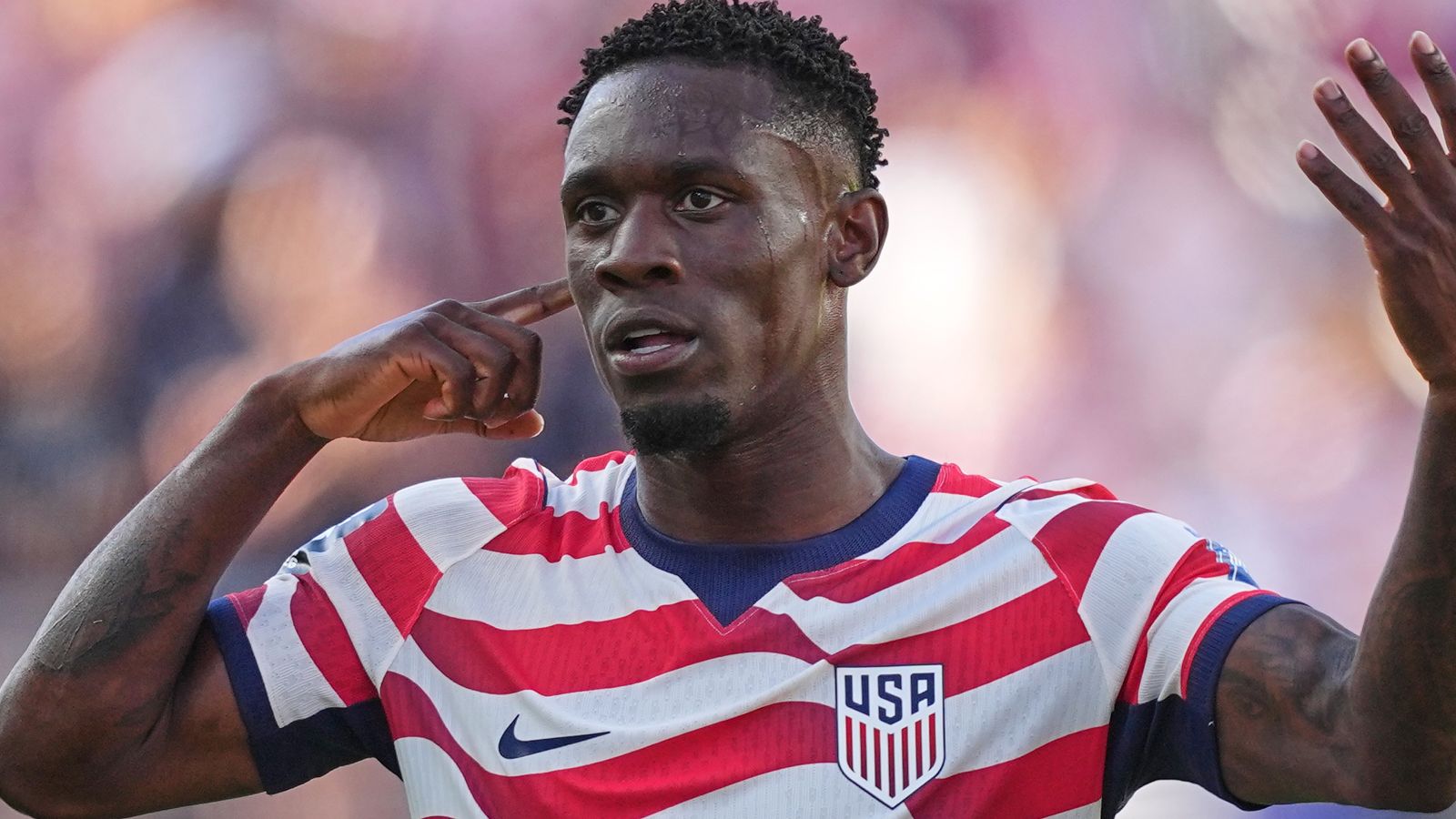
Folarin Balogun landed on Merseyside at lunchtime on Tuesday with a deal in principle, ready to complete a transfer from Monaco to Everton. By late afternoon, standard clinical screening identified a physical issue during his medical examination. That unexpected medical finding altered the final hours of the Premier League transfer window.
The red flag forced Everton negotiators to pause execution of the original contract structure. Instead of completing sign-offs, Everton requested restructured financial terms to mitigate their financial risk. That single medical delay set off a chain reaction across three major European clubs before midnight on September 1.
As Sky Sports reported, Everton modified their proposal after reviewing the medical data. Monaco initially balked at the reduced terms, throwing the entire transaction into limbo during prime deadline hours. Medical flags on Deadline Day rarely leave enough time for detailed secondary scans or specialist consultations.
The timeline collapsed rapidly between 2:00 pm and the 11pm cutoff. Everton sought reassurance on Balogun's physical condition while keeping lines open with alternative options across Europe. Balogun remained in Liverpool while executives recalculated loan structures and permanent transfer risk profiles.
Just after midnight on Wednesday, September 2, the situation took its final turn. Balogun personally walked away from the move after Everton submitted a deal sheet to Premier League authorities. The player rejected the revised contract structure, choosing to return to Monaco rather than sign under altered terms.
Dominoes Falling: How Chelsea Got Burned in the Chaos
Everton's medical hesitation immediately impacted Monaco's balance sheet, forcing the French club into contingent sales plans. Uncertain if the Balogun income would arrive, Monaco opened negotiations with Chelsea for midfielder Lamine Camara. Chelsea moved fast, seeking cover after sanctioning a massive outgoing transfer.
Chelsea had already agreed to sell Enzo Fernandez to Manchester City for £125m earlier in the day. Expecting Camara to fill that midfield gap, Stamford Bridge officials finalized paperwork with Monaco for the young midfielder. Camara prepared to board a flight to London while contracts were drafted and signed by both clubs.
When Everton returned to the table with renegotiated terms for Balogun, Monaco changed course. Satisfied that their primary sale was back on track, Monaco abruptly pulled the plug on Camara's move to Chelsea as the deadline arrived. Monaco formally revoked their agreement right as the window closed.
Sky Sports Chief Reporter Kaveh Solhekol detailed the frustration inside Stamford Bridge regarding Monaco's sudden withdrawal during late-night broadcasts.
"Chelsea have not been able to sign a replacement for Enzo Fernandez. Chelsea are really unhappy with the way Monaco behaved. My information is everything was done - written, agreed, signed. He was flying into London. At the same time, Monaco have been negotiating with Everton to sell Folarin Balogun. Once they have agreed a deal with Everton, they have come back to Chelsea and gone back on their agreement."
Chelsea chose to honor their sale of Fernandez to Manchester City despite losing out on Camara. Blues management decided against pulling back from the City deal out of good faith, leaving their squad short in midfield as the window shut. It stands out as a questionable operational choice by Chelsea leadership, leaving them exposed after letting a key starter depart without securing confirmed incoming depth.
Everton's Forward Line Left Empty as Options Evaporate
Everton's attacking department now faces severe numerical strain following Balogun's midnight exit. Sean Dyche's squad cleared out significant forward talent across the summer, operating under the assumption that incoming replacements would finalize on deadline day. That calculation failed completely.
Beto departed earlier in the window to join Fiorentina in Serie A. Key attacker Iliman Ndiaye was sold to Manchester City, stripping Everton of primary creative output. Everton did secure Jack Grealish on a season-long loan from Manchester City, but their central striking corps remains severely depleted.
Everton made a late emergency loan bid for Manchester United forward Joshua Zirkzee as doubts hovered over Balogun. Manchester United rejected that approach late Tuesday evening, refusing to let the Dutch forward depart without adequate replacement time. Everton's back-up plan disintegrated in less than two hours.
The collapse leaves Everton with just one senior striker on their roster until the January transfer window opens: Thierno Barry. Relying on a single recognized center-forward for four months of grueling Premier League action creates immense tactical vulnerability. An unexpected muscular strain or fatigue issue could leave Everton without any recognized central reference point.
The sequence of events on Deadline Day can be summarized in chronological order:
- Everton agreed a £40m fee with Monaco for Folarin Balogun.
- Balogun arrived on Merseyside for medical testing, where physical concerns were flagged by medical staff.
- Chelsea agreed a £125m deal to sell Enzo Fernandez to Man City and opened talks for Monaco's Lamine Camara.
- Everton renegotiated terms with Monaco while bidding unsuccessfully for Man United's Joshua Zirkzee.
- Monaco cancelled Camara's move to Chelsea after securing restructured terms with Everton for Balogun.
- At 12:15 am on Wednesday, Balogun had a change of heart and walked away from Everton completely.
Medical Diligence vs. Transfer Risk: The Broader Lessons
Medical evaluations on transfer deadline day represent one of football's highest-pressure bottlenecks. Club medical staff must conduct thorough orthopaedic, cardiovascular, and diagnostic screenings in hours rather than days. When flags arise, medical departments face intense commercial pressure from boardrooms desperate to complete deals.
Everton's medical team performed their duty correctly by raising red flags despite the ticking clock. Accepting unmitigated physical risk on a long-term contract often leads to costly rehabilitation cycles and tied-up wage budgets. However, Everton's failure to maintain viable secondary targets left their squad balance severely compromised.
Monaco's aggressive negotiation tactics achieved their immediate financial goal of keeping Camara while preserving Balogun's market asset value. Yet Monaco now retains an unsettled striker who spent Deadline Day traveling to another club only to see his move collapse. Managing Balogun's integration back into Monaco's squad will require delicate man-management from coaching staff.
Balogun's turbulent 2026 continues with this failed move. The American international was already at the center of a World Cup red card storm involving Donald Trump earlier in the year. Now, returning to Ligue 1 after a public transfer collapse adds psychological weight to an already complex campaign.
For Chelsea, the episode exposes the hazards of conducting high-value business in the final hours of the market. According to reporting from Sky Sports, Chelsea executives feel betrayed by Monaco's breach of handshake agreements. Yet leaving replacement business until the final afternoon invites exactly this type of third-party interference.
Everton must now navigate sixteen league matches before the January window opens with minimal forward depth. If Thierno Barry suffers an injury during autumn fixtures, Everton will be forced into emergency tactical adjustments or tactical reshaping without a natural target man. Deadline Day brought high drama, but for Everton and Chelsea, it leaves behind serious operational headaches.