FIFA's integrity crisis reaches a boiling point in the US
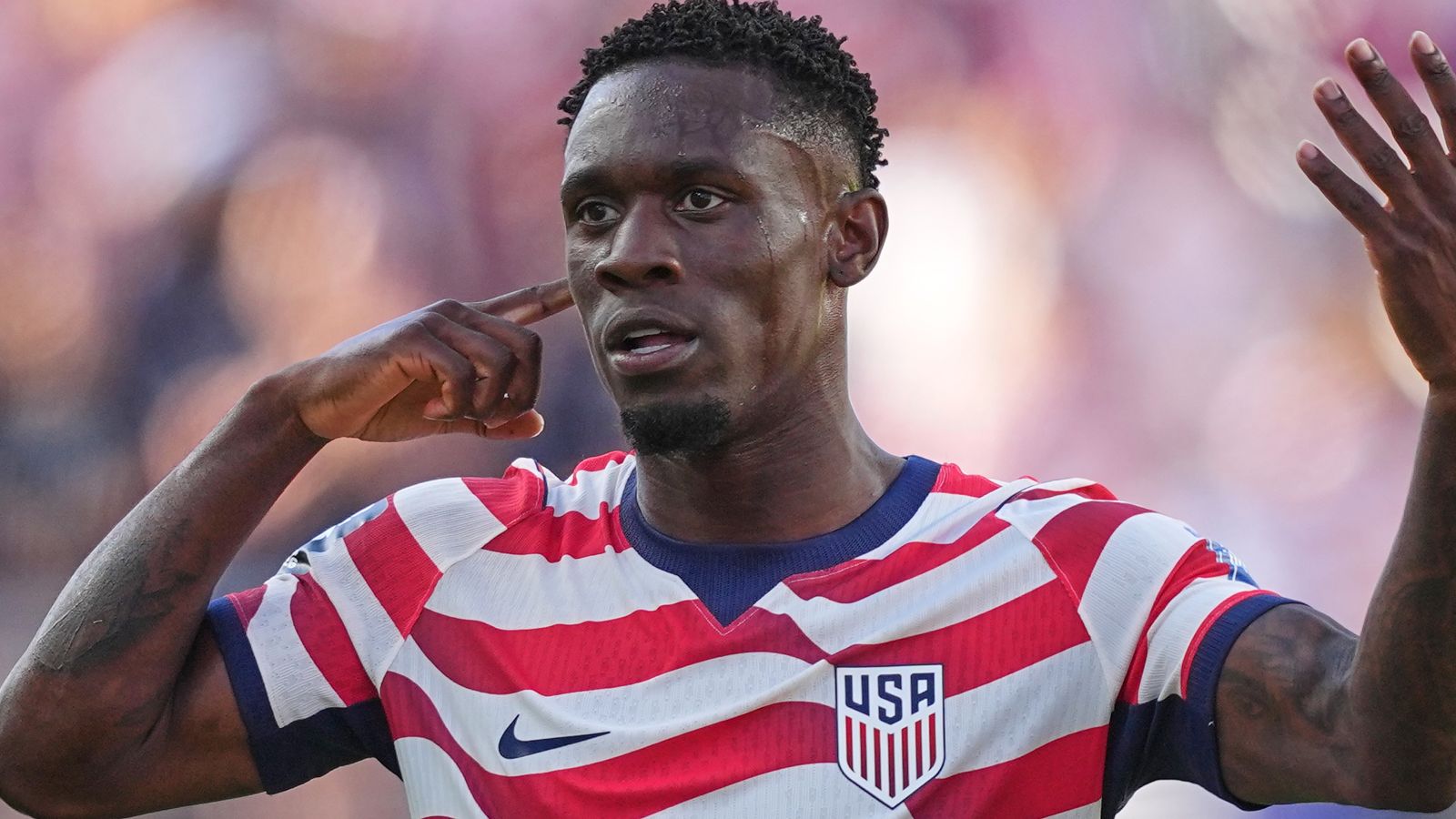
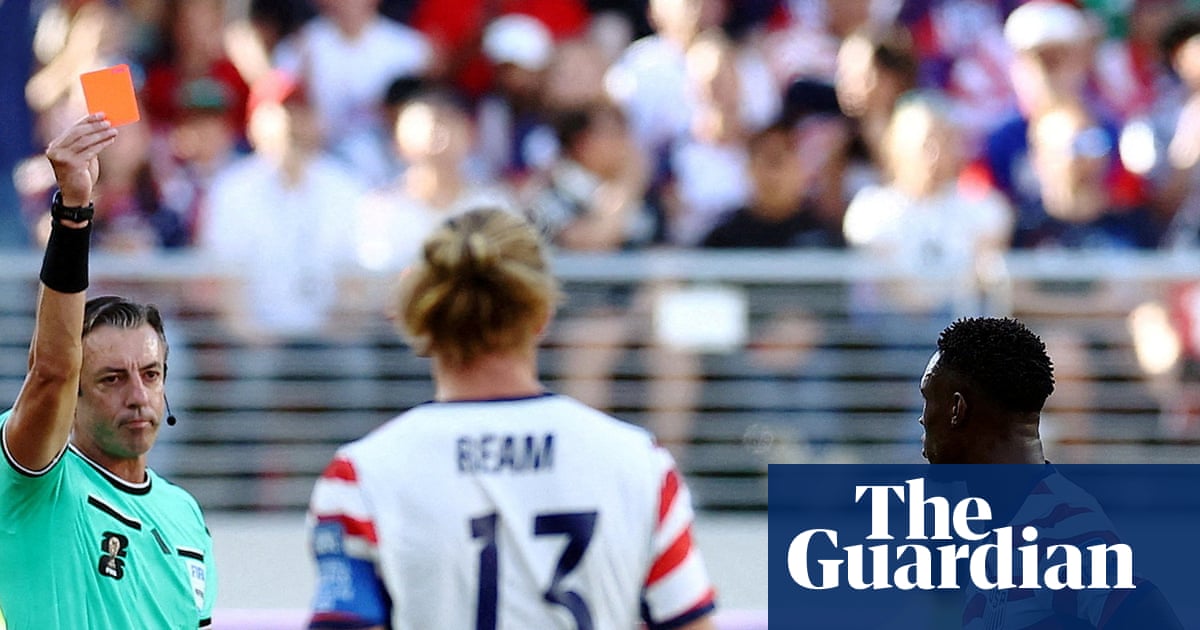
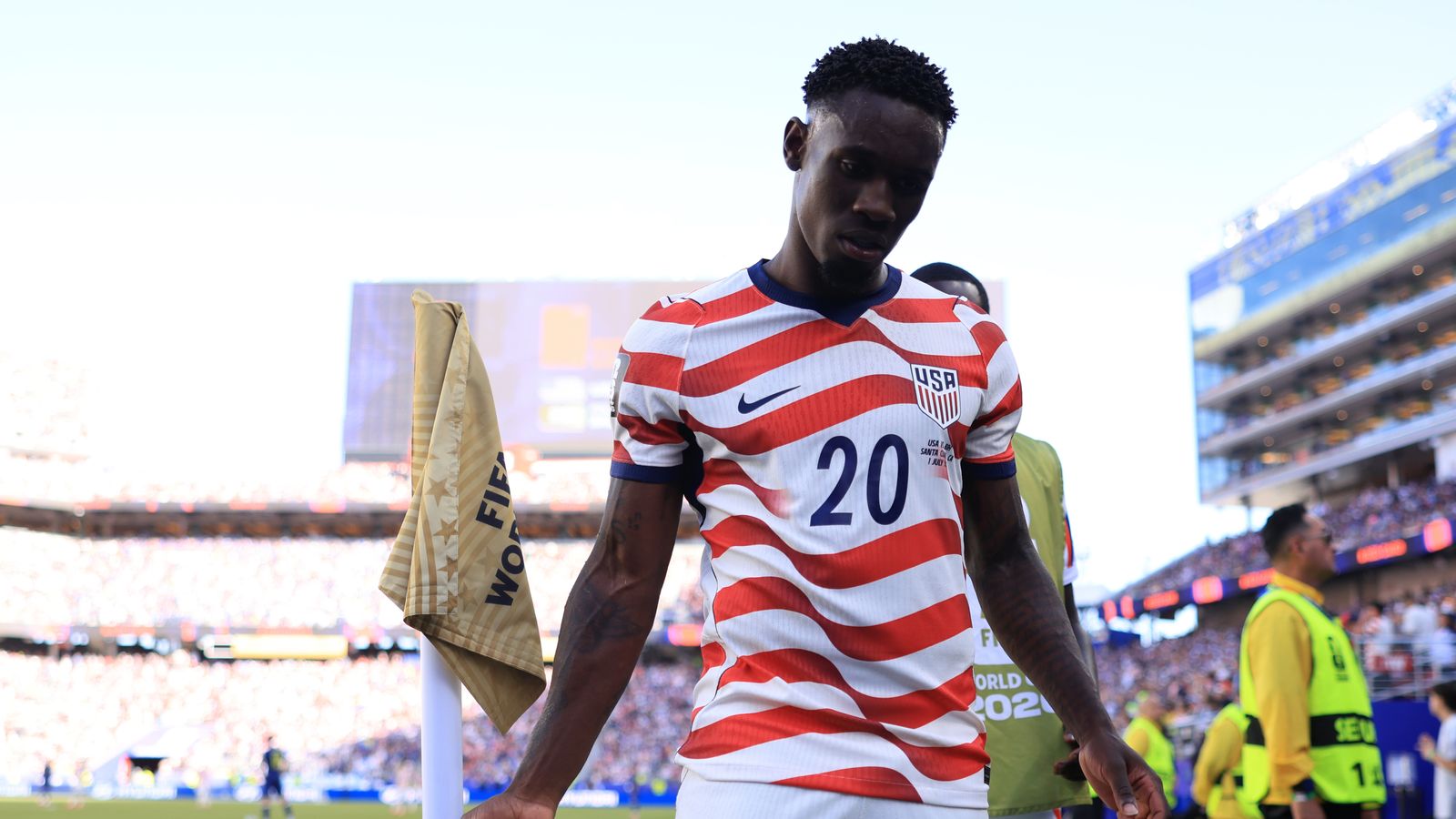
Tier 1 sources, including the BBC and The Guardian, confirm that the Norwegian Football Federation is preparing a formal complaint to FIFA's ethics committee. The move follows the highly irregular suspension of a mandatory one-game ban for Folarin Balogun. The United States striker saw his red card erased after a direct intervention.
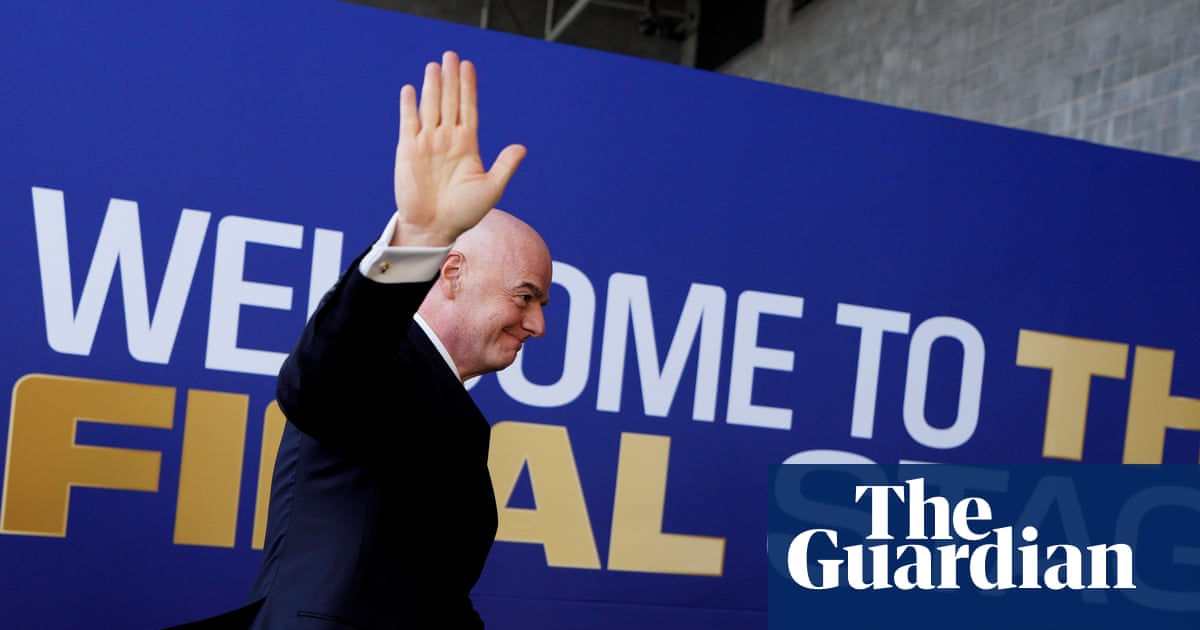
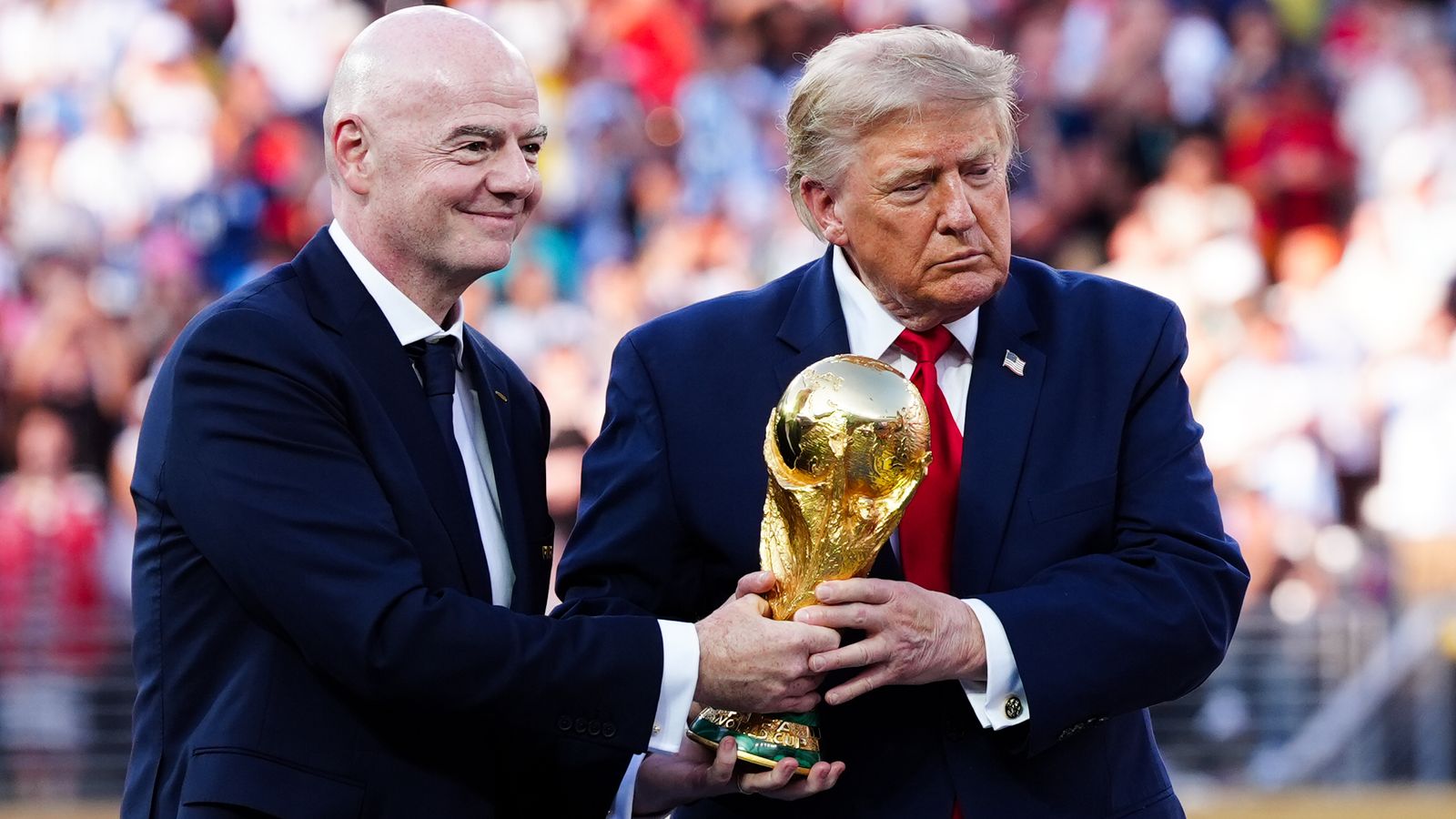
This is not standard protocol. Decisions governed by the disciplinary committee are typically beyond the reach of external political pressure. Yet, reports confirm a phone call occurred between United States President Donald Trump and FIFA president Gianni Infantino. Following this conversation, the ban was lifted, allowing Balogun to remain eligible for tournament selection.
The mechanism behind the intervention
Internal sources suggest the interaction between the White House and FIFA's leadership has bypassed every internal check. FIFA's silence remains a staggering failure of governance. When a head of state calls the lead official during a live tournament to lobby for a player's return to the pitch, the sport's foundation fractures.
The Norwegian Federation has labeled this incident a 'slippery slope' that threatens the competitive balance of the 2026 World Cup. They are not alone in their frustration: official filings from Scandinavian football authorities highlight a serious breach of international competition rules. If political access dictates disciplinary outcomes, the legitimacy of the entire bracket is compromised.
Tactical consequences of the Balogun saga
From a purely tactical perspective, Balogun’s availability alters the US team's attacking structure significantly. His pace and off-the-ball movement are critical to their transition play. Without the suspension, the squad would have been forced to rotate depth options, creating a level playing field for upcoming opponents.
The impact of this saga on team morale is already visible. While the US management team remains locked on their tactical instructions, the external noise is creating a massive distraction. Squad harmony often disintegrates when one player receives favorable treatment that contradicts the standard disciplinary book.
Probability and assessment
The probability of this complaint moving forward is near 100%. The Norwegian Federation has already signaled their intent to the ethics committee. The probability of a reversal—a retroactive ban for Balogun—is less than 5%. FIFA rarely admits institutional error when it involves a head of state.
We are looking at a classic case of institutional capture. Infantino's desire to maintain close ties with powerful world leaders outweighs the necessity of predictable disciplinary standards. The ethics investigation will likely conclude long after the tournament ends, leaving the 2026 record books with an asterisk.
Missing the mark on clean governance
The most glaring flaw in this situation is the lack of transparency from FIFA headquarters. Instead of a clear statement regarding the timeline and legal basis for the appeal, there is only silence. Journalists have seen constant updates on tournament logs, yet the central issue remains unaddressed.
If the governing body cannot enforce its own laws on the pitch, players will lose respect for the officiating staff. Officials are now stuck in a bind: do they call the game by the book knowing the president might call for a review? Or do they officiate with invisible handcuffs?
The expected impact of this scandal is a permanent change in how football nations view FIFA ethics investigations. Whether or not the complaint leads to sanctions, the prestige of the committee is in freefall. Folarin Balogun will remain on the field, but the cost to the game's reputation is at least 100 million in lost trust over the long term.
Read Next
- Norway's FIFA complaint highlights a dangerous precedent for tournament integrity
- The ugly hangover of the 2026 World Cup
- Wayne Rooney proved TV viewers prefer tactical clarity over outrage at World Cup 2026
- Argentina and Spain are headed for a long winter after the World Cup final
- 🏆 World Cup 2026 — Full Coverage Hub