The Cape Verde Paradox
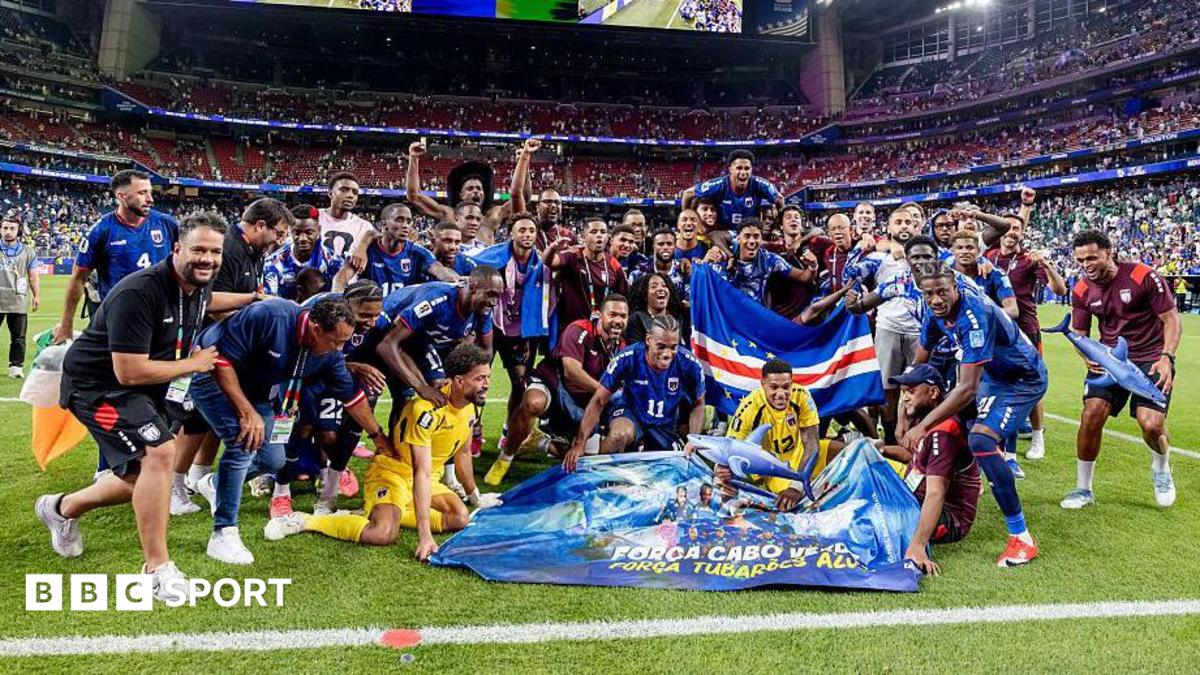
Cape Verde played three matches in Group H and won zero. They scored twice, drew three times, and finished with three points. This statistical profile secured the Blue Sharks second place and a spot in the Round of 32.
In any previous iteration of the modern World Cup, three points with zero wins would have sent a team straight to the airport. Under the expanded 48-team format, it represents a historic qualification. The tournament's competitive filter has been dismantled.
Exactly 66.7% of the field now advances from the group stage to the knockout rounds. In the previous 32-team era, that figure was exactly 50%. The group stage has ceased to be a selection process and has become an administrative formality.
The numbers from this tournament reveal a system designed to protect mediocrity. By allowing the eight best third-placed teams to qualify, FIFA has removed the jeopardy that defined the competition. A team can now play risk-averse, sterile football and still advance.
This is the dual-economy of the new World Cup. One side celebrates the inclusion of debutants like Cape Verde. The other side is forced to watch a diluted sporting spectacle that lacks competitive consequences.
The Math of Mediocrity
To understand the dilution of quality, one must look at the final standings of the third-placed teams. DR Congo qualified with 4 points and a +1 goal difference. Sweden and Ghana advanced with 4 points and a neutral goal difference.
Further down the table, Bosnia & Herzegovina qualified with 4 points and a -1 goal difference. Algeria and Paraguay both booked knockout tickets with 4 points and a -2 goal difference. Senegal even managed to squeeze through with just 3 points, courtesy of a +2 goal difference.
Compare this to the 2022 World Cup in Qatar. In that tournament, Germany finished third in Group E with 4 points and a +1 goal difference and was eliminated. Ecuador finished third in Group A with 4 points and a +1 goal difference and went home.
Under the new 2026 guidelines, both Germany and Ecuador would have easily cruised into the Round of 32. This shift was predicted by statistical projections highlighting the drop in group-stage stakes. The margin for error has widened to a comical degree.
This safety net creates a massive statistical anomaly, reducing the average points tally required to qualify from 4.8 in the 32-team era to 3.1 in the 2026 group stage. The sporting stakes have been systematically lowered.
The Inversion of Tactical Incentives
This statistical safety net has directly impacted how coaches prepare for matches. If three points and a neutral goal difference guarantee qualification, the incentive to attack disappears. Cape Verde's tactical setup in their final match against Saudi Arabia was a case study in this defensive stagnation.
They deployed a low-block 5-4-1 formation that rarely crossed the halfway line. The statistics from that match tell a grim story of defensive entrenchment. Cape Verde finished the 0-0 draw with just 29% possession.
They completed a mere 68% of their passes in their own half. They attempted only two shots, neither of which was on target. Yet, because a draw secured their progress, their manager had no reason to alter his conservative tactics.
In the past, drawing your first two matches meant you had to win your third. The old format forced teams to open up, take risks, and chase goals. Under the new format, the fear of losing outweighs the reward of winning.
The result is a series of final-round fixtures that resemble sterile sparring sessions. Teams are playing for the math, not for the win. The spectator is left to endure ninety minutes of sideways passing.
The Elimination of Risk for Elite Teams
The expansion has also served as an insurance policy for the tournament's heavyweights. Under the old system, a single bad match could derail a giant's campaign. Argentina's shocking 2-1 defeat to Saudi Arabia in 2022 created immediate, high-stakes drama.
In 2026, the elite teams can cruise through the group stage in second gear. Consider Spain's trajectory in Group H. They won their group with 7 points, but their path was never truly in doubt.
Even if they had stumbled against Uruguay, their thumping 4-0 win over Saudi Arabia guaranteed progress. Spain ultimately secured a 1-0 victory over Uruguay, thanks to a strike in the 42nd minute by Álex Baena. The game was played at a walking pace, devoid of the intensity usually found in a clash between global powers.
This lack of urgency is a direct consequence of the format. When 32 out of 48 teams qualify, the big footballing nations have a near-zero chance of group-stage elimination. They can rotate squads, manage minutes, and treat these fixtures as warm-up games.
The television networks get their stars in the knockout rounds, but the fans pay the price. The group stage has been stripped of its competitive teeth. The elite are shielded from their own mediocrity.
A Systemic Flaw in Tie-Breakers
Perhaps the most unfair aspect of the new format is the comparison of third-placed teams. This mechanism ranks teams that have played against completely different opponents in different groups. Senegal advanced with 3 points because they played in a group with a highly unbalanced bottom team.
This allowed Senegal to pad their goal difference in a single match. Meanwhile, Iran, with 3 points and a neutral goal difference, was sent home. This live comparison across groups introduces an element of luck that undermines sporting integrity.
A team in Group A might benefit from playing a late match knowing exactly what scoreline they need to pass a team in Group F. The scheduling itself becomes a competitive advantage. This is a significant flaw in a tournament of this scale.
As BBC Sport analyzed, the lack of jeopardy has cast a shadow over the expanded tournament. The group stage should be a crucible where only the strongest survive. Instead, it has become a bloated preliminary round designed to generate broadcast revenue.
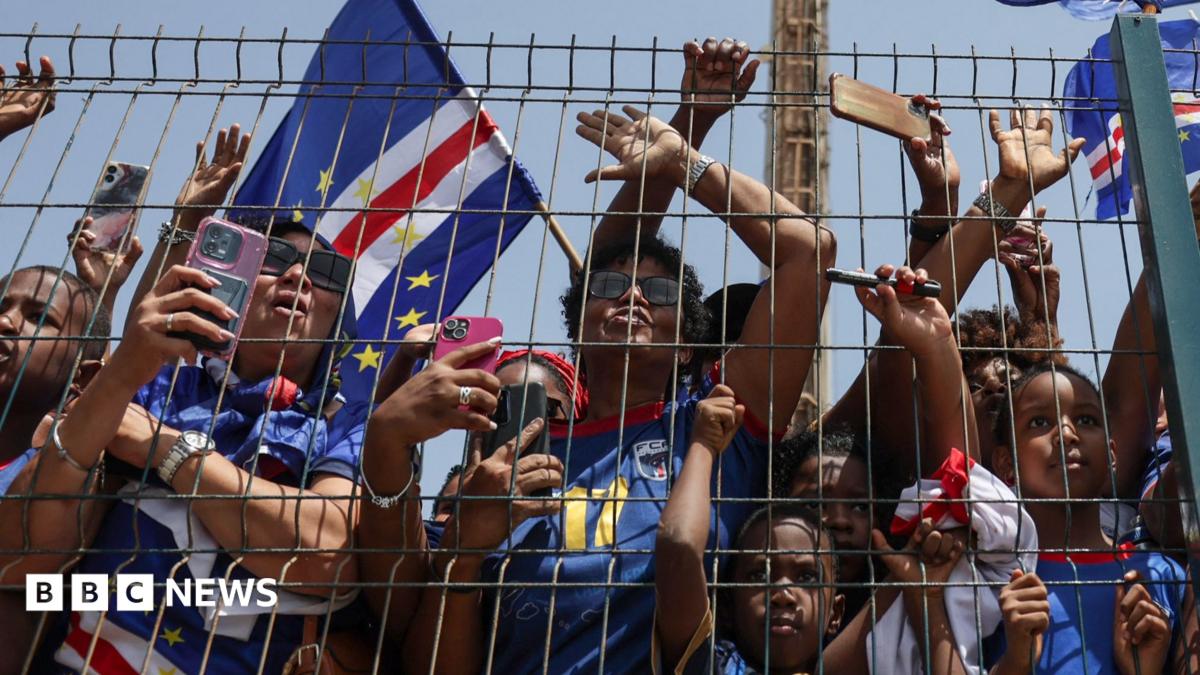
The great stories, like Cape Verde's historic run, cannot mask the structural flaws of this new era. We are left with a tournament that starts with 48 teams but only begins to feel like a World Cup once the Round of 32 kicks off. The mathematical compromise has diluted the beautiful game.
Read Next
- Why Cape Verde's low block is the ultimate trap for Argentina
- FIFA's bloated 48-team World Cup was saved by its own players
- Why Morocco's midfield could dismantle Ronald Koeman's Netherlands
- Why Morocco vs Netherlands is the ultimate tactical derby of World Cup 2026
- 🏆 World Cup 2026 — Full Coverage Hub