
Mexico’s FIFA pivot reveals a fractured power map
Geopolitical posturing at the expense of regional unity
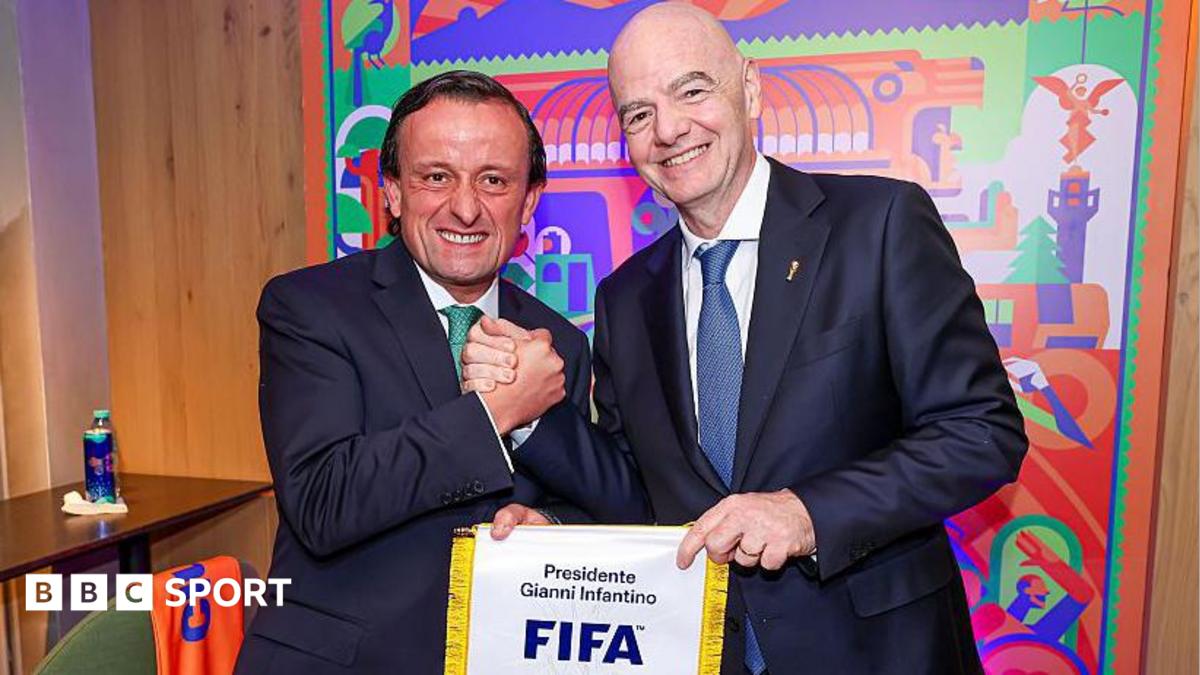
The announcement that the Mexican Football Federation has formally broken ranks with Concacaf to endorse Gianni Infantino’s tenure as FIFA president is a move that reeks of cold, calculated pragmatism. While the public rhetoric likely emphasizes global stability, the timing suggests a desperate gamble for influence ahead of the 2026 hosting cycle. Mexico, alongside Argentina, is playing a game of chicken with their respective confederations.
This decision, as reported by the BBC, strips away the facade of regional solidarity. Concacaf has historically operated as a unified voting bloc, or at least one that pretends to align with its governing body’s stated goals. By going rogue, Mexico is betting that their status as a co-host of the upcoming World Cup provides enough political insulation to survive the inevitable backlash from their neighbours.
The cost of transactional diplomacy
In the world of international football politics, loyalty is a currency that rarely appreciates. Mexico is clearly banking on the idea that Infantino’s survival is the most viable path to ensuring their tournament infrastructure remains on schedule and their domestic interests are protected. It is a cynical maneuver, but one that aligns with the way FIFA business has been conducted since the 2015 corruption scandals.
The risk here is isolation. If Mexico continues to bypass Concacaf on high-level administrative decisions, they weaken their own bargaining power for future broadcasting rights and tournament bids. When you fracture the unity of a regional bloc, you rarely get invited back to the table on your own terms. We are watching the erosion of traditional power centers in real time.
Tactical flaws in the boardroom
The failure to keep a united front with Concacaf is not just a diplomatic mistake; it is a tactical blunder. By publicly exposing the division within the Americas, Mexico has handed Infantino a massive win while simultaneously undermining their regional colleagues. It shows an inability to navigate the complex inter-organizational pressures that have defined the past decade of international football governance.
There is also the matter of optics. Aligning so closely with a figure as polarizing as Infantino might look like a short-term shield against administrative pressure, but it leaves Mexico vulnerable if the winds of internal FIFA politics shift unexpectedly. Recent history shows us that managers and federations often overestimate their ability to read the room. Following the lessons learned from Manchester United’s summer market moves, clubs and federations alike often trade long-term stability for immediate, short-sighted tactical gains.
Ultimately, Mexico’s move is a symptom of a larger rot. When national federations prioritize individual leverage over regional strength, the game’s institutional health suffers. They have gained a temporary ally in FIFA’s hierarchy at the cost of their credibility within their own backyard. Whether this pays off when the final whistle blows on the 2026 World Cup is uncertain, but the immediate result is a fractured landscape where no one is truly holding the cards.
Everything to Play For: The Greatest Games of the Premier League
Relive the chaotic, historic, and iconic moments that defined the Premier League
Frequently Asked Questions
Why did the Mexican Football Federation break from Concacaf?
What are the risks of Mexico's decision to support Infantino?
How does this move impact Concacaf's unity?
What is the expected benefit for Mexico in the 2026 World Cup?
What does the article suggest about international football politics?
More Coverage

Gianni Infantino is backing down after his FIFA privatization plan collapsed
1 day, 2 hours ago
Top 10: Top Moments in FIFA's Governance War
1 day, 2 hours ago
Gianni Infantino wants us to believe FIFA can actually fix itself
1 day, 3 hours ago
FIFA turned the 2026 World Cup into a 28-hour junk food infomercial
1 day, 18 hours agoFIFA's 48-team group stage was a complete circus and we all know it
2 days, 17 hours ago
FIFA's three-week September window is a tactical disaster waiting to happen
5 days, 8 hours agoMore Analysis
Gianni Infantino is backing down after his FIFA privatization plan collapsed
1 day, 2 hours ago
Top 10: Top Moments in FIFA's Governance War
1 day, 2 hours ago
Gianni Infantino wants us to believe FIFA can actually fix itself
1 day, 3 hours ago
Gianni Infantino faces governance breakdown as European FAs pull support
4 weeks, 1 day ago