The cracks in the Concacaf facade
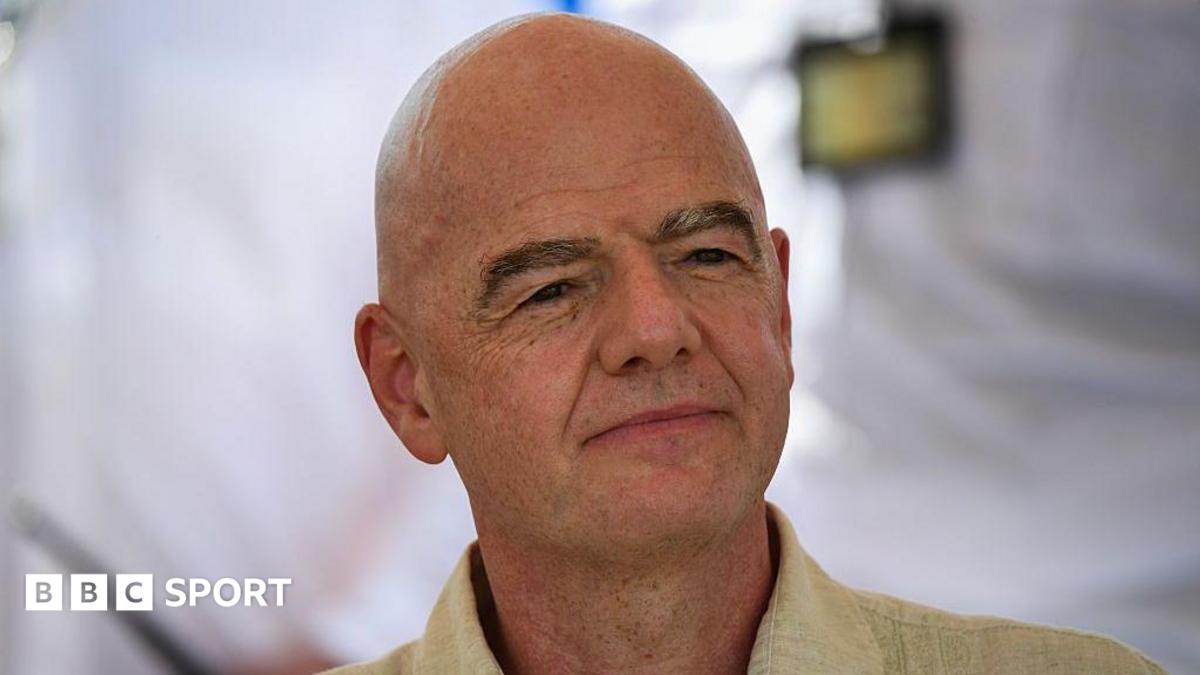
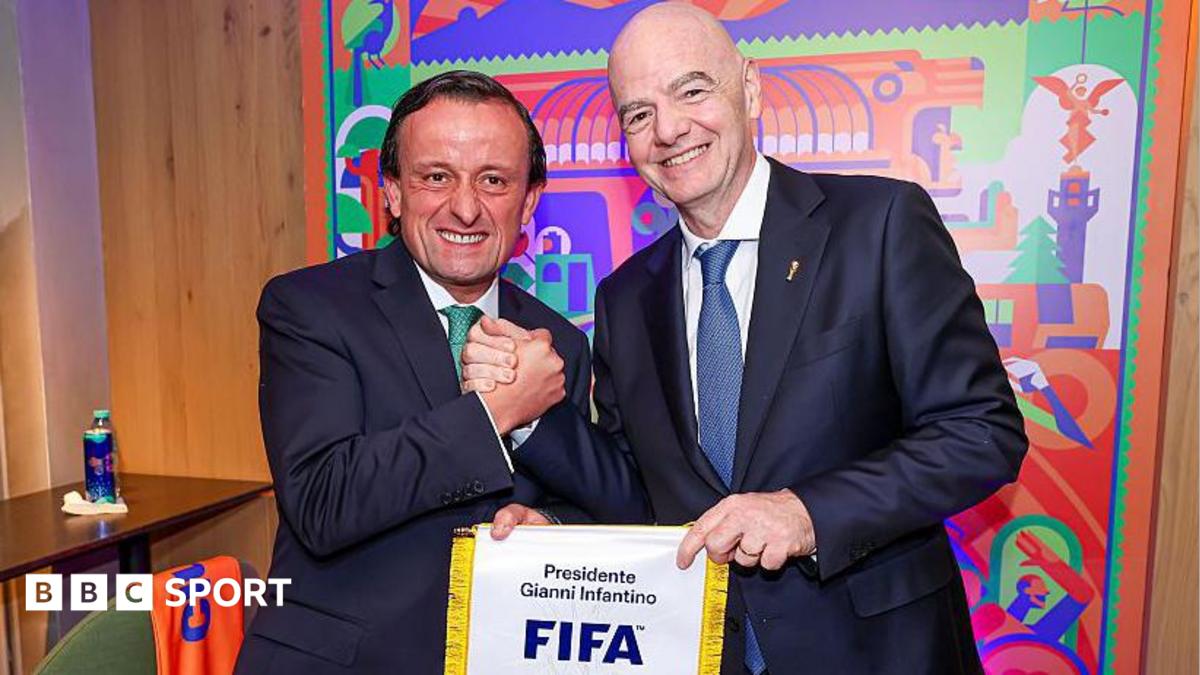
Mexico’s decision to break ranks with Concacaf and openly back Gianni Infantino is a move that defies standard diplomatic logic. By stepping away from the regional consensus, the Mexican Football Federation has signaled that its internal priorities have drifted far from the collective interests of its neighbors.
This isn't just a disagreement; it’s a strategic realignment. With the 2026 World Cup co-hosting duties looming, the timing of this public support is peculiar. It suggests that behind the scenes, specific guarantees or influence operations are likely in play to ensure that Mexico retains its leverage as the tournament approaches.
The cost of siding with the center
Infantino’s tenure has been defined by a constant battle to consolidate power among smaller, peripheral nations while keeping the giants of Europe and South America at bay. By joining Argentina in this endorsement, Mexico has effectively handed the FIFA president a lifeline at a time when he is facing significant institutional scrutiny.
The move ignores the growing tension within Concacaf regarding how resources and political capital are distributed across the region. If the goal was to secure better standing for the North American federation, this action feels like a miscalculation that could lead to isolation. Mexico is positioning itself as an outlier, and in the high-stakes game of FIFA politics, outliers rarely get the best hand at the table.
Why this gamble fails on the pitch
On a practical level, this politicization is a distraction that the federation does not need. The focus should be on the logistical hurdles of the upcoming tournament. Instead, the leadership is embroiled in a public endorsement that offers zero benefit to the actual football product.
The internal disarray within the Mexican setup is becoming increasingly hard to ignore. A recent report from the BBC highlighted how this break in regional unity marks a departure from how things were handled during previous cycles. It is a cynical play that prioritizes administrative access over the stability of the footballing region.
My prediction for the fallout
Mexico will eventually find that this bet yields very little return. When the inevitable shift in FIFA leadership occurs, those who stayed silent or resisted will hold more influence than those who burned bridges with their own regional bloc to save one man's career.
I expect the next two years to see increased friction within Concacaf meetings. Mexico will be treated with suspicion by the other members, limiting their ability to negotiate effectively on matters that actually matter—like prize money distributions and scheduling parity for the tournament. The 0.0% chance of this being a net positive for their international standing is a conservative estimate.