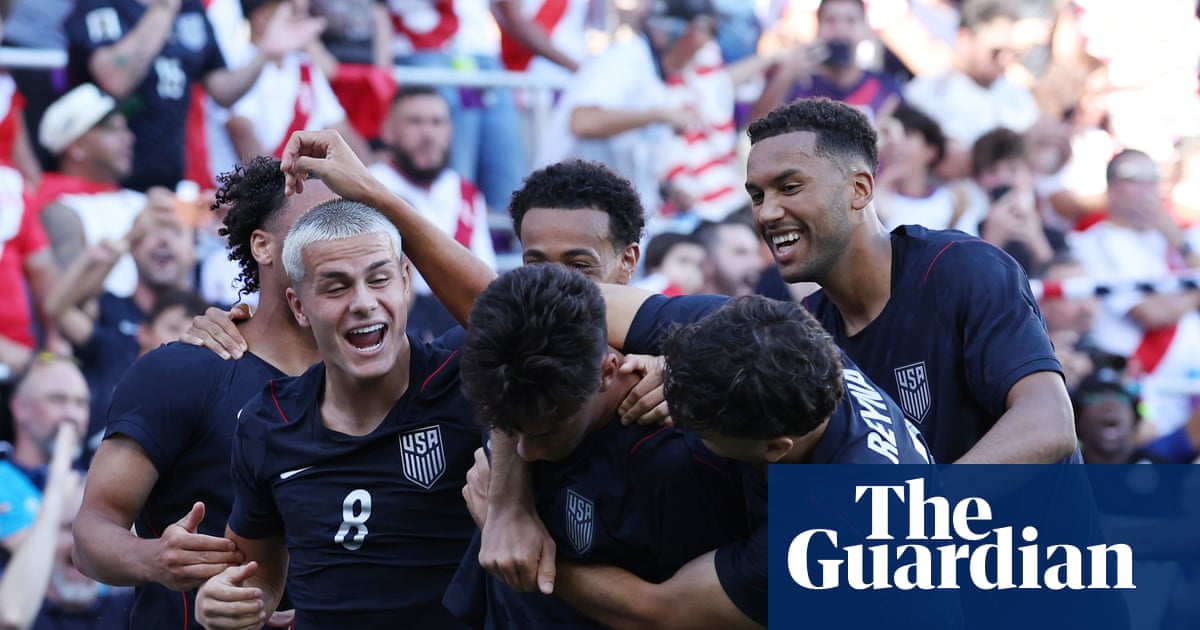
Pull up a bar stool, crack open a cold lager, and let’s talk about the absolute car crash in Seattle. If you thought the USMNT was finally ready to sit at the big boy table, you got a front-row seat to them falling off the high chair instead. The grand 2026 World Cup dream did not just die; it was run over by a tractor, set on fire, and pushed into Puget Sound.
Getting bounced on home soil in the knockout stages is bad enough. But doing it with all the coordination of a newborn giraffe on roller skates is a different level of pain. We were promised a golden generation, but what we got was a team that looked like they met in the parking lot ten minutes before kickoff.
Naturally, the post-mortem has begun, and everyone is pointing fingers at the tactics, the coaching, and the federation. But let’s cut through the media-trained garbage and look at the elephant in the room: the Folarin Balogun recruitment saga. We spent eighteen months treating this guy like the second coming of Pele, with every twist tracked on international sports portals before he even signed the papers.
Remember the spring of 2023? The entire American soccer internet turned into flight-trackers and amateur detectives because a twenty-one-year-old striker went to Orlando. We behaved like desperate teenagers waiting for a text back from the popular kid.
The Savior Complex That Broke the System
We got our guy, sure, but at what cost? The moment Balogun chose the red, white, and blue, the entire tactical structure of this team was thrown into a woodchipper. We abandoned everything that made this group competitive just to make him comfortable.
Before Balogun arrived, this team had an identity, even if it was a basic one. We had a high-intensity, press-heavy midfield that behaved like three rabid dogs chasing a frisbee. We won games by making opponents hate every second they spent on the ball.
Then came the shiny new toy from Arsenal, fresh off scoring 21 goals for Reims in Ligue 1. Suddenly, the mandate from the top was clear: build the entire plane out of Folarin Balogun. The high-press was binned because Balogun prefers to play on the shoulder and conserve energy.
Instead of a cohesive unit, we became a team of eleven individuals hoping for a moment of individual magic. The midfield of Weston McKennie, Tyler Adams, and Yunus Musah was stripped of its defensive bite to accommodate extra attackers. We went from a hard-nosed, annoying team to play against to a soft touch that got cut open on the counter.
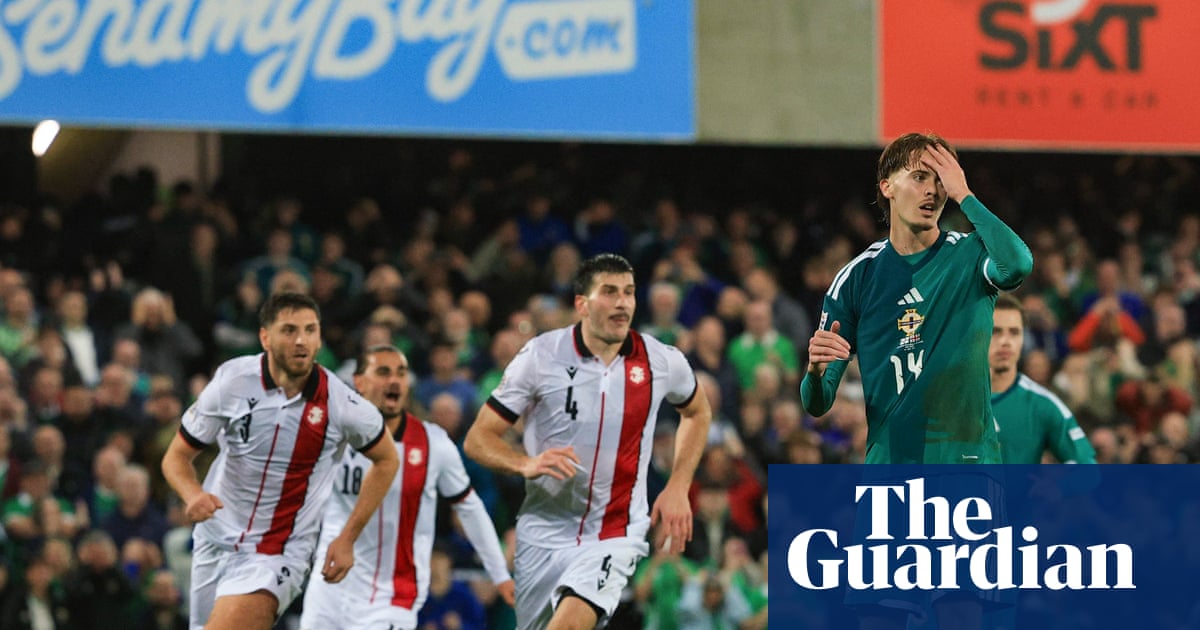
Look at how the tournament ended in Seattle against a disciplined, battle-tested opponent. We looked completely lost, unable to string three passes together without someone turning it over. As the BBC reported, the team's tournament ended in shambolic fashion, leaving fans wondering how it all went so wrong.
Balogun himself looked like a guy playing a completely different sport than his teammates. He was making runs that went completely ignored while Christian Pulisic drifted inside to do everything himself. It was like watching a local garage band try to play a show with a lead singer who only knows jazz standards.
Historical Blunders and the Ghost of Chelsea's Past
This is not a new story in football history. We’ve seen this movie before, and it always ends with the director getting fired. Remember when Chelsea spent a fortune on Andriy Shevchenko in 2006 because Roman Abramovich wanted a superstar?
Shevchenko was a world-class striker, but his arrival completely broke Jose Mourinho’s finely tuned machine. Didier Drogba was sidelined, the tactical balance was ruined, and Mourinho was gone soon after. The USMNT pulled the international version of that blunder, prioritizing a name over a system.
Or look at England's golden generation trying to force Steven Gerrard and Frank Lampard into the same midfield. Managers spent a decade refusing to make a hard decision, choosing instead to play a broken system just to keep their stars on the pitch. The USMNT did the exact same thing by refusing to bench Balogun even when Ricardo Pepi was clearly in better form.
Let's talk about Ricardo Pepi for a minute. The kid scored massive goals in qualifying, put in the dirty work, and showed real chemistry with the rest of the squad. But the moment the shiny dual-national committed, Pepi was relegated to the bench like an old toy.
Imagine working your tail off for the badge, only to get replaced by a guy who needed a PowerPoint presentation and a shoe deal to convince him to play for your country. That does things to a locker room. You can’t build team culture when the message from management is that recruitment matters more than performance.
And it's not like Balogun was lighting up the scoreboard when it counted. He had his moments, sure, but in the biggest games, he vanished quicker than a magician's assistant. In the decisive knockout match, he registered exactly zero shots on target and only had twelve touches in the opposition box.
Time to Tear Down the Red Carpet
That is a pathetic return for a player who was supposed to be the final piece of the puzzle. When the pressure got turned up in Seattle, the team folded like a cheap tent. The final whistle blew on a depressing 2-0 defeat that felt even worse than the scoreline suggested.
The federation spent three years selling us a dream about 2026. They wanted us to believe that hosting the tournament with this core group of players would dominate world football reports. Instead, we got a reality check that showed just how far behind we really are.
We wanted to be the 2002 USMNT that shocked the world in Korea, playing with house money and zero fear. Instead, we looked like the 1998 squad that finished dead last in their group amid infighting and tactical confusion. It was a complete institutional failure from top to bottom.
So where do we go from here? First, we need to stop the endless chase for dual-national saviors. We need to accept that a team is built on the training pitch, not in the recruitment office.
We need three simple rules going forward:
- Stop recruiting players who treat the national team like a backup plan.
- Establish a clear playing style that doesn't rely on individual hero ball.
- Reward performance in camp rather than reputation in Europe.
If a player doesn't want to play for the badge without a red carpet rolled out for them, let them play for someone else. We need players who are ready to run through brick walls, not guys who need their egos stroked before every camp.
Second, the new manager needs to have the guts to drop big names when they aren't performing. If Balogun isn't fitting the system, bench him. If Pulisic is hogging the ball and slowing down the attack, tell him to pass or sit down.
The era of player empowerment in the national team needs to end today. We need a coach who cares more about the tactical blueprint than making sure everyone's agent is happy.
The 2026 World Cup was supposed to be the launchpad for soccer in America. Instead, it feels like we’re back at square one, looking at a rebuild that should have started two years ago. Grab another beer, folks, because this is going to be a long, painful road back.
Read Next
- Chaos by numbers: The tactical data behind a historic World Cup
- Why Folarin Balogun's suspension farce backfired on U.S. Soccer
- The USMNT's World Cup run ended in the most embarrassing way possible
- Why Premier League keepers are heading for trouble after FIFA's corner reset
- 🏆 World Cup 2026 — Full Coverage Hub
- 🇺🇸 USMNT World Cup 2026 — Team USA Coverage Hub
- ⚽ MLS 2026 Season Hub — World Cup Year Guide