In the 2022 World Cup in Qatar, only 12.5% of knockout matches featured a team recovering from a two-goal deficit. In the opening round of the 2026 knockouts, that figure has spiked to 37.5%, transforming tactical control into a relic of the past. The data tells a story of systemic structural collapse across the board.
Tactical frameworks are dissolving under the pressure of hyper-vertical attacking transitions. Traditional defensive blocks are failing to compress the space between the midfield and defensive lines. When the press is broken, the defensive recovery runs are simply too slow to match modern forward lines.
This statistical shift has redefined how managers approach the knockout stages. Safety-first possession has been replaced by high-risk vertical passing. The numbers show that holding the ball is no longer a defensive shield.
The Death of the Controlled Mid-Block
The tactical destruction of the USMNT by Belgium in Seattle, as seen in The Guardian's live reporting, is the cleanest example of this trend. Mauricio Pochettino set up the Americans in a high-octane pressing structure, designed to trap Belgium near their own box. The plan failed because Belgium bypassed the press entirely with direct vertical passes.
Belgium's manager Rudi Garcia targeted the spaces behind the overlapping American fullbacks. Tyler Adams and Weston McKennie, operating as a double pivot, were pulled out of position repeatedly. This lateral movement created massive passing lanes for Belgium's central midfielders to exploit.
The opening goal arrived in the 9th minute. Charles De Ketelaere timed his run perfectly to latch onto a cross, finishing past Matt Freese to make it 1-0. The American backline was caught completely flat-footed, unable to adjust to the speed of the transition.
The statistical reality is that the USA maintained 58 percent possession over the ninety minutes. Yet this was sterile, useless possession that rarely threatened Thibaut Courtois in the Belgian goal. Pochettino's team played with zero verticality, settling for slow, sideways passes that allowed Belgium to reset.
A brief moment of hope arrived in the 31st minute. Malik Tillman won a free-kick and his effort took a lucky deflection off the wall, flying past Courtois to equalize. The crowd of eighty thousand in Seattle went wild, but the celebration lasted exactly two minutes.
A total concentration failure allowed Belgium to score straight from the kickoff. De Ketelaere struck again in the 33rd minute, rising completely unmarked to head home a cross. As Pochettino later admitted, the team conceded the next action immediately after scoring.
Pochettino's midfield spacing dissolved completely in the second half. His decision to replace Adams with Ricardo Pepi in the 73rd minute was tactical suicide. It left the central channels completely open for Jeremy Doku to run riot.
The game was effectively killed in the 57th minute. Goalkeeper Matt Freese committed a catastrophic error, hesitating outside his box on a long ball. Hans Vanaken pounced on the loose ball, leaving the stranded keeper in no-man's-land to slot it home for 3-1.
Romelu Lukaku sealed the 4-1 scoreline in the 93rd minute. Chris Richards scuffed a routine clearance, gifting the ball to the veteran striker. The final whistle brought an end to an absolute circus in Seattle, which had been dominated by the off-field controversy surrounding Folarin Balogun.
As fans discussed on the Sky Sports live blog, the controversy disrupted the American camp. FIFA had lifted Balogun's suspension after a phone call from Donald Trump to Gianni Infantino. On the pitch, the political favors counted for nothing against Belgium's clinical execution.
The Physics of the Late Comeback
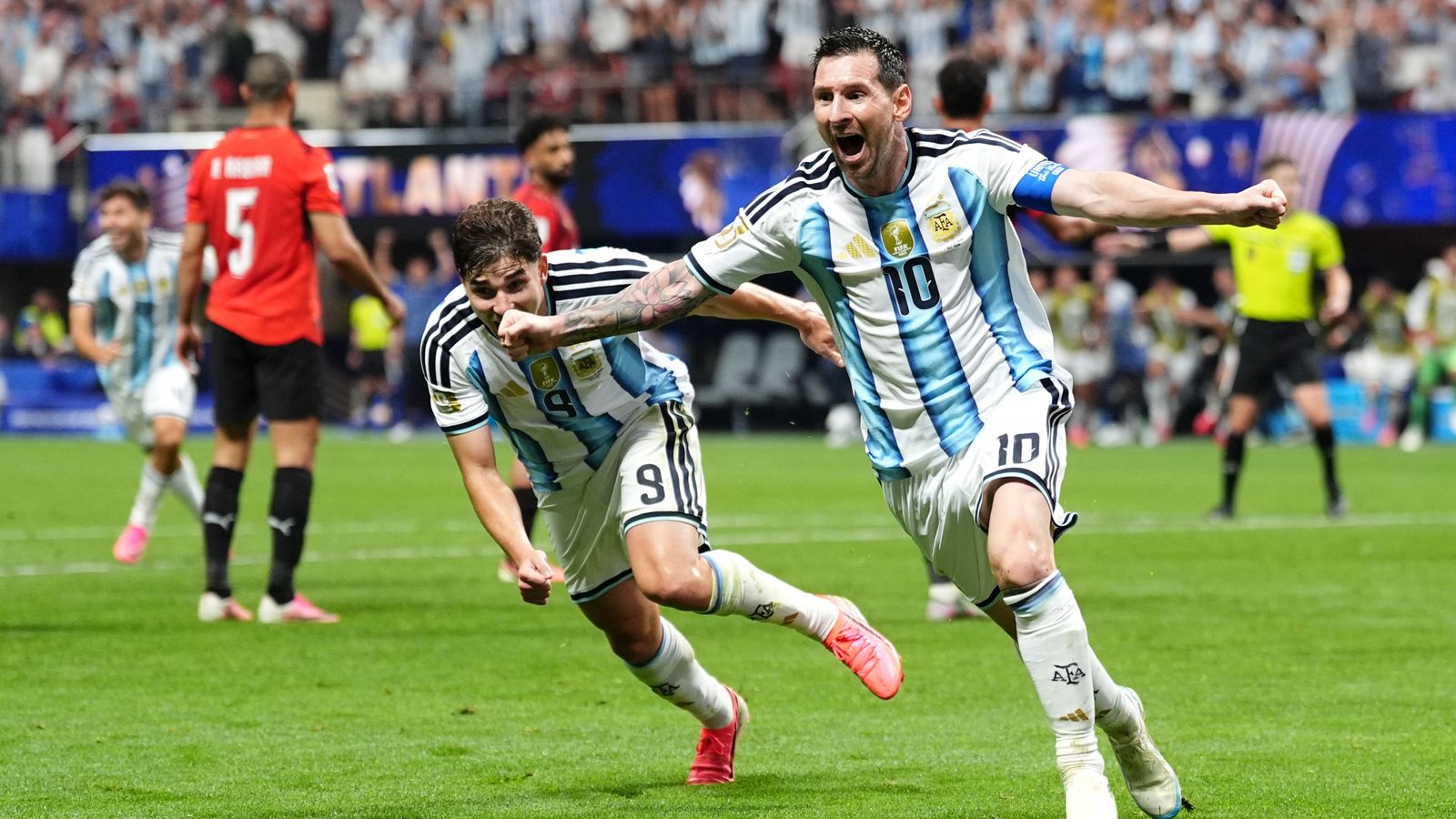
The most dramatic statistical anomaly of the tournament occurred during Argentina's match against Egypt. The defending champions looked dead and buried, trailing 2-0 in the 78th minute. Egypt had executed a perfect defensive plan, scoring through Yasser Ibrahim and Mostafa Ziko.
Argentina's comeback defied the historical probability models. Cristian Romero sparked the revival in the 79th minute, scoring with a header from a corner. Lionel Messi equalized in the 83rd minute, sparking emotional scenes on the pitch as Messi wept in relief.
Enzo Fernández scored the decisive winning goal in the 92nd minute to seal a 3-2 victory. The quick succession of goals exposed a fatal flaw in Egypt's defensive setup. When under pressure, Egypt's defenders dropped too deep, abandoning the midfield channels.
Egypt was left furious by several controversial officiating decisions, including a disallowed goal for Mostafa Ziko. The Egyptian Football Federation has filed a formal complaint with FIFA. But the tactical lesson is clear: dropping into a low block too early invites structural disaster.
This pattern matched Belgium's chaotic escape against Senegal in the previous round. In that match, Belgium struggled to build play against Senegal's aggressive mid-block. Before Romelu Lukaku's introduction in the 76th minute, Belgium generated a pathetic 0.71 xG.
Senegal had taken a 2-0 lead through Habib Diarra and Ismaila Sarr. Belgium clawed their way back to 2-2 in normal time before winning in extra time. Youri Tielemans converted a highly controversial 117th-minute penalty after Lamine Camara's challenge.
The data shows that both Argentina and Belgium survived on individual brilliance rather than structural design. Their defensive transitions remain highly vulnerable. Both teams conceded high-quality chances when forced to defend large spaces.
Haaland and the High-Line Trap
Norway's 2-1 shock victory over Brazil, which was covered live by The Guardian, proved the futility of using a high defensive line against elite transitional forwards. Erling Haaland was the difference, scoring both goals in the 79th and 90th minutes. The Norwegian striker, wearing 'Braut Haaland' on his jersey, now has 7 goals in this tournament.
Brazil dominated possession, controlling 62% of the ball. Yet they conceded five big chances on the counter-attack. Marquinhos and Wout Faes simply did not have the recovery speed to cope with Haaland's lateral movements.
This is the counterintuitive reality of the tournament: possession is no longer a defensive shield. Instead, it has become a pressing trigger. Opponents are happy to cede the ball, waiting for a turnover to launch immediate vertical transitions.
Brazil's newspapers raged over their cowardly exit. Manager Carlo Ancelotti was heavily criticized for his tactical setup. The five-time champions had no answers to Norway's direct, physical approach in the final third.
The Red Card As a Tactical Catalyst
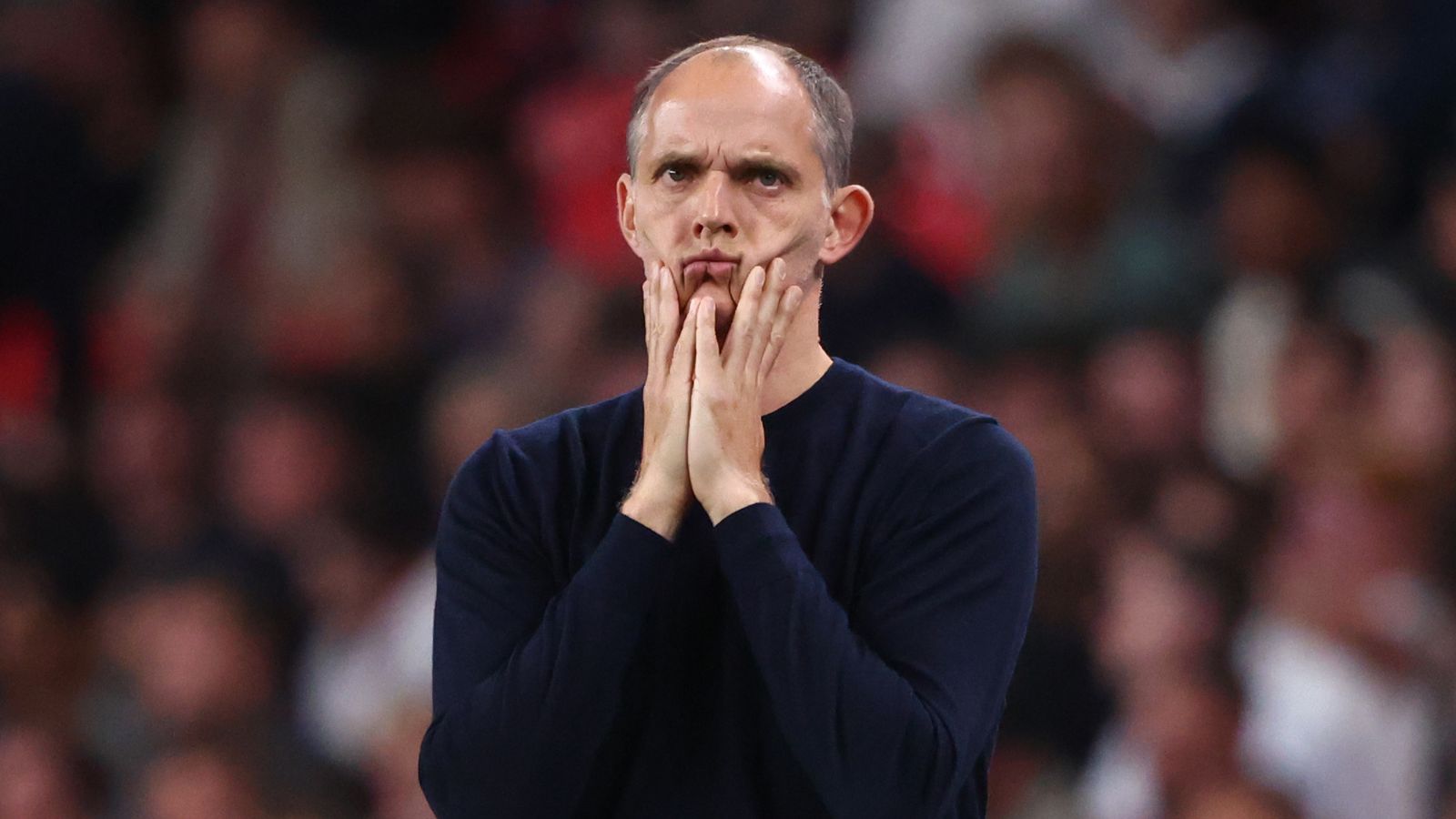
We saw a similar tactical shift in England's dramatic 3-2 victory over Mexico at the Azteca. Before Jarell Quansah was sent off in the 54th minute for a high challenge, England controlled the match. After the red card, Thomas Tuchel was forced to reorganize his team.
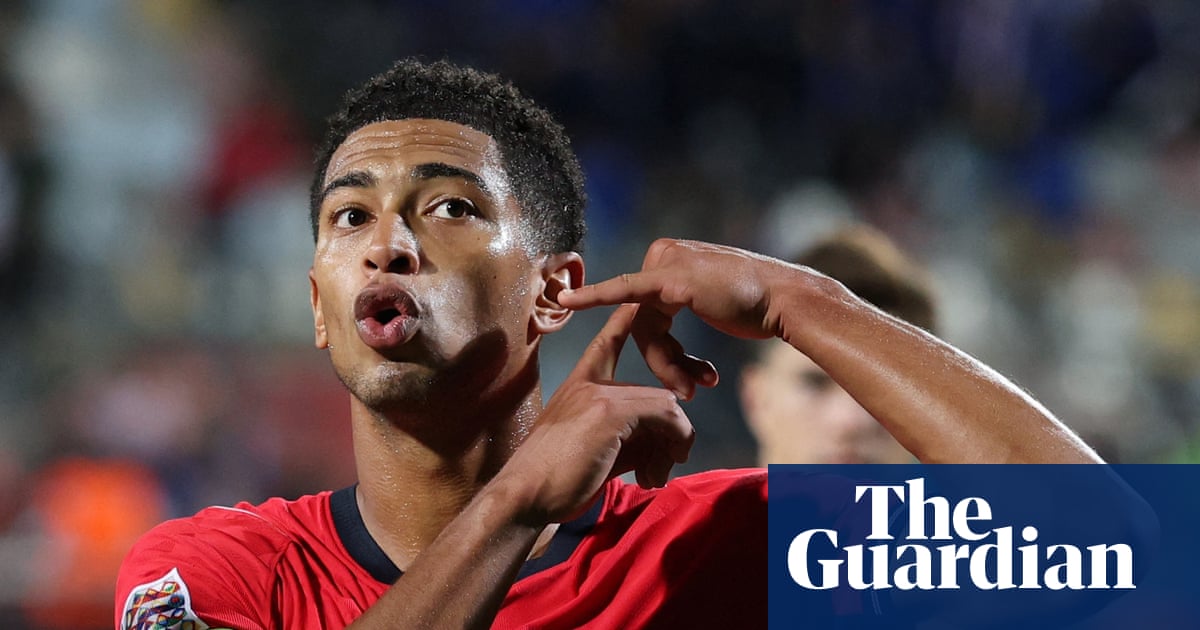
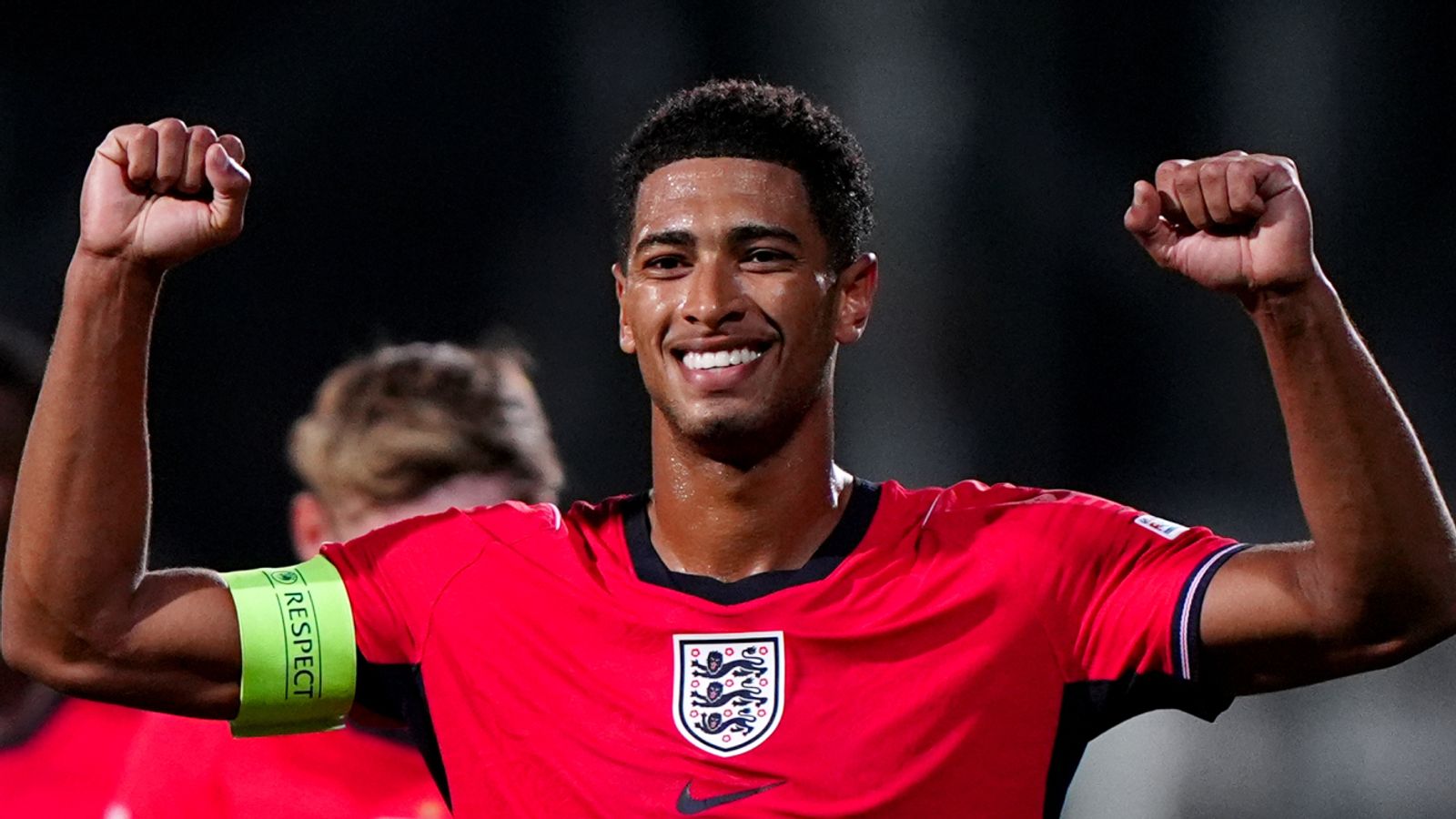
Tuchel's ten-man solution was to drop into a compact 4-4-1 block. This adjustment actually improved England's defensive spacing, closing the half-spaces that Mexico had exploited. Jude Bellingham put in an outstanding defensive shift, covering 6.8 kilometers in the second half.
Harry Kane scored the winning goal to seal the victory, but the match came at a high cost. Jordan Henderson suffered a freak injury during the post-match celebrations. England's medical staff confirmed the midfielder was taken away on a stretcher.
Tuchel now faces a defensive crisis ahead of England's quarter-final clash with Norway. With Quansah suspended, the England manager must find a way to stop Haaland. If England leave the same gaps they did against Mexico, Haaland will exploit them ruthlessly.
The tactical fallout from these matches shows that stability is a myth in this tournament. Managers who refuse to adapt their defensive structures are being punished. Every match is decided by fine margins in transition.
As teams prepare for the quarter-finals, the data suggests that defensive resilience is the only path to the final. The side that can best manage their defensive transitions will lift the trophy. For now, the tactical handbook is being rewritten after every match.
Read Next
- The tactical numbers that will define the World Cup quarter-finals
- Argentina survived Egypt in Atlanta, but their defense looks broken
- Why Erling Haaland will expose England's defensive crisis in the last eight
- Enzo Fernandez saves Argentina from a tactical disaster in Atlanta
- 🏆 World Cup 2026 — Full Coverage Hub