The Big American Pitch That Never Quite Added Up
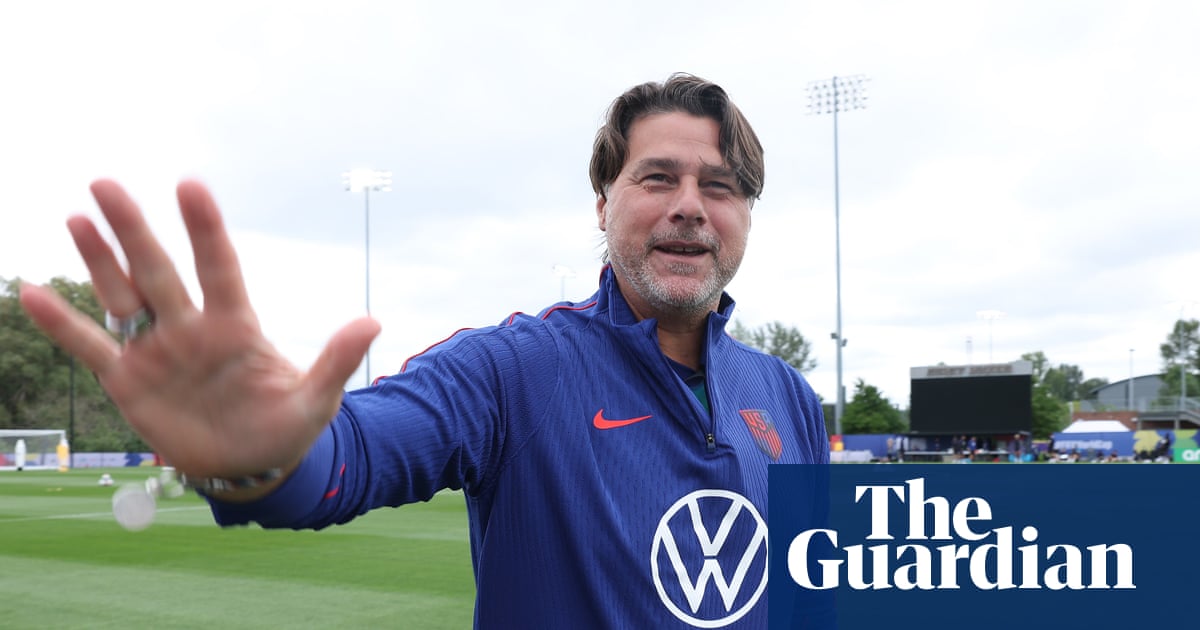
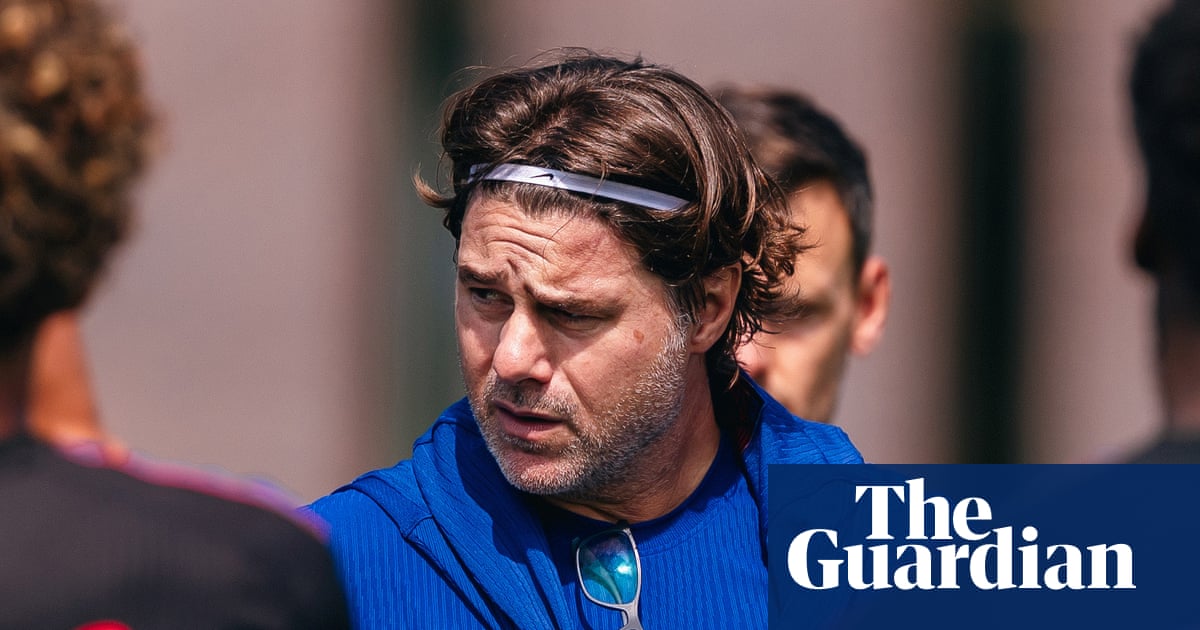
Mauricio Pochettino has landed where everyone always knew he wanted to be. After two turbulent years running the United States men's national team, the Argentine manager accepted Manchester United's offer this week to take over at Old Trafford. For American supporters, the move brings relief mixed with lingering frustration.
The entire saga felt predictable from the start. In September 2024, the federation introduced him on the 24th floor of a Manhattan skyscraper after a disastrous Copa América cost his predecessor the job. With a home World Cup looming in two years, the United States needed an elite manager.
Pochettino wasted no time selling the dream. Asked about the squad's culture, he pointed to the four-time World Cup champion American women as the standard. He told anyone listening that the men had to shed their inferiority complex and aim for the top.
“We need to believe that we can win,” Pochettino said that day in September 2024. “That we can win not only a game: We can win the World Cup.”
It sounded intoxicating on television. Casual fans bought into the rhetoric immediately, while diehard supporters, worn down by decades of disappointment, desperately wanted to trust him. Yet hearing that the US could win a men's World Cup felt borderline preposterous.
Pochettino never backed off the slogan. He repeated it behind closed doors, on national broadcasts, and directly to Donald Trump. Selling belief was his favorite weapon.
The problem was that his actions never matched the speech. While preaching dedication to American soccer, his eyes were always darting across the Atlantic. Rumors tying him to English clubs surfaced constantly throughout his tenure, and Pochettino rarely went out of his way to quash them.
Instead, he stoked the fire. American fans would wake up to social media clips of their coach praising the Premier League. As The Guardian reported, he openly floated the idea of returning to England while actively leading the national team.
Coaches protect their careers, and nobody expected him to stay forever. But openly flirting with Premier League clubs before a home World Cup was galling. The United States was never his destination; it was simply a waiting room.
Singing in the Rain Against Paraguay, Crushed by Belgium
When the 2026 World Cup arrived on home soil this summer, the tournament produced pure whiplash. One week Pochettino looked like a genius who had unlocked America's best talent. The next week his team looked completely lost, overwhelmed by basic tournament intensity.
The high point arrived against Paraguay. The Americans delivered a stunning 4-1 demolition that stands as the finest World Cup showing in program history. Everything Pochettino promised seemed to come alive on the field.
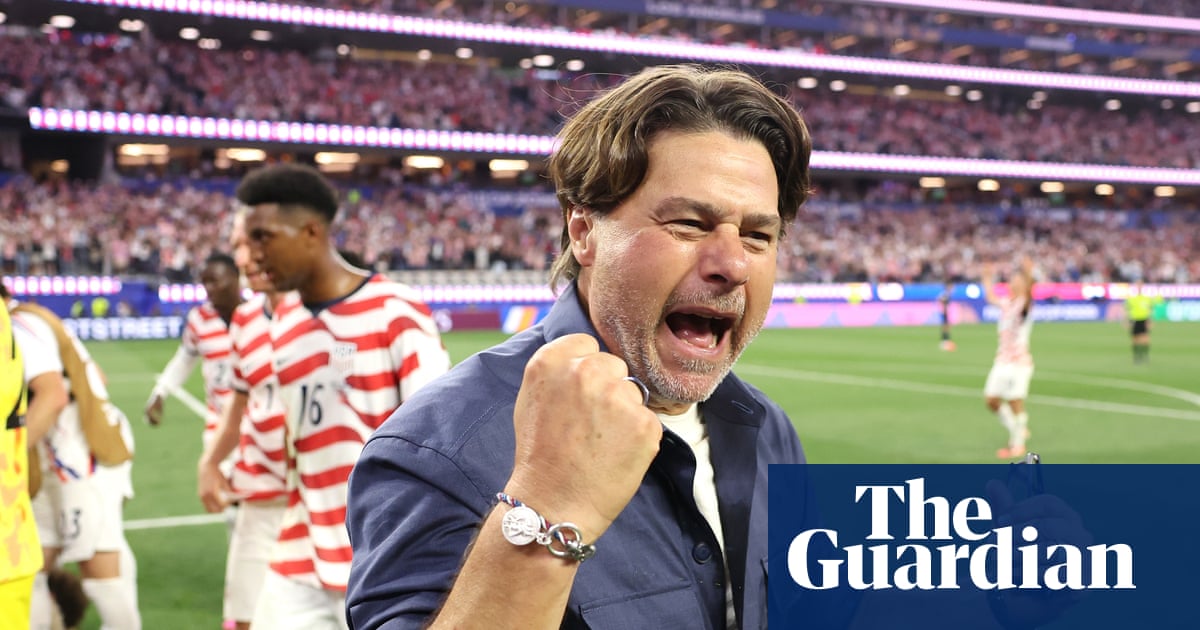
The scene on the sideline was unforgettable. At the final whistle, Pochettino stood near tears, singing "Country Roads" with the stadium speakers and praising the American sporting spirit. For two days, the country bought the fantasy.
Then reality arrived. A few weeks later, the Americans walked into the round of 16 against Belgium and suffered a devastating 4-1 drubbing. The defeat was a traumatic collapse that ranks among the worst World Cup showings the program has ever endured.
The contrast was staggering. Against Paraguay, momentum and energy carried the squad through every challenge. Against Belgium, the lack of defensive cohesion was exposed the second an elite opponent raised the tempo.
To be fair, his defenders can point to real milestones. He guided the team through the group stage at a home tournament, generated national buzz, and gave the country that landmark Paraguay victory.
Yet tournament soccer ruthlessly separates good coaches from great ones. When the stakes peaked, Pochettino's squad looked totally unprepared for Belgium's quality. Slogans about belief could not disguise the organizational void.
Thin Skin, External Excuses, and the Gold Cup Whine
The on-pitch volatility was frustrating, but Pochettino's reaction to scrutiny was even more revealing. Throughout his two years in the States, he carried an odd fragility whenever questioned by reporters. For a manager who spent years under the brutal British press, his reaction to gentle American media was strange.
Take the group-stage loss to Turkey earlier this summer. According to The Guardian, Pochettino butted heads with journalists who questioned the fallout of the Turkish defeat. Rather than addressing the flaws on the pitch, he grew combative on the podium.
The hostility made no sense. In America, soccer still trails the NFL, NBA, and baseball by a wide margin. Pochettino faced a fraction of the pressure he would encounter in Europe, yet he treated routine questions like a personal attack.
We saw that same defensive posture twelve months earlier in Houston. After losing the 2025 Gold Cup final to Mexico, Pochettino openly complained that the United States had to play in front of a pro-Mexico crowd on home soil. He sounded stunned that Texas was filled with green shirts.
Any fan could have told him what to expect. Mexico has drawn massive crowds across Texas for half a century, and a brief conversation before taking the job would have explained the dynamic. Blaming ticket sales was an embarrassing deflection.
He also took aim at domestic soccer culture. He criticized Major League Soccer for lacking real stakes and argued that young American prospects are coddled in academies without facing true professional urgency.
Those criticisms contained plenty of truth. Many observers have made similar points about the league's closed structure. But coming from a coach deflecting after his own tactical failures, they sounded like convenient excuses.
What Manchester United Are Really Buying
Manchester United supporters must look past the marquee name and study the American tape. Pochettino remains an engaging manager capable of inspiring great football in bursts. But his American stint confirmed habits that should worry United fans.
When asked by The Guardian on Friday to define his lasting impact on the American program, Pochettino struggled to find an answer. At first, he laughed off the question about his own reputation.
“I am not arrogant,” Pochettino replied with a smile and a laugh. “Well, not arrogant enough. I am a little bit arrogant.”
When pressed on what he actually built, he pivoted entirely to warm personal connections rather than trophies or long-term growth. His definition of success sounded remarkably detached from competitive results.
“The most valuable feeling that we get isn’t one victory, or that we helped in the program,” he said. “It is that relationship in the program – even when you cross the sea, you look and smile because I think you share the values that are very important in life, more important than anything else. That is our principal that we respect always.”
That sentiment sounds lovely in a farewell interview. But Manchester United do not pay millions for warm memories and nostalgic smiles. United need a disciplined tactician who can fix a fragile squad and deliver trophies under relentless scrutiny.
If Pochettino could not handle questions about losing to Turkey, how will he react when pundits tear apart his lineup after a Tuesday defeat? If he complained about Mexican supporters in Houston, how will he handle hostile away crowds across the Premier League?
Old Trafford will not offer the patience he enjoyed in North America. His emotional approach will produce electric afternoons, but United have seen that movie before. They have spent a decade hiring managers who talked about identity while failing to build structural discipline.
Pochettino left American soccer exactly where he found it: searching for answers and wondering what went wrong. He arrived promising the world, sang in the rain against Paraguay, and jumped on the first flight back to England the moment Old Trafford called. United fans can celebrate the hire, but the American warning signs are impossible to ignore.
Read Next
- Man United want Mauricio Pochettino and US Soccer should take the money
- Poch built the engine and Jose burned it, but neither was the best
- Man United want Martin Baturina but an €80m fee makes no sense
- Man United fans are losing their minds over Michael Carrick
- 🏆 World Cup 2026 — Full Coverage Hub
- 🏆 Europa League Final 2026 — Full Coverage Hub