The emergency loan that exposes the cycle
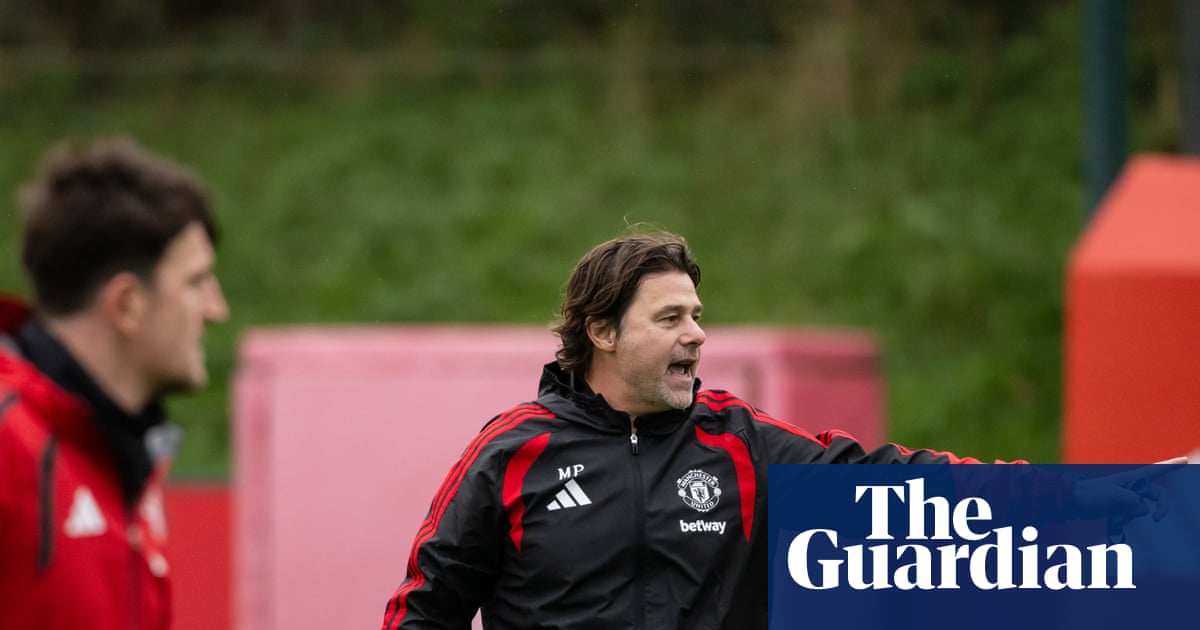
Manchester United are trapped in an expensive cycle that no tactics board can cure. On November 13, the club announced that Mauricio Pochettino had agreed to a two-and-a-half-year deal as their new head coach. Three days later, on November 16, the club quietly borrowed another £10m.
That rapid borrowing was an emergency cash injection to maintain basic liquidity rather than a display of long-term planning. The club's extended Stock Market filing, published alongside first-quarter financial results on Thursday, revealed United must pay £7.5m in compensation to US Soccer to secure the Argentine. Discarding managers and buying out international contracts has become an immediate drain on available capital.
That payout pushes the total spent hiring and firing managers since Sir Alex Ferguson retired in 2013 to £95m. Once the club settles Michael Carrick's severance package and funds Pochettino's incoming staff, that total will officially top £100m. Nine full-time bosses in thirteen years has become the normal operating cost at Old Trafford.
The Carrick mistake and forty years of history
The dismissal of Michael Carrick illustrates how erratic the club's decision-making has become. Carrick was sacked last week with the team stranded inside the relegation zone, enduring United's worst start to a season in 40 years. Just four months earlier, the former midfielder signed a two-year contract following an encouraging six-month caretaker run.
Committing to a permanent contract off an emotional caretaker run was an amateur mistake. When form collapsed during the autumn, the board abandoned Carrick without hesitation. United have now replaced their manager in the middle of the campaign for three consecutive seasons.
Pochettino arrives as the ninth full-time manager appointed since Sir Alex Ferguson stepped down in 2013. That list includes Ralf Rangnick, who took charge in November 2021 and openly diagnosed the squad's severe structural flaws. Five years after Rangnick's blunt assessment, the exact same symptoms are wrecking the team on the pitch.
As detailed in the BBC Sport report, the constant turnover in the dugout has resolved nothing. Each incoming coach inherits a disjointed dressing room assembled across multiple discarded tactical regimes. Carrick found himself unable to blend those mismatched profiles into an organized unit, and the league table exposed him ruthlessly.
The £417m transfer overhang and revolving debt
Incoming managers usually count on the transfer market to correct roster imbalances. Pochettino will find the cash register locked when the January window opens. The financial reality detailed in Thursday's Stock Market filing outlines a balance sheet paralyzed by prior spending.
United currently owe an astonishing £417m in outstanding transfer fees to rival clubs. Of that massive balance, £181m is due after one year, meaning long-term installment commitments will constrain recruitment for multiple seasons. The club cannot simply spend its way out of trouble without worsening that deferred mountain.
The £10m borrowed on November 16 was the third separate credit drawdown confirmed since the September 30 reporting date. Those loans pushed the overall amount owed on United's rolling credit limit to £240m. On top of that credit burden, the club confirmed their substantial $750m debt translated to £577.4m when converted to sterling on September 30.
The filing also confirmed United spent £5.7m just to acquire or extend registrations of "certain players and members of coaching staff". Money is draining away simply to maintain existing contracts and legal obligations. There is no surplus capital available to fund an aggressive winter overhaul for the new boss.
Boardroom disconnect and tactical friction
The tension between the executive suite and the terraces surfaced publicly when club director Omar Berrada addressed recent fan discontent. Berrada argued that supporter criticism had gone beyond reasonable boundaries during the team's downward spiral. That stance triggered instant disbelief from fans who have watched the club squander millions on short-lived fixes.
Fan criticism has gone too far at times.
Chiding match-going fans is a tone-deaf stance for a boardroom presiding over the club's worst start in four decades. Supporters are not venting over bad bounces or unlucky refereeing decisions. They are furious because the executive committee keeps repeating the exact same expensive blunders.
Pochettino held his first news conference on Friday, projecting authority and calmness. However, his core tactical principles demand intense physical running that this current squad cannot produce. His trademark system relies on aggressive counter-pressing, rapid vertical transitions, and defensive lines pushed high up the pitch.
When forwards initiate a press while hesitant center-backs retreat toward their penalty box, massive gaps open across the midfield. Carrick watched his midfield pivot get bypassed repeatedly because the lines were stretched across forty yards. Opponents broke through the center of the pitch without facing resistance, creating easy transition chances.
The counterargument: Can Pochettino's pedigree bend reality?
Optimists will point to Pochettino's track record as evidence that coaching quality can override balance sheet limitations. His supporters note that he developed young talent and built elite teams on modest net spending during his best years in London. If any modern coach possesses the charisma to unite a splintered dressing room, Pochettino has the credentials.
There is also a valid case that Carrick left behind more attacking talent than seventeenth place indicates. United still have individual match-winners capable of producing moments of brilliance against defensive blocks. A manager who provides clear tactical instructions and defensive discipline should theoretically lift this team away from the bottom three.
According to the filing details published by BBC Sport, the club did invest £5.7m on squad and coaching adjustments to shore up key contracts. If Pochettino can harness that baseline stability, United might steady their form before the spring. Establishing a functional defensive floor could easily turn embarrassing losses into solid, low-scoring draws.
Yet that hopeful argument underestimates the physical deficits within the playing staff. Pochettino inherits a squad short on recovery pace, lacking dynamic full-backs, and weighed down by players who struggle with modern tracking duties. Quality coaching can refine passing angles, but it cannot inject athletic stamina into exhausted legs.
The tactical compromise to escape the bottom three
Because Pochettino is a seasoned professional, his immediate tactical setup will look far more conservative than his press conference rhetoric. He knows that attempting to play an aggressive high line right now would lead to disaster. Expect him to scrap expansive pressing for the winter and organize a compact mid-block out of possession.
His first objective must be closing the enormous spaces between his defensive line and his central midfielders. By instructing his wingers to tuck inside and holding his full-backs deeper, Pochettino can protect his exposed center-backs from direct transition runners. The football will not be thrilling, but it will stop opponents from walking through the middle.
That pragmatic approach should be sufficient to rescue the immediate campaign. United have far too much raw individual ability to remain in the bottom three over a full season. Scraping together enough points to climb into a forgettable mid-table spot by April is well within Pochettino's capabilities.
The summer reckoning and the inevitable trap
Climbing out of the relegation fight will bring temporary relief, but it will also set up the next crisis. By the summer of 2027, Pochettino will want to shift from emergency damage control toward his true pressing philosophy. Doing so will require signing at least four dynamic, athletic starters across key positions.
That is when the club's financial handcuffs will snap shut again. With £181m in deferred transfer installments coming due after one year and £240m drawn against their credit limit, United will possess negligible spending power. The executive team will be reduced to searching for bargain loans and aging stopgaps.
Pochettino will then be forced into the 2027-28 season relying on the same unsuited personnel that failed Carrick. When he demands high-intensity running from players who cannot physically sustain it, tactical friction will resurface across the pitch. Dressing room morale will sink as opponents exploit the familiar gaps.
Until Manchester United stop using emergency credit to paper over structural decay, changing the man in the dugout remains pointless. Pochettino is an accomplished coach, but no tactician can overcome a balance sheet burdened by £417m in transfer debt. The £100m spent churning through managers will soon climb higher, funded by yet another loan.
Read Next
- Mauricio Pochettino is walking straight into an Anfield ambush
- Pochettino walks into Anfield with zero time and everything to prove
- Pochettino cannot fix Manchester United before Liverpool arrive on Sunday
- Manchester United will seal the Victor Osimhen deal this winter
- 🏆 Europa League Final 2026 — Full Coverage Hub