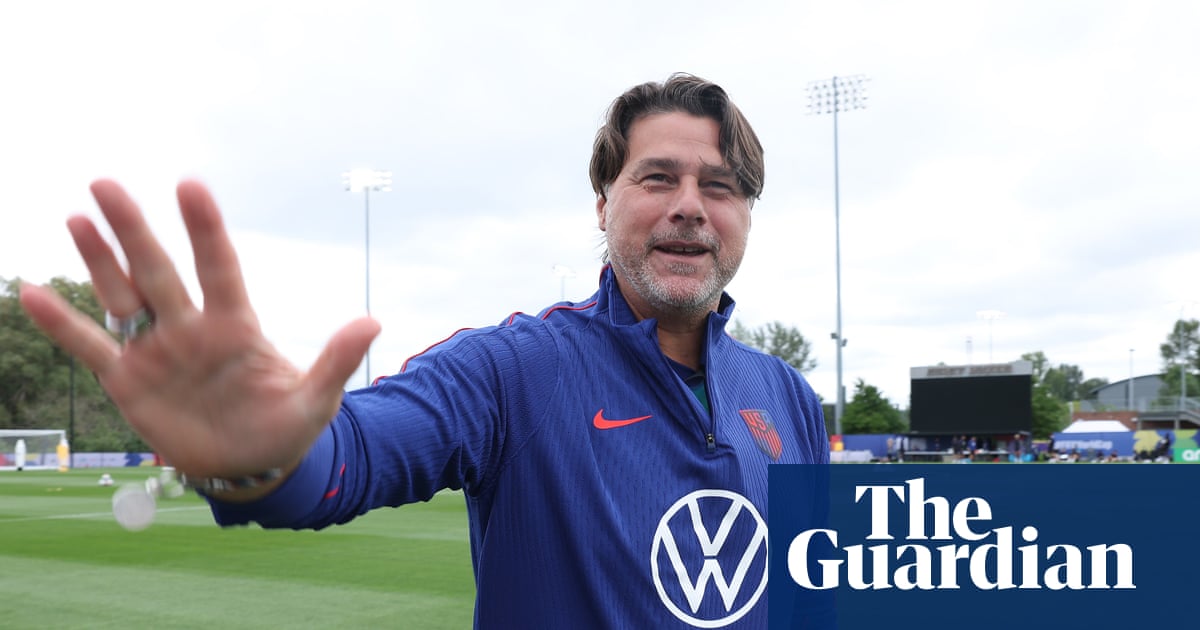
Pochettino got his American farewell, but United will eat him alive

The Hollywood Goodbye in St. Louis
Only in American soccer could a man wave tearful goodbyes under stadium fireworks after barely unpacking his suitcases. Mauricio Pochettino stood on the pitch with hand over heart, soaking in applause from fans who treated him like a returning war hero. The Americans love a cinematic exit, and Poch gave them every single frame of melodrama before sprinting toward the runway.
The final whistle blew on a raucous 3-1 victory, and the celebration looked like an Oscar campaign. Christian Pulisic offered a warm embrace while Weston McKennie danced near the touchline like someone celebrating the end of school term. It was wholesome, sunny, and completely detached from the cold reality waiting across the Atlantic.
Let us not kid ourselves about what actually happened during this brief stateside honeymoon. For all the glossy promotional videos and high-energy pressing drills, the tactical flaws remained glaringly obvious against any opponent capable of stringing three passes together. CONCACAF minnows were dispatched easily enough, but the moment a disciplined side sat deep, his teams looked completely clueless in possession.
American supporters are romantic dreamers by trade. They fell in love with his tailored coats, his Argentine charisma, and the fantasy that European football royalty had come to solve their problems. Yet before the confetti even settled on the turf, the private jet was already idling on the tarmac with its engines humming.
Walking away from an international project this quickly exposes the mercenary heart of modern management. He promised a long-term cultural transformation, talked endlessly about unity, and then bailed the second a Premier League heavyweight blinked in his direction. The fans in the stands were weeping, but Poch was checking flight radar on his watch.

The Haunted Graveyard of Carrington
Manchester United is where managerial reputations go to die painful, highly televised deaths. David Moyes arrived with a six-year contract and left looking like a ghost who had witnessed a Victorian haunting. Louis van Gaal brought a tactical clipboard and ended up diving theatrically on the touchline to entertain bored season ticket holders.
Jose Mourinho won two trophies and still had a public meltdown in a hotel press room demanding respect. Ole Gunnar Solskjaer spent three years smiling through catastrophe before his wheels finally fell off on the motorway. Erik ten Hag spent hundreds of millions on former Ajax wingers who could not beat a training cone, and the club still drifted aimlessly.
Now comes Mauricio, walking cheerfully toward the same executioner block. Old Trafford does not care about your good vibes or your wholesome press conferences. It is an industrial meat grinder wrapped in commercial sponsorship deals and legendary nostalgia.
The squad he inherits is an absurd patchwork of conflicting football ideologies. You have aging stars on monster wages, young prospects terrified of making mistakes, and dressing-room cliques that leak team sheets to tabloids before breakfast. Fixing this mess requires an exorcist, not a tactical coach who believes in cosmic energy.
Consider the midfield dilemma awaiting his first training session. He wants aggressive box-to-box hounds who can sprint until their lungs collapse, but Casemiro turns with the turning radius of an oil tanker. Meanwhile, Bruno Fernandes wants to play hero ball with fifty-yard Hollywood passes on every single transition.
To survive there, a manager needs ruthless Machiavellian political instincts. Pochettino, for all his charms, has repeatedly proven he possesses none of that venom. When the executives start breathing down his neck after two bad weekends, charm will not save him.
Lemons, Vibes, and the Tactical Ceiling
We have watched this exact film before, and the third act always falls apart. At Tottenham, he built a relentless running machine that terrorized the Premier League until the actual silverware was placed on the table. When the pressure peaked in the Champions League final against Liverpool, his team produced a tepid whimper.
His tenure in Paris was an even clearer warning sign. Handed the keys to a sporting amusement park, he looked terrified of his own dressing room while Kylian Mbappe, Neymar, and Lionel Messi operated on their own private schedules. He kept a bowl of lemons on his desk to absorb negative energy, which explains everything about his crisis management strategy.
Chelsea was just more proof of the same pattern. Todd Boehly spent absurd fortunes assembling an expensively confused daycare, and Poch managed to coax them into sixth place through sheer individual brilliance and relentless sprinting. Then the board showed him the door anyway because he refused to surrender control of his training ground.
Here is the undeniable flaw in the Pochettino playbook that his disciples refuse to acknowledge. His tactical identity relies almost entirely on physical dominance rather than intricate patterns of play. When his teams cannot outrun opponents by 8 miles across ninety minutes, they have no alternative route to victory.
- His substitutions consistently arrive ten minutes too late, usually after the momentum has completely vanished.
- He struggles to break down compact low blocks, relying on individual heroics rather than structured positional play.
- His intense training regimens routinely leave squads decimated by hamstring strains before the festive fixture pileup.
That final point should terrify every physio currently employed at Carrington. United players already look exhausted after twenty minutes of chasing opposition shadows. Asking that specific dressing room to run through brick walls for double training sessions is an invitation for mutiny.
Remember how his Tottenham era ended once the physical engine burned out. Players stopped running, Danny Rose publicly questioned transfer policy, and the dressing room became a toxic swamp. When the physical superiority disappears, the tactical system unravels in record time.
Even in knockout competition, his game management borders on the stubborn. He rarely switches shapes mid-match when an opponent figures out his pressing triggers. Opposing managers with basic tactical flexibility have repeatedly turned his aggressive wing-backs into defensive liabilities on the counter.
The Inevitable Collision Course
Let us address the financial absurdity of this sudden escape act. Manchester United reportedly paid a staggering buyout fee north of £14 million to pry him away from his international post. That is elite striker money spent on a manager who has never won a major domestic league outside of Ligue 1 with a trillion-euro payroll.
The English press pack is already sharpening its carving knives in anticipation. They will give him three weeks of polite honeymoon coverage, praising his tactical courage and his fluent English interviews. By the middle of January, the back pages will feature unflattering close-ups of him rubbing his temples in despair.
Roy Keane is already warming up his vocal cords in the television studio. Gary Neville will spend forty-five minutes on Monday Night Football explaining that the club has no cultural identity. That level of daily forensic scrutiny does not exist in international soccer.
The fan base will fracture within two months. Half of the Stretford End will demand patience for the project, while the other half will track private jets hunting for the next savior. We have memorized the choreography of this tragedy because we have lived through it five times since Alex Ferguson retired.
You cannot help but admire the sheer audacity of the man. He walked away from an adoration tour in America, where expectations were pleasantly modest and the sun was always shining. Instead, he chose the cold rain, the hostility, and the most toxic tactical sandbox in world sport.
This hire is the football equivalent of a retired stuntman agreeing to jump over twenty burning buses without a helmet. It will be loud, chaotic, and impossible to turn away from. Grab your popcorn, because the wreckage is going to be spectacular.
Believe: The Days and Nights of a Coach's Life by Sean Dyche
Get deep inside the mind of the Premier League's most relentless manager.
Frequently Asked Questions
How did Mauricio Pochettino leave his US coaching role?
Why is the Manchester United job considered risky for Pochettino?
What tactical weaknesses did Pochettino's American team show?
Who celebrated with Pochettino during his farewell match in St. Louis?
Who are the past Manchester United managers cited in the article?
More Coverage
Liverpool are closing in on Monaco midfielder Lamine Camara
3 hours ago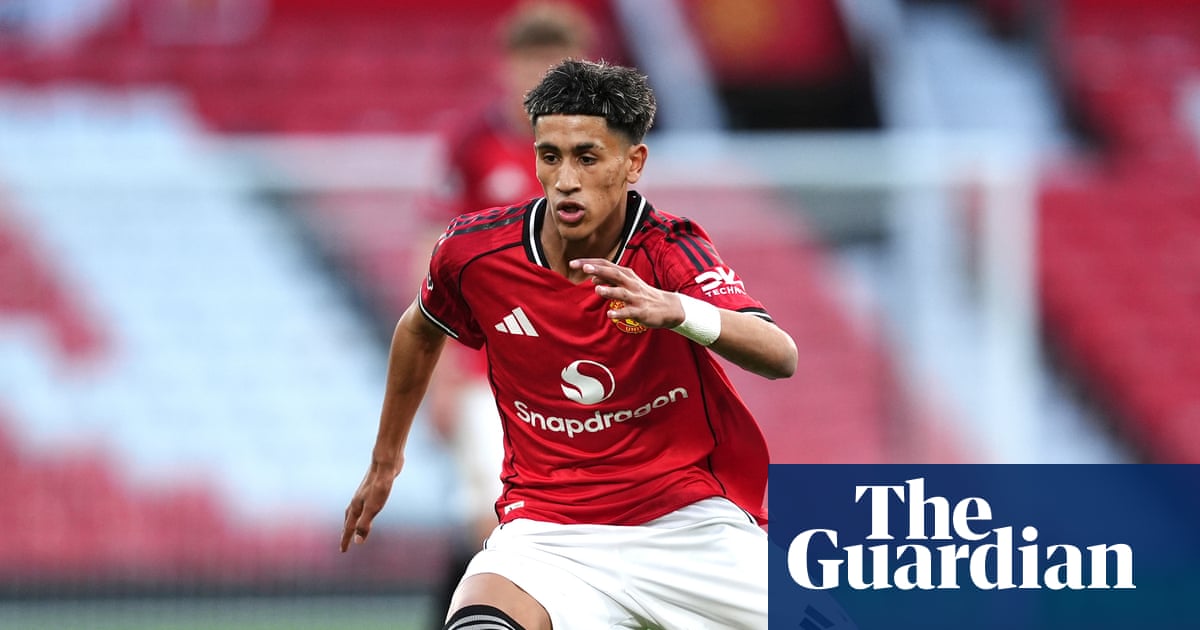
Man United lost their brightest academy prospect over a registration row
10 hours ago
Man United fans are having a total meltdown over JJ Gabriel's Madrid exit
10 hours ago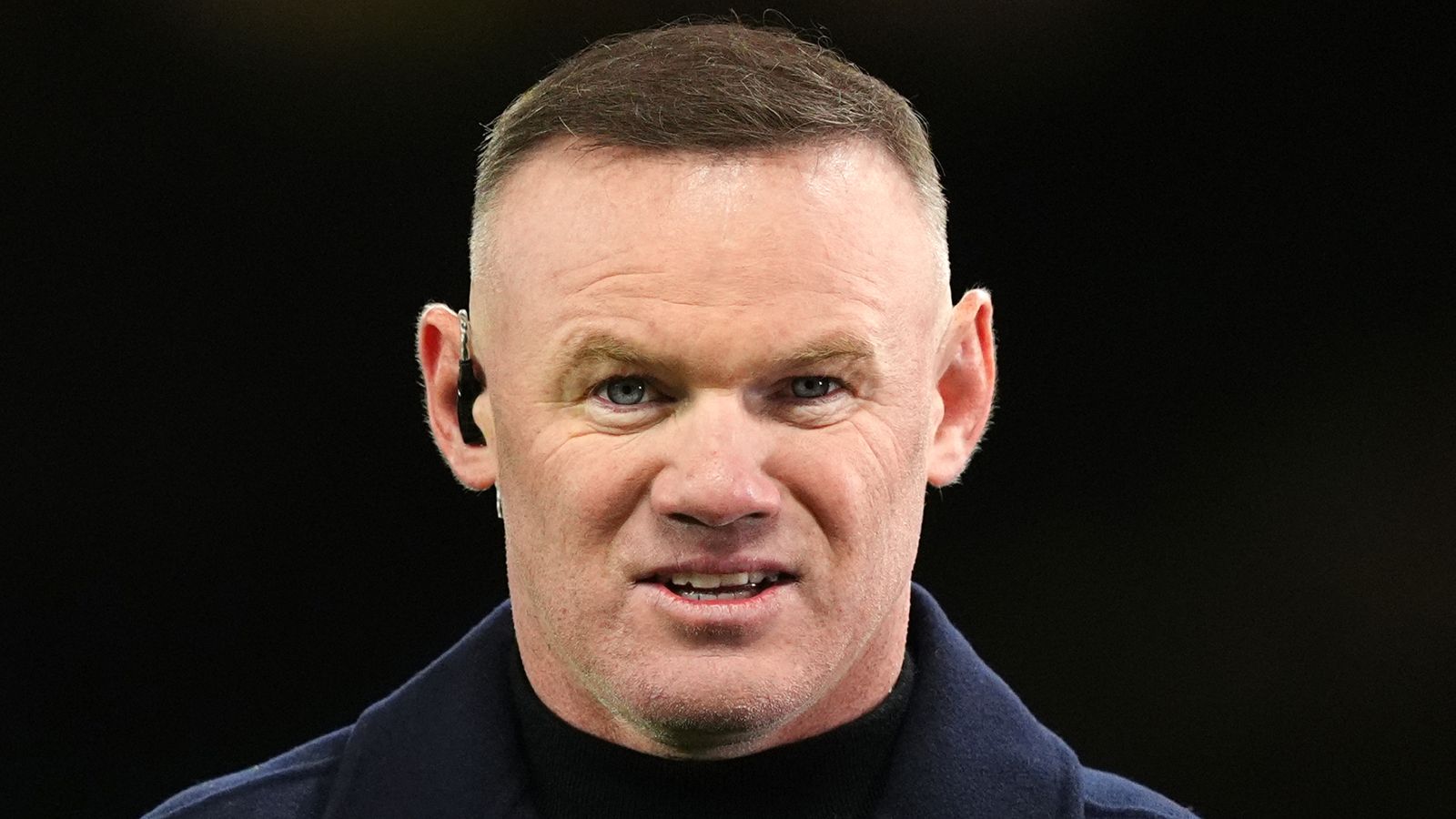
Wayne Rooney is about to win over every skeptic on reality TV
15 hours ago
Wayne Rooney's Manchester United peak was darker than anyone knew
16 hours ago
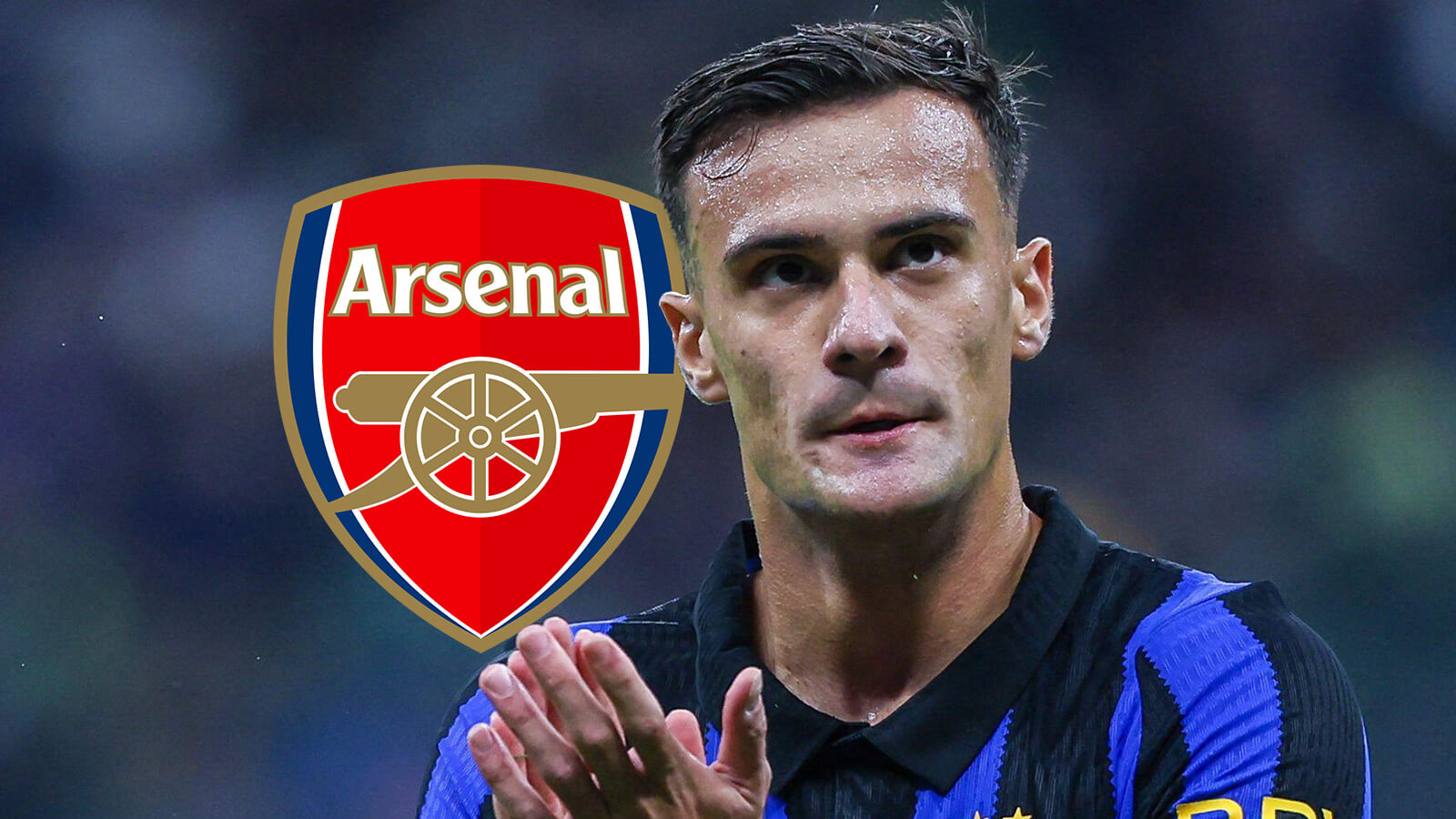
Piero Hincapie to Arsenal is peak Arteta madness and I love it
16 hours agoMore Analysis
Ten biggest revelations from Pochettino's sudden US exit to Man United
1 day, 7 hours ago
Why Mauricio Pochettino might be Marcus Rashford's last chance at Man United
2 days, 3 hours ago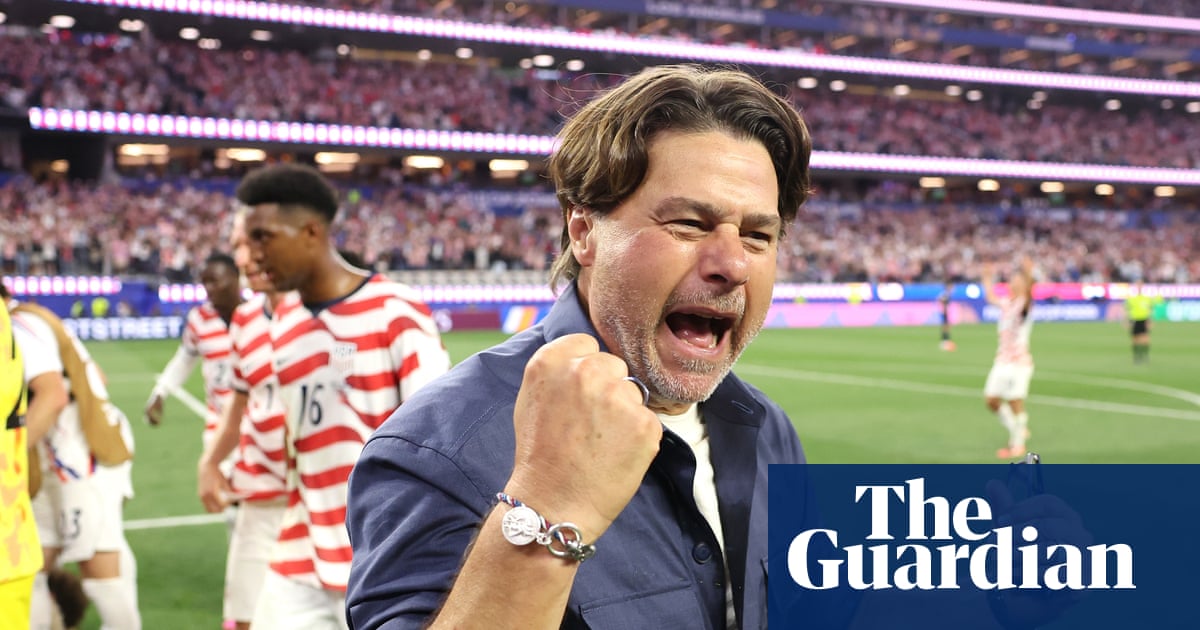
Pochettino got his Man United move, but the US warning signs are real
3 days, 15 hours ago
Poch built the engine and Jose burned it, but neither was the best
3 days, 16 hours ago
Man United want Martin Baturina but an €80m fee makes no sense
4 days, 3 hours ago