The Old Trafford Bombshell and the American Aftermath
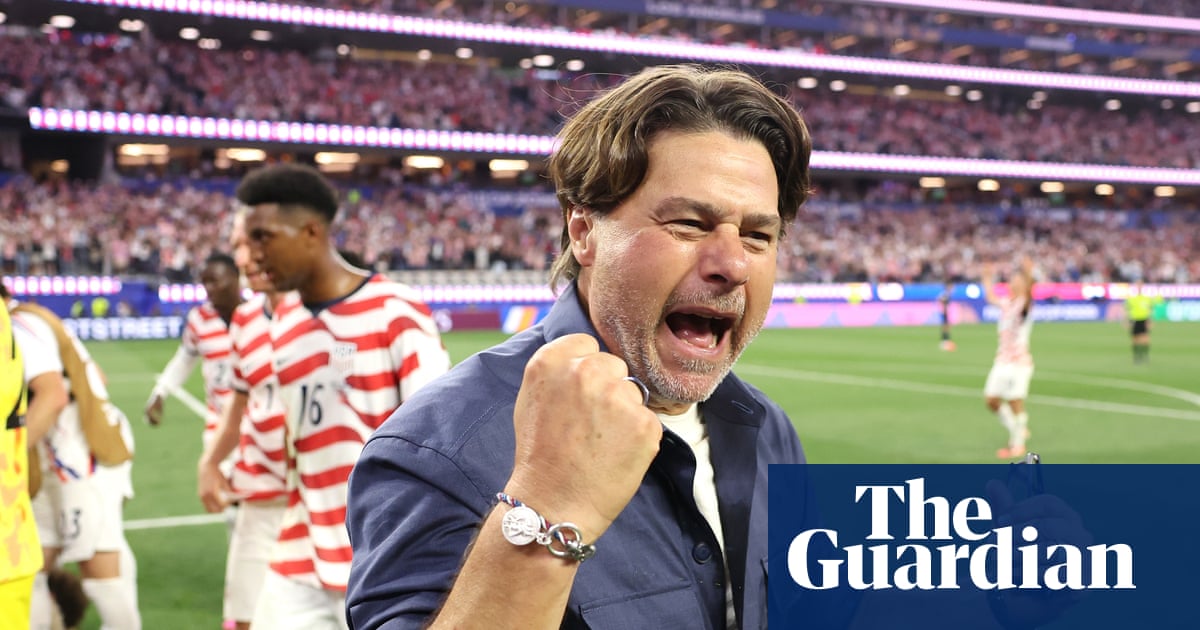
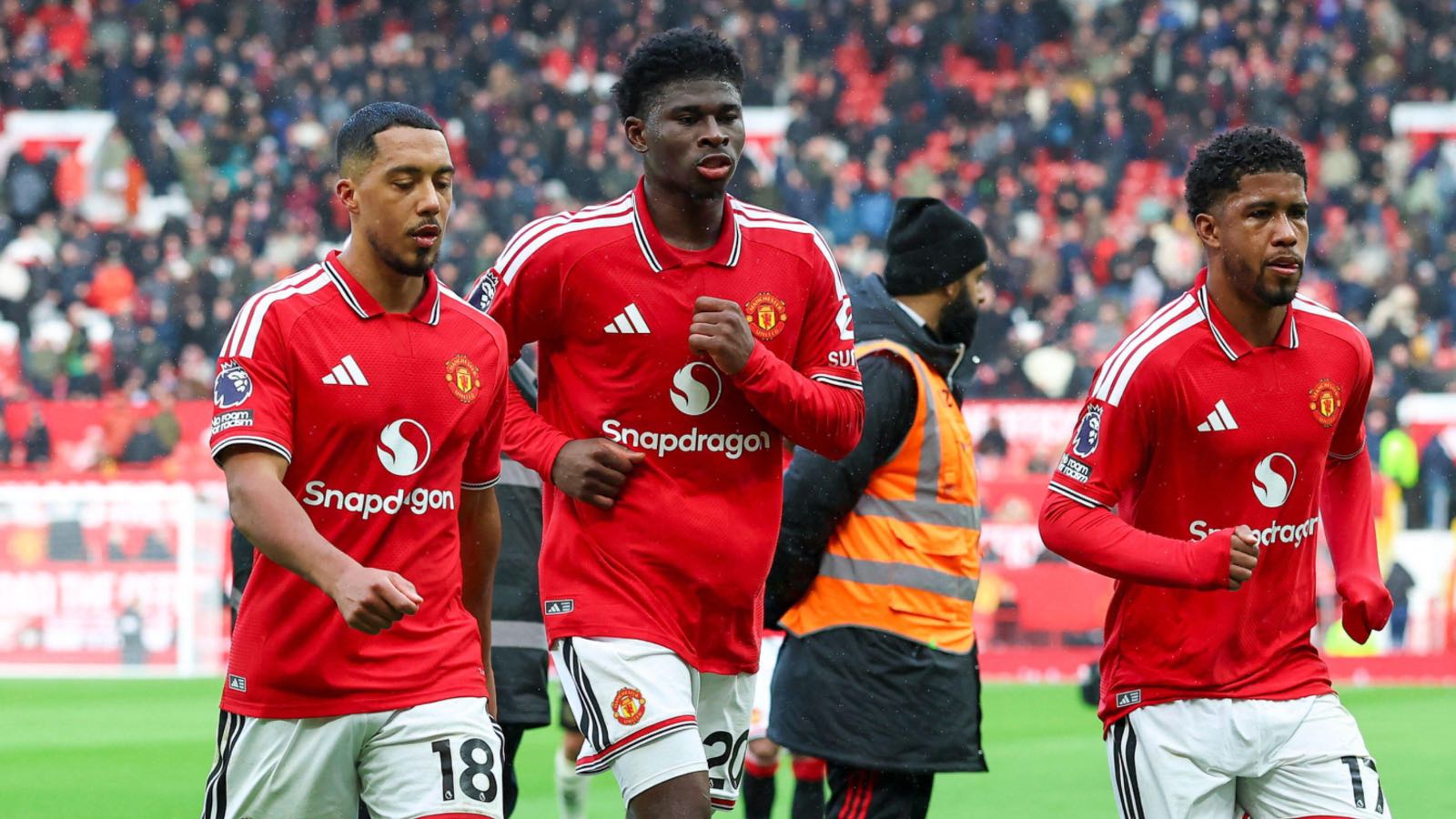
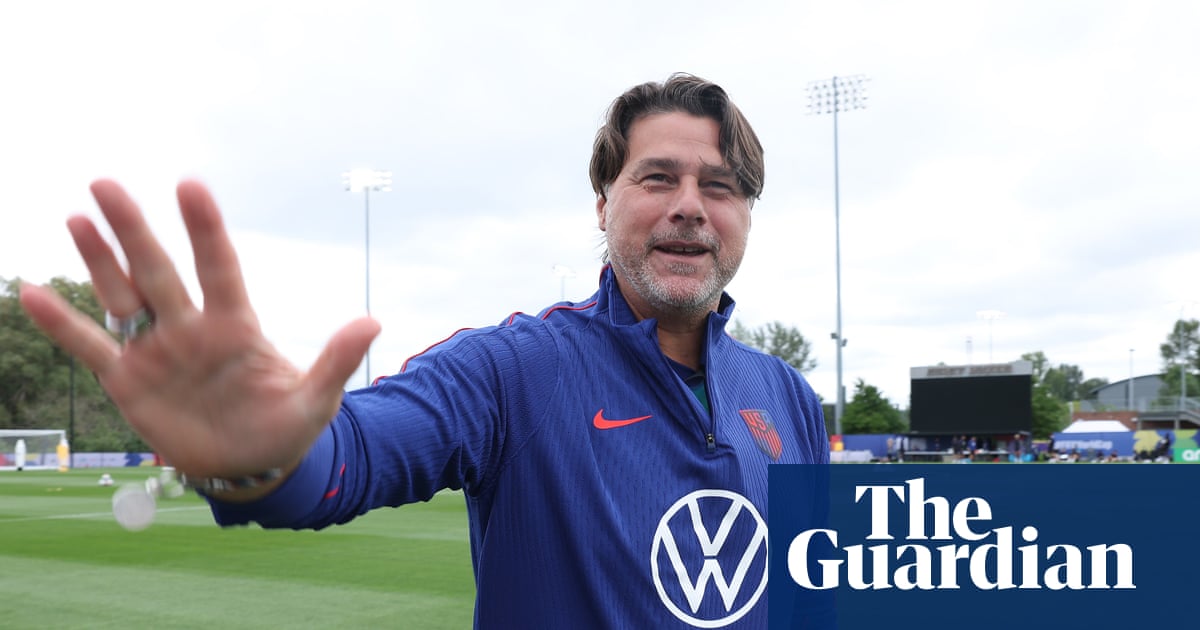
Mauricio Pochettino dropped a stunner on Monday afternoon. As reported by The Guardian, the Argentine manager used an hour-long roundtable to confirm his impending move to Manchester United. He did not stop there, openly telling Pep Guardiola to step in and take his vacated chair.
The timing is dizzying for American soccer. Just three months ago, Pochettino looked settled into a multi-year project built around elite tournament preparation. Now he walks away, leaving behind a program that thought it finally had stable leadership at the top.
Pochettino bounced between Spanish and English, sounding part proud teacher and part mercenary tactician. He defended his record, praised domestic talent, and admitted he hated the quiet stretches between international fixtures. It was a masterclass in candid self-justification that left plenty of difficult questions in its wake.
Ranking the Ten Defining Moments of the Pochettino Exit
10. The Catalan Derby Genesis
Long before their touchline rows in England, Pochettino and Guardiola were crossing swords in Barcelona. Guardiola commanded the midfield for Barcelona, while Pochettino defended with trademark grit across town at Espanyol. That cross-city friction forged decades of mutual respect between two young competitors who saw football through distinct tactical lenses.
This history sits at number ten because it anchors their relationship. Without that shared history in Catalonia, Pochettino never sits down with Guardiola in New York decades later. It is the personal origin story that makes their modern interaction so compelling.
9. The 22 Premier League Battles
The rivalry grew far fiercer in England. The two managers faced each other 22 times in the Premier League, trading tactical masterclasses across London and Manchester. Their high-intensity pressing schemes pushed English football into a faster, more demanding era.
You cannot make sense of Monday's comments without understanding that history. Pochettino respects Guardiola because he knows the sheer tactical preparation required to survive against him. Those high-stakes battles gave him the standing to speak so freely about Guardiola taking his place.
8. Sebastian Berhalter's European Jump
When assessing his squad, Pochettino repeatedly argued that a player's league matters far less than raw form. Midfielder Sebastian Berhalter provided his first real proof of concept. Berhalter was competing domestically in MLS when Pochettino handed him a senior international debut.
Berhalter used that platform to secure a transfer across the Atlantic to European competition. Pochettino highlighted Berhalter on Monday to prove that scouting talent requires looking past league prestige. It lands at number eight as concrete evidence that his developmental instincts delivered tangible results.
7. Alex Freeman's Tactical Rise
Defender Alex Freeman followed a nearly identical developmental path under Pochettino's watch. Freeman began in MLS before earning his first cap from the Argentine boss. He rewarded that faith with composed defending, eventually completing his own transfer to Europe.
Pochettino singled out Freeman alongside Berhalter as proof of his selection philosophy. He warned against the common managerial error of judging players solely by league reputation. Freeman edges Berhalter at number seven because unearthing a top-tier defensive prospect in MLS is notoriously difficult.
6. Slighting the International Calendar
Pochettino did not hide his frustration with the realities of international coaching. He admitted that coaching without daily contact left him restless and unfulfilled. Waiting between a December camp against Jamaica for MLS players and a March window felt agonizing to him.
He dismissed the long downtime between camps as tedious administrative work, travel, and scouting games. That brutal honesty exposed a serious flaw in his initial commitment to the national team. He missed the morning grass, the press conferences, and the weekly pressure of the Premier League.
5. Walking Out on the 2030 Contract Extension
The sharpest counterargument to Pochettino's triumphant exit is the sheer cynicism of the timeline. In August, only a month before his Bronx meeting with Guardiola, Pochettino signed a four-year contract to manage through the 2030 World Cup. He ripped up that long-term promise after barely ninety days.
As detailed in The Guardian's report, walking out on a binding four-year pact leaves US Soccer in an awkward bind. Fans who bought into his continuity pitch have every right to feel betrayed. This ranking at number five reflects the glaring professional contradiction of his abrupt departure.
4. The Yankee Stadium Bronx Summit
Back in September, Guardiola traveled to Yankee Stadium to serve as pre-match hype man for New York City FC against Red Bull New York. Pochettino was already in town scouting the rivalry match and made it a priority to sit beside him. He brought along his assistant coach Jesús Pérez and federation leadership.
That conversation in the Bronx now looks like a pivotal turning point. Guardiola asked Pochettino if he missed the Premier League, planting a seed that grew rapidly over the autumn. What seemed like two old friends watching a derby quietly set the stage for two seismic managerial vacancies.
3. Spotting Batson Courting Guardiola
Pochettino did not just chat with Pep at Yankee Stadium; he watched how others interacted with him. He noticed that US Soccer CEO and secretary general JT Batson shared a remarkably close rapport with the former City manager. He brought it up directly with reporters on Monday with a knowing smile.
"You know what I noticed? [Guardiola had a] good relationship with JT."
Guardiola is currently taking a one-year sabbatical from management, remaining the federation's long-sought white whale. Pochettino's public observation confirmed that American executives were already building bridges with Guardiola right in front of him. It earns the bronze medal for pulling back the curtain on federation backchannels.
2. Manchester United Poaching the American Bench
For decades, European giants looked past American soccer as an irrelevant tactical backwater. Having Manchester United actively recruit an active US manager shatters that outdated condescension. Pochettino pointed out that European perception shifted dramatically following the World Cup, comparing the role to opportunities at Real Madrid or Barcelona.
He noted that elite European tacticians like Antonio Conte now view the American post as a genuine opportunity. Moving straight from Chelsea to the US bench and then straight to Old Trafford gives the program unprecedented international cachet. It lands at number two because it redefines how top European clubs evaluate the American job.
1. The "Take It" Directive to Pep
Nothing from Monday's briefing matched the sheer audacity of Pochettino telling Pep Guardiola to accept the American job. When asked what advice he would offer his longtime rival, Pochettino did not hesitate for a second. He delivered a direct endorsement of the squad's technical ceiling and federation structure.
"Take it. Why? Because it’s a perfect moment to arrive at the federation. Everything is on the right path, in the right direction."
Pochettino insisted that American players possess the tactical discipline and quality to execute Guardiola's intricate positional system. An outgoing coach publicly lobbying his legendary rival to take his old post is virtually unheard of in international football. It easily takes the top spot for its sheer ambition and global shock value.
The Editorial Verdict on Pochettino's American Tenure
Pochettino leaves American soccer in a strange, fractured position. On one hand, he demonstrated that unheralded domestic talents like Freeman and Berhalter can thrive on the international stage. He also gave the program immediate European credibility by securing the Manchester United post directly from the American touchline.
On the other hand, claiming that the tough job is done feels deeply self-serving. He signed a four-year extension in August and abandoned it in November because club football offered daily excitement and better visibility. He treated the national team as career rehabilitation after his exit from Chelsea.
As documented by The Guardian, the federation now finds itself at an unexpected crossroad. If Batson can parlay those Bronx conversations into exploratory talks with Guardiola, Pochettino's departure will look like visionary timing. If the federation swings and misses on Pep, Pochettino's tenure will be remembered as an opportunistic stepping stone.
Pochettino proved American players can compete at a higher level, but he left before completing the project. Now US Soccer must prove it can turn a high-profile vacancy into an era of genuine stability.
Read Next
- Man United want Mauricio Pochettino and US Soccer should take the money
- Pochettino got his Man United move, but the US warning signs are real
- Why Mauricio Pochettino might be Marcus Rashford's last chance at Man United
- Dominik Szoboszlai is playing through pain and Liverpool should be terrified
- 🇺🇸 USMNT World Cup 2026 — Team USA Coverage Hub
- 🏆 Europa League Final 2026 — Full Coverage Hub