The politics behind the private equity pivot
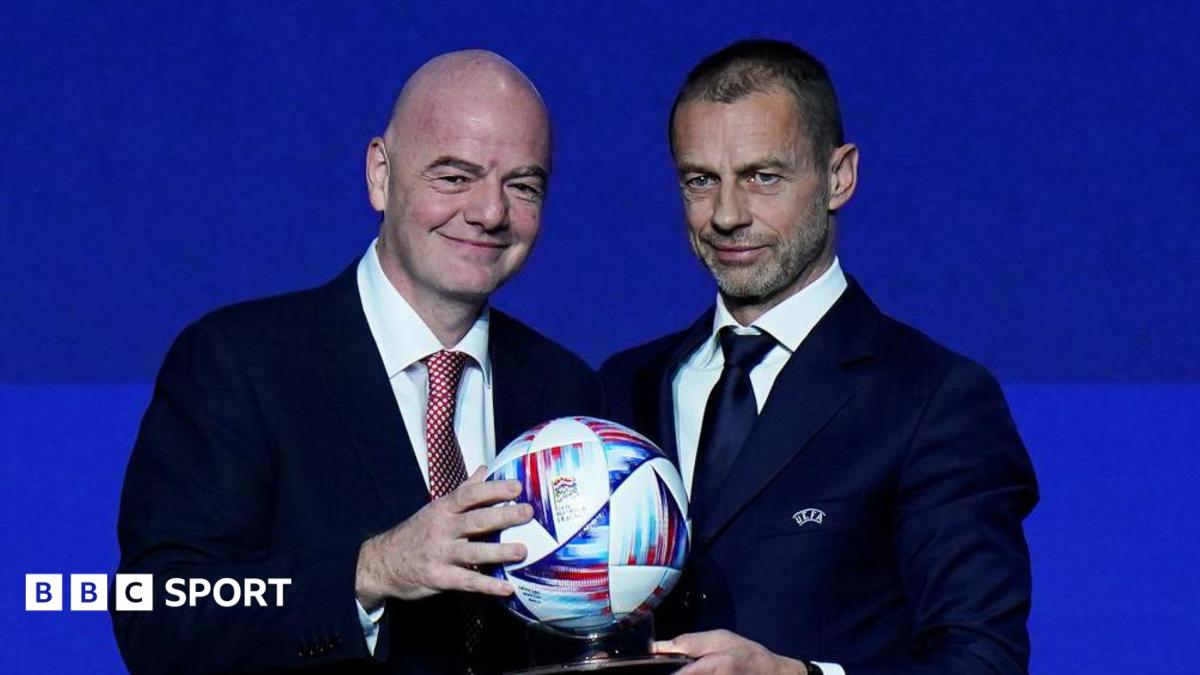
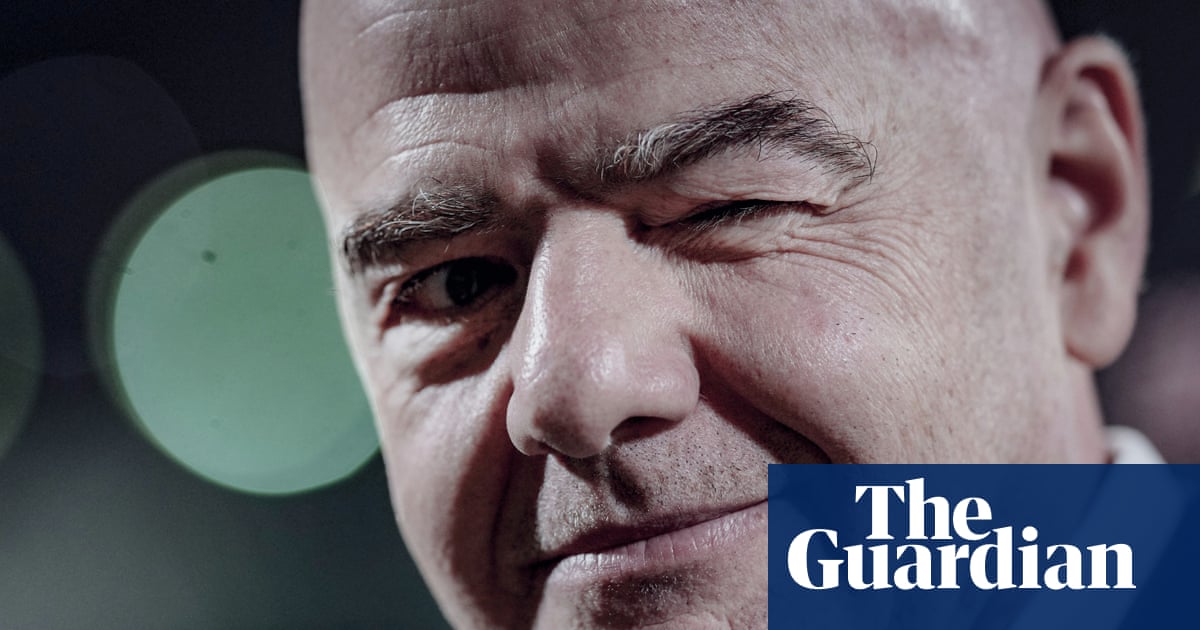
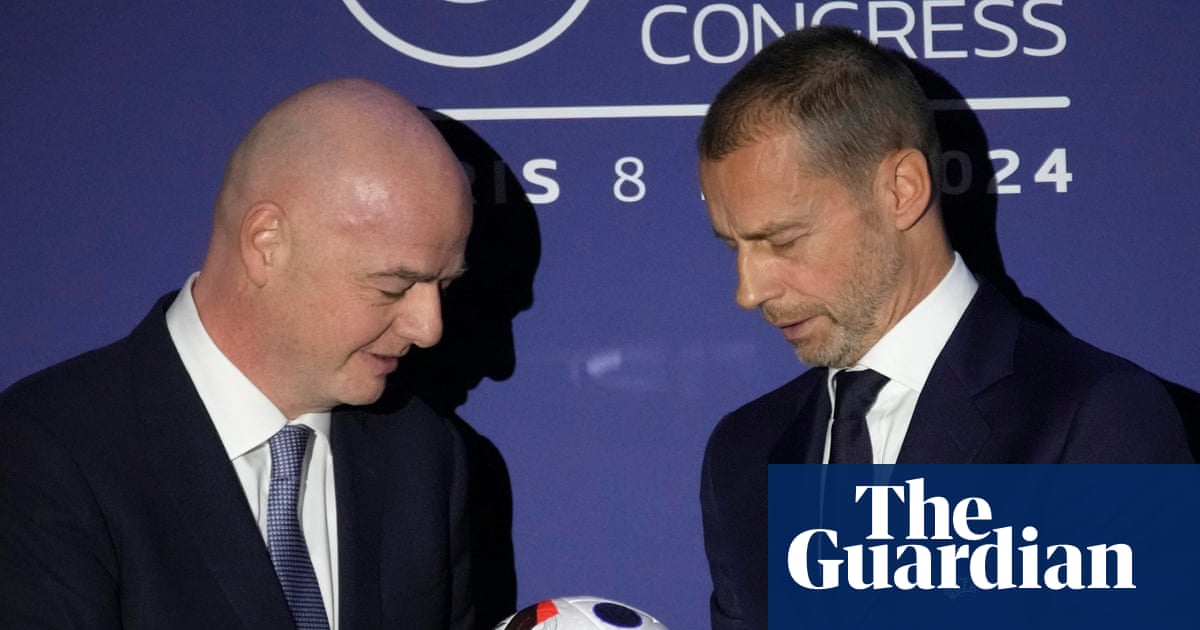
Gianni Infantino finds himself navigating a treacherous path as calls for his resignation gain momentum. His proposal to sell a significant stake in the World Cup to private equity firms has drawn sharp criticism from stakeholders across the game. Critics argue this move commodifies the sport's crown jewel, effectively prioritizing short-term liquidity over the long-term integrity of the competition.
The recent success of his FIFA World Cup final planning in key regions provided a temporary reprieve. By aligning with the Confederation of African Football, Infantino has secured a crucial bloc of support. This isn't just strategic maneuvering; it is a defensive wall constructed to insulate his leadership from the mounting pressure originating from European federations.
Why the revenue model fails the test
The core issue remains the financial sustainability of the current proposal. Selling a stake implies a shift in fiduciary responsibility from football development to external shareholders. When you invite private capital into a regulatory body, the objective function changes immediately. Quarterly performance metrics often supersede the developmental needs of member nations.
We have seen this play out in various club leagues across Europe where external investment was heralded as a savior but eventually hampered sporting decision-making. Infantino is currently operating with a 65% approval rating among smaller federations, but the dissatisfaction among the elite remains high. His survival depends entirely on holding that specific coalition together until the next congressional vote.
The prediction
Infantino will survive the current wave of scrutiny, but the cost will be a fractured governing body. He is likely to scale back the private equity involvement to a minority stake to appease the vocal opposition while maintaining the backing of his new regional allies. The actual deal structure will be far less ambitious than his initial pitch, serving primarily as a face-saving measure to exit the negotiations without admitting defeat.
He will retain his position, but he enters the next cycle as a weakened executive. The internal friction created by these negotiations guarantees that future policy decisions will face unprecedented scrutiny from internal auditors. The days of FIFA leadership operating without significant pushback are effectively over, regardless of who occupies the president's office.
Expect an announcement regarding a revised financial partnership before the end of the year that frames the investment as a developmental fund rather than a stake in the tournament itself. It is a classic move to rebrand a unpopular policy under the guise of progress. Whether this satisfies the critics in the long term is a different matter, but for now, it buys him 24 months of stability.