
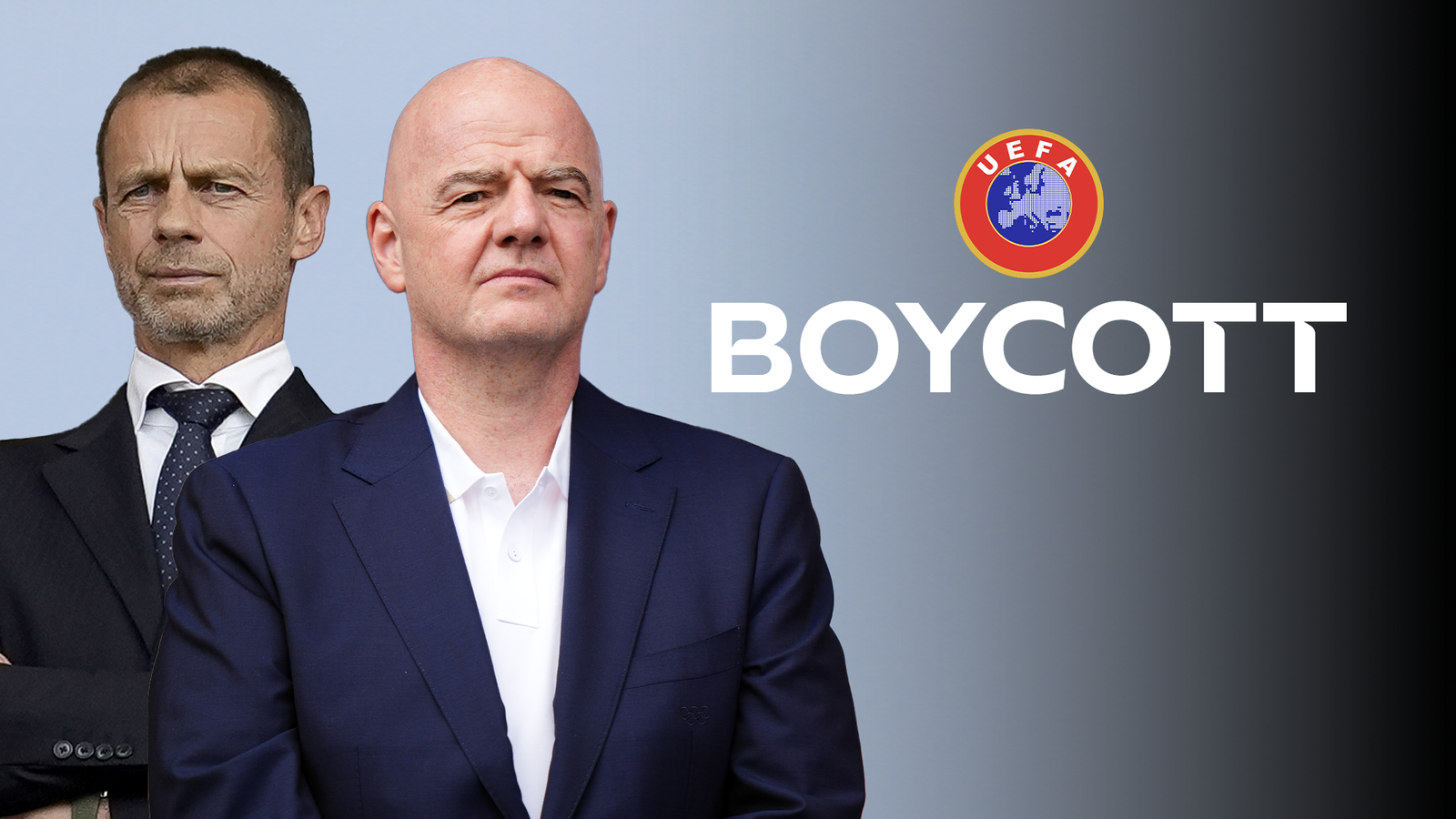
The boycott that changes European football's political map
When English Football Association leadership pulled their backing for Gianni Infantino, it was not a symbolic gesture designed for social media applause. It marked the concrete execution of UEFA's long-brewing boycott strategy against FIFA governance, effectively placing European participation in upcoming global tournaments under direct strain.
The mechanics of the dispute trace back to structural disagreements over match scheduling, expanded tournament formats, and revenue distribution channels. With European federations standing firm, the political leverage has shifted entirely away from Zurich's traditional power corridors.
Tactical friction on and off the pitch
For national team managers operating under the UEFA umbrella, this administrative standoff creates immediate operational chaos. Squad selection protocols and international release windows rely on standard FIFA framework agreements that now look increasingly fragile.
Consider the logistical reality facing elite setups: mid-block defensive drills and high-pressing triggers require months of rhythmic repetition during established FIFA windows. If UEFA member associations refuse participation in Infantino's revamped tournament architecture, the high-intensity international match calendar effectively collapses into localized regional friendlies.
UEFA's boycott of FIFA tournaments still stands as the under-pressure president remains in position.
The cost of administrative deadlock
European football cannot afford a prolonged structural cold war while domestic leagues push player workload to absolute breaking points. The current standoff exposes how thin the margin is between commercial expansion and competitive breakdown.
Infantino remains entrenched in office, but governing without the explicit cooperation of European football's financial engine is an untenable long-term tactic. If UEFA calls this bluff through to official tournament kickoff dates, FIFA will find itself broadcasting a global showcase stripped of its highest-profile tactical talent.
The prediction
Expect backchannel negotiations to intensify before the autumn international window, but do not expect UEFA to back down without securing major concessions on tournament expansion. FIFA will ultimately be forced to compromise on scheduling demands before total boycott enforcement destabilizes the international calendar.


