The FIFA boardroom drama that nobody actually asked for
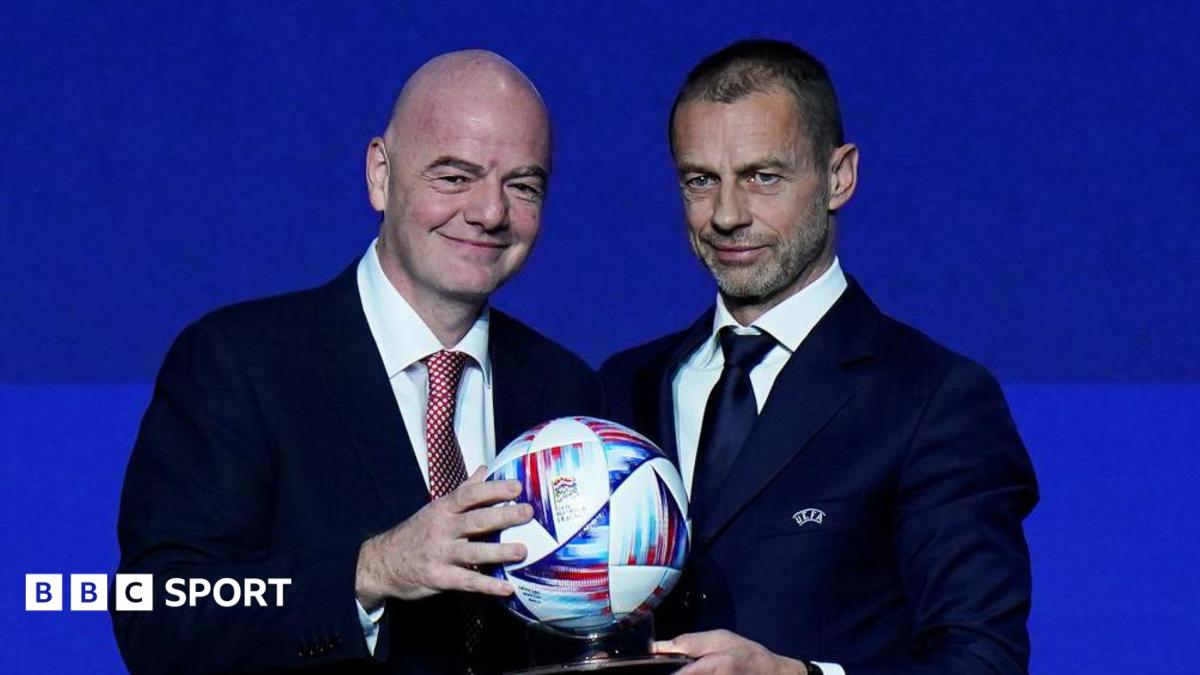
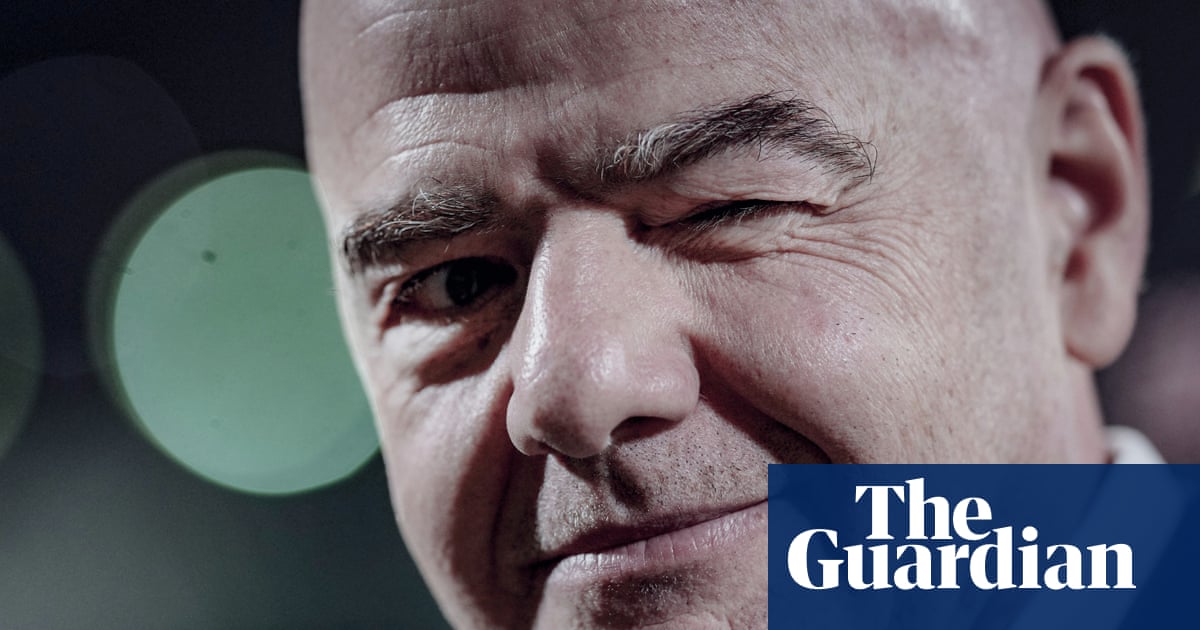
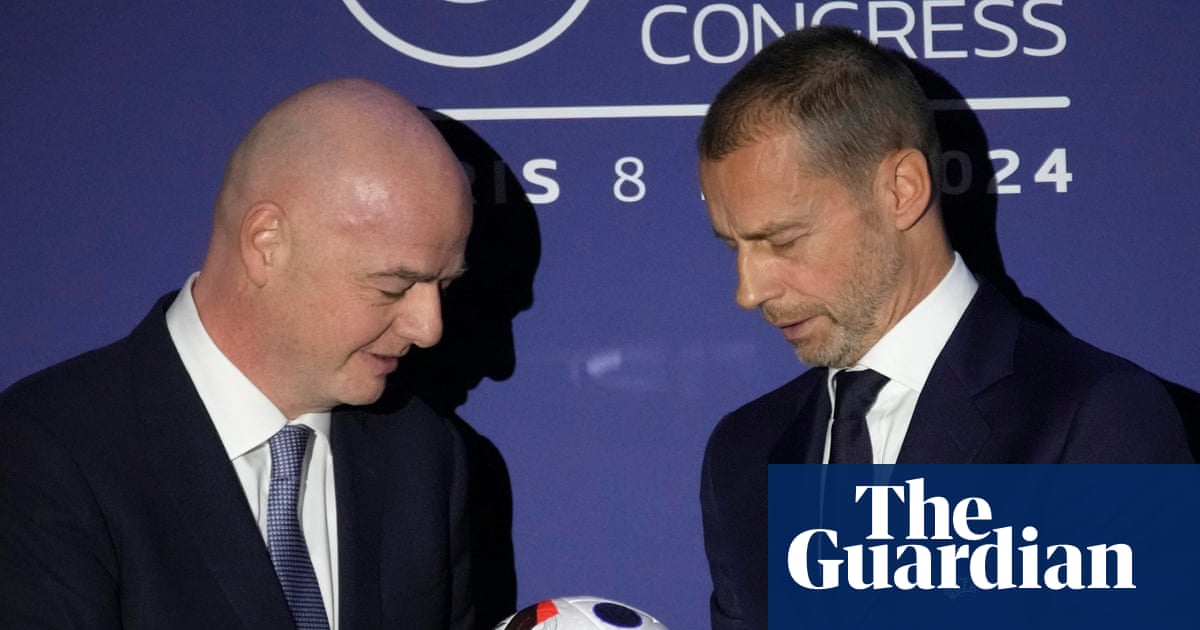
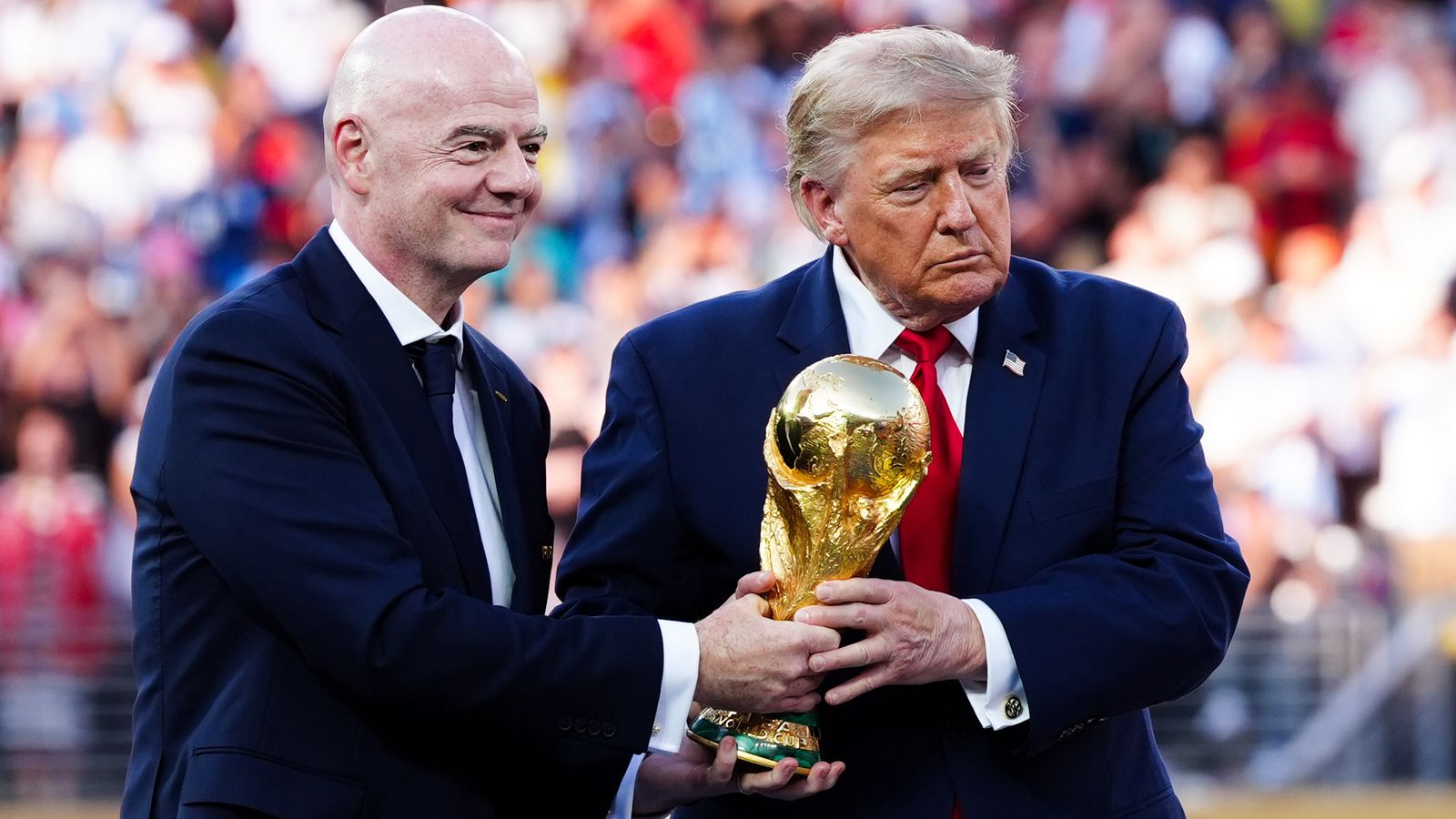
Gianni Infantino is currently the most unpopular man in a room full of people who already aren't exactly winning popularity contests. As reported by The Mirror, our favorite suit-wearing mastermind is floating the idea of selling a stake in the World Cup to private equity firms. Because apparently, the most profitable sporting event on the planet just isn't making enough cash to keep the lights on in Zurich.
The fan reaction has been predictably explosive, falling somewhere between total disbelief and pure, unadulterated rage. You have the purists who think selling a piece of the World Cup is akin to selling the soul of the game to the highest bidder in a boardroom. Then, you have the fatalists who assume FIFA was already rotting from the inside out, so this is just the final nail in the coffin.
The choir of skeptics and the sound of silence
Scroll through any major football forum right now and you’ll find a common theme: nobody trusts the motive. One user on a popular subreddit put it succinctly: If the sport is so bloated that you need private equity cash to fund the biggest show on earth, you’ve fundamentally failed at managing the wealth you already possess. It’s hard to argue with that when you look at the sheer scale of revenue generated by the 2022 tournament in Qatar.
Others are pointing out that this looks like a desperate power move by a man trying to shore up his own base. By pivoting to private equity, Infantino is essentially trying to create a shield against his critics within the confederations. It’s a classic political distraction tactic—dangle a check in front of people who are currently sharpening their knives, and suddenly the calls for resignation get a lot quieter.
The argument for total collapse
The anti-Infantino crowd has the stronger argument here, and it isn't even close. Football supporters understand that private equity doesn't give away money for free; they want a return on that investment. When you start talking about "optimizing" the World Cup for profit margins, you start risking the integrity of the format itself.
We have already seen the tournament bloated to a 48-team monstrosity that feels more like a logistics exercise than a sporting spectacle. If you invite private investors into the room, their focus will be on maximizing commercial inventory, not ensuring the group stage isn't a total slog. It’s the difference between a sport you watch with your beer and a product you consume because a subscription service requires it.
Of course, the defenders—or the few that exist—will point to the potential for infrastructure improvements or development funds in smaller nations. But let’s be real. FIFA’s history with transparency is as clear as a London fog. Whenever they claim they are doing something for the "good of the game," you should check your wallet to make sure it’s still in your back pocket.
The reality check nobody wants
The most frustrating part of this entire ordeal is how disconnected it feels from the actual pitch. We are in the middle of a massive summer of football, with clubs playing matches in nearly every timezone, and here is Infantino talking about selling the family silver. It’s tone-deaf in a way that only top-tier sports bureaucrats can truly master.
The move feels like a symptom of a larger illness where the people who actually watch the games are treated as an afterthought. Whether this deal actually crosses the finish line or dies in committee is almost beside the point. The fact that it was even proposed shows that the folks running the show think of the World Cup as an asset class rather than a global cultural phenomenon.
If you thought the transition to 48 teams was a mistake, this is the inevitable second chapter of that book. The game is changing, and honestly, it feels like it’s losing the thread of what made it special in the first place. You can’t just turn every moment of history into a transaction, but FIFA seems determined to try until someone actually stops them.
Read Next
- Gianni Infantino's FIFA survival strategy is a dangerous precedent
- Top 10: Top Moments as UEFA Stand Firm on FIFA World Cup Boycott
- Gianni Infantino is turning FIFA into a dumpster fire
- FIFA's political civil war threatens to derail the upcoming international calendar
- 🏆 World Cup 2026 — Full Coverage Hub