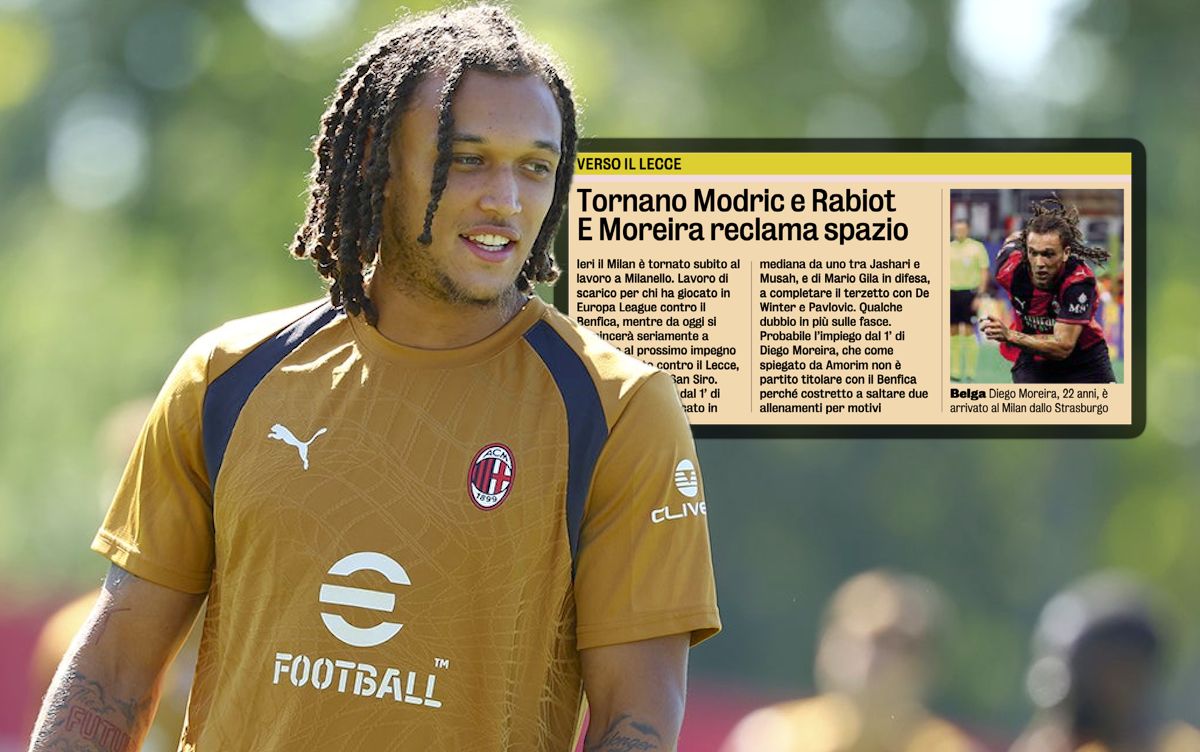
FIFA's Balogun decision is a tactical gift and a sporting disaster
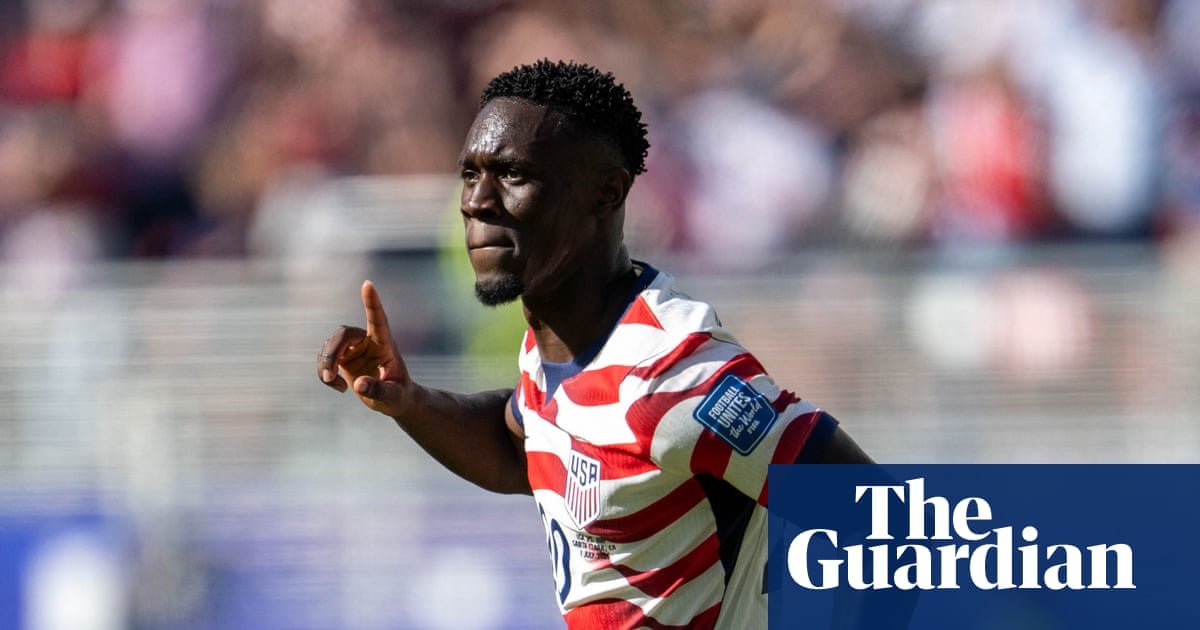
An Executive Override in Zurich
FIFA has officially entered the business of political matchmaking. The announcement on Sunday morning that Folarin Balogun’s one-game suspension has been lifted is a watershed moment for the modern game, though not for any sporting reason. The USMNT striker, sent off during the tense last-32 victory over Bosnia and Herzegovina, is now fully cleared to face Belgium in the round of 16.
The catalyst for this sudden U-turn was not a successful technical appeal based on clear video evidence. Instead, it was direct lobbying from President Donald Trump, who intervened to protect the host nation’s tournament prospects. The Belgian Football Association released a brief statement expressing that they were "astonished" by the ruling, a diplomatic word for what is, in reality, a farce.
As The Guardian reported, this intervention bypasses the standard disciplinary protocols that have governed international football for decades. A red card has historically been an absolute boundary, a sporting sanction that no amount of executive power could dissolve. By folding under political pressure, FIFA has confirmed that the rulebook is fluid when the commercial success of a host nation is at stake.
The decision also highlights the deep corruption of the tournament's governing body when faced with political heat. It is a raw exercise of host-nation privilege that undermines the very concept of athletic parity. If the rules can be rewritten with a single phone call from Washington, the tournament loses its claim to sporting legitimacy.
The Bosnian Blueprint and the Red Card
The details explain the panic. The USMNT escaped the Bosnia match with a 1-0 victory, but the performance was far from convincing. Pochettino's tactical shape is completely dependent on Balogun’s capacity to run the channels and trigger the high press.
Balogun’s evening ended abruptly in the 71st minute when he was dismissed for a late, high challenge. Before the dismissal, the striker had been the focal point of a pressing system that forced the Bosnian center-backs into long, hopeful clearances. He recorded 24 pressures in his time on the pitch, leading all players in defensive actions in the final third.
Once Balogun was sent off, the USMNT's defensive structure collapsed into a passive low block. They surrendered eighty percent of possession in the final twenty minutes and conceded three clear shooting opportunities. The drop-off was immediately visible.
Without Balogun to press the ball, Bosnia easily moved their defensive line up to the halfway line. This squeezed the space in midfield and isolated Christian Pulisic, who was forced to defend deep in his own half. The final whistle was met with relief rather than celebration.
Why Pochettino Needs His Primary Outlet
Pochettino’s tactical framework at this World Cup relies on a fluid 4-2-3-1 shape. In possession, this system morphs into an asymmetrical 3-2-4-1, with Antonee Robinson pushing high up the left wing and Weston McKennie shifting into the right channel. The success of this system depends on having a forward who can occupy both opposing center-backs simultaneously.
Balogun does this through constant diagonal runs. When McKennie gets the ball in the half-space, Balogun immediately sprints toward the corner flag, dragging the center-back and opening a passing lane for Christian Pulisic. Without Balogun, the opposing defense remains narrow, choking the space where Pulisic is most dangerous.
Ricardo Pepi is a talented striker, but he is a different profile of player. He prefers to play with his back to goal, holding up the ball rather than threatening the space behind the defensive line. Against Bosnia, his entry allowed the opposition to push ten yards higher, compressing the space in midfield and cutting off the supply to Gio Reyna.
This compression also limits Weston McKennie's ability to arrive late in the penalty box. McKennie relies on the space created when a forward drags the center-backs toward the goal line. Without Balogun's deep threat, the center-backs can stay at the edge of the box, comfortably intercepting crosses and stopping second-phase attacks before they begin.
The Belgian Dilemma
Belgium’s defensive setup under Domenico Tedesco is particularly vulnerable to the exact attributes Balogun possesses. Tedesco prefers a high-pressing style, but his center-backs, Wout Faes and Zeno Debast, lack recovery speed over long distances. They rely on defensive midfielder Amadou Onana to cover the spaces left behind their aggressive fullbacks.
In the group stage, Belgium conceded an average of 0.95 xG per ninety minutes, a respectable figure on paper. However, that statistic hides a structural weakness: they allowed the highest number of direct attacks of any team in their group. When opponents bypassed their midfield press with direct vertical passes, the Belgian center-backs were repeatedly caught in footraces they could not win.
If Balogun had been suspended, Tedesco could have played a high defensive line without fear. With Balogun on the team sheet, Belgium is forced into a tactical compromise. They must either drop their defensive line deeper to protect against Balogun’s speed or risk leaving their slow center-backs isolated in open space.
If Belgium drops deep, they surrender the midfield initiative to the United States. This allows Tyler Adams to dictate the tempo from deep without being pressured by Belgium's forward line. It also allows Gio Reyna to receive the ball in pockets of space between Belgium's midfield and defensive lines, where his vision can unlock the game.
The Deeper Tactical Impact of the Reprieve
The tactical ripple effect of Balogun’s return extends to the USMNT midfield. In the group stage, when Balogun stretched the opponent's backline, it created a pocket of space between the lines for Gio Reyna to exploit. Reyna’s pass completion rate in the final third dropped from eighty-four percent with Balogun on the pitch to just fifty-five percent without him.
This drop occurs because opposing midfielders do not have to drop back to help their center-backs. When Pepi or Haji Wright plays, center-backs can handle them one-on-one, allowing the defensive midfielders to stay compact in the center of the pitch. Balogun’s movement forces the defensive midfielders to drop deeper to cover the space he creates, opening up the zone around the penalty box arc.
This space is where the USMNT can hurt Belgium. If Reyna and Pulisic can receive the ball facing the Belgian goal with time to turn, they can feed the overlapping runs of Robinson. Balogun will hunt those vacated spaces behind Timothy Castagne, forcing Faes to shift wide and leaving Debast isolated.
Furthermore, Balogun's presence alters how the USMNT defends from the front. His speed allows him to press the goalkeeper and force rushed clearances. Against a team like Belgium, which wants to build possession from the back through Debast and Faes, this pressing trigger can disrupt their entire offensive rhythm before they even cross the halfway line.
Analyzing the Physical and Positional Matchups
The individual duel between Balogun and Wout Faes will likely decide the outcome of the match. Faes is aggressive in his positioning, often stepping out of the defensive line to challenge forwards before they can turn. Balogun’s movement is designed to exploit this exact aggression by making runs into the space Faes leaves behind.
If Faes steps out and misses the ball, the Belgian defensive structure is immediately compromised. Balogun’s ability to shield the ball under physical pressure has improved significantly during his season in Ligue 1. He is no longer just a speed merchant; he has developed the strength to hold off physical defenders while waiting for midfield support.
On the other side of the pitch, Belgium’s attack will test the USMNT’s defensive stability. Romelu Lukaku remains a physical threat in the box, and Jeremy Doku's dribbling on the left wing will force Joe Scally into a defensive containment role. Without Balogun to keep the Belgian defense honest, Belgium would have been able to commit more players forward, overloading the USMNT flanks and isolating their fullbacks.
Now, Tedesco must commit at least one midfielder to stay deep at all times to assist the center-backs. This reduces the number of runners Belgium can send into the box to support Lukaku. It is a defensive tax that Tedesco did not want to pay, and it is a direct consequence of the political maneuvering in Zurich.
A Dangerous Precedent for the World Cup
While Pochettino will be privately relieved to have his starting forward, the broader implications of this decision are grim. The integrity of the tournament relies on the assumption that the rules apply equally to all teams. By allowing a political leader to lobby successfully for the removal of a sporting sanction, FIFA has opened a Pandora's box.
What happens next? The precedent has been set: a call from the president can wipe the slate clean. This creates an uneven playing field where political influence outweighs tactical preparation, justifying the Belgian FA's outrage over the decision as detailed in the reports surrounding the decision.
On the pitch, the USMNT has been handed a massive advantage. Off the pitch, they carry the burden of a decision that compromises the legitimacy of their campaign. If they beat Belgium, the victory will always be viewed through the lens of this executive override.
Read Next
- US soccer faces a striker crisis after FIFA upholds Balogun's suspension
- Top 10: fifa
- Brazil double hamstring blow sets up shocking World Cup exit
- Thomas Tuchel's right-back emergency has England fans in complete meltdown
- 🏆 World Cup 2026 — Full Coverage Hub
- 🏆 Europa League Final 2026 — Full Coverage Hub
Frequently Asked Questions
Why was Folarin Balogun's suspension lifted?
Who will the USMNT play in the round of 16?
How did the Belgian Football Association react to FIFA's decision?
Why did Folarin Balogun receive a red card against Bosnia?
What happened to the USMNT tactics after Balogun was sent off?
More Coverage

When even the Swiss abandon you, your FIFA presidency is officially cooked
13 hours ago
Aleksander Ceferin is right about Infantino, but UEFA has no plan B
4 days, 19 hours ago
Man City got caught and Mauricio Pochettino wants his lost trophies back
5 days, 15 hours ago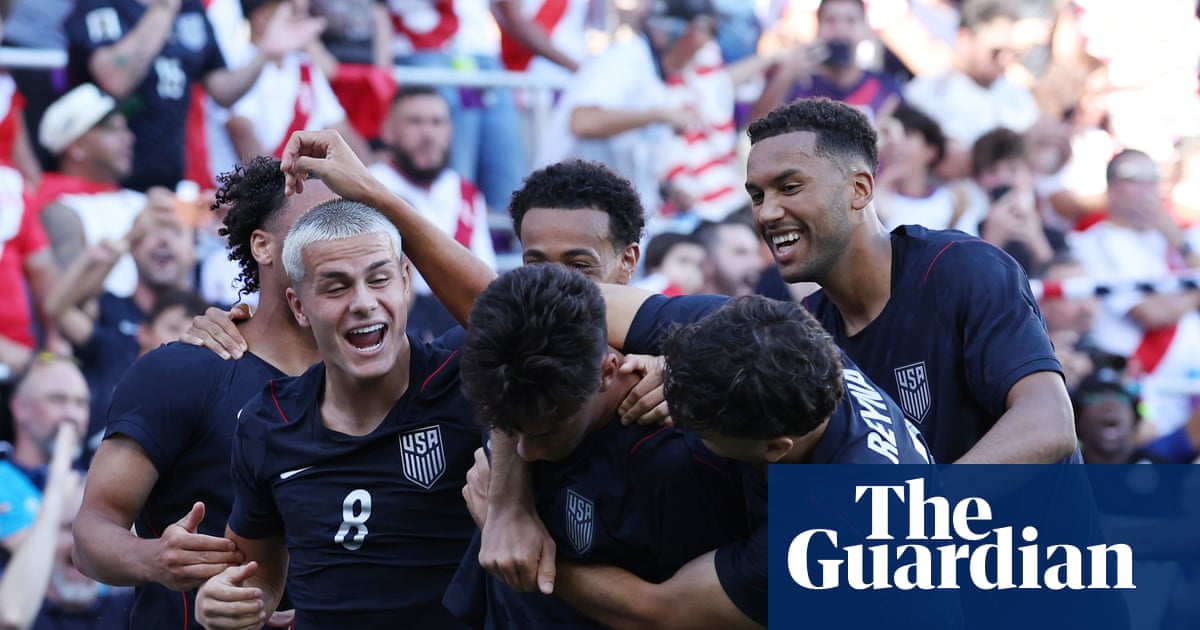
Pedro Gallese collision highlights Cavan Sullivan's fiery US debut
1 week agoMan City guilty verdict and England's Wembley wobble (Sep 21–Sep 27, 2026)
1 week ago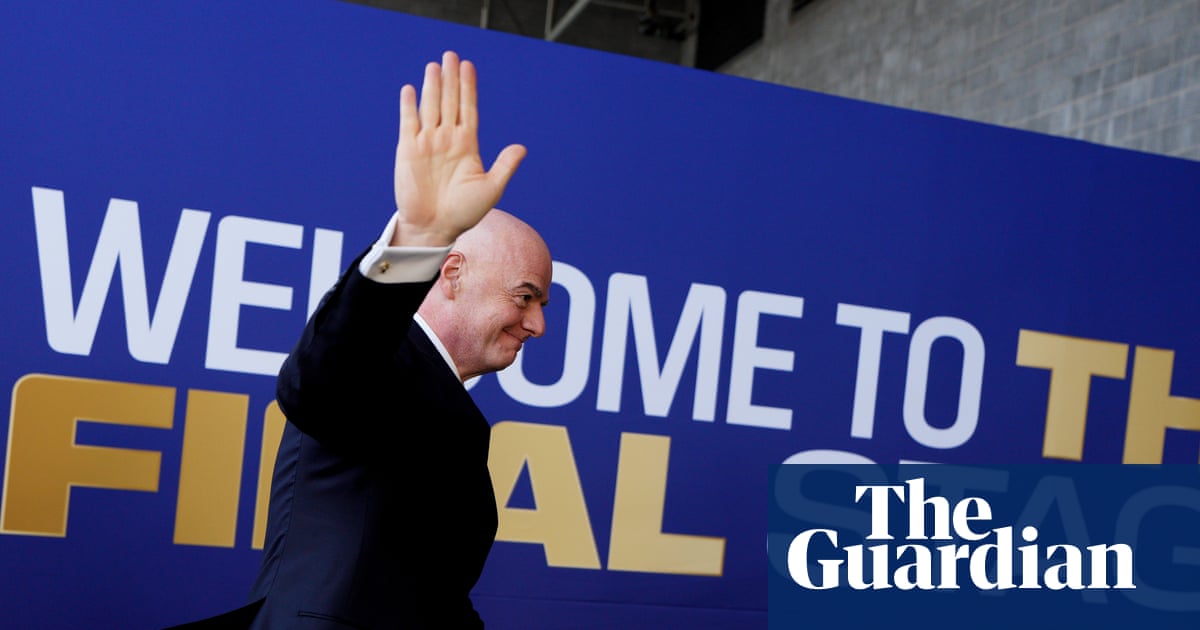
Folarin Balogun transfer picture grows murky after FIFA World Cup row
1 week, 3 days agoMore Analysis
Man City got caught and Mauricio Pochettino wants his lost trophies back
5 days, 15 hours ago
Pedro Gallese collision highlights Cavan Sullivan's fiery US debut
1 week agoMan City guilty verdict and England's Wembley wobble (Sep 21–Sep 27, 2026)
1 week ago
Folarin Balogun transfer picture grows murky after FIFA World Cup row
1 week, 3 days ago