The Ruling: Balogun Banned for Belgium Clash
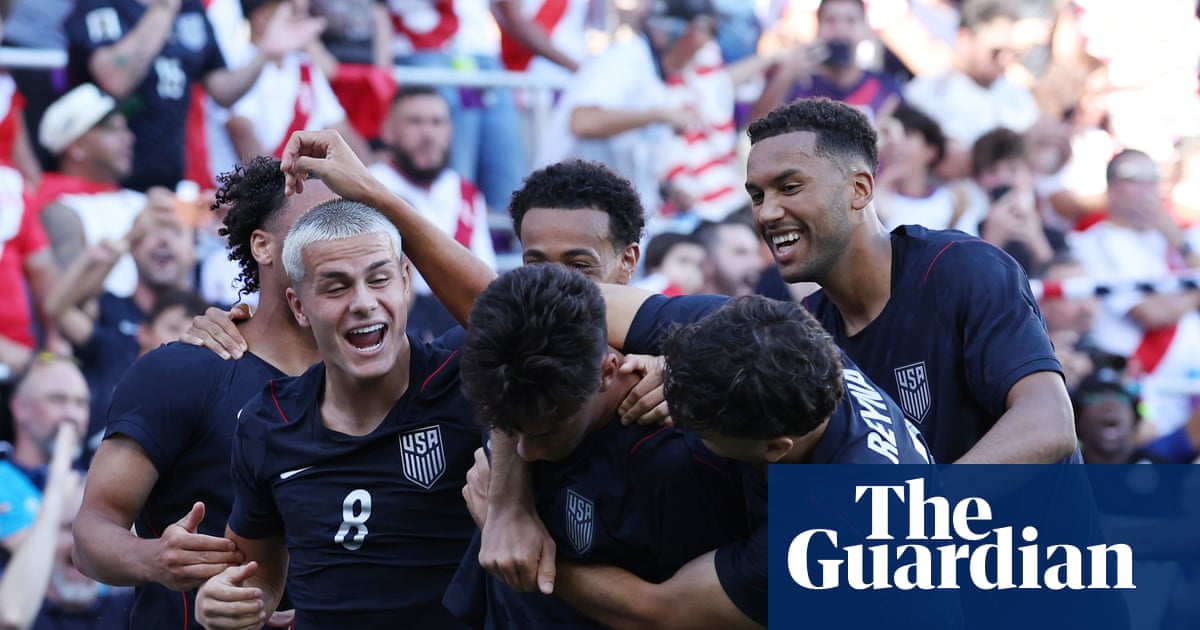
The US Men's National Team will face Belgium without their primary attacking threat. FIFA officials have finalized their ruling on Folarin Balogun following his dismissal against Bosnia and Herzegovina. The starting striker is officially banned for the upcoming Round of 16 match on July 7.
The suspension stems from a high-stakes incident during Wednesday's 2-0 victory over Bosnia. In the 64th minute of the match, Balogun challenged Bosnian defender Tarik Muharemovic.
The US forward landed heavily on the defender's leg, his studs connecting directly with Muharemovic's right ankle. Referee Raphael Claus initially let play continue but upgraded the offense to a straight red card after a lengthy VAR consultation.
US Soccer officials explored avenues to contest the decision, but FIFA regulations offer no recourse. Under the current tournament rules, a single-match suspension resulting from a direct red card cannot be appealed.
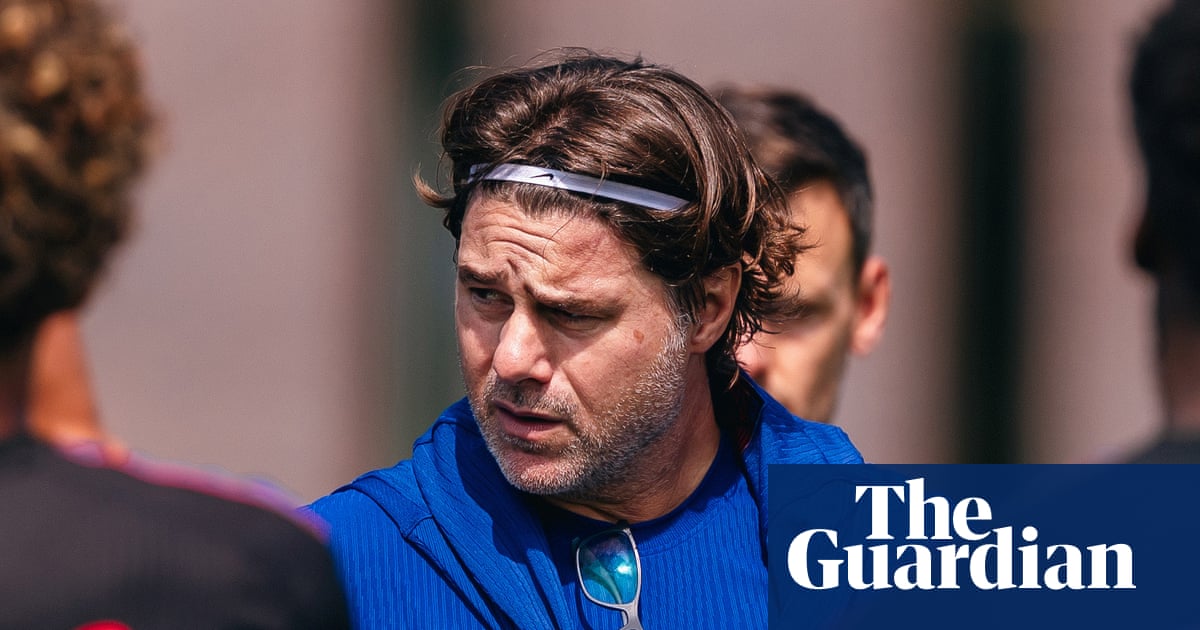
According to sources close to the federation, the administrative team was informed that the disciplinary committee would not review the incident further. The ruling remains absolute, leaving head coach Mauricio Pochettino to reconfigure his front line.
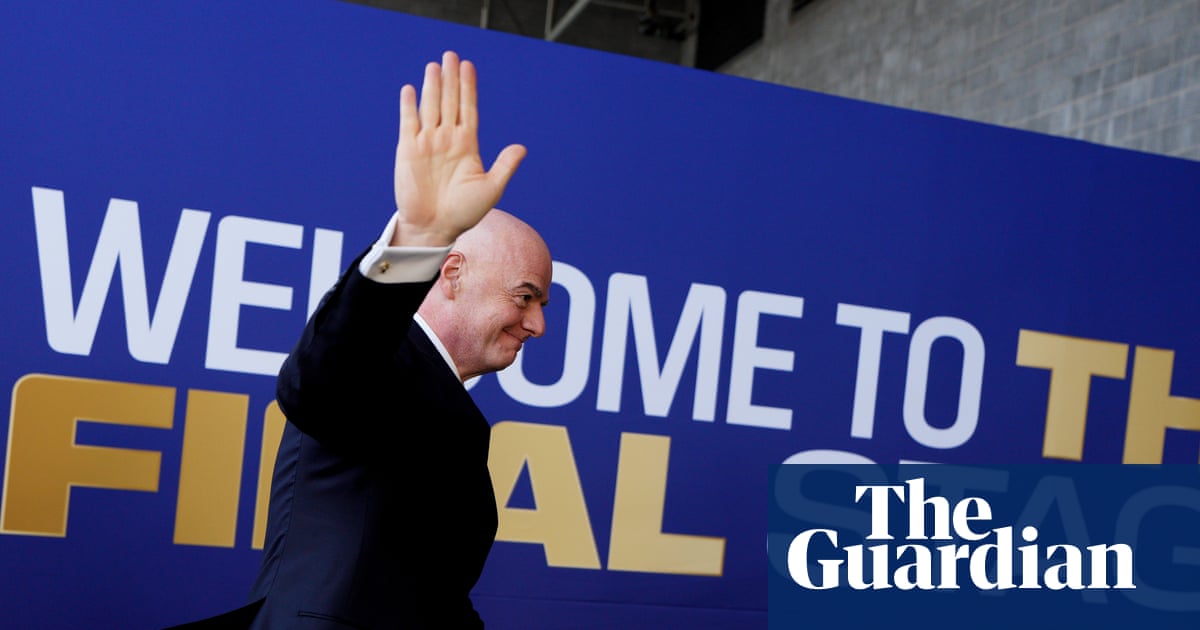
Fans have directed their frustration at FIFA President Gianni Infantino, demanding he intervene. The timing is particularly awkward for the governing body.
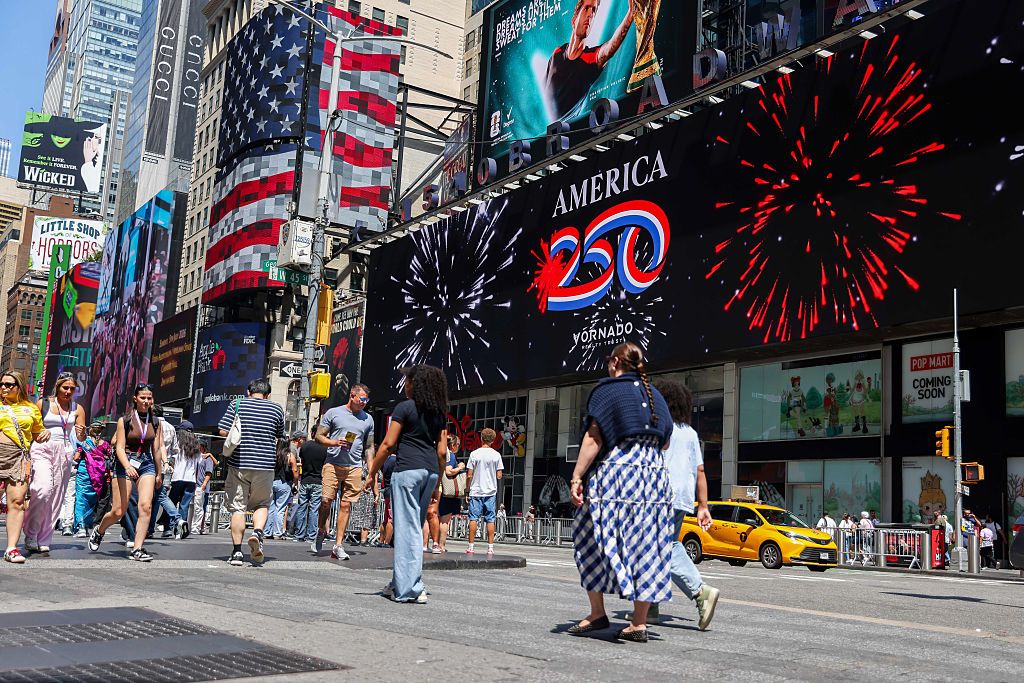
Infantino issued a public address celebrating the United States Semiquincentennial, marking the historic July 4 anniversary. US supporters immediately hijacked the message, urging the FIFA chief to free Balogun. The outcry highlights the tension surrounding refereeing decisions in this tournament.
Medical and Tactical Diagnostics
Ankle Stamps and Calf Recoveries
The physical toll of Wednesday's match extended beyond the card itself. Muharemovic remained on the turf for several minutes receiving treatment.
Medical staff evaluated his right ankle for structural damage, checking for potential ligament tears or bone bruising. Fortunately for Bosnia, the defender recovered to play the remaining minutes of the match, avoiding a severe injury.
The incident shines a spotlight on the physical nature of the US campaign. The squad has navigated several fitness scares since the tournament kicked off.
Captain Christian Pulisic has been managing a left calf injury suffered during the opening match against Paraguay on June 12. The injury forced Pulisic to sit out the subsequent group match against Australia.
Medical staff implemented a strict rehabilitation program to restore Pulisic's explosiveness. He returned as a second-half substitute against Turkey and played in the Round of 32 match.
While team doctors declare him fully fit, muscle tightness remains a concern under high-intensity schedules. The coaching staff must monitor his workload closely to prevent a recurrence of the calf strain.
Meanwhile, defender Chris Richards has maintained his starting spot despite a scare earlier in the summer. Richards suffered torn ankle ligaments in May during Crystal Palace's domestic campaign.
Initial projections suggested he would miss the tournament entirely. Intensive physical therapy allowed him to regain stability in the joint, and Pochettino cleared him for selection ahead of the Paraguay opener.
Rebuilding the US Front Line
Balogun's absence creates a massive tactical void for the round of 16. The striker had been in excellent form, scoring the opening goal against Bosnia before his dismissal.
His ability to stretch opposing defenses with runs behind the backline has been central to Pochettino's offensive game plan. Without him, the US attack loses its primary vertical threat.
Ricardo Pepi is the most likely candidate to step into the starting lineup. Pepi offers a different profile than Balogun, preferring to operate inside the penalty box rather than running the channels.
This shift will force wingers Christian Pulisic and Timothy Weah to adapt their service. The US will likely rely more on cross-heavy sequences rather than quick transition play through the middle.
Haji Wright provides an alternative option if Pochettino opts for a more physical presence. Wright's aerial ability and defensive work rate could help disrupt Belgium's build-up play from the back.
However, inserting Wright would require shifting tactical roles, potentially disrupting the chemistry developed during the group stage. The decision will test Pochettino's tactical flexibility under pressure.
Belgium's defensive unit will view Balogun's suspension as a massive advantage. The Belgian backline has struggled against quick, agile strikers who pull defenders out of position.
With Pepi expected to start, Belgium's center-backs can play a more compact defensive line. This tactical adjustment will limit the space available for US midfielders to exploit in transition.
Historical Precedents: The World Cup Red Card Curse
Red cards for physical challenges have historically derailed deep tournament runs. US fans are pointing to past tournaments where physical discipline altered the course of knockout stages.
In 1998, David Beckham's red card for a kick on Argentina's Diego Simeone cost England their tournament progression. Similarly, Wayne Rooney's stamp on Portugal's Ricardo Carvalho in 2006 left England shorthand and doomed their quarterfinal hopes.
The refusal of FIFA to allow appeals on red cards is a long-standing policy. The governing body maintains that refereeing decisions on the field are final to preserve the flow of the tournament.
Only in cases of mistaken identity has FIFA ever overturned a card. The rigid nature of this rule has drawn criticism from coaches who argue that VAR errors should be correctable post-match.
Officiating consistency has emerged as a major talking point across the tournament. Several matches have featured controversial physical challenges that went unpunished, while others resulted in immediate dismissals.
The lack of a uniform standard has left players unsure of how referees will call physical contact. This ambiguity increases the risk of accidental red cards as players compete at maximum intensity.
Broad Tournament Impact: Argentina Escape Cape Verde
The controversy surrounding the USA match is not an isolated incident in this tournament. Argentina's narrow 3-2 defeat of Cape Verde in extra time has drawn widespread criticism.
Cape Verde supporters claimed their team was robbed by a series of questionable refereeing decisions. The island nation pushed the defending champions to the limit before falling to a 111th-minute own goal.
Following the match, Infantino faced backlash for a message praising Lionel Messi and the Argentine squad. Critics argued the statement showed bias toward established footballing powers at the expense of emerging nations.
The contrast between Infantino's praise for Argentina and his silence on Cape Verde's performance has fueled conspiracy theories. Officiating decisions in high-profile matches will face intense scrutiny moving forward.
For the US team, the focus must remain on the physical preparation for Belgium. The medical team is working overtime to ensure the remaining players are at peak fitness.
With Balogun unavailable, the margin for error has shrunk dramatically. Pochettino's squad must deliver a flawless performance to reach the quarterfinals on home soil.
Read Next
- Can Pochettino's tactical tweaks carry the USMNT past Belgium without Balogun?
- England's secret hotel plan has already blown up in Mexico City
- England are already planning a World Cup parade and it is absolute madness
- FIFA's scheduling circus and hotel leaks are ruining the England-Mexico clash
- 🏆 World Cup 2026 — Full Coverage Hub
- 🇺🇸 USMNT World Cup 2026 — Team USA Coverage Hub
- ⚽ MLS 2026 Season Hub — World Cup Year Guide