The double hamstring blow that derailed the Seleção
Brazil's World Cup campaign ended in disaster at the New York New Jersey Stadium on July 5, 2026, as a double hamstring injury crisis set the stage for a historic 1-0 Round of 16 defeat to Norway. Head coach Carlo Ancelotti had to restructure his starting lineup after losing two key attacking elements in the hours leading up to kickoff. The medical staff ruled both Lucas Paquetá and Raphinha out of the squad, forcing the Seleção to deploy an untested frontline in the tournament's most critical match.
According to pre-match team news from Sky Sports, Paquetá failed a series of late fitness tests after aggravating his hamstring during the Round of 32 victory over Japan. Raphinha was dogged by a similar muscular strain that prevented him from participating in final training sessions. Their absences forced Ancelotti to start Bournemouth winger Rayan on the right side and leave Real Madrid teenager Endrick on the bench.
The lack of attacking chemistry was obvious as Brazil struggled to penetrate Norway's disciplined low-block defensive system under the stifling afternoon heat. Ancelotti's side registered an impressive 1.36 expected goals metric but failed to convert their dominant periods of possession into clear scoring opportunities. This offensive frustration peaked when Newcastle midfielder Bruno Guimarães saw his first-half penalty saved by Ørjan Nyland, a defining miss that set a nervous tone the South Americans could not shake.
Inside the medical room with Paquetá and Raphinha
The medical report for Lucas Paquetá indicates a moderate hamstring strain that occurred during a high-speed sprint in the closing minutes of their victory against Japan. Post-match imaging scans revealed minor fiber disruption in the biceps femoris muscle, requiring an immediate cessation of all high-intensity training activities. The West Ham midfielder underwent intensive daily electrical stimulation and manual physical therapy in a desperate race against time, but the timeline was simply too short to allow for safe physical exertion.
Raphinha's clinical history reveals a chronic muscular overload and hamstring fatigue that has dogged the Barcelona winger throughout the latter half of the intense European season. Medical experts note that rushing players back from hamstring strains during condensed tournament schedules almost always leads to more severe tendon ruptures. Head coach Ancelotti chose to prioritize the player's long-term health, opting to start Rayan instead of risking a major setback that could sideline the winger for months.
This double absence forced a massive tactical shift that left Brazil's vertical passing game entirely disjointed and predictable for the opposition. Without Paquetá's creative presence in the half-spaces to link the midfield and attack, Vinicius Junior was frequently isolated on the left wing and easily neutralized by Norway's double-teaming defensive system. The tactical structure looked incredibly sluggish and flat, showing none of the fluid lateral movement that had defined Brazil's dominant group stage victories over Haiti and Scotland.
Haaland battles neck stiffness to deliver the knockout blow
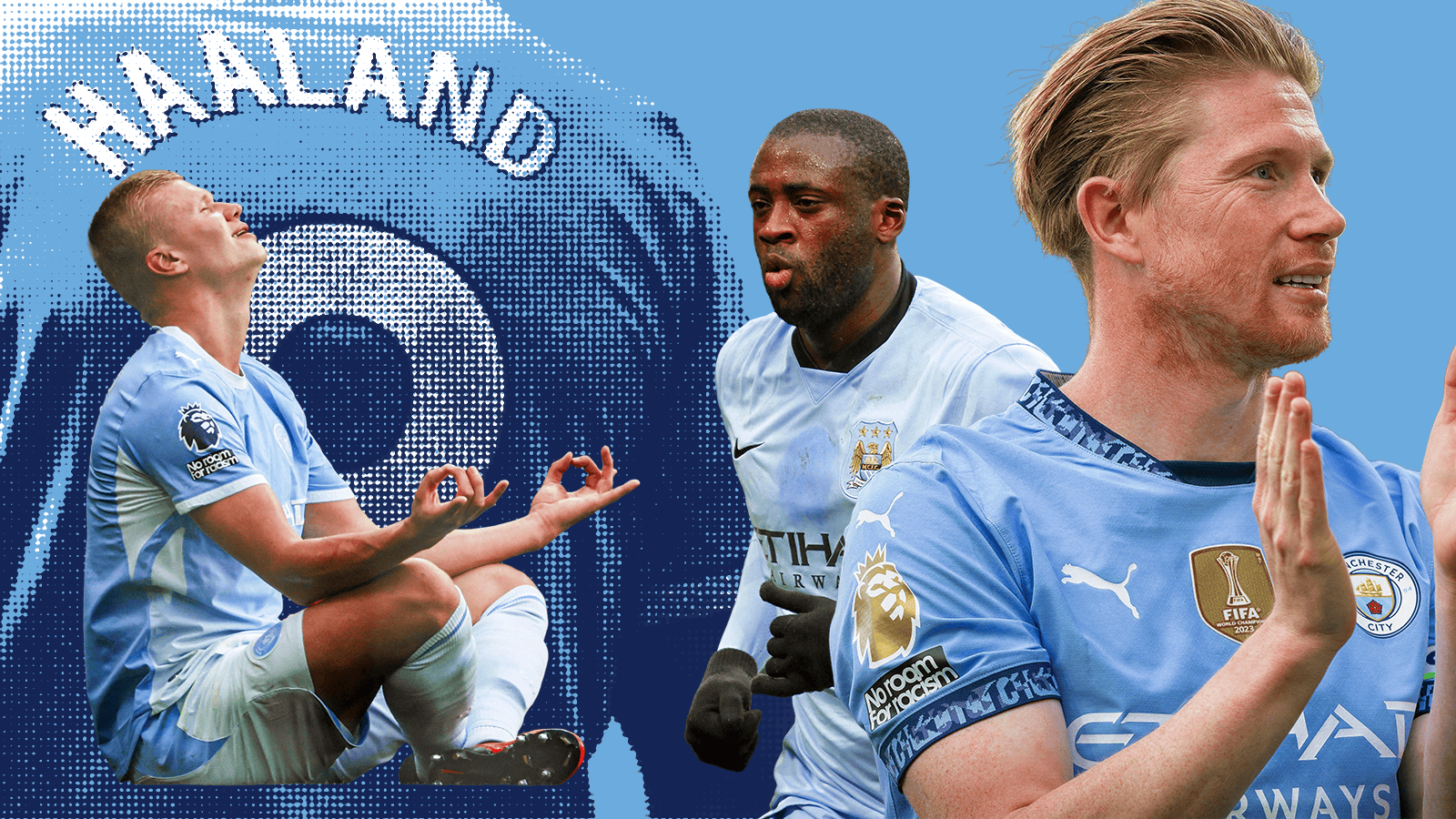
While Brazil managed their injuries off the pitch, Norway's medical department had to deal with a physical scare involving Erling Haaland during the match. The Manchester City striker was spotted using a massive ice pack on his neck during a hydration break in the 70th minute. According to sideline reports from The Guardian, Haaland was suffering from acute neck stiffness and muscle spasms brought on by New Jersey's suffocating humidity.
Despite the visible discomfort, the Norwegian medical team cleared Haaland to continue after applying topical pain relief and performing rapid manual traction. Haaland's physical resilience paid off in the 80th minute when he rose above Brazil defender Gabriel to meet a floating cross from substitute Antonio Nusa. The striker thumped a powerful header past Alisson to send the Norwegian fans at MetLife Stadium into absolute delirium.
The winning goal highlighted the physical dominance and superior aerobic conditioning that Ståle Solbakken's side maintained throughout the grueling second half of the match. Carlo Ancelotti had insisted before kickoff that he had 'no anti-Haaland plan' and would rely on his team's defensive shape, but Gabriel was simply overpowered in the air. The Manchester City forward now has six goals in the tournament, confirming his status as the most lethal striker in world football today.
Historical precedent and the strategic fallout of Brazil early exit
This defeat marks a historic low for Brazil, who have now failed to beat a European opponent in a World Cup knockout match since their championship run in 2002. The tactical rigidity of Ancelotti's system has drawn immediate criticism from South American media, who point to the underutilization of Neymar as a major managerial error. Neymar was subbed on in the 68th minute for Martinelli but looked physically off the pace after returning from his own long-term knee injury.
Similar physical breakdowns have derailed tournament favorites in past World Cups, most notably when France rushed a half-fit Zinedine Zidane back in 2002. Rushing injured players into high-intensity international matches almost always results in secondary muscle tears and tactical failure. Brazil's medical department will face severe scrutiny for failing to manage the workloads of their star players during the group phase.
The commercial fallout for Brazil's sponsors and corporate partners is expected to be massive as the tournament loses its most marketable and recognizable team. Global television networks had heavily promoted the potential quarter-final matchup between Brazil and England, a blockbuster fixture that is now completely off the table. This sudden and premature exit highlights the thin margin of safety for elite teams in this expanded forty-eight team bracket.
For Norway, the victory validates Solbakken's patient building process and tactical discipline. The team will now prepare for a quarter-final clash against either England or Mexico, with the entire nation dreaming of an historic semi-final berth. The medical staff must focus on resolving Haaland's neck issues to ensure their star striker is fully fit for the next physical battle.
Alternatively, this high-stakes match proved that physical preparation and workload management are just as important as tactical planning in modern international football tournaments. While Norway's key players successfully fought through the extreme heat and minor physical setbacks, Brazil's squad collapsed under the weight of their pre-match injury problems. The Seleção must now return home to rebuild their tactical approach, leaving Norway to continue their historic march toward World Cup glory.
Read Next
- Why Carlo Ancelotti's European revolution is about to meet Erling Haaland
- Brazil is in absolute meltdown mode after Bruno Guimaraes' penalty disaster
- Bruno Guimaraes is getting roasted after his penalty disaster against Norway
- Norway vs Brazil is about to become a Premier League street fight
- 🏆 World Cup 2026 — Full Coverage Hub
- 🇧🇷 Brazil World Cup 2026 — A Seleção Hub