The Big Picture
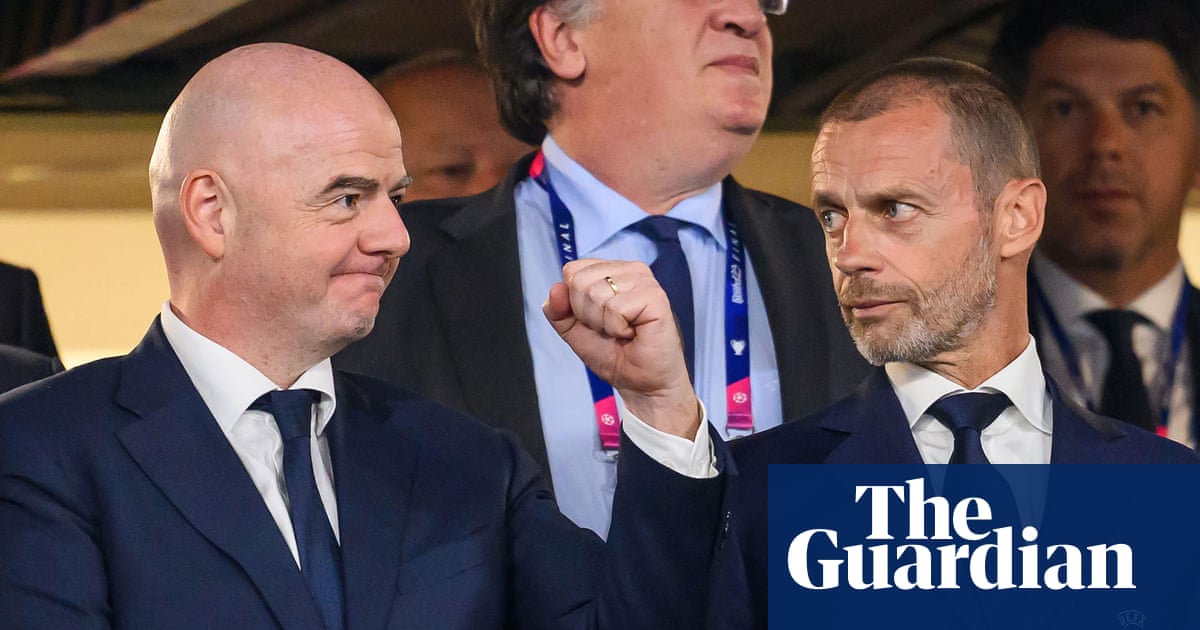
Gianni Infantino's grip on global football is slipping faster than a defender on wet turf. After months of simmering discontent following the World Cup, the 57-year-old president faces open revolt from European boardrooms and embarrassing ethical leaks. With the nomination deadline arriving on November 18, Swiss headquarters has turned into an active political war zone.
Ranking the Top 10 Flashpoints in FIFA's Power Struggle
10. The Phantom Challenger in the Shadows
Whispers out of Zurich suggest Infantino is not just tracking one challenger. As reported by The Telegraph, a mystery candidate is quietly working backchannels alongside Arsene Wenger to force Infantino out. This sits at number ten because phantom candidates rarely survive the daylight of global football politics.
Without a confirmed name attached to the dossier, it remains an empty threat designed to rattle Infantino's camp. Yet the mere existence of a second contender proves how fractured the ruling committee has become under current leadership.
9. Kozo Tashima Steps Up as Europe's Safety Net
If the French icon declines to run, UEFA already has its backup play ready. Kozo Tashima, the Japan Football Association head who has sat on FIFA's ruling committee since 2015, has agreed to stand with European backing. It ranks ninth because Tashima is an institutional caretaker rather than an aggressive insurgent.
Tashima openly admitted his campaign is not designed for bare-knuckle politics. His stated objective is far more modest:
"not about winning or losing but about conveying to the world the honest, sound and upright attitude that Japanese football has built"
That humble posture is admirable, but it will not intimidate Infantino's hardened vote-counting machine.
8. The Caribbean Whistle-Stop Tour
Facing hostility across Western Europe, Infantino ran straight to his traditional base. A personal tour through the Caribbean Football Union delivered exactly what he needed: a public declaration of total electoral loyalty. This political maneuver sits at eighth because it proves Infantino still understands the raw mathematics of Zurich balloting.
It ranks below the heavyweight clashes because buying regional loyalty through handshakes and promises is standard playbook operating procedure. Still, locking down the Caribbean ensures his opponents cannot engineer an effortless coronation.
7. The Gulf Bloc Shuts the Door
Money talks, but voting blocs decide elections. Qatar and Saudi Arabia have formally mobilized their influence behind Infantino, pushing him toward the 106 votes required to retain his throne. That backing ranks seventh because it represents pure survival arithmetic rather than an active crisis.
Without this Middle Eastern fortress, Infantino's presidency would already be dead in the water. It sits above the Caribbean tour because Saudi and Qatari support brings deep geopolitical weight that Europe simply cannot break.
6. The English FA Formally Breaks Ranks
English football administrators are normally cautious diplomats who wait to see which way the wind blows. Not this time. The Football Association took the public step of declaring Infantino is "no longer the right man to lead FIFA."
That extraordinary rebuke lands at number six because formal condemnation from a founding federation breaks diplomatic decorum. It outranks standard bloc voting because it permanently burns bridges between London and Zurich. It was a blunt statement that forced other European federations out of the shadows.
5. Europe's Secret Coup to Draft Arsene Wenger
Senior executives across Europe have spent weeks quietly lobbying Wenger to leave his desk job and launch a direct challenge. The former Arsenal manager left club coaching in 2018 and currently serves as FIFA's chief of global football development. That puts him inside the building, giving him unmatched visibility and credibility.
This recruitment drive ranks fifth because it weaponizes Infantino's most prominent employee against him. The clear catch is Wenger's age: at 77, taking on an exhausting worldwide political campaign is a massive operational risk. Even so, the sheer boldness of European chiefs organizing a mutiny under Infantino's nose makes it unforgettable.
4. Wenger Rebukes the Tournament Commercial Blueprint
Before European officials asked him to run, Wenger dealt Infantino a public blow from within his own department. When Infantino floated plans to monetize future tournaments by selling off equity stakes, Wenger publicly condemned the scheme. The Frenchman did not mince words, calling the decision to scrap the plan "absolutely necessary and beyond question."
This open dissent claims fourth spot because it cracked Infantino's veneer of internal unity. When your handpicked development chief torpedoes your signature commercial idea, authority evaporates. It ranks higher than the FA's statement because the damage came from inside Infantino's inner circle.
3. The Miami Dog Escort VIP Embarrassment
Bureaucratic corruption usually hides behind offshore shell companies. Sometimes it involves first-class animal handling. Revelations broke that Infantino's personal office requested special airport VIP escorts for his daughters and their dogs traveling from Miami to Qatar. As Mirror Football reported, the revelation raised sharp questions over conduct and blatant entitlement.
This scandal lands at number three because petty abuses of power often ignite public rage far faster than corporate maneuvering. It ranks above Wenger's policy rebukes because it shreds Infantino's personal moral standing. Running FIFA like a personal family jet service is precisely what alienated neutral voters.
2. The Private Equity Grab to Sell World Cup Stakes
Infantino's plan to sell off commercial shares in future World Cup tournaments remains the original sin of this entire crisis. His stock among member associations plummeted immediately once the blueprint circulated among executives. It was a naked cash grab that alienated European broadcasters, domestic leagues, and national federations alike.
This moment takes the runner-up spot because it sparked the entire rebellion. Without this disastrous financial scheme, the FA stays quiet and Wenger never becomes a political challenger. It sits just behind top spot because it was eventually abandoned before permanent structural damage took hold.
1. Donald Trump Overrules FIFA to Erase Balogun's Red Card
Nothing in modern sports governance rivals the absurdity of a sitting American political figure refereeing a World Cup match. During tournament play, FIFA took the unprecedented step of suspending Folarin Balogun's red card after Donald Trump placed a direct telephone call to Infantino. It stands as the single most shocking moment of Infantino's tenure.
This takes number one by a country mile because it completely compromised sporting integrity. Throwing out refereeing protocol on the whim of a political patron is inexcusable governance. It proved Infantino values political access over the fundamental rules of the sport.
Honorable Mentions and The Final Reckoning
Several secondary maneuvers barely missed the top ten cut but still tell the story of an embattled administration fighting for survival:
- UEFA's early public call-out of Infantino's executive leadership, which initiated the European resistance.
- The quiet lobbying across African federations where Infantino has worked double-time to shore up his baseline tally.
- Wenger's transition from legendary Arsenal manager to political lightning rod within FIFA headquarters.
Infantino still holds the structural edge with his Gulf and Caribbean firewall, but the moral authority is gone. If the opposition unites behind a single candidate before the clock runs out, football could see its biggest palace revolution in decades.