FIFA's disciplinary committee operates in a world where rules are rigid until they suddenly bend. The governing body’s history is littered with arbitrary bans, strange fines, and political compromises that leave fans scratching their heads. The recent shock decision to wipe out a USMNT suspension is just the latest chapter in a long saga of institutional inconsistency.
The Hall of Shame: Ranks 10 to 6
10. Josip Simunic's World Cup Exile (2013)
Croatia’s veteran defender Josip Simunic learned the hard way that political gestures on the pitch carry severe consequences. After celebrating a playoff victory over Iceland that secured Croatia's spot at Brazil 2014, Simunic took the stadium microphone to lead fans in a fascist salute. FIFA reacted with fury, handing him a 10-match ban that effectively ended his international career and kept him out of the tournament. The severity of the ban was entirely justified, drawing a clear line on hate speech, though critics argued FIFA was slow to police similar behavior in the stands. This entry sits at number ten because, while severe, it was a straightforward application of ethical standards rather than a rule-bending loophole.
9. Zinedine Zidane's Post-Retirement Sanction (2006)
Zinedine Zidane’s infamous headbutt on Marco Materazzi in the 2006 World Cup final remains one of football's most dramatic exits. Because Zidane retired immediately after the match, a standard suspension was practically useless. FIFA solved this by issuing a three-match ban and then forcing Zidane to complete three days of community service with children. Materazzi also received a two-match ban for his verbal provocation, proving FIFA wanted to share the blame. This penalty ranks ninth because it showed FIFA's willingness to invent creative punishments when traditional sporting sanctions failed to apply.
8. Rivaldo's Oscar-Winning Dive (2002)
During Brazil's group opener against Turkey at the 2002 World Cup, Rivaldo produced a legendary piece of theater. Hakan Unsal kicked the ball at Rivaldo's legs to speed up a corner kick, but the Brazilian clutched his face and collapsed as if struck by a projectile. The referee sent Unsal off, but FIFA later used video evidence to fine Rivaldo roughly 5,000 Swiss francs. This was a landmark moment where FIFA intervened post-match to penalize diving, though the fine was a drop in the ocean for a superstar. It ranks eighth because, while it set a precedent, the punishment lacked the teeth to actually deter simulation on the big stage.
7. Thierry Henry's Double Handball Settlement (2009)
Thierry Henry’s blatant double handball in the 2009 playoff setup William Gallas for the goal that eliminated the Republic of Ireland. Irish players and fans demanded a replay, citing the unfairness of the missed call, but FIFA flatly refused. Years later, it was revealed that FIFA chief Sepp Blatter paid the Football Association of Ireland 5 million euros to drop their legal threats. This was not a sporting decision but a corporate buyout designed to bury a public relations disaster. It ranks seventh because it exposed how FIFA prefers financial settlements over sporting integrity when their flagship tournament is compromised.
6. Kuwait's Sheikh Overturns a Goal (1982)
During a group stage match against France in 1982, Kuwait stopped playing after hearing a whistle from the stands, allowing Alain Giresse to score. Incensed by the goal, Sheikh Fahad Al-Ahmed Al-Jaber Al-Sabah, the president of the Kuwaiti FA, walked onto the pitch to argue with referee Miroslav Stupar. The Sheikh threatened to pull his team off the pitch unless the goal was disallowed, and Stupar incredibly capitulated. FIFA later fined Kuwait 10,000 dollars and suspended Stupar from officiating, but the scoreline remained. This ranks sixth because it remains the only time a non-playing official successfully pressured a referee into changing a decision on the pitch during a World Cup.
The Top Five: Absolute Chaos
5. Cameroon's One-Piece Kit Deduction (2004)
Cameroon wore innovative one-piece kits during the 2004 Africa Cup of Nations, prompting FIFA president Sepp Blatter to declare them illegal. FIFA fined the Cameroonian federation and docked the Indomitable Lions six points in their 2006 World Cup qualifying group. Cameroon appealed the ruling, arguing that the kits did not violate any specific safety laws, and FIFA eventually backed down and restored the points. This saga ranks fifth because it demonstrated FIFA's bizarre obsession with control over harmless aesthetic choices. It was a pedantic display of authority that almost cost a major African power their World Cup spot.
4. Diego Maradona's Banishment from USA '94
Diego Maradona arrived at the 1994 World Cup in the United States looking fit and scoring a brilliant goal against Greece. However, after the second group game against Nigeria, a random drug test revealed five variants of ephedrine in his system. FIFA immediately suspended him from the tournament, ending his international career in shame. Argentina collapsed without their talisman, losing their next two matches and exiting in the Round of 16. This ranks fourth due to the immense status of the player and the swiftness with which FIFA acted to protect the tournament's reputation.
3. Luis Suarez's Four-Month Banishment (2014)
Luis Suarez shocked the world by biting Italian defender Giorgio Chiellini during a group stage match at the 2014 World Cup. Despite escaping punishment during the game, FIFA intervened with a hammer blow, banning Suarez for nine matches and all football activity for four months. This decision crippled Uruguay’s World Cup campaign and delayed his debut for Barcelona after a high-profile transfer. The ban ranks third because of its unprecedented scope, targeting a player's domestic club career for an international offense. It remains one of the most severe punishments ever handed down for an on-field action.
2. Roberto Rojas' Razor Blade Deception (1989)
Chilean goalkeeper Roberto Rojas orchestrated one of the most devious plots in football history during a 1990 World Cup qualifier against Brazil. With Chile trailing 1-0 at the Maracana, Rojas collapsed to the ground, claiming he was hit by a firework thrown from the stands. Rojas had hidden a razor blade in his glove, which he used to cut his own forehead to simulate a serious head injury. FIFA's subsequent investigation exposed the hoax, resulting in a lifetime ban for Rojas and disqualification for Chile from the 1994 tournament. This ranks second because the sheer level of premeditated deception forced FIFA to implement some of their harshest sanctions ever.
1. Folarin Balogun's Loophole Reprieve (2026)
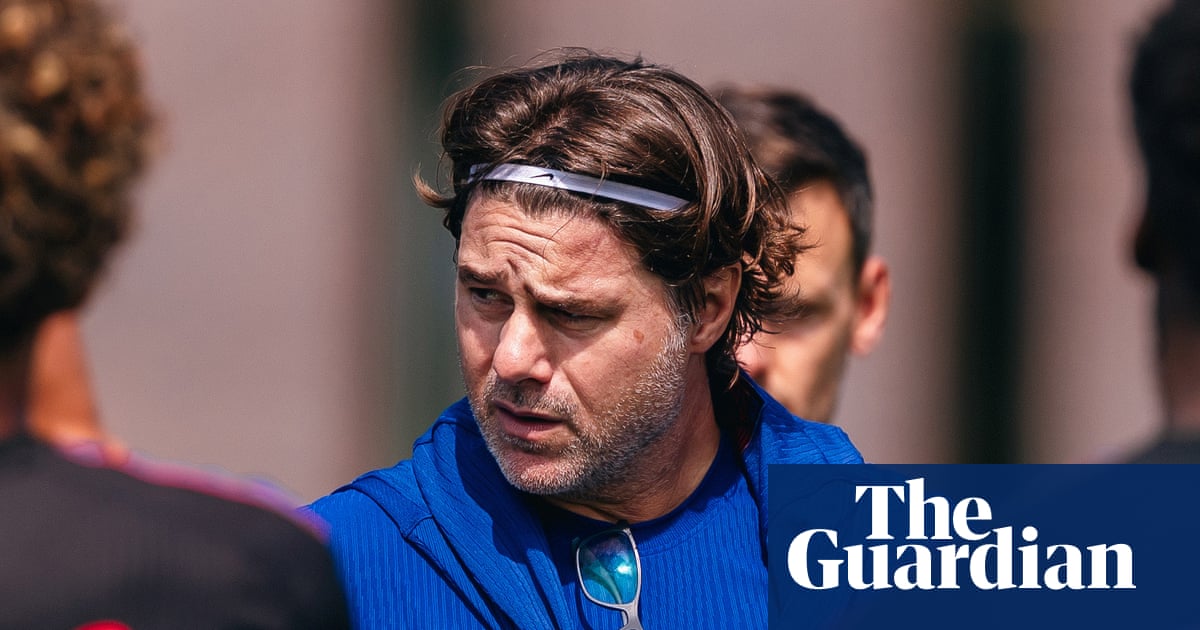
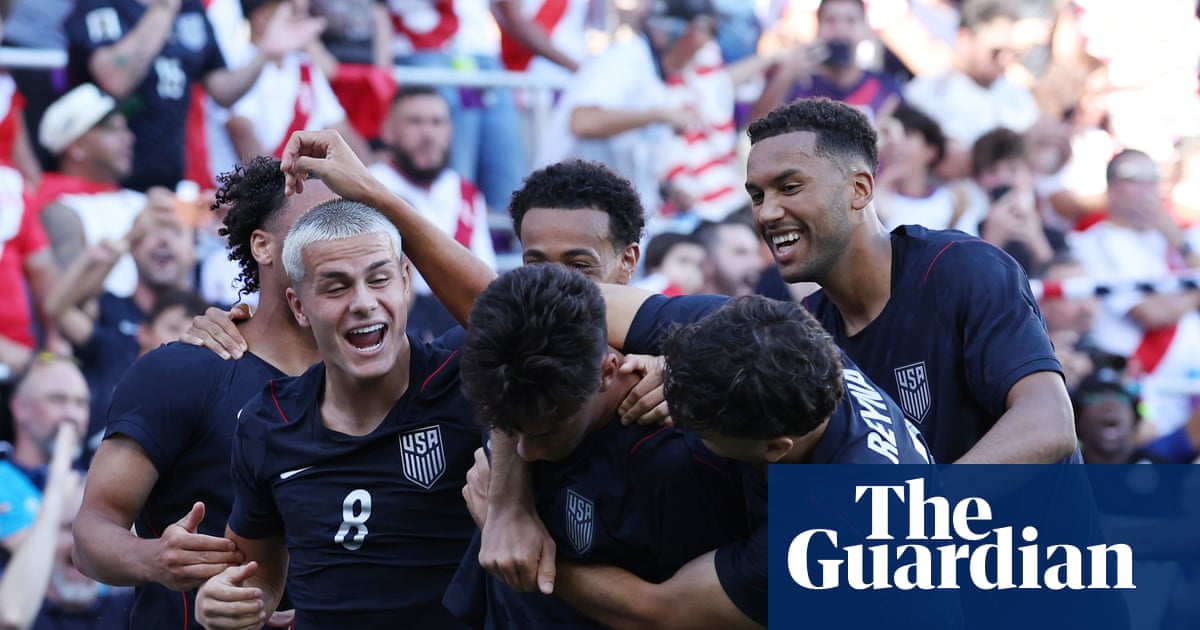
In a decision that has stunned international football, FIFA has suspended the mandatory one-game ban for USA striker Folarin Balogun. The forward was shown a red card against Bosnia and Herzegovina, leaving the hosts devastated before FIFA intervened, as Mirror Football detailed. However, ahead of Monday's Round of 16 clash with Belgium, FIFA's disciplinary committee used an obscure code loophole to clear him, as The Guardian reported. This ruling provides a massive boost for manager Mauricio Pochettino, as FourFourTwo noted. This decision takes the top spot because it directly disrupts an ongoing tournament, bending established rules to benefit a host nation and setting a highly questionable precedent.
Honorable Mentions
We must mention a few rulings that barely missed the cut. Byron Moreno's officiating in 2002 was widely criticized, but FIFA stood by the tournament results despite public outrage. Harold Schumacher escaping punishment for his brutal assault on Patrick Battiston in 1982 remains a stain on the organization's history. Lastly, the automatic one-match ban stood for Luis Suarez in 2010 after his goal-line handball against Ghana, showing a rare moment of FIFA holding the line.