The fiscal reality check behind the FIFA U-turn
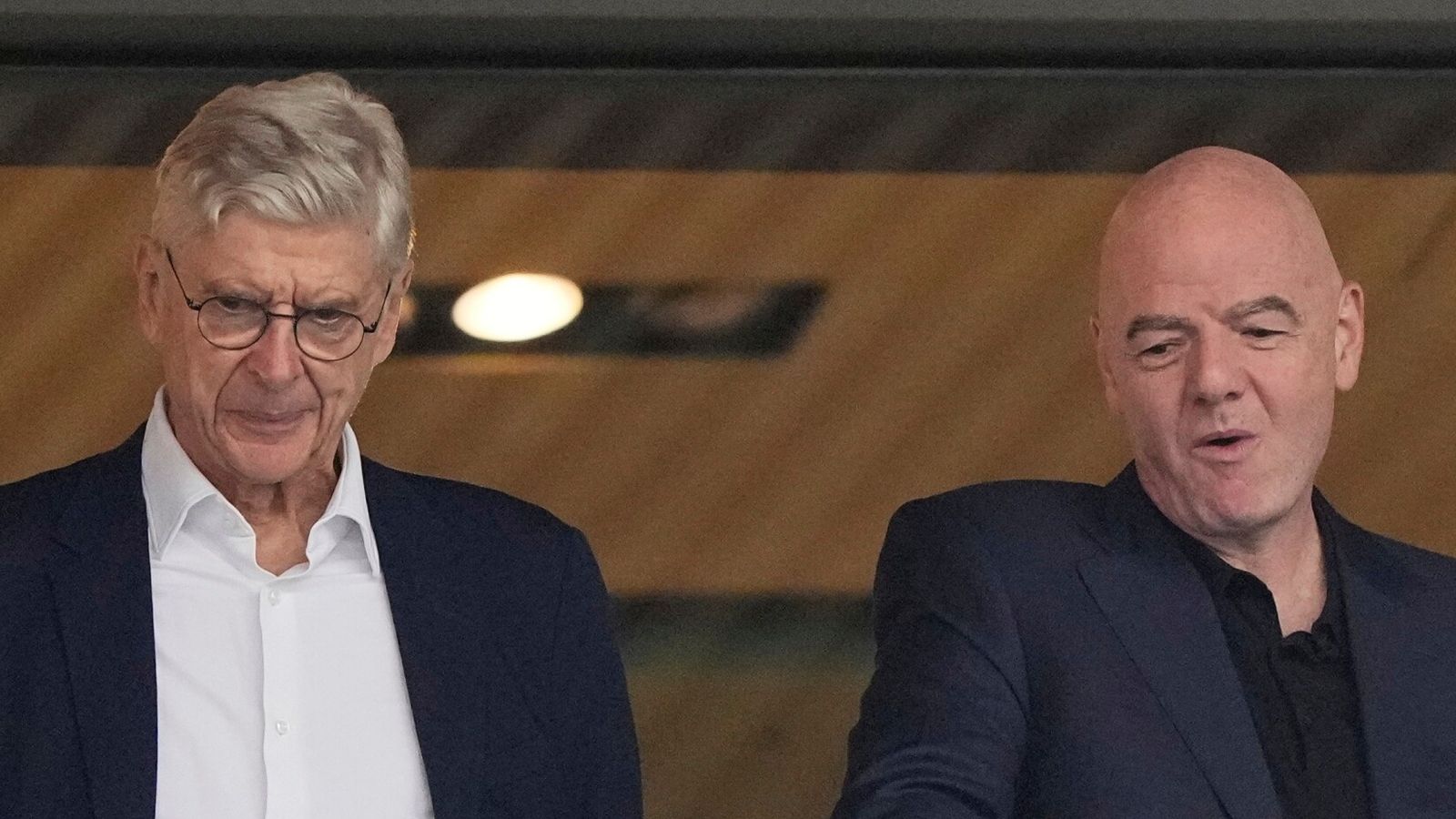
Arsene Wenger recently stepped into the spotlight to defend a significant shift in internal policy. The former Arsenal manager, now serving as FIFA's chief of global football development, addressed the decision to scrap proposed private investment plans for international tournaments. His assertion that the move was "absolutely necessary and beyond question" signals a return to internal funding models.
This pivot arrives as the BBC reported, emphasizing that the organization could not afford the long-term optics of external capital interference. Wenger is playing the role of the pragmatic stabilizer here. He recognizes that FIFA tournaments live or die by their perceived neutrality, a commodity that private equity firms usually dismantle within a few fiscal quarters.
Tactical rigidity in a shifting market
Wenger's transition from the touchline to boardroom governance reveals a stubborn adherence to traditional resource control. While his tactical mind once revolutionized the Premier League, his current role requires managing a complex bureaucratic machine. The decision to abandon private money is an attempt to insulate FIFA from the market volatility that currently plagues domestic leagues relying on hedge fund cash injections.
However, the execution of this strategy remains uneven. If FIFA intends to self-fund its massive tournament expansion, it must generate revenue with surgical efficiency. Currently, there is a lack of clarity on how they will bridge the funding gap created by the rejection of private equity. Watching the financial reports from the last cycle, it is clear that reliance on ticketing and broadcasting rights remains their only real engine.
The danger of over-extension
The core problem with this defensive posture is the scale of the tournaments FIFA aims to host. Wenger speaks of development, yet the sheer volume of matches puts massive strain on player welfare. Without the buffer of private funding to offset operational overheads, the organization faces a contentious road ahead regarding long-term feasibility. The math simply does not favor such a restrictive capital approach when the product requires global expansion.
My prediction is that FIFA will struggle to maintain this stance for more than 24 months. Once the realities of production costs for the upcoming tournament cycle hit the balance sheets, they will inevitably look for alternative revenue streams. The decision is a temporary stop-gap, not a permanent fiscal philosophy. Wenger is buying time for a machine that is already running at peak capacity with no reserve gear.
A flawed defensive line
The most glaring omission in Wenger’s recent comments is the lack of a backup plan. By publicly distancing the organization from private investment, he has effectively tied their hands. If the next set of broadcasting rights negotiations falls short, they will have painted themselves into a corner where no investor will touch them due to the initial pivot.
This is a high-stakes gamble on the resilience of the current football economy. The 5 percent projected growth in broadcast revenue is optimistic at best. If these targets are missed, the organization will be forced into a humiliating reversal of policy. Wenger is a master of the long game, but in this specific instance, he is defending a lead with a formation that is fundamentally unsuited to the current pressure of the market.