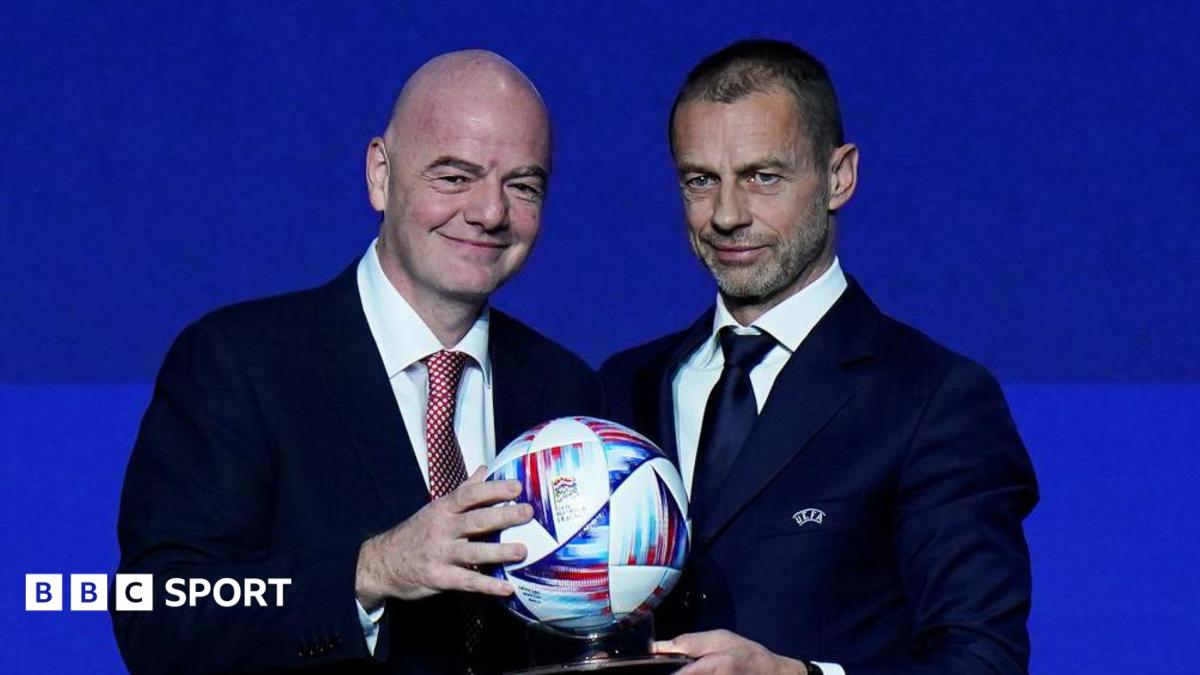
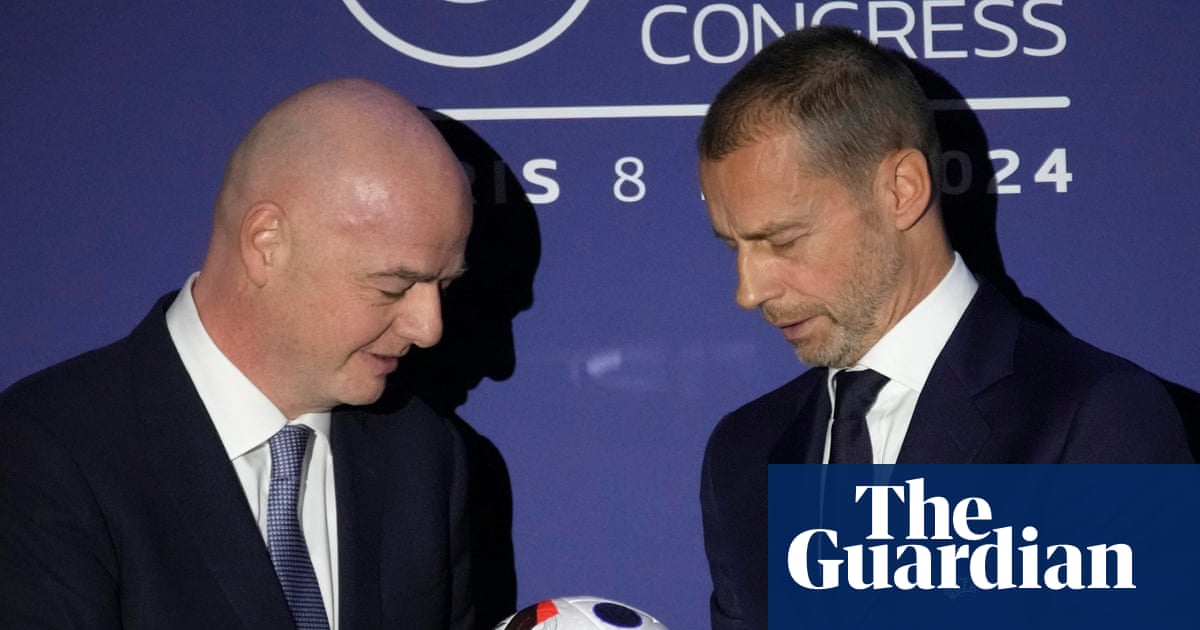
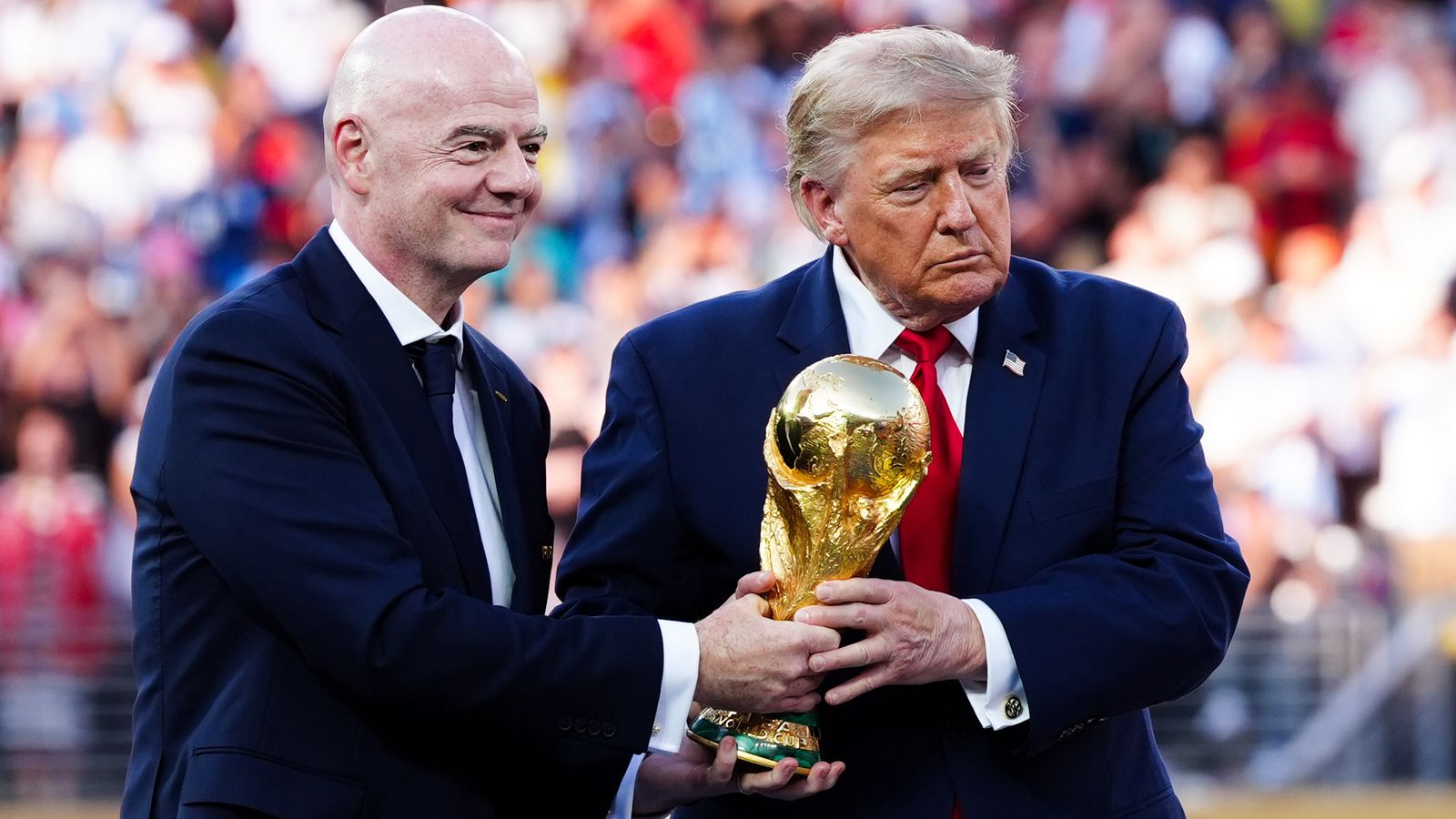
The 0% backing rate: Infantino's civil war by the numbers
When Gianni Infantino walked into White House talks on Monday, August 3, 2026, he wasn't just managing political optics; he was attempting to contain a structural collapse within FIFA's hierarchy. In modern sports governance, power relies on consensus or cash. Infantino currently commands neither, having delivered a zero percent approval rating among his top executive advisors for his controversial World Cup private investment sell-off scheme.
The catalyst came when FIFA General Secretary Mattias Grafström, Infantino's long-standing No. 2, condemned the commercial proposal as "sad and reproachable." That single internal leak signaled a complete breakdown in executive alignment. When combined with Chief of Global Football Development Arsène Wenger publicly confirming he had zero advance knowledge of the deal, Infantino's internal support metric among key stakeholders officially hit rock bottom.
Executive Isolation Metrics
Consider the structural alignment within FIFA's leadership prior to August 2026 versus today:
- Secretary General support: dropped from 100% policy alignment to 0% after Grafström's formal dissent
- Technical Development backing: 0% approval, following Wenger's complete public distancing
- External regulatory threat: an alliance of rival federations threatening alternative international tournaments
From 38-year-old veterans to £65m market shifts: The domestic landscape
While Zurich burns, the domestic transfer market and cup competitions continue to operate under rigorous efficiency filters. Look at the return of 38-year-old Vito Mannone. Making his Crawley Town debut on Monday night in the Carabao Cup against York City, Mannone recorded a 100% save rate and a clean sheet—his first competitive senior appearance in 18 months.
Compare Mannone's low-risk productivity with the high-stakes turmoil in North London, where Tottenham Hotspur have been offered the chance to sign Chelsea's unwanted star valued at £65 million. Furthermore, Barcelona wide man Ferran Torres remains in market limbo as both Arsenal and Spurs evaluate their underlying efficiency metrics before committing funds. In a market where marginal gains dictate recruitment, spending £65m on out-of-favor assets carries far more systemic risk than calculated veteran depth.
The World Cup sell-off math that fractured Zurich
The proposed private investment model intended to sell equity stakes in World Cup commercial operations to third-party funds. However, governance analysts quickly identified the flaw: sacrificing long-term tournament equity for short-term liquidity yields diminishing returns across a 4-year cycle. Under Infantino's proposed model, FIFA risked alienating core confederations who command substantial voting blocs in the FIFA Congress.
The opposition alliance threatening to stage rogue international competitions represents the largest structural threat to FIFA's tournament monopoly since the proposed European Super League. If Infantino loses control of even 25% of member federations, his operational quorum dissolves entirely. For a president who once won elections with overwhelming margins, surviving the fallout from this sell-off scandal will require an unprecedented political pivot.
The structural takeaway
Infantino built his tenure on commercial expansion and expanding tournament formats, but the failed World Cup sell-off proves there is a hard limit to financialization. When your own General Secretary publicly brands your flag-bearer financial plan "reproachable" and your top technical mind claims complete ignorance, the numbers no longer add up. FIFA isn't just facing a PR nightmare—it is staring down an operational deadlock.