
Scottish football is sleepwalking toward a fiscal cliff

The Hampden boardroom needs a reality check
The Scottish Football Association recently announced a summit to address the future of the national game. The terminology is predictable—the governing body calls it a critically important event. But reading between the lines of the BBC report, it is clear that years of structural stagnation have finally caught up with the SPFL. Calling a summit is the classic move when the actual strategy has been missing for a decade.
We are looking at a system that relies on a top-heavy revenue distribution model while the rest of the league fights for crumbs. The gap between the Glasgow giants and the field is not just financial; it has become a competitive void. When the primary ambition for ten clubs in the top flight is to avoid relegation or secure a modest Europa Conference League qualifying spot, the product on the pitch suffers.
The revenue chasm is widening
Look at the broadcast deals. Every time a new cycle rolls around, we hear about growth, yet the actual figures remain stagnant when adjusted for inflation. Smaller clubs are trapped in a cycle of selling their best academy prospects for peanuts to Championship sides in England. This is not a sustainable model for a top-tier European division.
The academy system, once a source of pride, is producing players who move south before they reach their peak. By the time they turn 21, they are wearing training gear in the midlands of England, while their home clubs are left with a 5% sell-on clause that rarely triggers any meaningful windfall. The summit must address how to keep talent in Scotland long enough to elevate the quality of domestic football.
The vanity of the status quo
There is a dangerous amount of self-congratulation at the SFA. They point to high attendance numbers at clubs like Hearts and Hibernian as evidence of health. That is a misinterpretation of loyalty as a business strategy. Fans will show up because it is their heritage, not because the league is currently providing a premium sporting product.
The lack of investment in infrastructure—proper grass pitches, training technology, and modern fan-facing digital services—is a direct result of clubs operating on razor-thin margins. If this summit ends with a committee report instead of a radical restructuring of TV rights and youth development funding, it will be a wasted weekend. We have seen technological shifts move faster than the SFA can sign a sponsorship agreement.
Missing the tactical forest for the trees
The most glaring flaw in the current discourse is the obsession with immediate results over long-term stability. Managers are cycled through like inventory. The average tenure for a Premiership manager is barely 18 months. How can any club build a philosophy when the coaching staff is fired the moment they hit a three-game losing streak?
If the summit ignores the role of the Director of Football and the need for long-term technical mandates, they are just shuffling deck chairs on the Titanic. The game in Scotland is talented, gritty, and fiercely supported. But passion does not pay the bills or bridge the gap to the European elite. Unless they are willing to blow up the current power dynamics and focus on collective revenue growth, the drift toward irrelevance will only accelerate.
Read Next
- Ben Arthurs returns just as the Irish Premiership kicks off
- Ben Stanway’s contract extension is a statement of intent for Partick Thistle
- Ben Stanway just gave Partick Thistle the massive shot in the arm they needed
- Scottish clubs in Europe: Motherwell show tactical grit while Hearts collapse
- ⚽ Scottish Premiership 2025-26 — Celtic vs Rangers Hub
adidas Unisex-Adult Tiro Club Shin Guards
Low-profile protection so you can channel your inner Premier League midfielder s
Frequently Asked Questions
What is the main goal of the upcoming Scottish FA summit?
Why is the current revenue distribution model considered unsustainable?
How does the current transfer system affect Scottish youth talent?
What does the author suggest about high match attendance figures?
How does manager turnover impact Scottish Premiership stability?
More Coverage
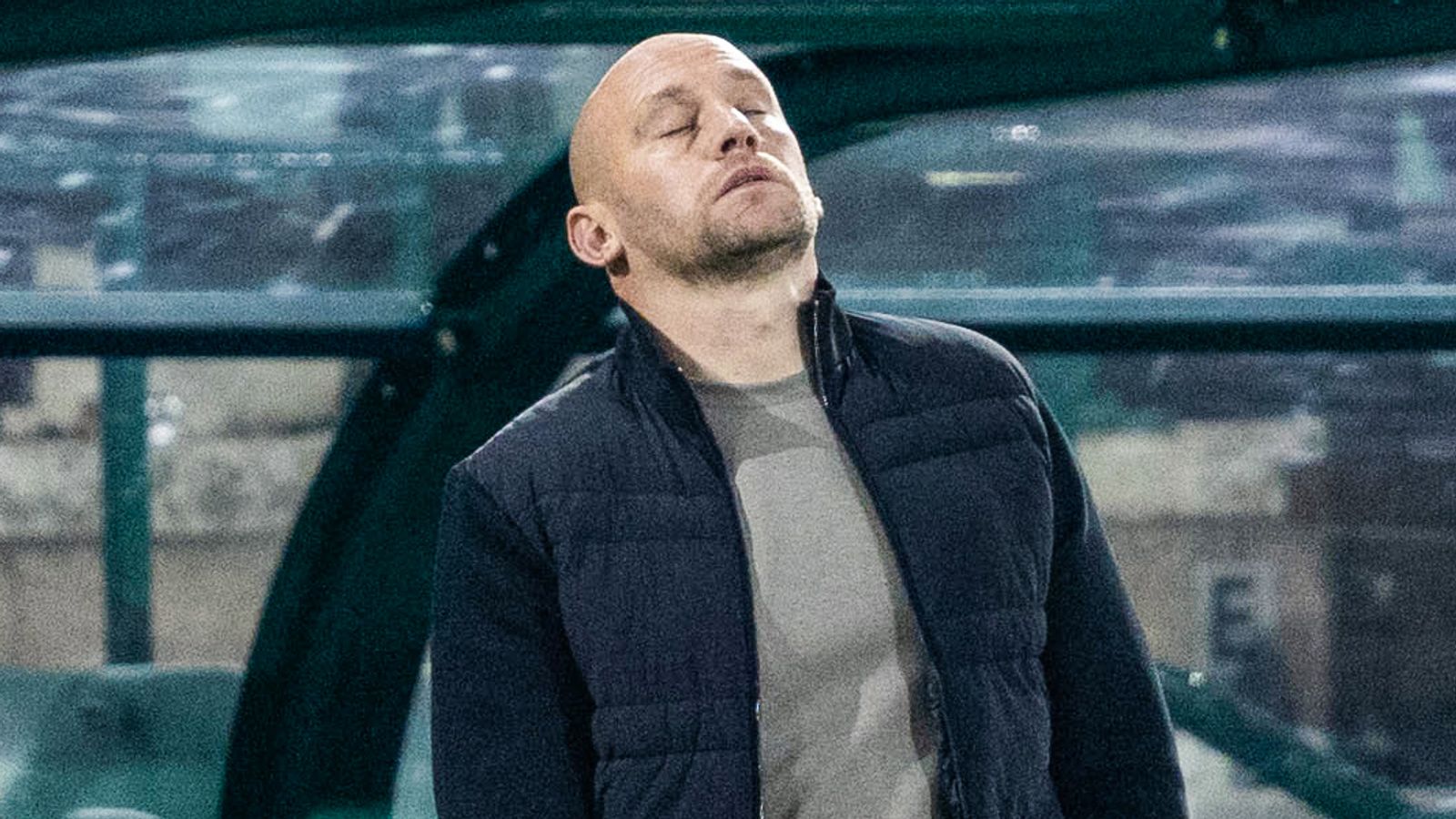
Sacking David Gray won't fix Hibernian's total mess at Easter Road
5 days, 6 hours agoTuesday night's Sportscene proved Scottish football is pure unhinged magic
5 days, 14 hours ago
Top 10: Top Moments
1 week ago
David Gray faces a high-stakes turning point at Hibernian
1 week, 3 days ago
Scotland's late transfer deadline gives Premiership clubs a major 48-hour edge
2 weeks, 6 days ago
Rangers giving Celtic 300 tickets proves Old Firm governance is totally broken
3 weeks, 3 days agoMore Analysis
Sacking David Gray won't fix Hibernian's total mess at Easter Road
5 days, 6 hours agoTuesday night's Sportscene proved Scottish football is pure unhinged magic
5 days, 14 hours ago
Top 10: Top Moments
1 week ago
David Gray faces a high-stakes turning point at Hibernian
1 week, 3 days ago
Scotland's late transfer deadline gives Premiership clubs a major 48-hour edge
2 weeks, 6 days ago