The quiet death of FIFA's commercial gambit
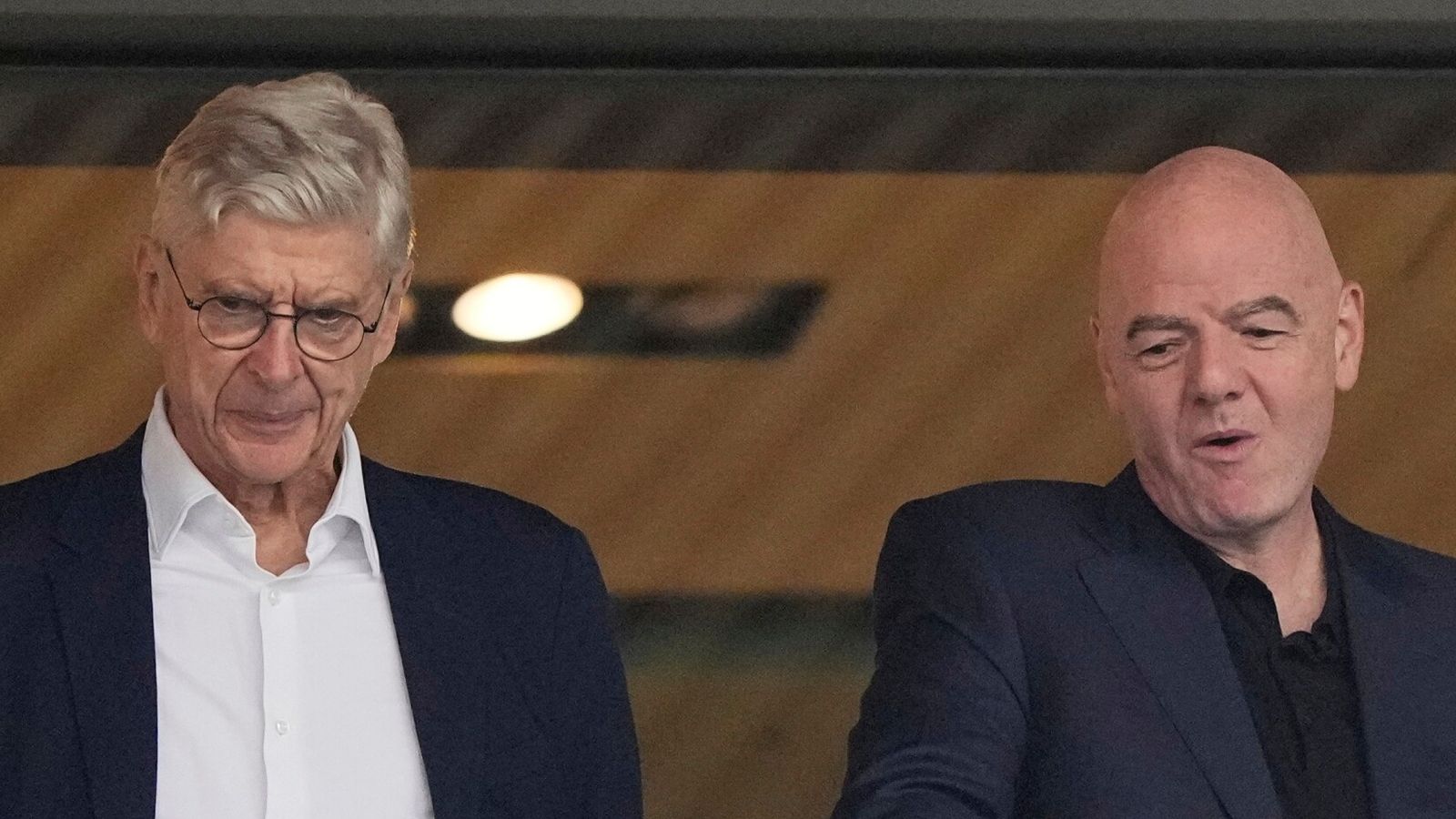
Arsene Wenger rarely misses an opportunity to frame structural change in football through the lens of long-term stability. Speaking as FIFA's chief of global football development, his response to Gianni Infantino abandoning private investment plans in FIFA competitions was immediate. Wenger called the decision to scrap the venture absolutely necessary and beyond question.
For months, the prospect of third-party private equity entering governing-body level tournament structures raised institutional alarm. Commercial expansion at the expense of sporting equity is a dangerous line to cross in international football administration. When the balance shifts too far toward speculative financial capital, the competitive integrity of global tournaments suffers instantly.
Why private equity in international football failed the test
Private equity operates on high-yield extraction schedules that do not align with football's long-term governance needs. Bringing private funds directly into FIFA tournament operations created friction with continental federations and club associations alike. Scrapping the project before capital injection occurred prevented a fragmented governance landscape from taking root.
Wenger's public backing of the U-turn signals an awareness that modern football cannot afford further polarization between regulatory bodies and financial stakeholders. As reported by BBC Sport, Wenger emphasized that reversing the decision was vital for preserving tournament governance structures. Retaining full institutional control remains paramount if global development initiatives are to stay on track without investor mandate interference.
The structural road ahead for global competition
Abandoning private investment does not solve FIFA's broader financial and scheduling dilemmas. Expanding international tournament calendars while relying strictly on traditional broadcast and sponsorship revenue streams will push operational budgets to their limit. FIFA avoided an immediate institutional misstep, but the underlying friction between commercial growth and player welfare remains unresolved.
Infantino's strategic retreat demonstrates that resistance from domestic leagues and continental bodies still carries significant leverage. However, unless FIFA presents a sustainable financial blueprint for its expanded tournament model, private equity proposals will inevitably resurface under different branded disguises in future governance cycles.