The revenue versus reputation trade-off
Gianni Infantino’s tenure as FIFA president is defined by an obsession with expansion. Since his ascension in 2016, the organization has aggressively pushed for an increased number of participating nations at the World Cup. The 2026 tournament structure will feature 48 teams, a 50% increase from the 32-team format that governed the game from 1998 to 2022.
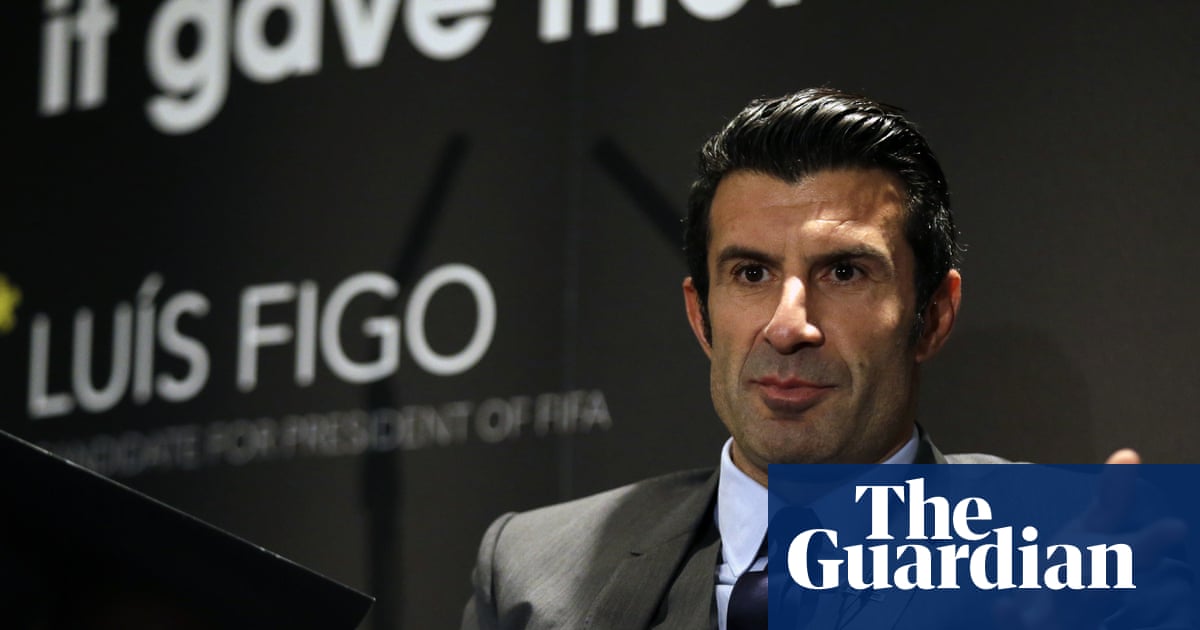
This drive for scale is being sold as development. However, the financial maneuvering has reached a point where critics like Luís Figo are calling for a complete leadership change to prevent irreversible damage. The core issue is the proposed privatization of tournament stakes, a shift that threatens the traditional non-profit governance model that previously directed surpluses into grassroots programs.
The cost of commercial bloat
Infantino’s recent proposal to court private investment for World Cup revenue streams ignores the long-term historical stability of the organization. FIFA reported a record revenue of $7.6 billion for the 2019-2022 cycle, an increase from the $5.65 billion generated during the 2011-2014 period. This represents a 34.5% growth rate under existing commercial partnerships.
Why invite external private equity when organic growth remains this robust? The move suggests an urgent need to cover spiraling operational costs rather than a strategic desire for innovation. As The Guardian reported, Figo specifically labeled the current scheme as deceitful. The fiscal trajectory indicates that FIFA is pivoting away from its role as a steward of the game toward that of an investment vehicle.
Diminishing returns on governance
Beyond the balance sheet, the focus on private stakes creates a conflict of interest in regulatory impartiality. When external investors hold a financial stake in tournament performance, their influence over scheduling, broadcast windows, and marketing priorities becomes a matter of record. The current leadership has prioritized these commercial metrics over the logistical stability of host nations.
The criticism from Figo reflects a broader sentiment among football stakeholders who view the 48-team expansion as a dilution of quality. The 2022 World Cup saw 64 matches, while the upcoming formats will balloon to 104 matches. This 62.5% increase in total game inventory risks player burnout and diminishes the prestige of the group stages.
The numbers do not favor Infantino’s legacy. FIFA’s administrative expenses have ballooned, and the reliance on tournament revenue to sustain these costs has turned the World Cup into an increasingly volatile asset. If the goal was to save football, the current path of commoditizing every aspect of the game has failed to deliver anything beyond temporary fiscal expansion at the cost of long-term integrity.