The crumbling authority behind the World Cup sell-off
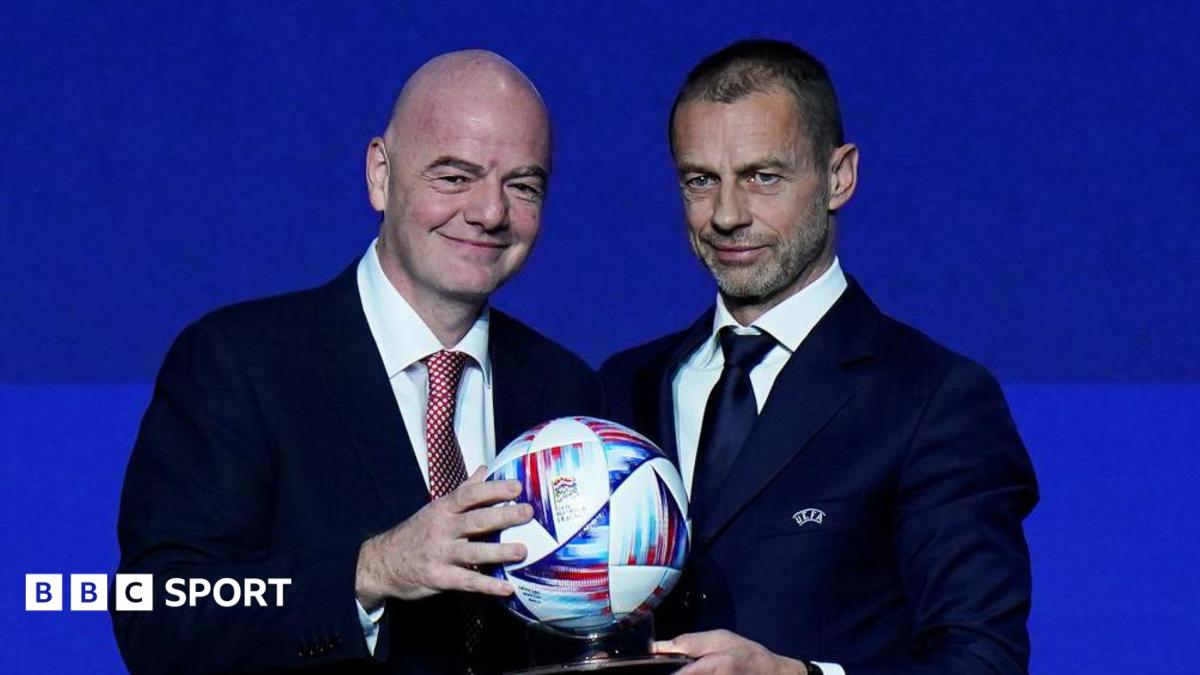
Gianni Infantino’s tenure at the helm of FIFA has reached a breaking point, characterized by a staggering lack of institutional support. The recent revelation that his own general secretary, Mattias Grafström, publicly labeled the plan to sell stakes in the World Cup as a "reproachable" project underscores a total collapse of internal governance. For a president who has historically controlled the narrative, the public dissent from his second-in-command is a death knell.
The Wenger disconnection
Arsène Wenger, usually a stalwart ally in FIFA's development initiatives, has now moved to formally distance himself from the proposal. According to reports, Wenger asserts he possessed no knowledge of the private investment plot. This pivot suggests that even the technical minds formerly aligned with the administration recognize the toxic political capital now attached to the office of the president.
Institutional paralysis and external pressure
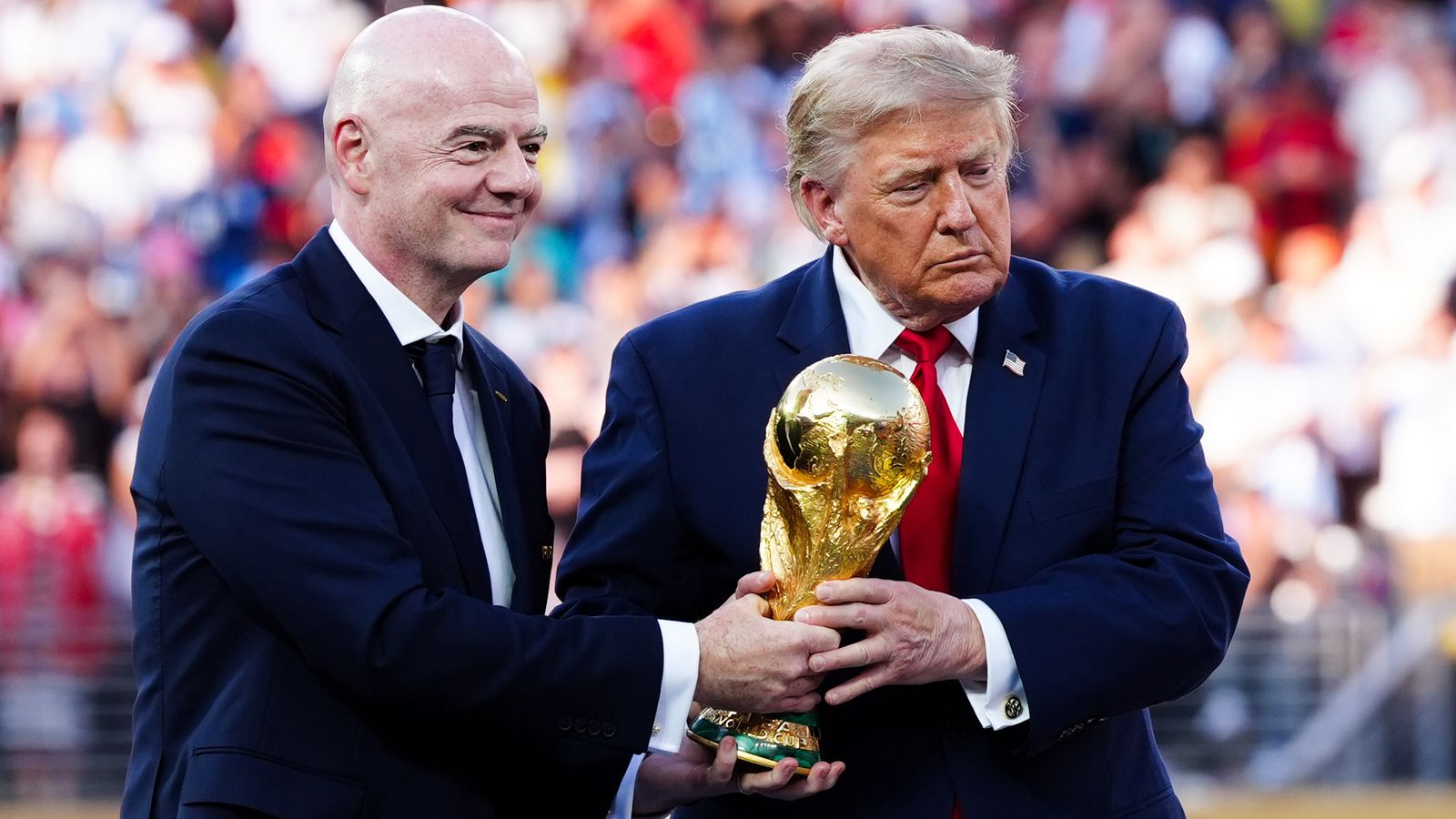
The numbers behind this instability are mounting. Infantino reportedly sought counsel from the White House this past Monday, a desperate maneuver to stabilize his position amid rumors of an organized alliance among his detractors. These opponents are allegedly considering staging breakaway international tournaments if he refuses to step down. The prospect of an alternative calendar represents a direct challenge to the financial hegemony of the current regime.
The fallout of the sell-off disgrace
The financial absurdity of selling stakes in a tournament that generates billions in revenue has left governing bodies baffled. FIFA typically nets substantial returns from broadcasting and sponsorship, yet this plan sought to extract short-term liquidity at the cost of long-term autonomy. The criticism from Grafström is particularly damning because it identifies the strategy not merely as a business failure, but as a moral one.
We are witnessing a shift in the executive power structure. When the top two officials in an organization openly contradict each other on a policy of this magnitude, the 0% chance of internal reconciliation becomes the baseline expectation. Infantino is no longer managing a football institution; he is managing a retreat.
The market reality check
While the president fights for his survival, the wider sport continues to move on. Transfers like the potential movement of a £65m Chelsea star to Tottenham remain a distraction from the fundamental power vacuum at FIFA. The chaos at the top is creating a disconnect between the sport's administrators and its core participants, who are navigating their own transfer windows and competitive cycles. If the leadership crisis culminates in the formation of rival tournaments, the resulting fragmentation could render the current FIFA structure obsolete by the next cycle.