The knockout stage of the World Cup is rarely a place for ceremonies, even when the manager in the dugout is reaching a historic milestone. Tonight in Miami, Lionel Scaloni will take charge of Argentina for the 100th time, a remarkable achievement for a man who began his tenure as a temporary caretaker. Yet, the atmosphere around the Argentine camp in Florida is tense rather than celebratory.
The draw has handed them a matchup that looks straightforward on paper but represents a tactical minefield in practice. They face Cape Verde, a nation of just 520,000 residents that has defied all expectations to reach the Round of 32 in their debut tournament. While the defending champions are heavily favored, the tactical profile of their opponents suggests a grueling evening at the Hard Rock Stadium.
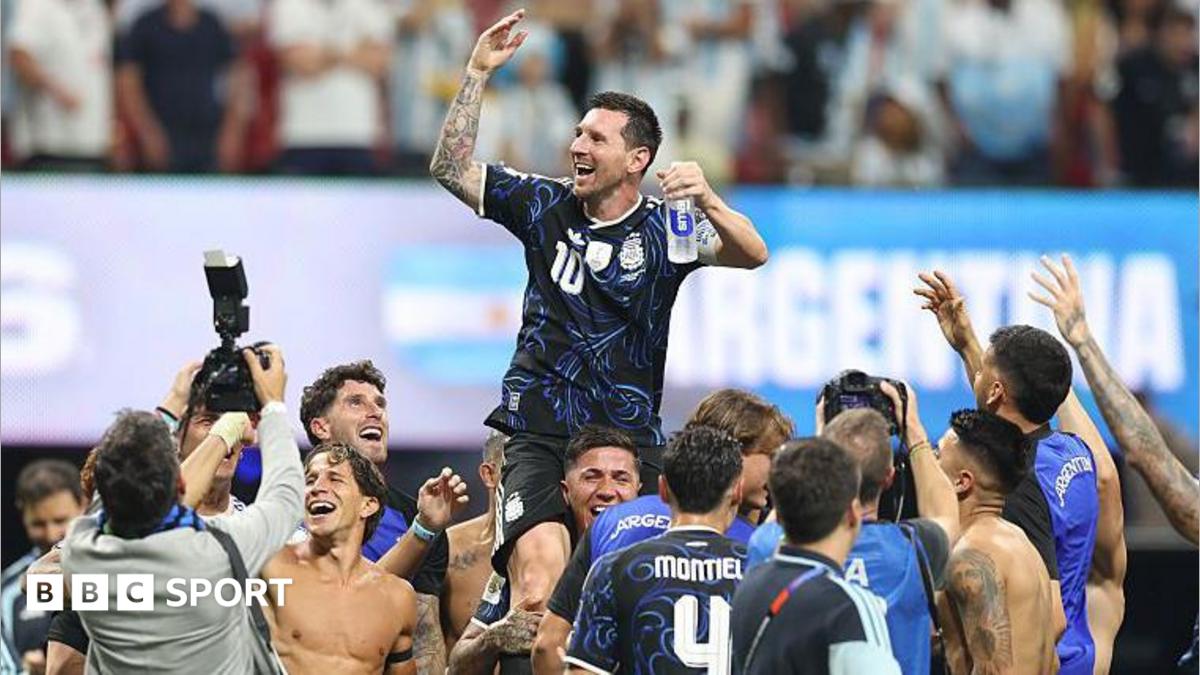
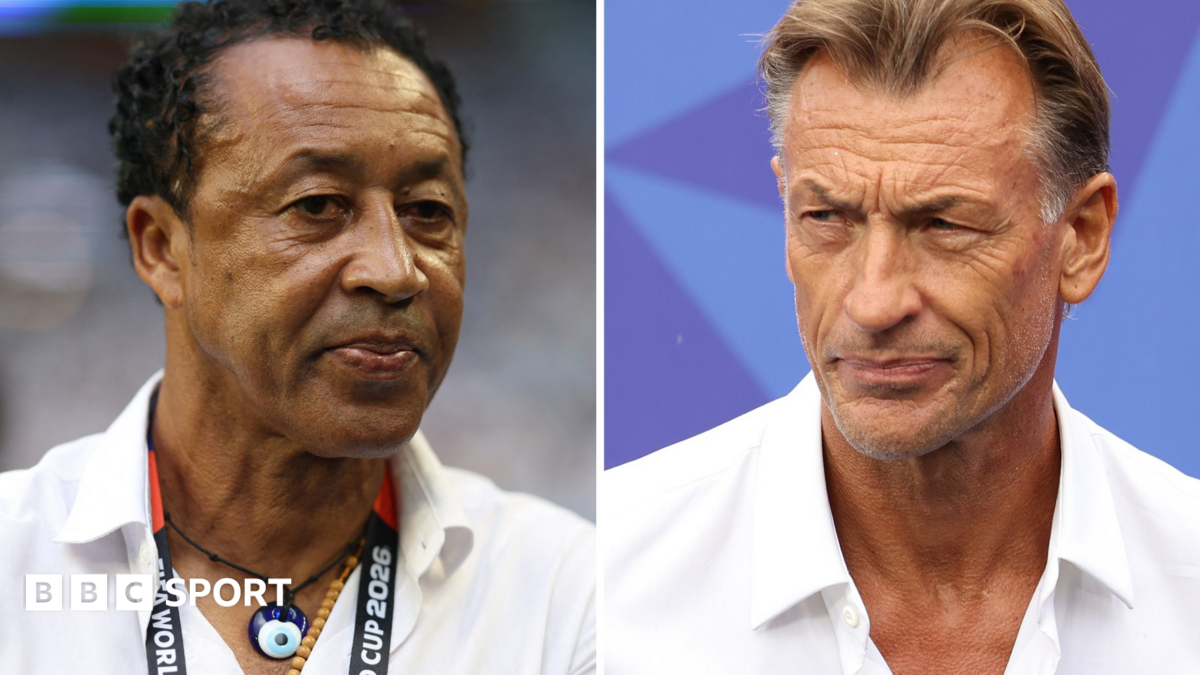
The winner of tonight's match already knows their path forward in the bracket. Egypt secured their spot in the Round of 16 earlier today, as BBC Sport captured the celebrations after their historic penalty shootout victory in Dallas. That result came after a grueling 1-1 draw that ended Australia's campaign in heartbreaking scenes, as reported by the Daily Mail.
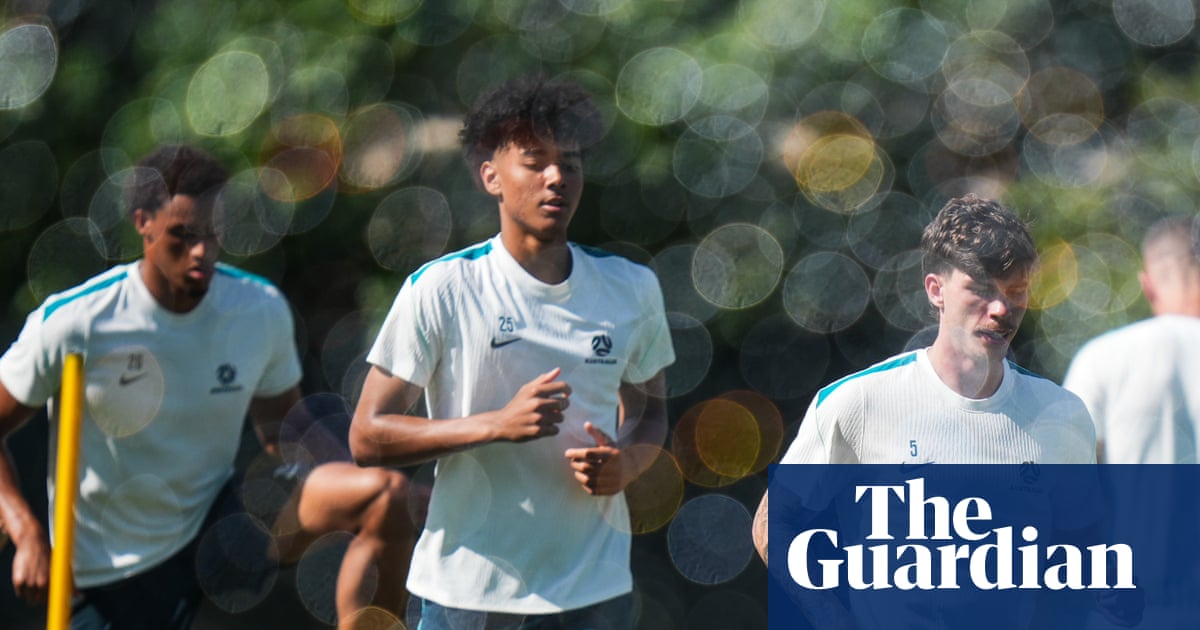
Australia had entered the knockout round with a genuine chance to make history, a prospect that The Guardian had highlighted before kickoff. Instead, it is Mohamed Salah's Egypt who await the winner of tonight's clash, and they will likely watch this match with keen interest. To join them, Argentina must find a way to dismantle the most stubborn defensive unit in the tournament so far.
The Opta supercomputer has calculated an 81% probability of an Argentina victory within the regulation ninety minutes. This is the widest statistical gulf of the Round of 32, but football matches are decided on grass, not in silicon. Under Bubista, Cape Verde have developed a defensive structure that has already frustrated two of the game's traditional giants.
Bubista's Low-Block Machinery
To understand the threat Cape Verde pose, one must analyze their group stage performances. The Blue Sharks advanced from Group H by securing three consecutive draws against Spain, Uruguay, and Saudi Arabia. In those three matches, they conceded just a single goal, displaying a level of defensive discipline that was unmatched in the group phase.
Against Spain, Bubista set his team up in a rigid 4-1-4-1 formation that frequently collapsed into a 5-4-1 block. Spain dominated possession with 72% of the ball and completed 640 passes, but they were kept at arm's length throughout. Only four of those completed passes actually penetrated Cape Verde's 18-yard box, showcasing the compact nature of their defensive lines.
Goalkeeper Vozinha was shielded by a central defensive partnership of Diney Borges and Pico Lopes, who restricted Spain to an xG of just 0.58. The defensive block averaged a vertical depth of just 14 meters, leaving absolutely no space for Spain's runners to exploit. Every time Spain attempted to play through the lines, Kevin Pina was there to intercept, registering six defensive recoveries before the 70th minute.
The story was identical against Uruguay, where Cape Verde ground out another 0-0 draw in absolute defiance of the odds. Darwin Nunez was caught offside four times as the Blue Sharks executed a disciplined offside trap that caught Uruguay completely off guard.
Uruguay ended the match with 14 shots, but 10 of those were low-value efforts from outside the penalty area, resulting in a total xG of 0.42. Bubista has created a defensive machine that thrives under pressure, and they will apply the exact same blueprint tonight in Miami.
Argentina's Slow-Tempo Bottleneck
Argentina's journey to the Round of 32 was perfect in terms of points, but the performances raised several tactical red flags. While they topped Group J with nine points, their matches against Algeria and Austria exposed a worrying lack of attacking fluidness. Scaloni's side has looked increasingly narrow, struggling to break down opponents who refuse to commit players forward.
Against Algeria, Argentina had 74% possession but generated a meager xG of 0.92 before Lionel Messi broke the deadlock in the 82nd minute. The build-up play was slow and predictable, with Alexis Mac Allister and Enzo Fernandez occupying the same zones in the left half-space. This congestion in the center made it easy for Algeria's midfield to track runners and close down passing lanes.
The departure of Angel Di Maria has stripped Argentina of their most reliable source of natural width on the flanks. Scaloni has attempted to compensate by pushing fullbacks Nahuel Molina and Nicolas Tagliafico high up the pitch, but this has created new problems. In the 2-1 win over Austria, Tagliafico's advanced positioning left a massive space behind him that Austria exploited repeatedly on the counter-attack.
Austria's goal in the 44th minute came from a quick transition down Argentina's left flank, where Konrad Laimer easily bypassed a stranded Rodrigo De Paul. If Tagliafico is forced to cover the entire left wing alone tonight, he will be vulnerable to the pace of Ryan Mendes. The Cape Verde captain is lethal in transition and will look to exploit any space left behind the Argentine defense.
Key Battles and the Flaw in Scaloni's Plan
The primary tactical battleground tonight will be the space directly in front of the Cape Verde defensive line. This is the zone where Lionel Messi, now 39, prefers to operate, drifting inside from the right wing to create shooting opportunities. Messi is still capable of moments of genius, having scored his 18th World Cup career goal during the group stage.
However, Cape Verde's defensive structure is specifically designed to deny opponents space in these exact half-spaces. Kevin Pina will be tasked with tracking Messi's movements, acting as a defensive screen in front of the two center-backs. If Pina can prevent Messi from turning and facing the goal, Argentina's attacking engine will quickly grind to a halt.
Scaloni's refusal to start Alejandro Garnacho is a major tactical error that could cost Argentina dearly in this match. Garnacho's raw pace and ability to beat defenders on the outside are exactly what Argentina need to stretch Cape Verde's narrow block. Instead, Scaloni is expected to persist with a narrow midfield diamond, a selection that plays directly into Bubista's hands.
Without width, Argentina will be forced to play through a congested middle, where Cape Verde will have a numerical advantage. If the match remains goalless past the 60th minute, the pressure on the defending champions will begin to mount. Cape Verde have already shown they have the patience and discipline to defend for 120 minutes if necessary.
The Prediction
This will not be the celebratory procession that the fans at the Hard Rock Stadium are expecting. Cape Verde will sit incredibly deep, challenging Argentina to break them down while offering zero space behind. Argentina will dominate possession, likely hovering around 75%, but will struggle to create clear-cut chances in the first half.
Scaloni will eventually be forced to introduce Garnacho or Lautaro Martinez off the bench to inject some urgency into the attack. A late Messi moment, perhaps a piece of individual brilliance in the 78th minute, will be the difference between the two sides. Expect a tense, frustrating night for the champions, ending in a narrow 1-0 victory that sends them through to face Egypt.
Read Next
- Why Argentina will break Cape Verde's historic run in Miami
- Why Argentina's centenary party is heading for a tactical nightmare
- Scaloni's centenary meets the ultimate low-block test in Miami
- Graham Arnold's goalkeeper gamble cost Australia their World Cup dream
- 🏆 World Cup 2026 — Full Coverage Hub
- 🇦🇷 Argentina World Cup 2026 — Defending Champions Hub