The Madrid Ambush and Sixty Minutes of Total Domination
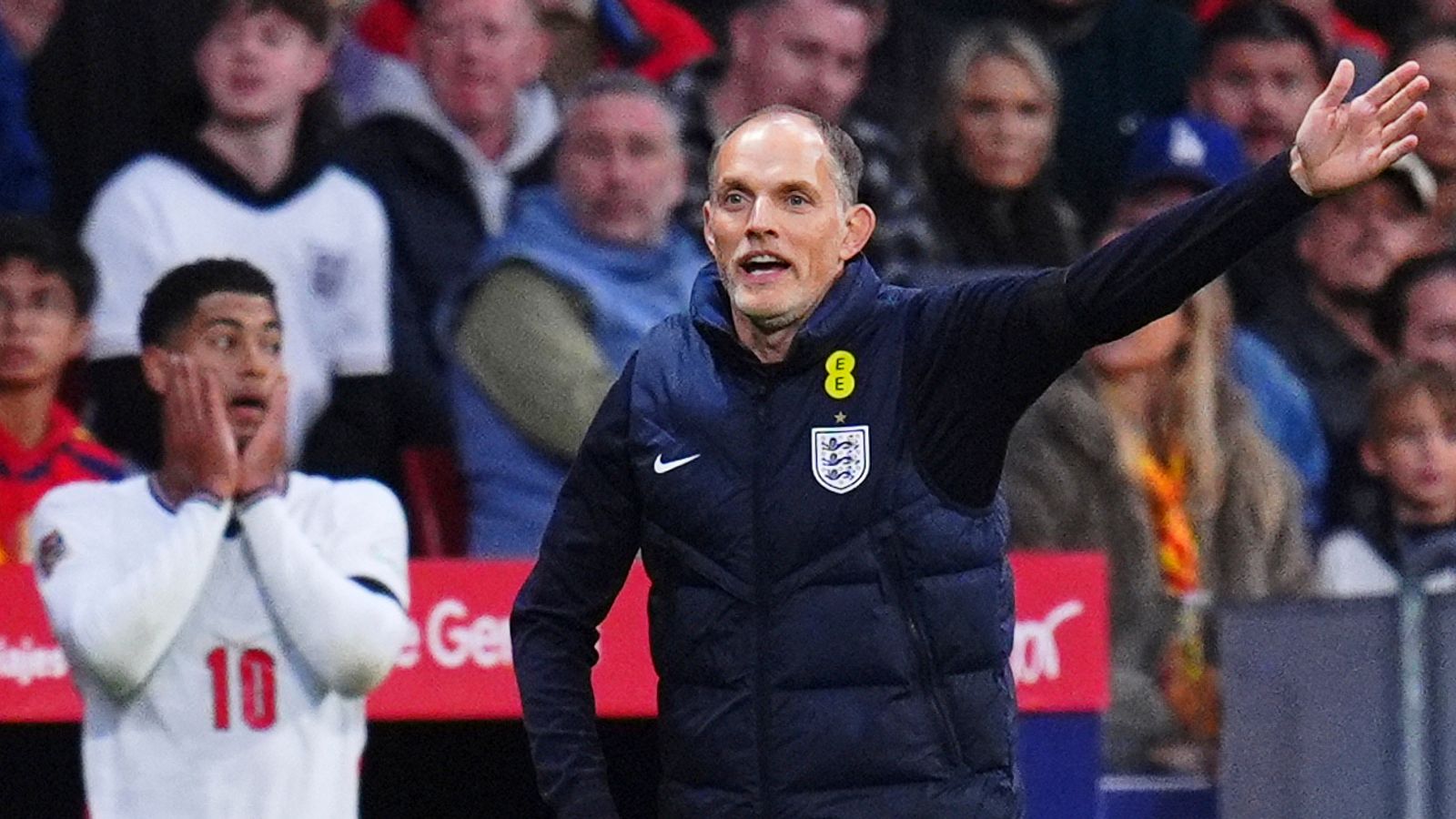
Thomas Tuchel did not flinch when reporters questioned his courage in Madrid. Facing the world champions on their own turf, the England head coach looked everyone in the room in the eye and delivered a blunt promise. He told the assembled media theatre that England were up for something spectacular.
Sunday night at the Metropolitano delivered on that promise in emphatic fashion. Before kickoff, Spain paraded the World Cup trophy across the turf to remind the visitors who ruled international football. England responded by pressing the hosts off their own pitch.
From the opening whistle, England refused to drop into a cautious mid-block. Instead, they hunted Spain's backline in coordinated packs, shutting down passing lanes and forcing hurried clearances. Spain could barely string three passes together before a white shirt smothered the ball.
Jude Bellingham dictated terms across the middle of the park. Operating in the pockets between Spain's midfield lines, he disrupted their possession sequences and created immediate transitions forward. Nobody on the pitch could match his physical presence or his technical poise.
The breakthrough arrived on the stroke of half-time. Harry Kane drew a foul, grabbed the ball, and buried the penalty for his 93rd international goal. That strike marked a record-equalling seventh consecutive away match where Kane found the net for his country.
The interval presented Tuchel with a familiar tactical dilemma. In previous years, England would have protected that one-goal advantage by retreating ten yards deeper and inviting relentless pressure. Tuchel took the opposite path.
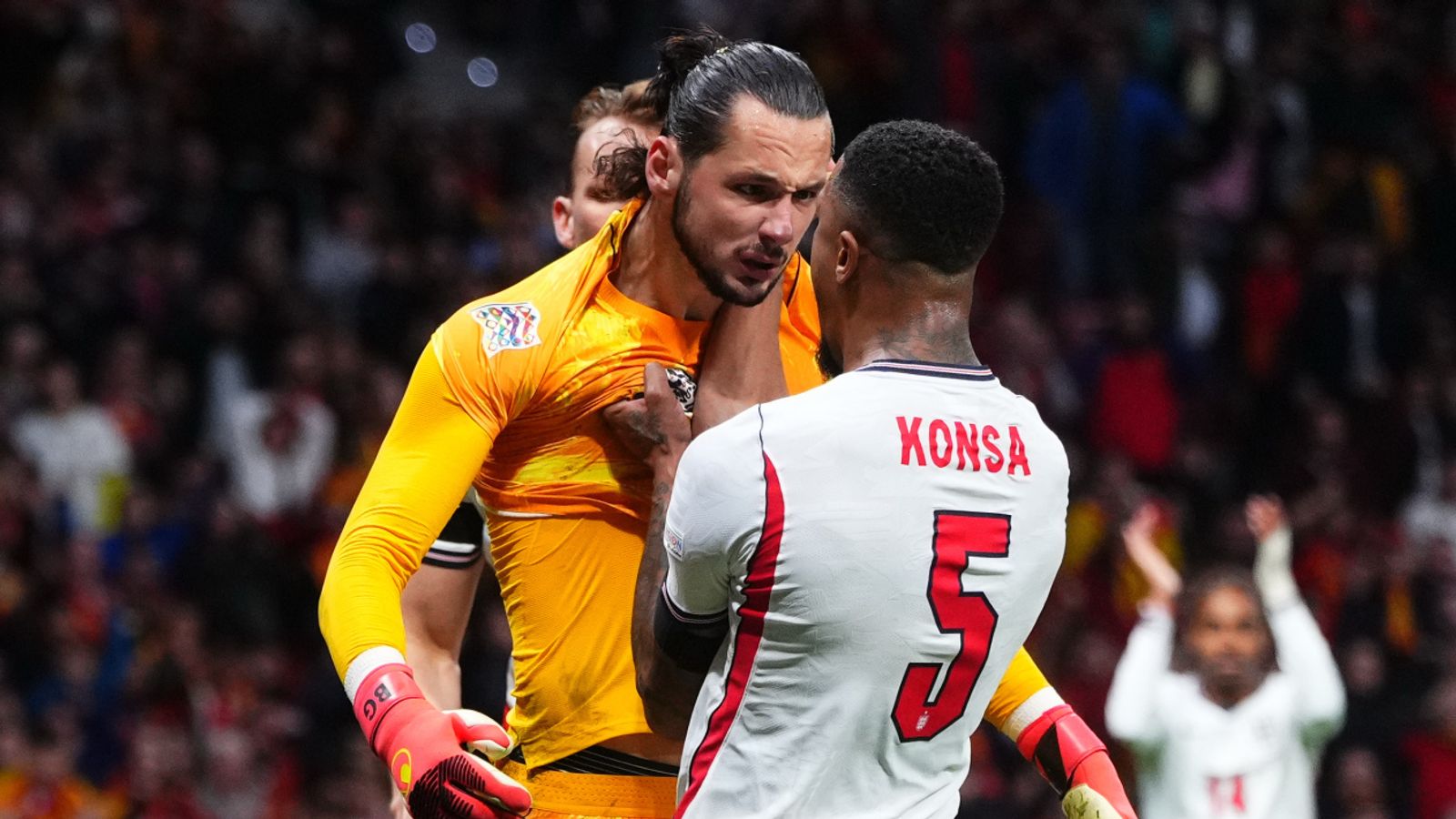
England flew out of the tunnel and tore Spain apart within twelve minutes of the restart. Ezri Konsa doubled the lead with a sharp finish from close range. Four minutes later, Ben White capped a sweeping team move to make it 3-0.
For over an hour, England operated on a plane Spain could not reach. As noted by BBC Sport's match report, the tormentors had suddenly become the tormented. Spain's home supporters sat in stunned silence as their heroes chased shadows across the pitch.
A Twenty-Nine Minute Collapse and the Ghost of Argentina
Then came the sudden unraveling that every England supporter secretly dreads. One careless moment of complacency dismantled an hour of tactical mastery and invited chaos back into the match. In the sixty-fifth minute, Jarell Quansah coughed up possession in a dangerous area under modest pressure.
Lamine Yamal pounced instantly on the loose ball and drove directly toward the penalty area. Elliot Anderson panicked, lunging in with a clumsy recovery tackle that took Yamal down. The referee pointed to the spot and showed Anderson a straight red card.
Mikel Oyarzabal converted the spot-kick with cold precision to make it 3-1. In a split second, the entire momentum of the contest flipped. The Metropolitano found its voice, and England suddenly looked terrified of their own shadow.
The memory of England's World Cup semi-final exit against Argentina immediately reappeared. In that painful tournament defeat, England held a lead before retreating into reverse gear and succumbing to tactical paralysis. Here in Madrid, down to ten men, the exact same panic gripped the squad.
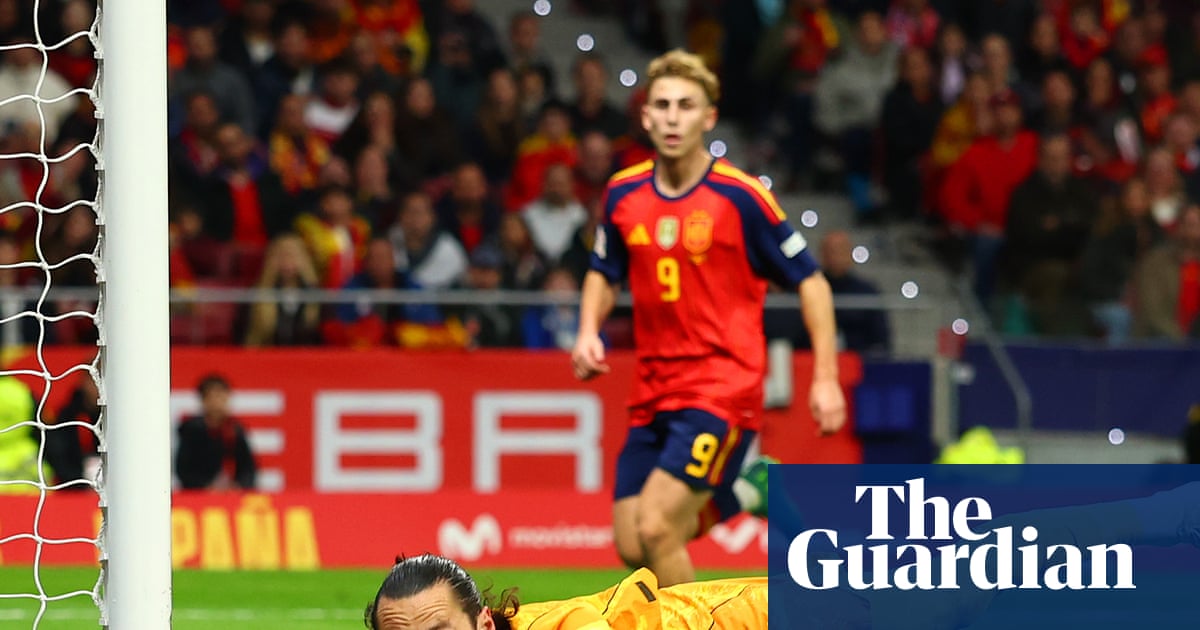
Spain smelled blood and poured forward in waves. Ten minutes after the penalty, Yamal carved open England's reshuffled backline and set up Nico Williams to score Spain's second with fifteen minutes left. The lead was down to 3-2, and England were clinging on by their fingernails.
England abandoned any pretense of attacking and retreated into a desperate low block on the edge of their box. The composure and swagger that defined the first hour completely evaporated. Passes were lashed into the stands, and clearances flew straight back to Spanish midfielders.
James Trafford prevented a catastrophic surrender with a string of heroic stops. The young goalkeeper commanded his area, tipping dipping shots wide and punching dangerous crosses away from danger. Beside him, Ben White threw himself into sliding blocks to deny Williams and Yamal in the box.
England endured 29 minutes of frantic regular and stoppage time before the final whistle blew. That whistle confirmed a hard-fought 3-2 victory and snapped Spain's historic 43-game unbeaten run, setting aside their 2025 shootout defeat against Portugal. Yet the post-match relief could not hide how close England came to a self-inflicted disaster.
Tactical Highs, Personnel Flaws, and the Jarell Quansah Problem
Any balanced assessment of this match must separate the brilliance of the tactical setup from the individual frailties that nearly ruined it. Tuchel labelled this meeting proof of concept at the highest level. In many ways, his assessment was entirely accurate.
When England press in unison, their ceiling is as high as any team in world football. Bellingham operated as an unstoppable transition monster, while Kane provided an elite focal point who punished Spain's mistakes. The high defensive line choked Spain's creative playmakers out of the game.
Ben White also delivered a commanding performance that solidifies his claim to the starting right-back position. Scoring England's third goal with an overlapping run was impressive enough. Even more valuable was his defensive resilience against Williams during Spain's late onslaught.
However, elite football hinges on razor-thin margins, and England's flaws were glaring. Quansah's giveaway highlighted an ongoing problem with England's deep build-up play. If a center-back panics against an aggressive press in tournament knockout football, the team is headed home.
Anderson's red card was just as inexcusable. Lunging into a tackle from behind inside the penalty area is an amateur mistake at this level. Rather than slowing Yamal down and forcing him wide, Anderson handed Spain both a goal and a numerical advantage.
Tuchel defended his players while acknowledging the dramatic shift in momentum after the dismissal:
"What a performance we put out for 65 minutes to be deservedly 3-0 up. Of course, the red card and the penalty changed the momentum and the characteristics of the game... but we know, and the players know very, very well, what they put out there. That is the statement - and that is the significance of this victory."
Statements matter, but structural reliability wins trophies. England looked virtually untouchable when playing on the front foot with eleven men. The minute they were forced into a defensive rearguard, their lack of collective composure nearly proved fatal.
What Sunday Night Actually Proves for Thomas Tuchel
Topping their Nations League group gives England much-needed breathing room and silences critics who accused Tuchel of excessive caution after the World Cup. The German manager needed a statement win against a top-tier opponent to validate his coaching philosophy. In Madrid, his players gave him that victory.
Tuchel was effusive in his praise during his post-match press conference:
"This was the highest level in terms of belief, team spirit, togetherness. It was on the highest level football wise in all aspects of the game. We did everything that needs to be done together. The deep build-up. The high press. The counter-attack. The tracking. The defensive phases."
The tactical identity Tuchel wants to build was visible for everyone to see. England showed they can dismantle the best possession side in international football by stepping high and dictating the tempo. But maintaining that intensity over ninety full minutes remains an elusive goal.
Healthy skepticism is still required when analyzing this result. The Nations League is a competitive tournament, but it cannot replicate the brutal pressure of a European Championship final or a World Cup knockout match. Spain were caught cold in Madrid, yet they still came within inches of salvaging a draw.
Tuchel must also address England's game management when adversity strikes. Relying on heroic saves from James Trafford to survive the final half-hour is not a sustainable tournament strategy. England need midfielders who can put a foot on the ball and kill the clock instead of simply hoofing it away.
As detailed by BBC Sport's post-match analysis, Tuchel was convinced from the start that his side had turned a corner after their World Cup heartbreak. The first hour in Madrid proved his vision has genuine substance.
The verdict on England is clear. When they play with tactical bravery and trust their attacking talent, they can beat anyone on the planet. But if they cannot conquer their second-half panic attacks, the ultimate prize will remain painfully out of reach.
Read Next
- England almost bottled a masterpiece in Madrid, and it was glorious
- England face Spain in Madrid with everything on the line for Tuchel
- Ranking the 10 moments that defined England's wild 3-2 win in Madrid
- Top 10: Top Moments
- 🏴 England World Cup 2026 — Three Lions Hub
- 🇪🇸 Spain World Cup 2026 — La Roja Hub