The 99.9% Myth and the World Cup Reality
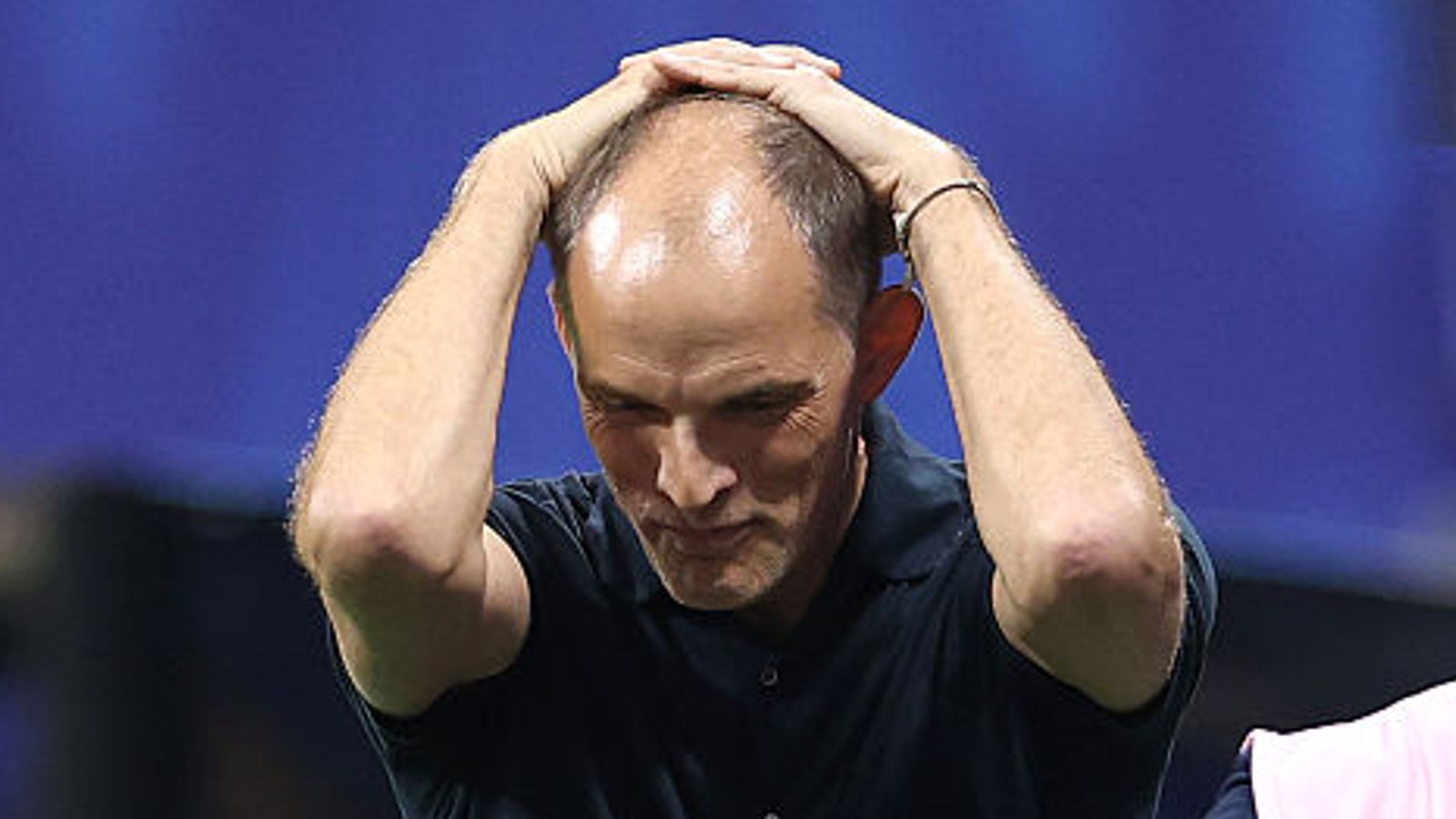
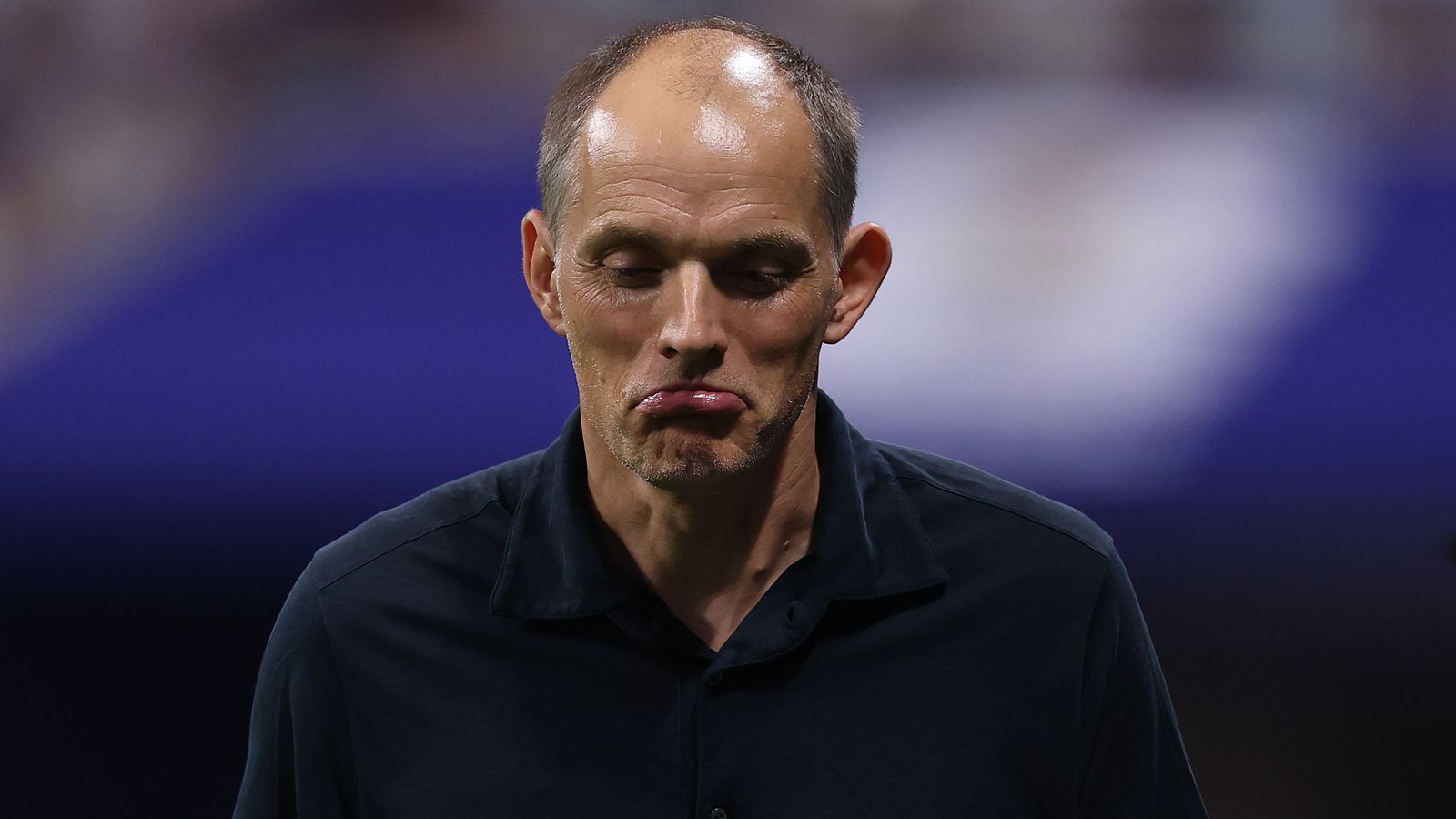
Thomas Tuchel wants you to believe that football fans think like tourism boards. Speaking to reporters on Friday, the England manager insisted that almost everyone he meets on the street ignores his tactical decisions. According to him, supporters only want to reminisce about the good times and memorable tournament trips.
He claimed fans ask him where they were during the victory over Mexico or praise the team's second-half energy against Croatia. He recalled supporters talking about the nerve-racking progression past DR Congo and where they celebrated afterward. It sounds warm, fuzzy, and entirely disconnected from how matchgoers actually consume the sport.
Nobody bumping into the manager in a supermarket is going to scream at him about defensive block adjustments over a crate of eggs. Polite small talk in public does not equal tactical validation. The reality of England's World Cup campaign was defined by a devastating collapse when the stakes were highest.
When Anthony Gordon fired England ahead in the second half of the semi-final against Argentina, a place in the World Cup final was within touching distance. The team held firm control over central spaces. Argentina were struggling to find rhythm through midfield, and England looked comfortable managing the tempo.
Then came the bench management. Tuchel opted to introduce three defenders before Enzo Fernandez found the equalizer. Instead of maintaining pressure or keeping ball-retention threats on the pitch, England pulled back into a deep block and invited disaster.
The shift was immediate and catastrophic. By withdrawing attacking outlets, England surrendered the middle third of the pitch. What followed was an agonizing lesson in how passive coaching invites opposition momentum.
How Passive Bench Management Invited Argentina's Comeback
Pulling extra defenders onto the pitch sounds logical on a whiteboard when defending a lead. In practice, it signaled total retreat. By adding three defenders, England effectively conceded midfield control and handed Argentina total command of the match.
You cannot invite Lionel Messi and Enzo Fernandez to pitch a tent outside your penalty area for twenty-five minutes. Without forward targets to hold up clearances, every defensive header simply bounced right back into the final third. England went from controlling the semi-final to desperately surviving it.
The outcome was as predictable as it was painful. Fernandez capitalized on the unpressed space outside the penalty area, firing home an equalizer to shatter England's composure. Minutes later, Lautaro Martinez completed the comeback, slotting home the winner to seal a 2-1 defeat that sent England packing.
As Sky Sports reported, Tuchel pointed to the bronze-medal victory over France as proof of progress. He even called France "maybe the strongest squad in the world" to bolster his case. But winning a third-place playoff is a minor footnote when a World Cup final slipped through your fingers.
"99.9 per cent of the fans don't talk about substitutions, tactical tweaks or tactical details," Tuchel told the press.
That statement is the most alarming aspect of his reflection. High-level international tournaments are decided entirely by tactical tweaks and game management. Dismissing those details as irrelevant fan chatter suggests a refusal to confront the structural failure that cost England everything.
The Counterarguments and the FA's Pre-Match Safety Net
Fairness demands acknowledging the counterargument before dismissing Tuchel's perspective. England's third-place finish represents the men's national team's best World Cup performance since 1966. That is a genuine achievement that cannot be erased by a single bad half-hour.
Under Tuchel, the squad undoubtedly built strong internal unity and resilience. Beating a stacked French team in the third-place fixture, even in a match with little on the line, showed pride and professional character. The squad did not disintegrate after the heartbreaking semi-final defeat.
Furthermore, managerial stability is vital in international football. Tuchel revealed that FA executives gave him complete backing before the group stage match against Mexico. The bosses assured him his job was secure regardless of tournament outcomes, giving him the freedom to coach without immediate panic.
Yet that pre-tournament safety net carries a hidden danger for a national team. When management receives total immunity before key knockout matches, accountability can slip. Gareth Southgate brought England close twice, only to fall short due to passive late-game management.
The FA hired Tuchel on a massive salary specifically because he was supposed to be the knockout specialist who delivered in tight moments. If he repeats Southgate's exact pattern of retreat under pressure, what did all that extra money actually buy?
According to Sky Sports coverage, Tuchel insisted that reflection is necessary to get better. But reflection requires admitting mistakes first. Pretending fans only care about post-match celebrations avoids the uncomfortable analysis required to fix real problems.
Eight Changes and the Return of Key Technical Talent
The focus now turns to the upcoming international cycle, where Tuchel has made 8 changes to his latest England selection. The headliners are the recalls for Cole Palmer and Trent Alexander-Arnold after their summer omissions caused fierce public debate.
On paper, both returns make total sense for England's tactical structure. Alexander-Arnold provides unmatched diagonal passing from the right half-space, capable of breaking compact low blocks with a single pass. Palmer brings elite vision between opposition lines, giving England the creative hub they lacked when attacks stalled.
Having Palmer roaming into half-spaces provides an instant link between midfield and attack. During the World Cup, Gordon often found himself isolated on the left wing when England dropped deep. Palmer's presence ensures England have a primary playmaker who demands the ball under pressure.
Similarly, Alexander-Arnold's distribution shifts opposition defensive lines instantly. His ability to hit forty-yard switches opens up space for wide runners and prevents opponents from crowding central areas. His return addresses one of England's clear technical deficits from the summer.
But individual quality cannot override flawed touchline instincts. You can assemble the most talented technical unit in Europe, but if the manager orders a defensive turtle at the 70th minute of every major knockout game, those technicians become spectators.
When a manager removes his primary ball-carriers, opposition full-backs can push high without worrying about transitional threats. England invited sustained pressure against Argentina because they had no outlet left to stretch the pitch. That is a coaching flaw, not an execution failure by the players.
The Verdict: Why England's Tactical Ceiling Remains Locked
Tuchel claims 99.9 per cent of supporters don't ask him about substitutions. But the fans who care about winning trophies know that those decisions are precisely why England watched the World Cup final from their hotel rooms.
Moving forward, England will almost certainly cruise through their upcoming qualifiers. The technical brilliance of Palmer, Alexander-Arnold, and Gordon guarantees comfortable victories against middle-tier nations.
The media narrative will inevitably rebuild as scorelines stack up and goals flow. Pundits will point to squad depth and tactical flexibility. Do not be fooled by routine qualifying wins against weaker sides.
The real test remains the final thirty minutes against world-class opposition in knockout football. Until Tuchel proves he can manage a lead without hitting the panic button, England's ceiling remains firmly fixed.
Winning third place is fine for a building program. For an England squad loaded with elite talent, it was a missed open goal. Until the manager stops hiding behind cab conversations, the same tactical trap awaits in the next major tournament.
Read Next
- Tuchel says player exhaustion forced his defensive gamble against Argentina
- Thomas Tuchel's wild England squad selection is pure uncut vibes
- Thomas Tuchel's England face a reality check against Spain at Wembley
- Phil Foden has everything except control, and Old Trafford proved it
- 🏴 England World Cup 2026 — Three Lions Hub