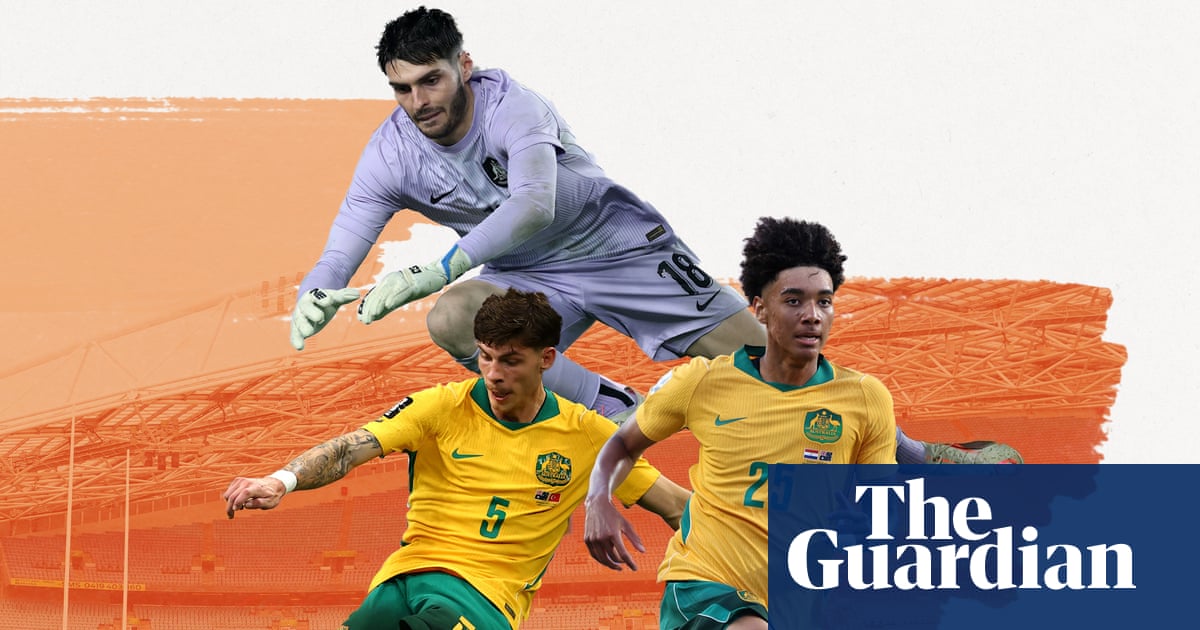
Tony Popovic playing Lucas Herrington saved Australia's World Cup
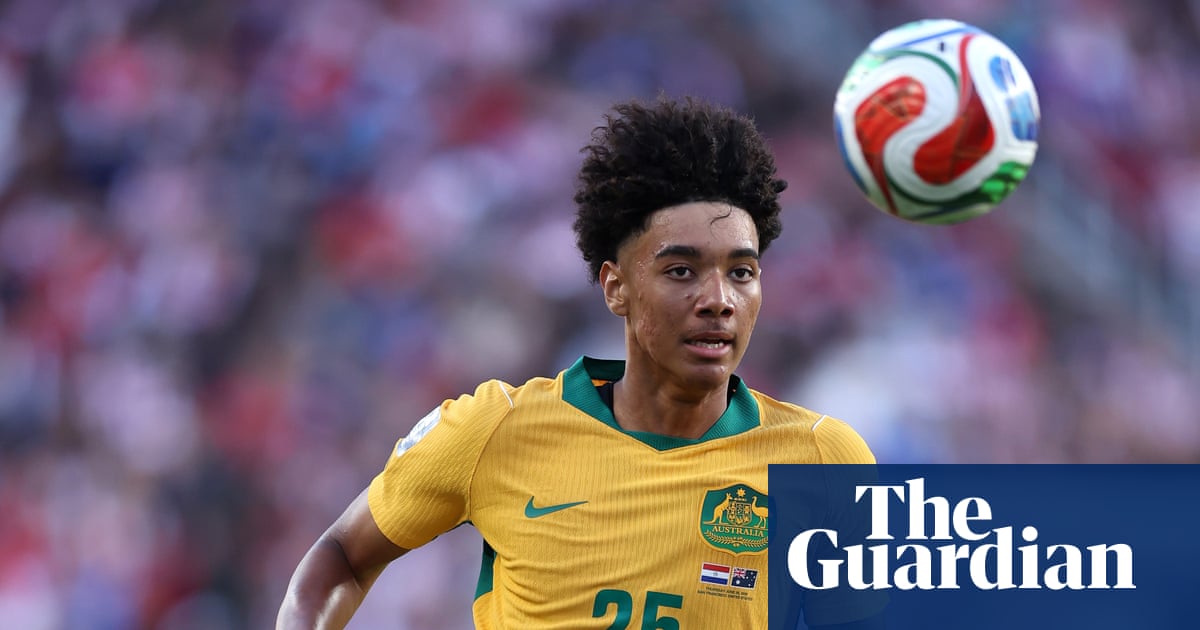
The Oakland Tense Stand-off
The margins in international tournament football are notoriously thin. Had Australia suffered a 1-0 defeat to Paraguay in Oakland, their World Cup campaign would have ended in the group stage, as The Guardian reported. Instead, a gritty scoreless draw secured their place in the round of 32, sending Iran home on goal difference.
The real story of the match was not the defensive block or the static attack. It was the introduction of an 18-year-old center-back who looked like he had played a hundred internationals. Lucas Herrington became the youngest Australian to start a World Cup match, and he did so under the highest pressure imaginable.
Before the match in Oakland, head coach Tony Popovic had faced mounting criticism for his selection policy. Cam Burgess had started against Turkey and the USA, while Jason Geria was preferred off the bench. Benched for the first two matches, Herrington finally received the nod for this do-or-die fixture.
He did not disappoint. His display was a masterclass in positional awareness and technical composure. He played with a maturity that made the pre-match anxiety surrounding his selection look foolish.
Australia's group stage had been a slog, with opening matches against Turkey and the United States exposing severe limitations in the build-up. With Burgess anchoring the left side of the back three, the passing remained slow, lateral, and predictable. The United States exploited this weakness by deploying an aggressive front-three press that repeatedly pinned the Socceroos in their own defensive third.
The Tactical Rigor of a Teenage Anchor
Paraguay knew they were facing a teenage debutant and targeted Herrington immediately. In the first half, they repeatedly hit long balls into his channel, hoping to exploit any physical vulnerability. The Paraguayan strikers tried to press him early, attempting to force a rash decision on the ball.
Herrington responded by winning five of his six first-half aerial duels. He did not panic when pressed in tight spaces near the touchline. Instead of booting the ball long, he consistently found teammate Connor Metcalfe with clean, low passes.
His passing accuracy in the match was outstanding, completing 42 of his 47 attempts. In a system that relies on building from the back, Herrington gave Australia a vertical progression they lacked in earlier matches. He did not merely recycle possession; he looked to break lines.
In the 34th minute, he demonstrated this passing range. Under pressure from two Paraguay attackers, he delivered a crisp, diagonal pass that bypassed the midfield entirely. The pass found Cristian Volpato in space, initiating Australia's best counter-attack of the first half.
The defensive partnership with Harry Souttar looked immediately functional. Souttar provided the physical ballast, while Herrington operated as the mobile, sweeping presence behind him. This balance allowed the Socceroos to maintain a higher defensive line without fearing long balls over the top.
During the second half, Paraguay shifted their attacking focal point to the left channel to avoid Herrington. When they did venture into his zone, his recovery speed extinguished any threat. A sliding block in the 71st minute denied a goal-bound effort from Paraguay's leading attacker.
The Million-Dollar Brisbane Blunder
Souttar was effusive in his praise after the final whistle. He compared the teenager to a luxury vehicle, stating that Herrington was absolutely composed and calm. The Leicester defender added:
“You can see the guy’s like a Rolls-Royce.”
When told of the comparison, Herrington accepted it with a smile. The defender noted that he was happy with the description and would gladly take the compliment. Yet behind this calm exterior lies a player whose market value is skyrocketing by the hour.
This brings us to the most staggering administrative error in recent Australian football history. Herrington's former A-League club, Brisbane Roar, negotiated a 20% sell-on clause when they sold him to Major League Soccer last year. However, before the World Cup, the club's owners made a decision that they will regret for years.
Desperate for quick capital, Brisbane Roar's owners decided to cash in early. They accepted a buyout of the sell-on clause for just A$500,000. It was a short-sighted move that traded a massive future payout for immediate financial relief.
With European clubs circling, Herrington's next transfer is expected to exceed the Australian record of £15m set by Harry Souttar. Had Brisbane Roar held onto their sell-on stake, they would have stood to gain millions. Instead, they settled for a fraction of his true value.
Metcalfe did not mince his words when discussing the decision. The midfielder remarked that the Brisbane owners will probably be kicking themselves. It is a damning indictment of the financial desperation and lack of planning that plagues domestic club football.
This is not an isolated incident in Australian football administration. A-League clubs have long struggled to value their academy assets, often cashing in at the first sign of international interest. By trading a potential multi-million dollar windfall for half a million dollars, Brisbane Roar's ownership demonstrated a profound lack of sporting and financial foresight.
From Colorado Rapids to Camp Nou
Herrington's rapid ascent has been accelerated by his move to Colorado. In Major League Soccer, he has spent the past year defending against some of the world's most recognizable attackers. Facing Lionel Messi, Thomas Müller, and Son Heung-min forced him to adapt quickly.
The transition from the A-League to MLS is steep, particularly for central defenders. The American league is highly transitional, demanding recovery speed and spatial awareness. Herrington thrived in this environment, refining his timing and defensive positioning against elite forwards.
Now, the speculation has reached a fever pitch. Barcelona has reportedly registered interest in the teenage defender, according to reports in Spain. The Catalan club is searching for technically gifted center-backs who can play in a high-defensive line and distribute under pressure.
Herrington fits the Barcelona profile perfectly. He is comfortable receiving the ball under pressure and has the vision to initiate attacks. His physical profile, combined with his technical ability, makes him an attractive option for European scouts.
The teenager is aware of the speculation but remains grounded. He stated that he is trying to stay present and enjoy the moment. He knows that his performance at this tournament will dictate his immediate club future.
The tactical demands at Camp Nou are unique. Barcelona's central defenders must operate with huge expanses of space behind them, requiring elite recovery pace. Herrington's performance against Paraguay, where he repeatedly covered the channels when the wingbacks pushed high, suggests he possesses the raw tools required for such a system.
Popovic's Lesson and the Road Ahead
Australia's progression to the round of 32 was achieved by the narrowest of margins. The scoreless draw against Paraguay was a tense, grueling affair. Yet it proved that Australia possesses young talent capable of competing at the highest level.
Popovic must learn from this group stage campaign. His initial reluctance to start Herrington against Turkey and the USA was a mistake. Cam Burgess is a solid defender, but he lacks the mobility and distribution range required at this level.
The decision to substitute Jason Geria instead of Herrington against the USA was equally baffling. Popovic opted for experience over talent, and it nearly cost Australia their tournament. Fortunately, the coach corrected his mistake in time for the Paraguay match.
Australia now prepares for the knockout stage. The opposition will be tougher, and the margin for error will be nonexistent. Popovic cannot afford to return Herrington to the bench.
Herrington's rise is also a reminder of the potential within Australian youth football. A video from the 2022 World Cup showed Herrington as a 14-year-old fan watching the Socceroos in Brisbane. Four years later, he is the key player in their defense.
He represents the future of the Socceroos. His composure, technical ability, and physical presence are rare in Australian defenders. He has shown that he belongs on the world stage.
The Socceroos' chances of advancing further depend heavily on their defensive solidity. With Herrington anchoring the backline alongside Souttar, they have a foundation to build on. Popovic must trust the youth, or face an early flight home.
Australian football has spent years searching for the next generation of golden players. Excitement machines like Nestory Irankunda and Cristian Volpato generate the headlines, but matches are won and lost in the transitional zones. Herrington's emergence gives the national team a modern defensive anchor they can build around for the next decade.
Read Next
- Carlo Ancelotti has a plan for Brazil, but Japan is not Manchester City
- Why Croatia are primed for a swift Round of 32 exit after Ghana escape
- Iran's World Cup fate shouldn't hang on a millimeter in Seattle
- Why Canada's high press could run into a South African trap
- 🏆 World Cup 2026 — Full Coverage Hub
- 🇦🇺 Australia World Cup 2026 — Socceroos Hub
Nike Men's Park VII Jersey
Clean, professional-looking performance jersey for match days.
Frequently Asked Questions
Who is the youngest Australian to start a World Cup match?
How did Australia qualify for the World Cup round of 32?
What were Lucas Herrington's passing statistics against Paraguay?
Why did Tony Popovic face criticism before the Paraguay match?
Who partnered with Lucas Herrington in Australia's defense?
More Coverage

Tuchel's England look completely rattled by Man City's guilty verdict
2 days, 2 hours ago
Enzo Maresca's Socrates quotes won't hide Man City's 114 guilty verdicts
2 days, 13 hours ago
Sebastien Pocognoli's Scotland face immediate tactical test in Ljubljana
2 days, 22 hours ago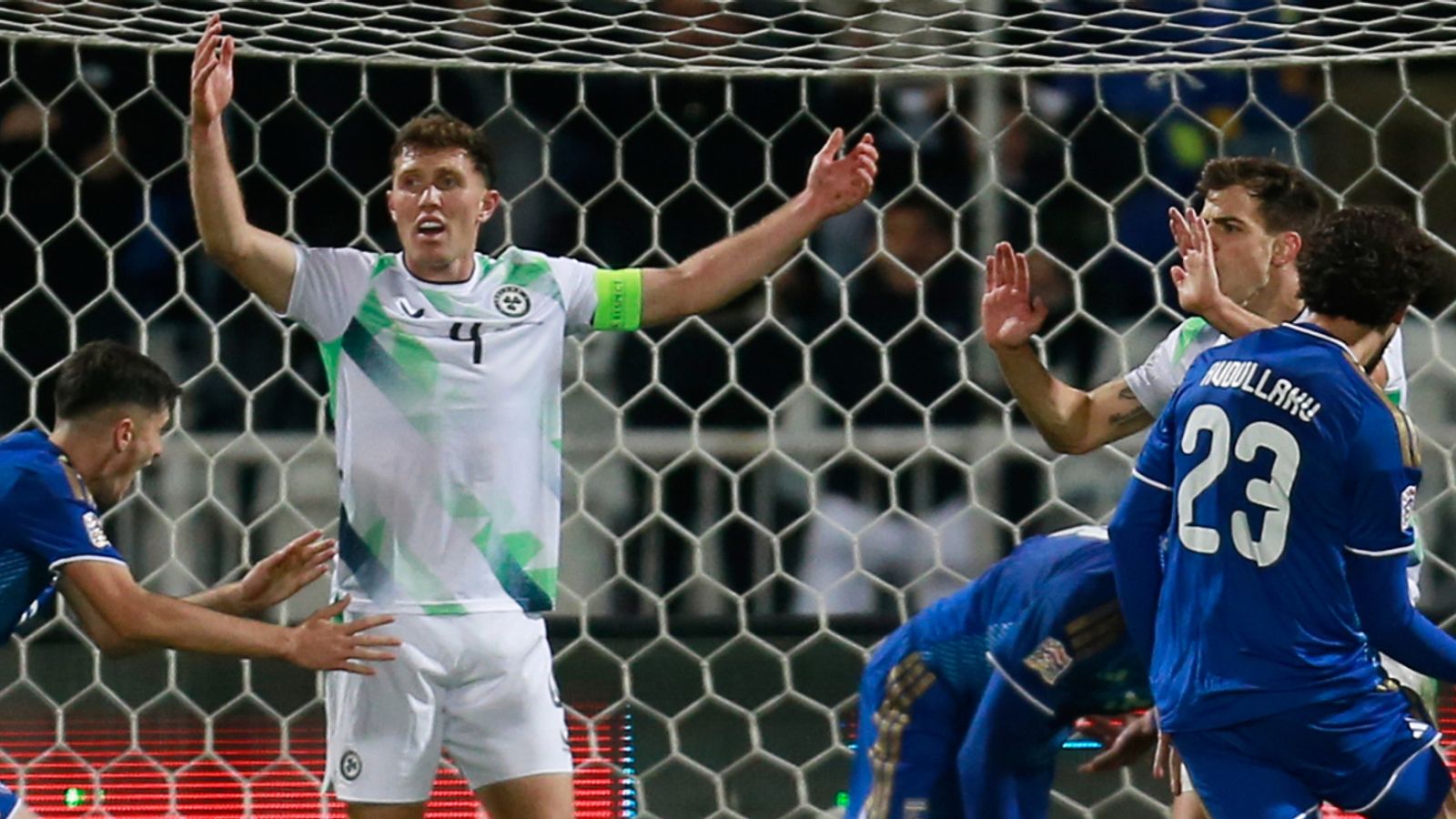
Ireland are heading into Hungary in crisis after their Pristina collapse
4 days, 9 hours ago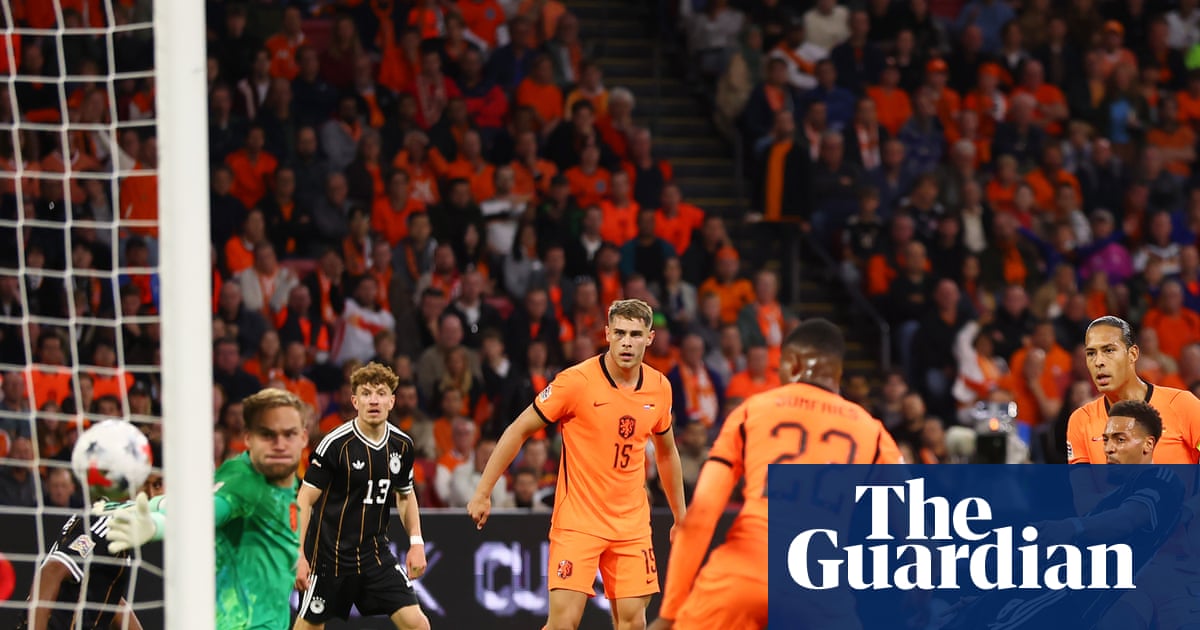
Jürgen Klopp got the chaos he expected in a wild debut against the Dutch
4 days, 9 hours ago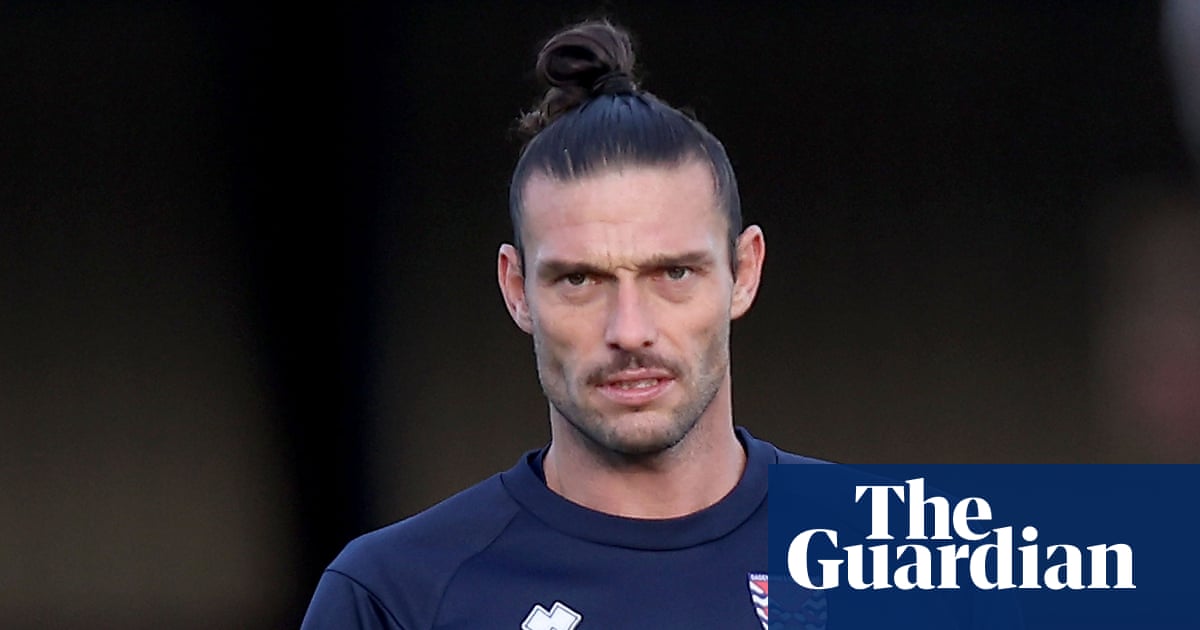
Andy Carroll's courage off the pitch redefines his role at Dagenham
4 days, 12 hours agoMore Analysis
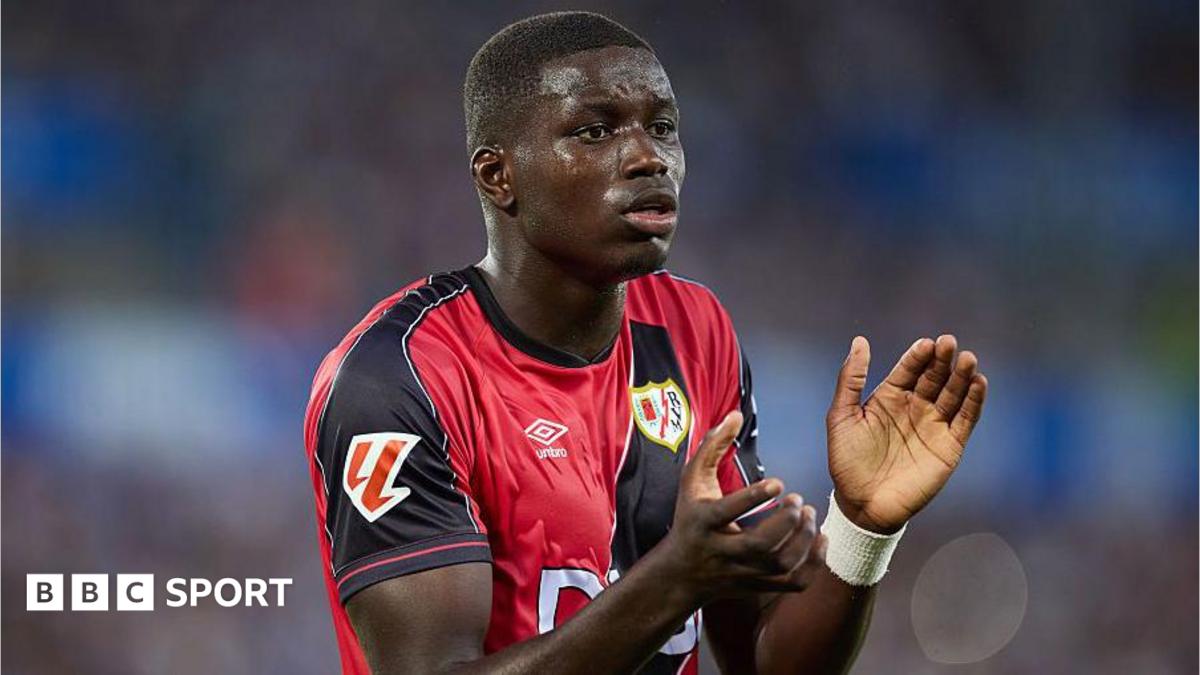
Hull City splash over £20m on Nobel Mendy in double defensive transfer coup
1 month, 2 weeks ago
Lucas Herrington is the new face of Australia's record-breaking transfer market
1 month, 3 weeks ago
Lucas Herrington is the Premier League's most intriguing gamble
1 month, 3 weeks ago
Post-World Cup transfers reveal Australia's new tactical reality
1 month, 3 weeks agoLucas Herrington is the latest Socceroo to get the big-money reality check
1 month, 3 weeks ago