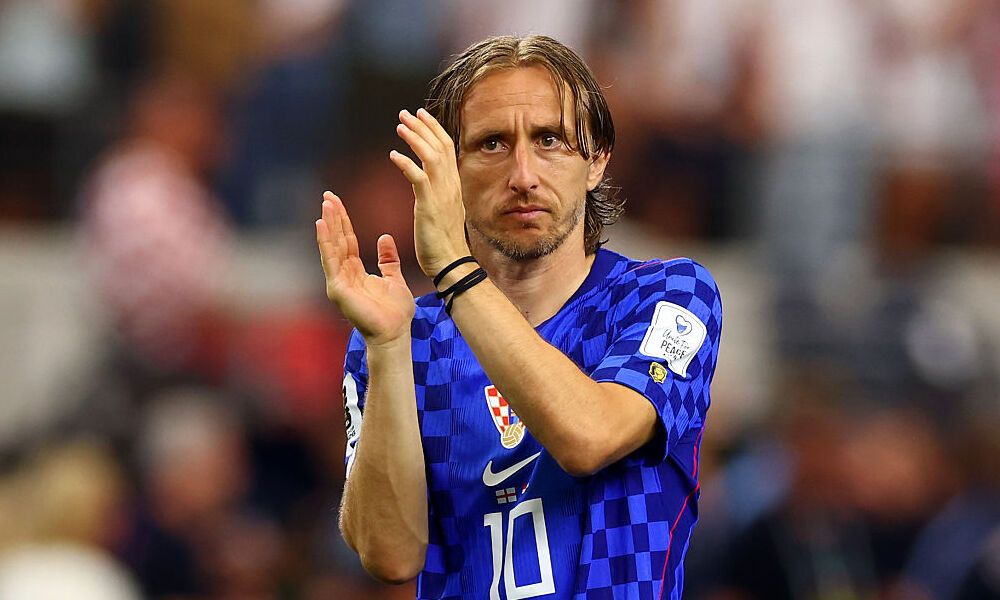
The Philadelphia Escape Exposed Croatia's Fault Lines
Croatia are through to the Round of 32, but nobody should be planning a celebration in Zagreb. The bare result says they did what they had to do in Philadelphia. Look closer at the tape, and the warning signs are flashing red.
Nikola Vlasic's late header saved their tournament. It secured the runner-up spot in Group L behind England, as detailed in the Sky Sports match report. Yet, this 1-0 victory over Ghana felt more like a stay of execution than a statement of intent.
Ghana had already qualified before kickoff. They played like a team with their feet up, resting key legs and avoiding risky tackles. Against a half-speed opponent, Croatia still looked like they were running through wet cement.
There were questions about how the match would be handled before it even started, with fans debating who would referee the match. In the end, the officiating was the least of Croatia's concerns. The real issue was their own ponderous play.
The numbers from Philadelphia paint a grim picture. Croatia dominated possession, keeping the ball for 64% of the match. But possession without penetration is just passing practice.
They registered a measly 0.82 expected goals (xG) before Vlasic's late intervention. Most of their possession was passive, spent passing sideways between their center-backs and a dropping midfield. When they did look forward, the lack of depth was startling.
Croatia did edge past Ghana to snatch the runners-up spot in Group L, as reported by Football365, but the performance left much to be desired. They looked like a team reaching the end of their cycle.
The Slow-Motion Midfield and the Pace Deficit
Croatia's midfield has long been their greatest strength. Today, it is their biggest vulnerability. The legendary trio can still dictate tempo when allowed time on the ball, but when opponents press with intensity, the machinery grinds to a halt.
Against Ghana, we saw the blueprint for stopping them. Even in a relaxed state, the Ghanaian block remained compact and shifted laterally with ease. Croatia's ball circulation was too slow to disorganize them.
They took an average of three touches before passing. In modern international football, that is a lifetime. It allows defenders to reset their positions and close down passing lanes before the ball even leaves the foot.
The lack of verticality is damning. Only 8% of their passes in the group stage went forward into the final third. Instead, we saw a continuous loop of lateral recycling that ended in speculative crosses from deep.
Vlasic's goal came from one of those desperate crosses. It was a well-executed header, but relying on a midfielder to make late runs into the box is not a sustainable offensive strategy. They lack a genuine focal point up front.
This lack of speed in midfield also prevents them from exploiting quick transitions. When they win the ball, they look sideways first. By the time they look forward, the opponent has already established their defensive shape.
The Number Nine Vacuum
For years, Croatia has searched for a successor to Mario Mandzukic. The search remains fruitless. Their current strikers are either too static or lack the clinical edge required at this level.
Against Ghana, the starting forward completed just six passes in his 70 minutes on the pitch. He was entirely isolated, cut off from the midfield by two lines of Ghanaian defenders. He registered zero shots on target.
This isolation forces the wingers to track back and help with build-up play. When they win the ball, there is nobody left in the box. The penalty area remains empty, occupied only by opposition center-backs.
Look at the shot map from the Philadelphia match. Aside from the goal, almost every attempt was taken from outside the eighteen-yard box. They are shooting from low-value zones because they cannot penetrate the penalty area.
A team that cannot get inside the box cannot win knockout games. In the Round of 32, opponents will not be as generous as Ghana. They will not allow Croatia to pass harmlessly around the perimeter for eighty minutes.
If we break down their performance across the group stage, we see three distinct systemic issues that continue to hold them back. These problems were visible in every group match, but they became particularly clear during the second half in Philadelphia.
- The slow transition speed from attack to defense, which leaves center-backs exposed.
- The lack of a clinical striker who can stretch opposing defensive lines.
- The high touch-to-pass ratio that slows down their ball circulation and build-up play.
Defensive Frailties Exposed on the Break
The offensive issues are only half the problem. The real danger lies in transition. When Croatia lose the ball, they are incredibly vulnerable to quick counter-attacks.
Their rest defense is poorly structured. Because their midfield is slow to track back, the center-backs are often left exposed in isolated one-on-one duels against fast wingers. Ghana exploited this twice in the first half.
Only poor decision-making in the final pass stopped Ghana from scoring. A better team would have put the game out of reach before halftime. Croatia were fortunate to keep a clean sheet in Philadelphia.
During the group stage, Croatia conceded an average of 1.4 Expected Goals Against per 90 minutes. That is a bottom-tier defensive stat for a team that aspires to reach the later stages of the tournament.
They are giving up high-quality chances on the counter. Their defensive transition speed is among the slowest of all qualified teams. In the knockout rounds, this is a fatal flaw.
Furthermore, their full-backs are pushed so high during possession that they leave huge vacuums behind them. Opponents with fast transition play will feast on these open channels. Croatia simply do not have the speed to recover once bypassed.
Why the Round of 32 is the End of the Road
Croatia booked their place in the knockout rounds, but they did it by the skin of their teeth. As BBC Sport reported, Vlasic's late heroics were required to save them from an early exit.
Their next opponent will be a different beast entirely. They will face a group winner that possesses both athletic dynamism and tactical discipline. A high-pressing side will dismantle this aging Croatian team.
We are predicting a straightforward defeat for Croatia in the Round of 32. Their opponent will press them high, force turnovers in their defensive third, and exploit their slow center-backs on the counter.
The tactical mismatch is too great to ignore. Expect a comfortable win for their opponents. Croatia's possession will look pretty, but it will be entirely toothless.
This team has run out of miracles. The golden era is over, and the transition to the next generation has stalled. Philadelphia was a temporary reprieve, not a turning point.
We predict a 2-0 defeat in their opening knockout match. They will control the ball but fail to create meaningful chances. It is time to accept that this Croatian side has run its course.
Read Next
- Iran's World Cup fate shouldn't hang on a millimeter in Seattle
- Why England's Panama win is actually a major warning sign
- Reece James' latest hamstring blow has left England and Chelsea in a mess
- Kris Boyd slams Steve Clarke critics as Scotland search for new boss
- 🇭🇷 Croatia World Cup 2026 — Modrić's Farewell
- 🇬🇭 Ghana World Cup 2026 — Black Stars Hub