
Iran's World Cup fate shouldn't hang on a millimeter in Seattle
The mathematical purgatory of the forty-eight team era
Seattle was supposed to showcase the expansion of the global game, but instead it delivered a bureaucratic nightmare. The final whistle at Lumen Field left the scoreboard showing a 1-1 draw that satisfied Egypt and stranded Iran. One side celebrated a calculated escape, while the other began checking group tables on their phones.
Egypt are through to the round of 32 after securing the point they needed. Iran, however, must wait to see if they survive as one of the top eight third-placed teams. This waiting room is the direct result of FIFA's expanded tournament structure.
The difference between automatic progression and the third-place lottery is immense. It turns the final minutes of group play into a game of chess played with calculators. The system forces managers to optimize for risk aversion rather than maximizing expected value.
The new format dilutes the competitive tension of the group stage. Teams are no longer forced to win; they simply need to avoid losing. The math suggests that a single point increases progression probability significantly, leading to tactical stagnation.
Under the old system, a draw would have likely eliminated both teams or forced a clear decision. Now, we are left with a spreadsheets-and-math exercise that lasts for days. It kills the immediate emotion of the final whistle for fans and players alike.
The injury-time VAR nightmare in Seattle
The final ten minutes of this Group G clash were pure, unadulterated chaos. Iran threw their tactical structure away and flooded the Egyptian penalty box. Their desperation nearly produced a historic moment of triumph.
In the 92nd minute, Shoja Khalilzadeh found space in the box and fired the ball into the back of the net. The Iranian bench erupted, and fans in the stadium went wild. That joy lasted exactly forty seconds before the video assistant referee stepped in.
A lengthy review determined that Khalilzadeh was marginally offside during the build-up. The decision was technically correct, but it felt incredibly harsh. As the BBC match coverage showed, the late winner was ruled out to deny Iran a guaranteed spot.
The goal came from a deep cross from the right flank that was flicked on at the near post. Khalilzadeh had timed his run perfectly, or so it seemed to the naked eye. The semi-automated tracking system revealed that his shoulder was inches ahead of the second-last defender.
Iran did not stop attacking after the disallowed goal. Moments later, they worked the ball to the edge of the area and unleashed a shot that beat the goalkeeper. The ball crashed against the crossbar and bounced away, sealing their fate.
The sound of the ball hitting the woodwork was deafening inside Lumen Field. It was a devastating sequence of events for a team that had played with immense courage in the second half. They were separated from automatic qualification by a few centimeters and a crossbar.
Now they must rely on the mathematical misfortune of others. The players collapsed to the turf in exhaustion and despair, knowing their fate was out of their hands. It was a cruel end to a match that deserved a clean, decisive result.
Egypt's tactical retreat and Iran's missed chances
Egypt's approach to this match was defensively sound but incredibly negative. They set up in a compact mid-block and refused to press high. They wanted a draw, and they played exactly like a team chasing a single point.
This negative game plan worked for the first forty-five minutes. Iran had possession but could not create clear chances against Egypt's low block. The game was a slow, agonizing stalemate that pleased the tactical purists but bored everyone else.
Egypt's central defenders were comfortable dealing with the slow, lateral passing of the Iranian midfield. They simply occupied their zones and headed away any hopeful crosses. It was a comfortable shift that required very little physical exertion.
The second half saw a massive shift in intensity. Iran adjusted their build-up play, moving their full-backs higher up the pitch to create overloads. Egypt panicked and dropped even deeper, abandoning any attempt to counter-attack.
This tactical retreat was a major coaching error from the Egyptian bench. By ceding the entire midfield, they invited pressure and allowed Iran to gain confidence. This was a statistical gamble that relied on Iran's historic underperformance in shot conversion.
The Egyptian midfield completely vanished during the final quarter of the match. They were unable to string three passes together, repeatedly gifting the ball back to Iran. This lack of composure will be their undoing in the knockout stages if it is not addressed.
Iran's failure to score earlier in the match lies on their lack of quality in the final third. They repeatedly crossed the ball from deep positions into a crowded box. Egypt's central defenders cleared these predictable deliveries with ease.
Their attacking transitions were too slow to catch Egypt out of position. By the time the ball reached the wingers, Egypt had already recovered their defensive shape. This predictability made it easy for Egypt to defend for long periods.
The television debate and officiating scrutiny
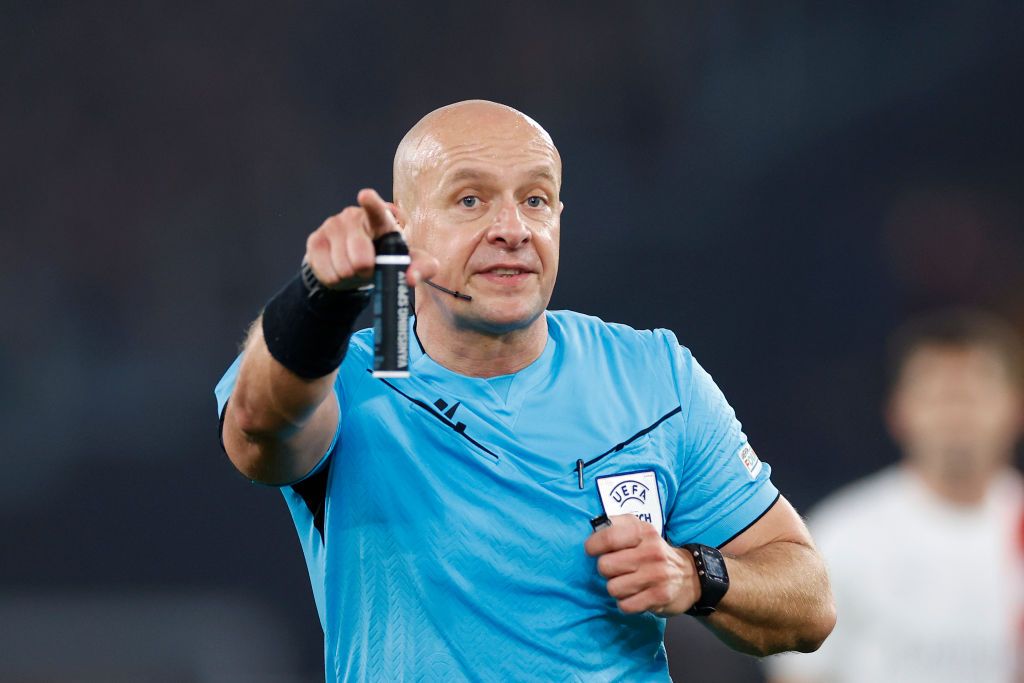
The build-up to the match was dominated by discussions about the match officials. Fans had spent days debating the referee selection for this high-stakes fixture. In a match of this importance, every decision was destined to be analyzed under a microscope.
The referee managed the physical duels well, keeping a lid on rising tempers. However, the intervention of the video assistant referee for the offside call showed the limitations of technology. It treats a continuous physical contest as a series of discrete, high-resolution frames.
The yellow cards handed out in the midfield battle helped maintain order during the physical encounters. Both teams committed tactical fouls to stop counter-attacks, but the referee kept the game flowing where possible. The officiating was not the problem, but the technology remains controversial.
The media coverage reflected the division among fans. The pre-match show featured a detailed breakdown of the lineups from the BBC commentators and presenters. They focused heavily on the defensive organization of Egypt.
Yet the post-match discussion was entirely about the VAR decision and the late drama. As the BBC highlights package confirmed, Egypt progressed while Iran was denied in the most dramatic fashion possible. The studio analysts were left debating the merits of the offside rule itself.
The pundits pointed out that the spirit of the game is being lost to these micro-decisions. A player celebrating a goal should not have to wait for a linesman in a remote room to draw digital lines. The emotional peak of the sport is being flattened by technology.
A broken system that rewards caution
This match should have been a classic, but the tournament structure leaves a bad taste. The idea that a team can qualify for the knockout stage with three draws is a sporting failure. It encourages defensive tactics and negative play from the opening match.
Iran deserved more from their second-half performance, but their first-half passivity cost them dearly. They played with the handbrake on for sixty minutes before realizing their tournament was ending. That lack of urgency is their biggest regret.
Egypt will need to find another gear in the next round. Their second-half collapse in Seattle suggests they do not have the stamina or the composure to compete with elite teams. If they play this defensively in the round of 32, they will go home quickly.
The atmosphere at Lumen Field was electric, with a large contingent of fans from both nations. The loud support created a hostile environment that seemed to rattle the younger players. It was a proper World Cup atmosphere that deserved a better sporting context.
The pitch in Seattle also played a role in the sluggish build-up play. The ball did not roll as smoothly as it does on natural grass, leading to misplaced passes and heavy touches. Both teams struggled to find their rhythm early in the match.
For the fans in Seattle, the game provided a spectacular finish. But for the teams involved, the math is all that matters. Iran must now wait in their hotel rooms, hoping the calculations fall in their favor.
The tournament moves on, but the debate over its format will persist. The expansion has brought more teams to the table, but it has diluted the overall quality. Soccer deserves better than a group stage decided by spreadsheets and margin of error calculations.
The psychological toll of this wait on the Iranian squad cannot be overstated. Players are stuck in a state of suspended animation, unable to fully unpack or prepare for the next round. It is a mental torture that has no place in professional sports.
Their coaches will spend the next forty-eight hours analyzing the results of other matches. Every goal scored in a stadium thousands of miles away could decide their fate. The destiny of these athletes is no longer in their own control.
This system also creates opportunities for collusion or passive play in later matches. Teams playing in the final groups will know exactly what scoreline they need to eliminate teams like Iran. It compromises the sporting integrity of the entire tournament.
FIFA will argue that the expansion brings the joy of the World Cup to more nations. While that is true in theory, the practical application has been messy and unsatisfying. The tournament feels less like a elite competition and more like an administrative marathon.
In the end, the match in Seattle will be remembered for what could have been. Shoja Khalilzadeh's disallowed goal and the subsequent woodwork strike will haunt Iranian football fans for years. They were so close to glory, only to be denied by the margins of modern football.
Official Liverpool FC Authentic EPL Knit Scarf
Wave the Red crest high at the pub or the stadium.
Frequently Asked Questions
Who advanced to the round of 32 from the Group G match in Seattle?
Why was Iran's late goal against Egypt disallowed by VAR?
What stadium hosted the World Cup match between Iran and Egypt?
How did the expanded World Cup format affect Iran's qualification?
Who scored the disallowed injury-time goal for Iran against Egypt?
More Coverage

Sebastien Pocognoli's Scotland face immediate tactical test in Ljubljana
8 hours ago
Ireland are heading into Hungary in crisis after their Pristina collapse
1 day, 19 hours ago
Jürgen Klopp got the chaos he expected in a wild debut against the Dutch
1 day, 19 hours ago
Andy Carroll's courage off the pitch redefines his role at Dagenham
1 day, 22 hours ago
Thomas Tuchel is making excuses before Spain even arrive at Wembley
2 days, 11 hours ago
Chelsea look surprisingly fragile heading into Sunday's clash with Arsenal
2 days, 14 hours agoMore Analysis

Argentina's tactical flaws set up a chaotic Atlanta semi-final against England
2 months, 1 week ago
Hossam Hassan is winning games but playing a dangerous political game in Egypt
2 months, 3 weeks ago
Egypt and Australia's World Cup clash is dividing Sydney
2 months, 3 weeks ago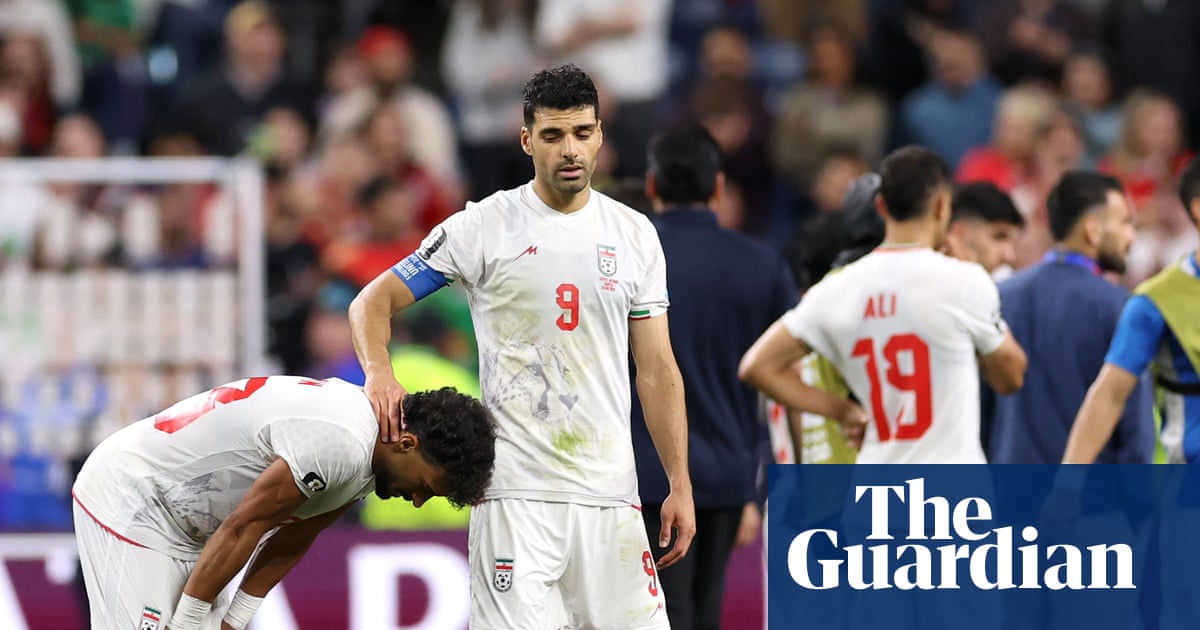
US security chief literally danced after Iran got booted from the World Cup
2 months, 3 weeks ago