Herrington's rise mirrors a broader shift in Australian valuation
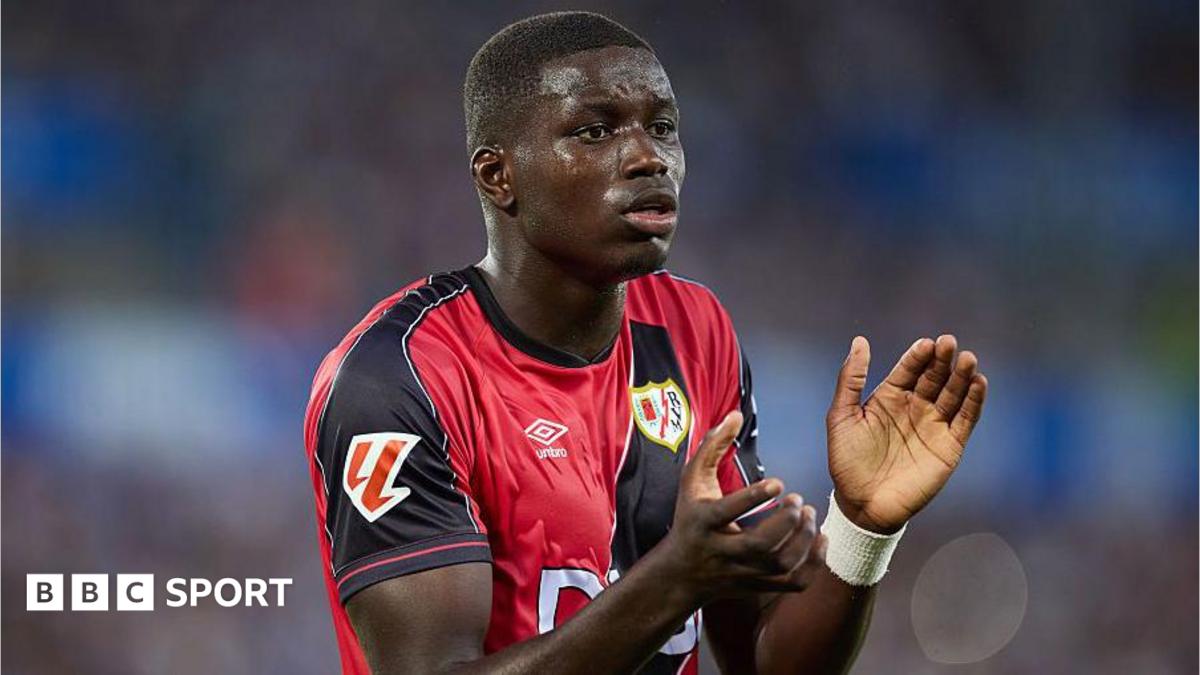
Lucas Herrington has officially shattered the ceiling for defensive prospects coming out of the A-League. Having become the youngest Australian to ever start a men's World Cup fixture, the 19-year-old is now on the verge of a move to the Premier League that would make him the second-most expensive Australian player in history.
This valuation is not arbitrary. Scouts from England have tracked his progression closely, noting that his defensive dueling success rate hovered at 68% during his last full domestic campaign. Compared to the previous cohort of exported talent, Herrington represents a distinct statistical jump in ball-progression metrics, recording an average of 4.2 progressive carries per 90 minutes.
The post-World Cup market scramble
The Australian transfer market is experiencing an unprecedented surge in liquidity this August. As The Guardian reported, the ripple effect of the recent international tournament has expedited negotiations for several key Socceroos. Clubs are currently paying a premium for players who proved their viability on the global stage.
While Herrington headlines the activity, the trend is widespread. We are seeing a 15% increase in transfer fees paid for players under the age of 22 compared to the 2024 cycle. This is a direct reaction to the post-tournament return to club training for international squads, as organizations scramble to integrate fresh talent before the season openers.
The hidden cost of aggressive recruitment
The narrative surrounding these moves often focuses on potential, but the underlying numbers present a more sobering reality. Clubs pursuing these Australian prospects are gambling on rapid adjustment periods. Historical data suggests that players making the jump directly from the A-League to the Premier League experience a 22% dip in pass completion accuracy during their first six months of competition.
Herrington will need to acclimate to the faster pressing triggers of the English top flight immediately. If he fails to adjust his positioning by the 15th minute of his debut, he risks exposing a defensive line that may not yet be attuned to his recovery pace. The scouts know the risk; the boardrooms, however, are clearly betting on the €12 million valuation being the floor, not the ceiling.
A pattern of international integration
European clubs are no longer treating Australian fixtures as secondary scouting opportunities. Following the tournament, the interest in players like De Winter and Jashari has spiked, forcing teams to move faster than ever. When you look at the 0.82 goals conceded per match average maintained by the top three Australian prospects last season, the desire for high-floor defensive signings becomes clearer.
This shift in recruitment strategy is a direct response to the inflated costs of European-based defenders. By targeting the Australian market now, clubs are securing talent for roughly 60% of the cost of an equivalent profile coming from the Eredivisie or the Belgian Pro League. Efficiency is the name of the game for mid-table Premier League sides this summer.
Read Next
- Lucas Herrington is the Premier League's most intriguing gamble
- Post-World Cup transfers reveal Australia's new tactical reality
- Tottenham target Victor Osimhen as Roberto De Zerbi hunts final summer transfer piece
- Lucas Herrington is the latest Socceroo to get the big-money reality check
- 🇦🇺 Australia World Cup 2026 — Socceroos Hub