The Santa Clara Fallout and the Seattle Threat
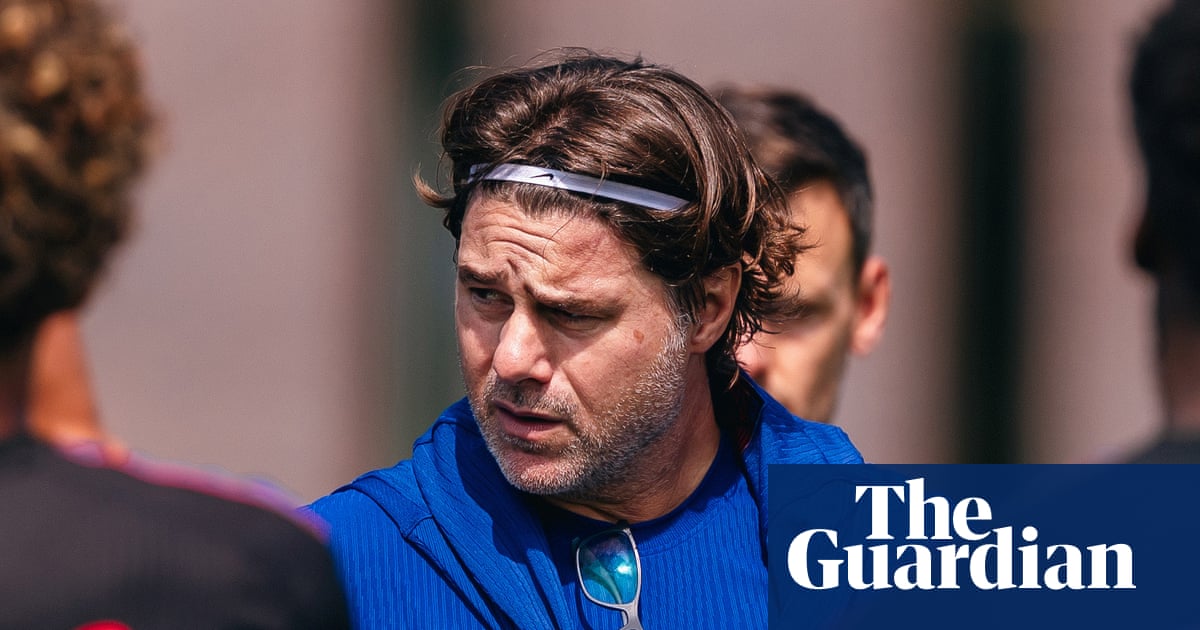
The United States walked out of Levi's Stadium with a spot in the Round of 16, but the mood in the camp feels more like a wake than a celebration. Yesterday's 2-0 victory over Bosnia and Herzegovina was comfortable on paper, but the price paid was astronomical. Folarin Balogun's straight red card in the 64th minute has thrown Mauricio Pochettino's tactical blueprint into the Pacific.
The loss of Balogun is not just a personnel issue. It is a structural crisis for an offensive system designed entirely around his specific movements. While fans pass the time with the latest BBC Sport World Cup trivia challenge, Pochettino has a much harder puzzle to solve in his coaching room before Monday's clash in Seattle.
Let's look at the data from the Bosnia match. In the first half, the U.S. dominance was total, registering an expected goals difference of 1.85 to 0.12. Balogun's opening goal in the 45th minute was the direct result of his ability to run the channel and drag defenders away from Christian Pulisic.
When Balogun was dismissed, that space vanished instantly.
The fallout from the round of 32 was immediate, with BBC Sport reporting on the tactical dilemma Pochettino now faces. Without his starting striker, the manager has to choose between Ricardo Pepi and Haji Wright. Neither player offers the same multi-dimensional threat as the Monaco forward.
The Striker Dilemma: Pepi or Wright?
Ricardo Pepi is the natural heir apparent, but his profile is fundamentally different from Balogun's. Pepi is a box-bound finisher who thrives on service from wide areas. He does not run the channels with the same frequency or pace, preferring to wait for the play to develop around him.
If Pepi starts, the U.S. must change how they progress the ball. Against Bosnia, Balogun completed 85 percent of his passes, acting as a wall-pass partner for Weston McKennie and Malik Tillman. Pepi's link-up play is less refined, meaning the U.S. midfield could find themselves isolated if they try to play through the center.
Haji Wright offers a more physical alternative. His season with Coventry City showed he can bully defenders and run in behind. Yet, Wright lacks the quick-footed agility needed to press from the front in Pochettino's mid-block system.
A passive front line is exactly what Belgium want. Rudi Garcia's side struggled immensely against Senegal's high press in their Round of 32 matchup. If the U.S. cannot press effectively from the front, Belgium's deep playmakers will dictate the tempo in Seattle.
Belgium's Chaos and Renaissance Under Garcia
Belgium's progression to the Round of 16 was nothing short of miraculous. Trailing 2-0 after 80 minutes against Senegal, Garcia's side looked completely dead. Senegal's transition play, led by Habib Diarra and Ismaïla Sarr, exposed a slow and aging Belgian defensive line.
But Garcia's side possesses an elite recovery mechanism. Romelu Lukaku's strike in the 86th minute sparked a furious comeback, which culminated in a Youri Tielemans equalizer in the 89th minute. Tielemans then sealed the 3-2 victory with a penalty in the 125th minute of extra time.
This comeback showed Belgium's mental strength, but it also highlighted their glaring defensive vulnerabilities. Center-backs Zeno Debast and Arthur Theate were repeatedly caught out of position by Senegal's direct runners. If Timothy Weah and Pulisic can exploit those same channels, the U.S. can hurt them.
The midfield battle will be decided by how well Tyler Adams can contain Kevin De Bruyne. De Bruyne was quiet for long stretches against Senegal but delivered two key passes in the final ten minutes of normal time. Adams must play a disciplined role, resisting the urge to jump out of the defensive block to press.
Furthermore, Belgium's structural setup under Rudi Garcia has struggled to cope with width. The Belgian fullbacks, Timothy Castagne and Arthur Theate, are often left isolated when winger Jeremy Doku fails to track back. This represents a prime opportunity for Sergiño Dest to overlap and create numerical advantages.
Pochettino must drill his team to exploit this specific defensive weakness. If the U.S. can draw Belgium's central midfielders out of position, the space behind them will open up. However, this requires flawless passing execution, something the U.S. lacked in the second half against Bosnia.
The Tactical Battleground in Seattle
Pochettino will likely deploy a 4-3-3 that shifts into a 4-5-1 out of possession. Chituru Odunze will start in goal behind the back four of Sergiño Dest, Chris Richards, Mark McKenzie, and Antonee Robinson. This backline must be incredibly careful when managing Lukaku's physical runs.
Richards and McKenzie cannot afford to get sucked into physical duels with Lukaku. Senegal's defenders did this in the first half and won most of their battles, but they tired late in the game. The U.S. center-backs must drop off and use their cover to deny Lukaku space to turn.
The key to the game lies in the transition phases. When the U.S. win the ball, Dest and Robinson must push forward to create overloads. Malik Tillman, who scored a brilliant free-kick in the 82nd minute against Bosnia, will need to be the creative hub.
Tillman's ability to play on the half-turn will be tested by Amadou Onana's aggressive tackling. If Tillman can bypass Onana, the Belgian backline will be forced to step up, leaving space behind for Pulisic. This is where the game will be won or lost.
There are signs that Belgium's defense is ripe for the picking. They conceded 14 shots against Senegal, with six of those hitting the target. If the U.S. can create similar volume, they will score, even without Balogun's clinical finishing.
However, the U.S. defense has its own questions to answer. Sergiño Dest was caught out of position twice in the second half against Bosnia, leading to dangerous counter-attacks. Against players like Jeremy Doku and Dodi Lukebakio, those errors will be fatal.
Another area of concern is the performance of the U.S. midfield pivot when pressed. Tyler Adams completed just 78 percent of his passes under pressure against Bosnia, a stat that must improve. Youri Tielemans will look to trigger the press whenever Adams receives the ball facing his own goal.
Pochettino has spent the last two days working on build-up patterns to bypass this pressing trigger. The U.S. must use third-man runs to break the first line of the Belgian press. If they fail to do so, they will turn the ball over in dangerous areas.
The Verdict
This is a matchup between two flawed teams with elite attacking talent. The absence of Balogun tilts the tactical balance in Belgium's favor. Without his pressing and channel running, the U.S. will struggle to sustain pressure in the final third.
Rudi Garcia's Belgium have shown they can survive chaotic games. With De Bruyne pulling the strings and Lukaku in goalscoring form, they have the edge in tournament experience. The U.S. will fight hard, but the lack of an elite focal point up front will catch up to them.
Expect a tense, high-scoring affair in Seattle. The U.S. will score through a Pulisic counter-attack, but Belgium's midfield quality will eventually wear them down. It will be a painful exit for Pochettino's men.
Belgium will win this match 2-1 after normal time, ending the host nation's dream.
Read Next
- Folarin Balogun's shock red card leaves USMNT facing a massive Belgium problem
- Folarin Balogun just handed Mauricio Pochettino a massive World Cup nightmare
- Mauricio Pochettino stands on the edge of USMNT history tonight
- Mauricio Pochettino faces the ultimate vibes test against Bosnia
- 🏆 World Cup 2026 — Full Coverage Hub
- 🇧🇪 Belgium World Cup 2026 — Red Devils Hub